Urarina narratives include multiple deluge or flood variants that function as origin myths. In one variant a creator figure Kuanra responds to lack of fish by sending his son, Kuanra Kajlaui, who spears fish to provision people. In another deluge variant, on the occasion of a cassava-beer festival, the daughter of the ayahuasca-god urinates and produces a flood that 'gives rise to the chthonic world of spirits.' A separate flood tale records a man saved by climbing an Erythrina elei tree while his family are transformed into nonhuman forms (wife into a termite nest, sons into birds). These narratives place mythic action in the riverine landscapes central to Urarina life.
The provided sources do not supply consistent or detailed physical descriptions for the named mythic actors (Kuanra, Kuanra Kajlaui, the ayahuasca-god or his daughter). Descriptions in the available materials emphasize their actions within mythic episodes rather than morphological traits.
The mythic actors are attributed agency in large-scale transformations and provision: Kuanra functions as a creator/culture-hero figure who can send his son to restore resources (spearing fish), and in a deluge myth the ayahuasca-god's daughter, by urination during a cassava-beer festival, causes a flood that brings into being a chthonic realm of spirits. More generally, Urarina cosmology locates powerful effects in ritual contexts and in relation to ritual substances (ayahuasca and Brugmansia), with shamans mediating human relations with these nonhuman agents.
Weaknesses
None recorded.
Wards
- substanceayahuasca and Brugmansia suaveolens (ritual media/means of engagement)
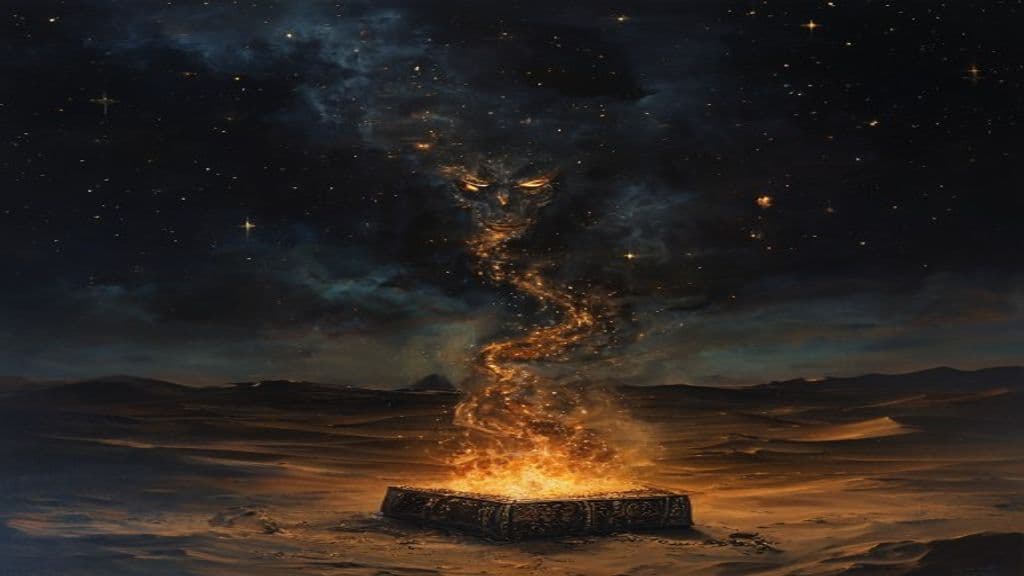
Djinn
The class of supernatural beings created from smokeless fire in Islamic cosmology — a parallel civilization to humanity, capable of belief or unbelief, with their own prophets, society, and judgment before God.
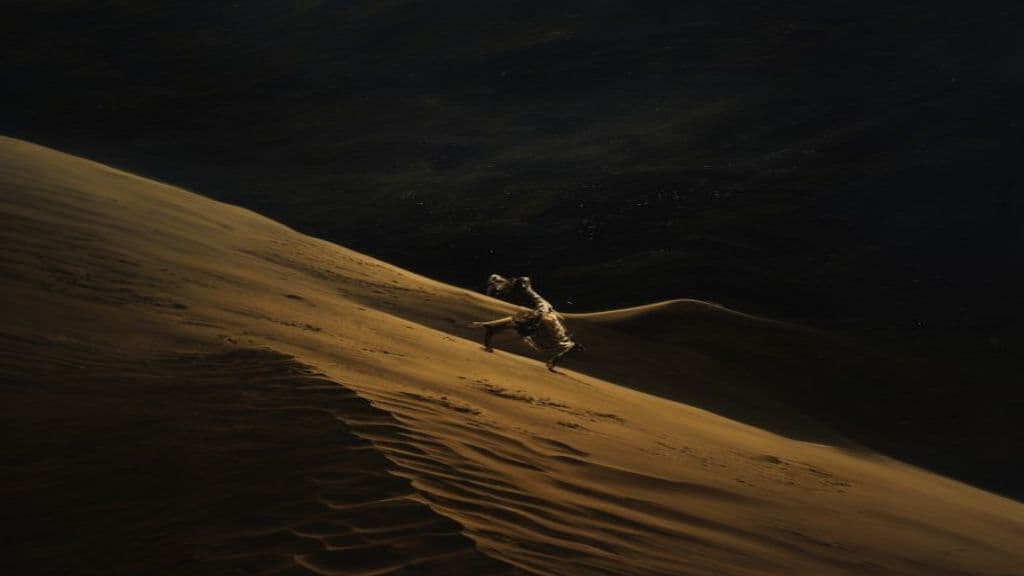
Jann
The weakest class of djinn in Islamic tradition, associated with desert winds and taking the form of snakes or whirlwinds, dwelling in empty wilderness and posing little threat to those who know the proper invocations.
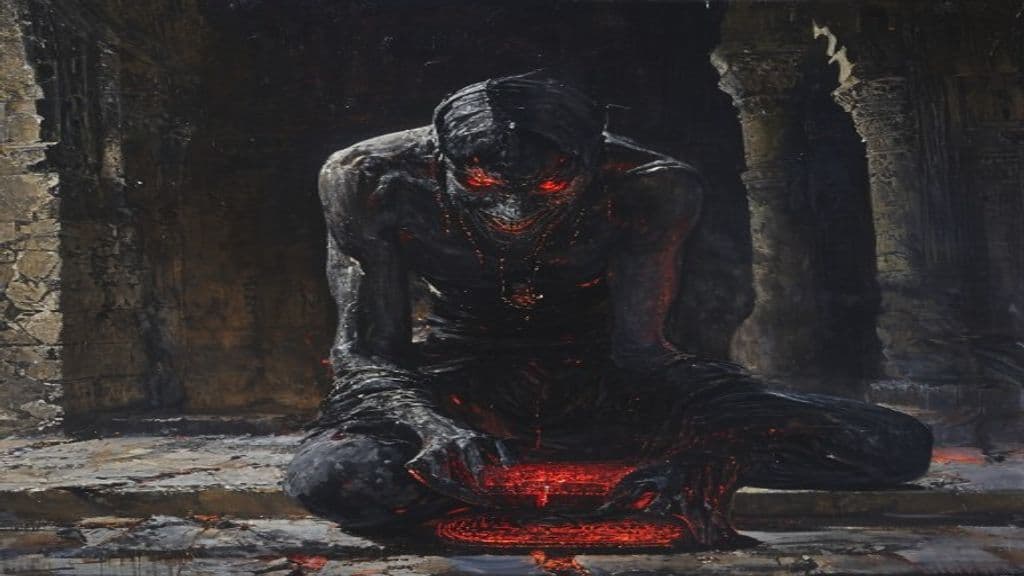
Shaitan
A class of corrupted djinn who follow Iblis and dedicate themselves to leading humans astray — distinct from Iblis himself, the Shayatin are a species of evil djinn who whisper doubts and temptations into the minds of the living.
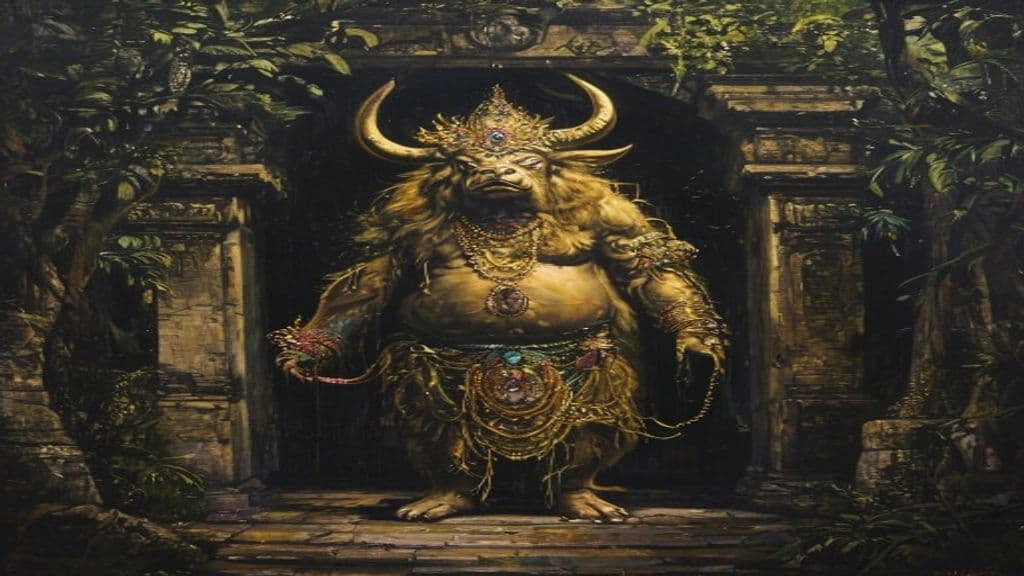
Yaksha
Nature spirits of Hindu, Buddhist, and Jain cosmology — guardians of forests, treasures, and wilderness. Ambivalent beings, capable of great benevolence to the respectful and terrible harm to the greedy.
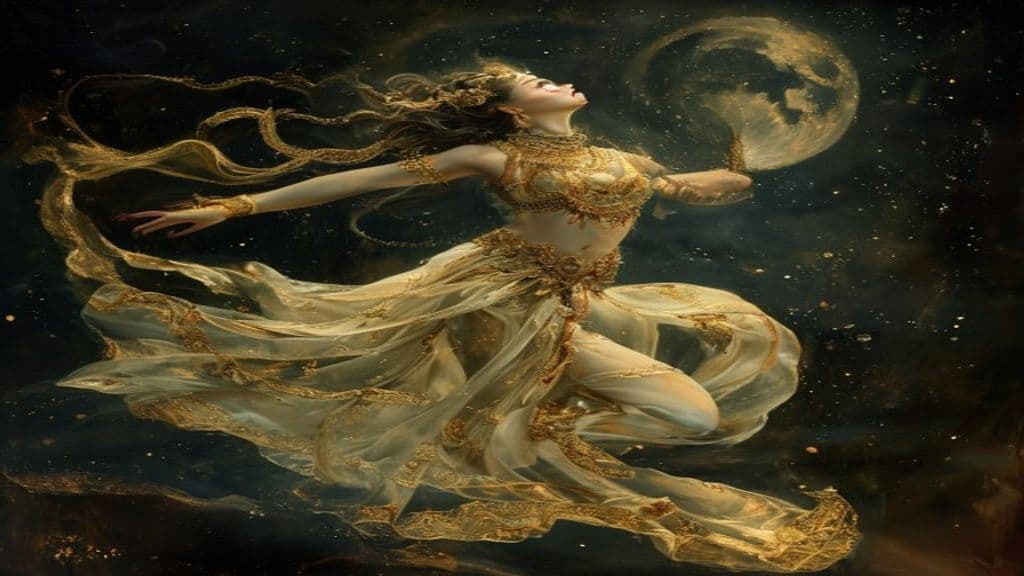
Apsara
Celestial dancers and water nymphs of Hindu cosmology — beautiful semi-divine beings who dance at the court of Indra and, by his command, descend to earth to distract sages from excessive asceticism.
Community Record
- [1]Urarina (Wikipedia). Wikipedia, 'Urarina' entrywiki
- [2]Urarina language (Wikipedia). Wikipedia, 'Urarina language' entrywiki
- [3]Flood Folklore: Urarina. CuriousTaxonomy, 'Flood Folklore: Urarina'folk
- [4]Indigenous peoples and environmental issues : an encyclopedia (archive). Edited volume, 'Indigenous peoples and environmental issues: an encyclopedia' (Archive.org)academic
- [5]Etnicidad y ecología (archive). Collected volume, 'Etnicidad y ecología' (Archive.org)academic
- [6]Urarina Digital Heritage Project (review). Review: Urarina Digital Heritage Projectother
- [7]Endangered Languages Archive: Urarina. ELAR, 'Urarina language and culture' collectionacademic