
In Wabanaki and related Algonquian narratives Manitou denotes the supernatural force responsible for creation and life: sources describe a supreme creator Manitou (Gitche Manitou) and also multiple lesser Manitous. An Abenaki emergence narrative cited in the sources states that the First Manitou, the Great Spirit, made Kloskurbeh, a great teacher, indicating a tradition in which the primal Manitou originates mythic teachers and cultural instruction (source 9). Scholarly and popular summaries characterize a pan-Algonquian use of the term to refer both to a Great Spirit and to localized spirit-owners or helper spirits, and note tribal variation in emphasis and practice across the Wabanaki nations (sources 6, 7, 13).
The provided sources emphasize Manitou as a pervasive, animating principle rather than a consistently visualized singular form; many accounts treat Manitous both as an impersonal force that 'imbues all nature' and as personified spirits in particular narratives. For example, the Abenaki emergence myth personifies the First Manitou by having it create Kloskurbeh, the great teacher (source 9), while general descriptions speak of Manitous appearing as lesser spirits associated with animals, places, or phenomena (sources 7, 13). The excerpts do not supply standardized physical descriptions for a universal visual form.
Sources describe Manitou as creative and animating—'the creator and giver of all life' in references to Gitche Manitou—and as a single supernatural force that 'imbued all nature' (sources 6, 13). The term also applies to multiple lesser spirits with local agency: the Mi'kmaq recognized a Great Spirit called Manitou and several lesser spirits also called Manitous (source 7). Manitou functions within religious life as the recipient of prayers and songs and as a source of teachings and helpers (for example, prayer-song transmission and animal helpers are noted in the sources; source 11). Mythic roles include creation, instruction (e.g., Kloskurbeh created by First Manitou; source 9), and localized spiritual relationships tied to landscape features (source 8).
Weaknesses
- otherNo documented weaknesses in provided sources
Wards
- ritualReciprocal prayer and song to maintain right relations
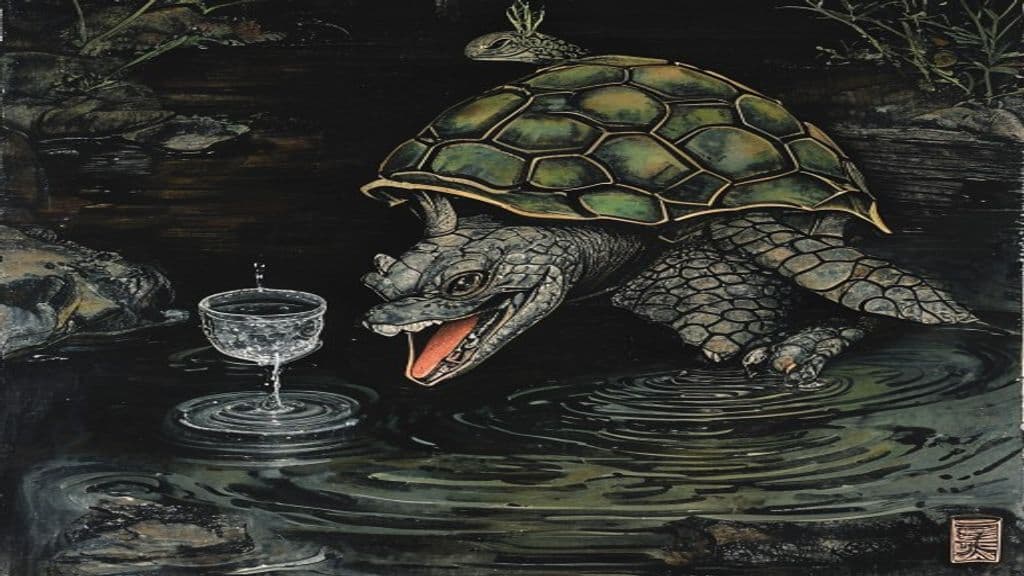
Kappa
A water-dwelling imp of Japanese folklore with a bowl of water on its head. Mischievous but bound by strict codes of politeness; dangerous near rivers.
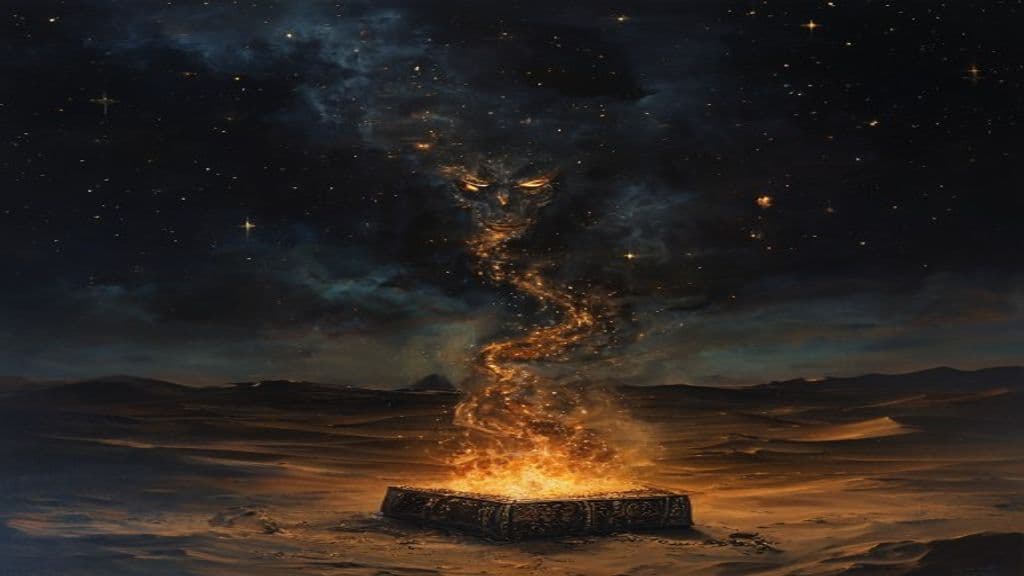
Djinn
The class of supernatural beings created from smokeless fire in Islamic cosmology — a parallel civilization to humanity, capable of belief or unbelief, with their own prophets, society, and judgment before God.
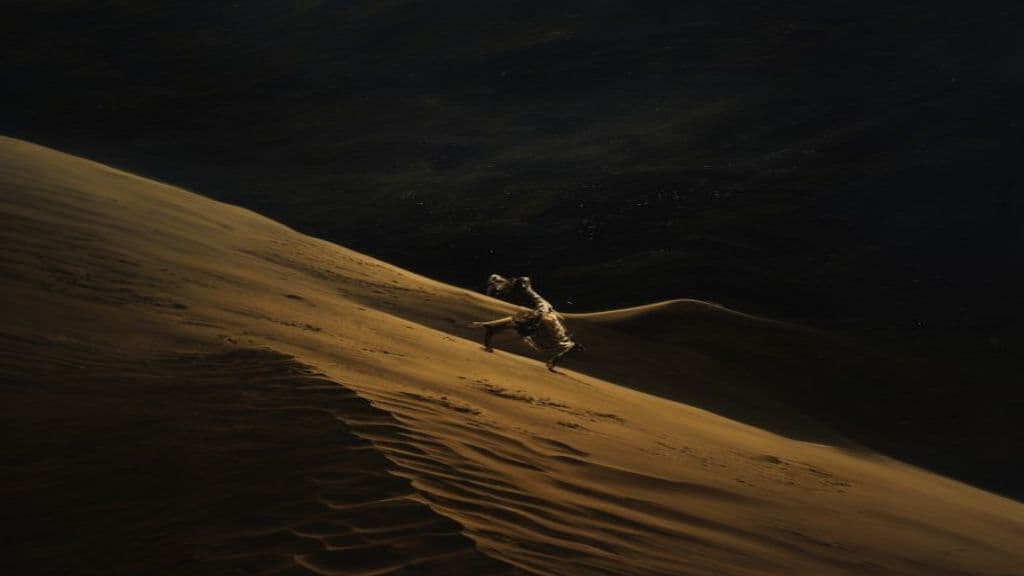
Jann
The weakest class of djinn in Islamic tradition, associated with desert winds and taking the form of snakes or whirlwinds, dwelling in empty wilderness and posing little threat to those who know the proper invocations.
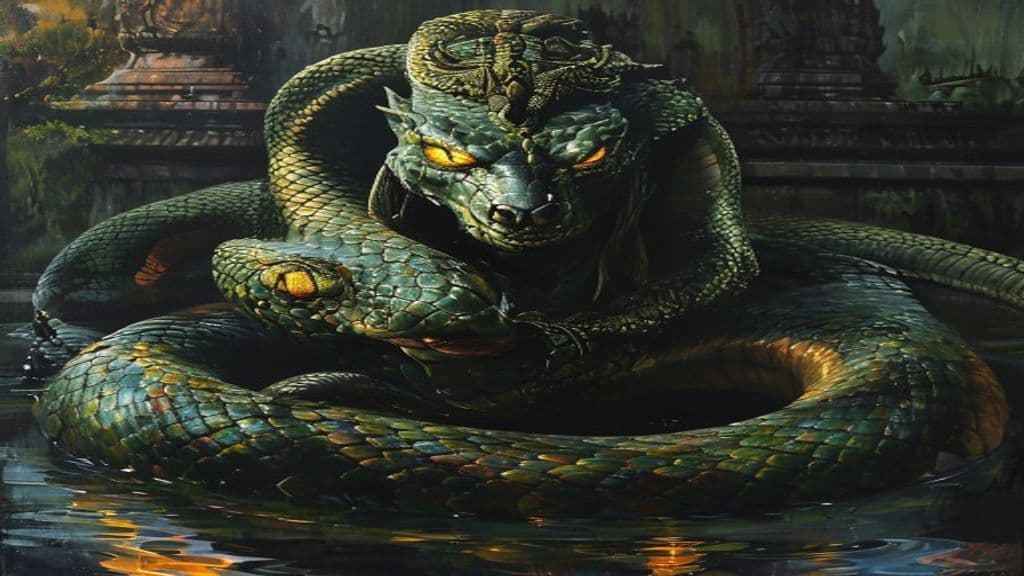
Naga
Divine serpent beings of Hindu, Buddhist, and Jain cosmology — powerful guardians of water, earth, and underground treasures. Revered as deities in South and Southeast Asia.
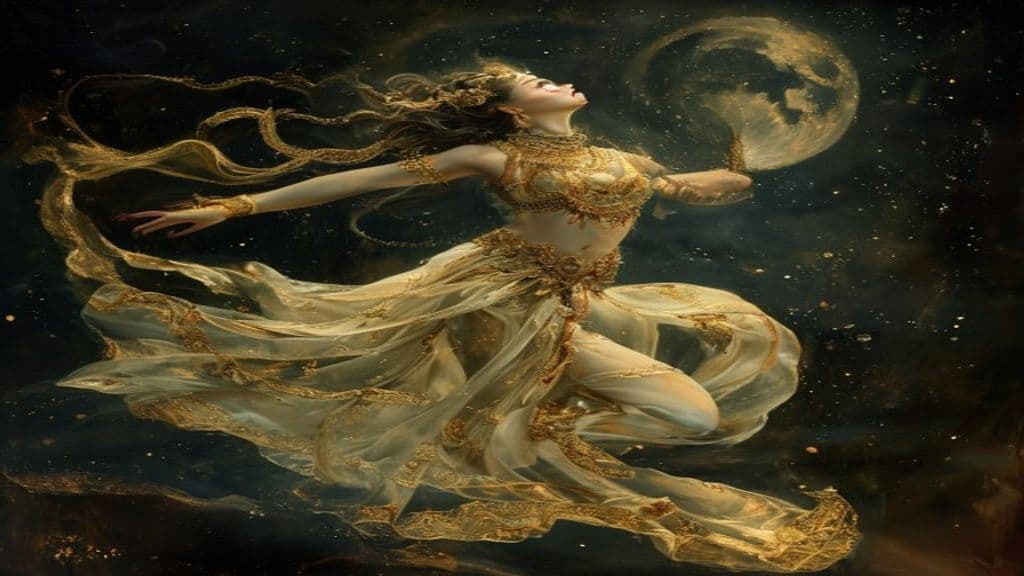
Apsara
Celestial dancers and water nymphs of Hindu cosmology — beautiful semi-divine beings who dance at the court of Indra and, by his command, descend to earth to distract sages from excessive asceticism.
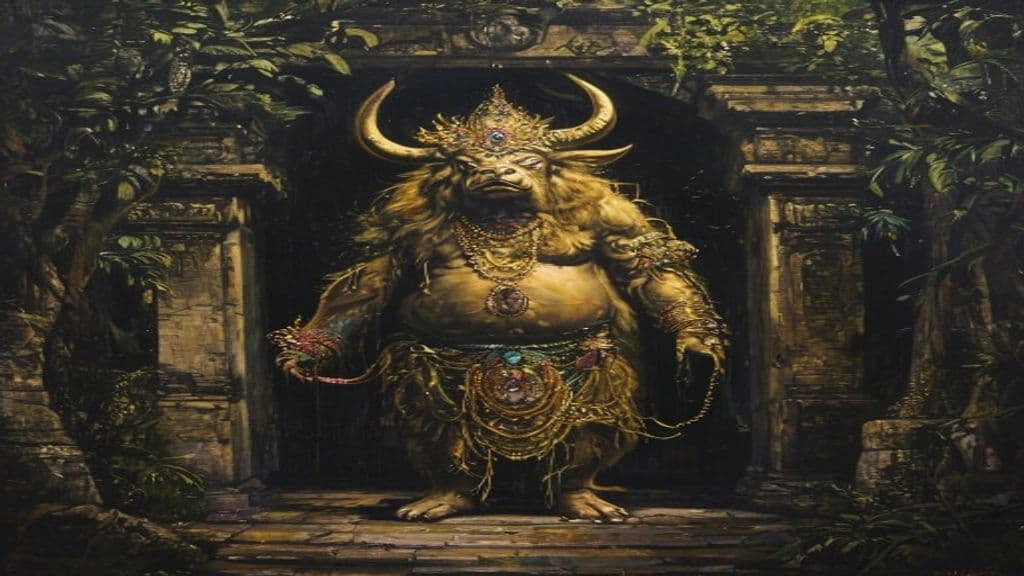
Yaksha
Nature spirits of Hindu, Buddhist, and Jain cosmology — guardians of forests, treasures, and wilderness. Ambivalent beings, capable of great benevolence to the respectful and terrible harm to the greedy.
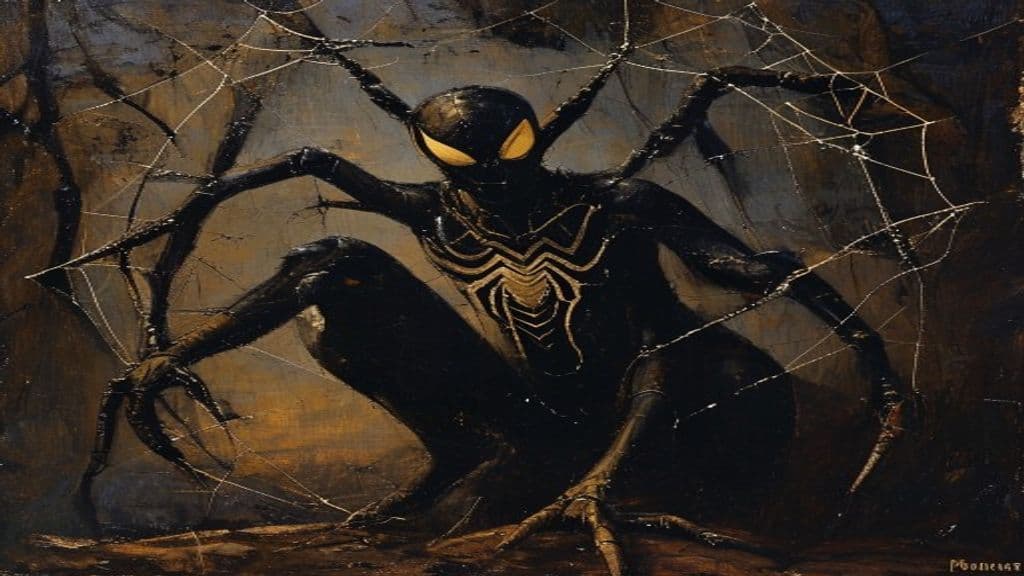
Anansi
The spider trickster god of Akan folklore — cunning, mischievous, and wise. Keeper of stories and teacher of human beings, brought through the slave trade into Caribbean and African-American tradition.
Community Record
- [1]Wabanaki. Wikipedia: Wabanakiwiki
- [2]Mi'kmaq - New World Encyclopedia. New World Encyclopedia: Mi'kmaqother
- [3]Abenaki Emergence Myth | Quintessence. Abenaki Emergence Myth (online retelling) — cites First Manitou creating Kloskurbehfolk
- [4]Talking Radical Radio - A voice for Two-Spirit people in Atlantic Canada (archive). Archive broadcast material referencing Wabanaki cultural themesother
- [5]Social Justice and Planting Seeds, by Yvette McDonnell (sermon). Archive sermon noting sending prayers through song to Manitou (source 11)other
- [6]Characteristics of the Native American Creation Myth: Examples and Resources. Educational summary referring to pan-Algonquian creation motifsother
- [7]Indigenous peoples of the Northeastern Woodlands. Wikipedia: Indigenous peoples of the Northeastern Woodlands (context for regional traditions)wiki
- [8]Moccasin Tracks / Abenaki Cultural Regeneration Project (blog). Community material referencing Abenaki cultural teaching and regenerationfolk
- [9]Thought Catalog: 9 Of The Most Terrifying Legends Of Ancient Native American Lore. Popular retellings referencing regional spirits (used cautiously)other
- [10]Glossary of Indian Nations. Reference glossary with regional entriesother