Within the Sleeping Beauty tale-cycle the Wicked fairy is a stock narrative actor rather than a figure with a single mythic origin; sources identify the entity as the antagonist of Sleeping Beauty and classify it as a folkloristic character. Wikidata lists the subject under a folkloristic character entry, and retellings and adaptations (including those that name her Carabosse or Maleficent) repeatedly position her as the agent who initiates the tale’s central crisis by bringing harm to the heroine.
The supplied sources do not provide a consistent or detailed physical description of the Wicked fairy. She is primarily identified by role (the malign fairy who opposes the heroine) and by the names used in adaptations (for example, Carabosse and Disney’s Maleficent); specific, source-attested visual details of costume, features, or form are not recorded in the provided materials.
In the sources the Wicked fairy’s documented function is narrative: she is the antagonist of Sleeping Beauty and, in that capacity, causes the heroine’s misfortune (for example, through a curse in many tale variants as implied by her role as antagonist). Adaptations carry this function forward — Wikipedia cites Maleficent as the most notable adaptation of the character, appearing across Disney media beginning with the 1959 film — but the provided materials do not enumerate discrete supernatural powers, rituals, or mechanisms beyond her status as the tale’s source of harm.
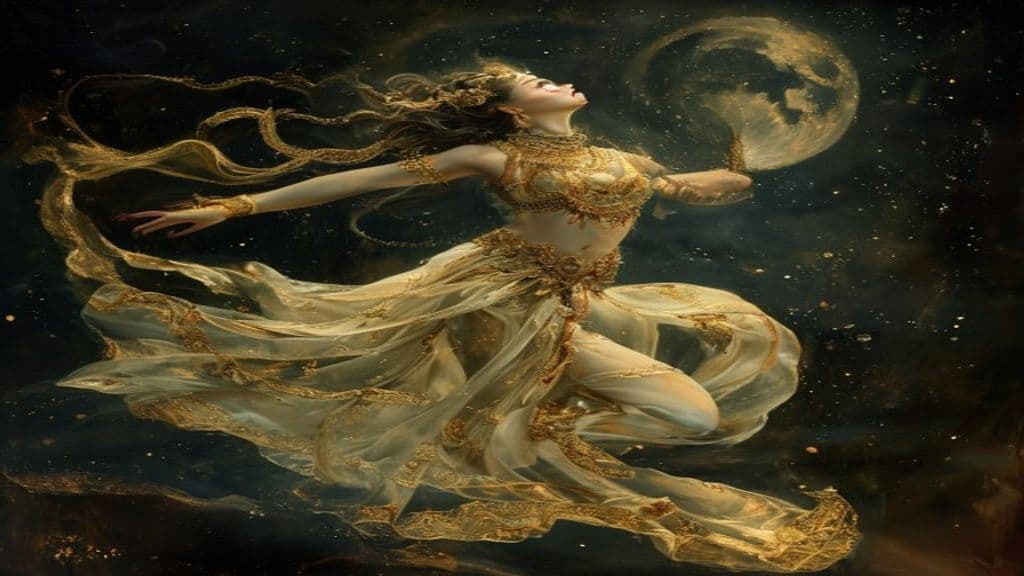
Apsara
Celestial dancers and water nymphs of Hindu cosmology — beautiful semi-divine beings who dance at the court of Indra and, by his command, descend to earth to distract sages from excessive asceticism.
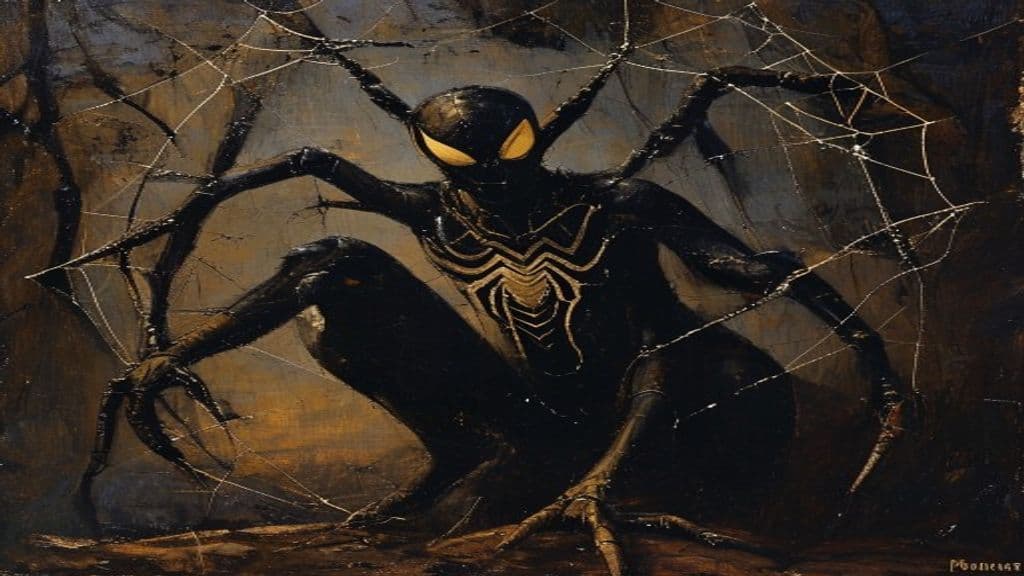
Anansi
The spider trickster god of Akan folklore — cunning, mischievous, and wise. Keeper of stories and teacher of human beings, brought through the slave trade into Caribbean and African-American tradition.
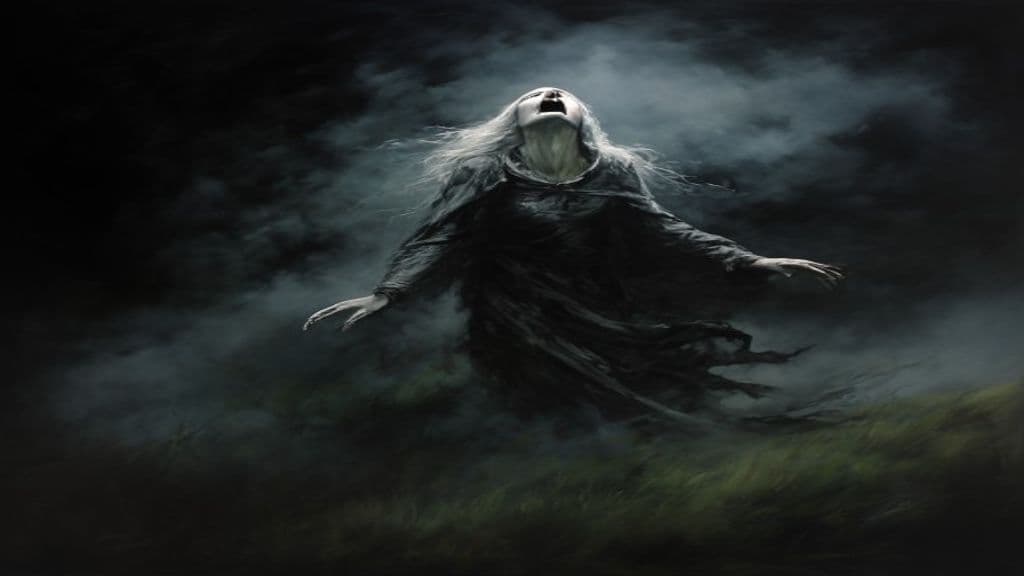
Banshee
A female spirit of Irish and Scottish folklore whose wail heralds an impending death in a family of Gaelic descent. Not a cause of death — a witness to it.
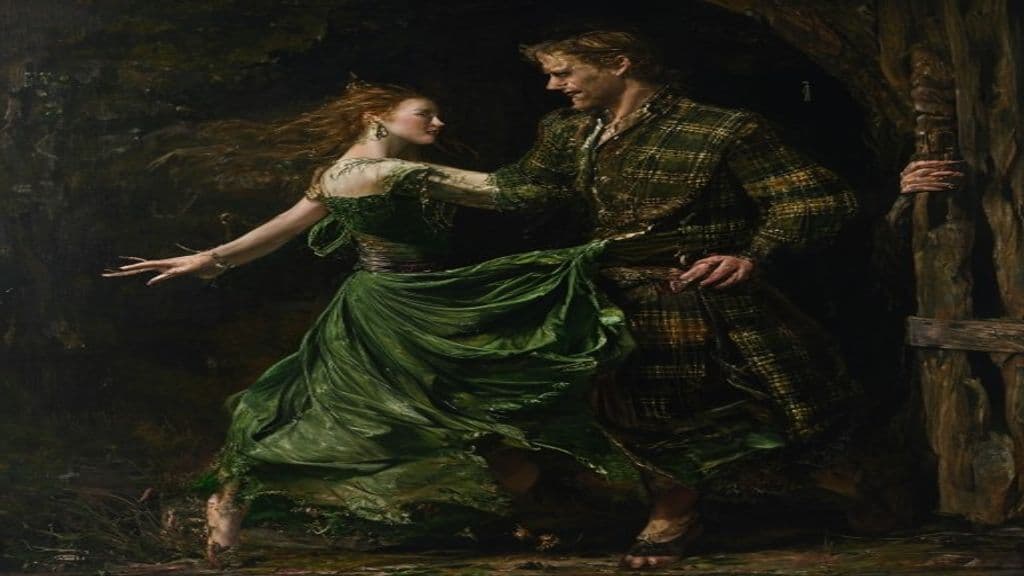
Baobhan Sith
A Scottish Highland vampire fairy — a beautiful woman in a green dress who appears to men alone in the wilderness and drains their blood, her deer hooves hidden beneath her skirts.
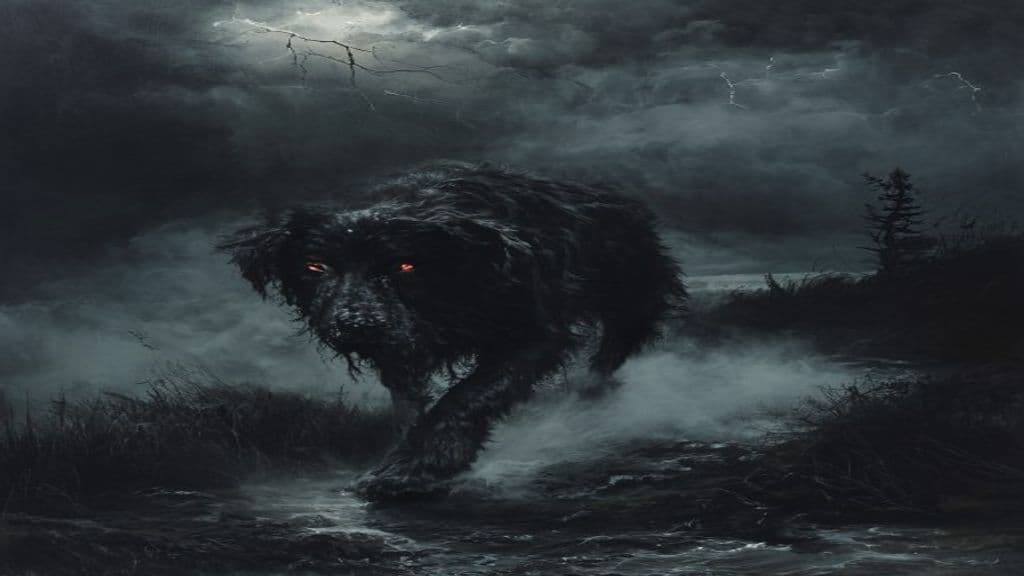
Black Shuck
A spectral black dog of East Anglian legend, with glowing red or green eyes. Its appearance is an omen of death. Its howl has been heard on clifftops during storms for centuries.
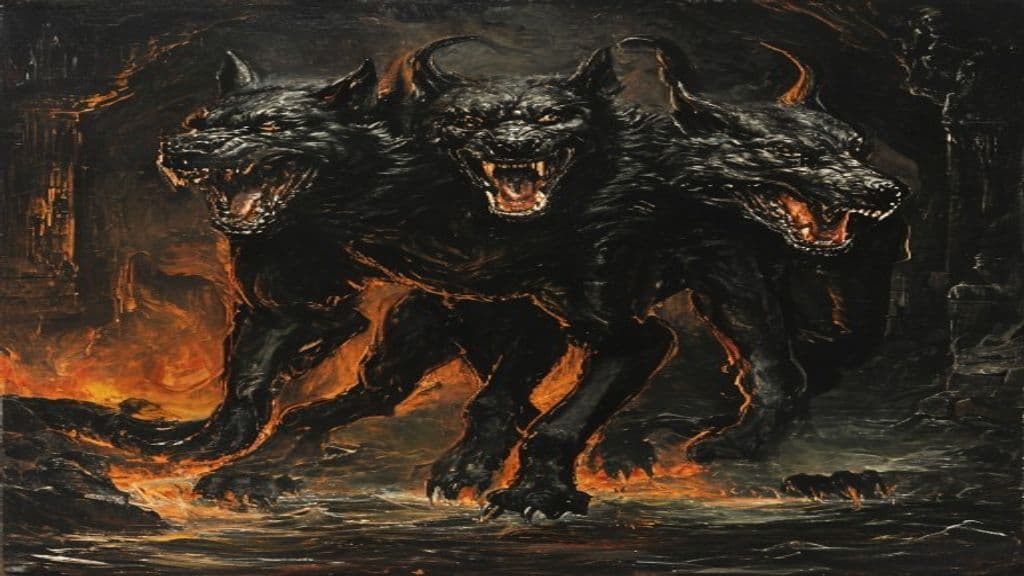
Cerberus
The three-headed hound of Hades, guardian of the underworld's gates — welcoming the dead in but allowing no shade to leave and no living mortal to enter uninvited.
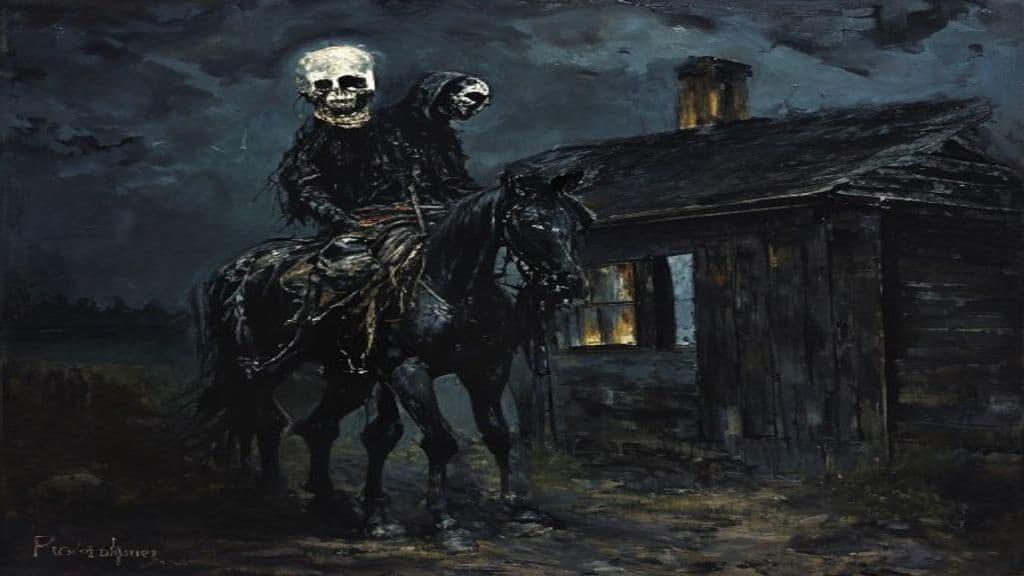
Dullahan
The headless horseman of Irish legend who carries his own rotting head under one arm, stops at the door of those about to die, and cannot be kept out by any lock.
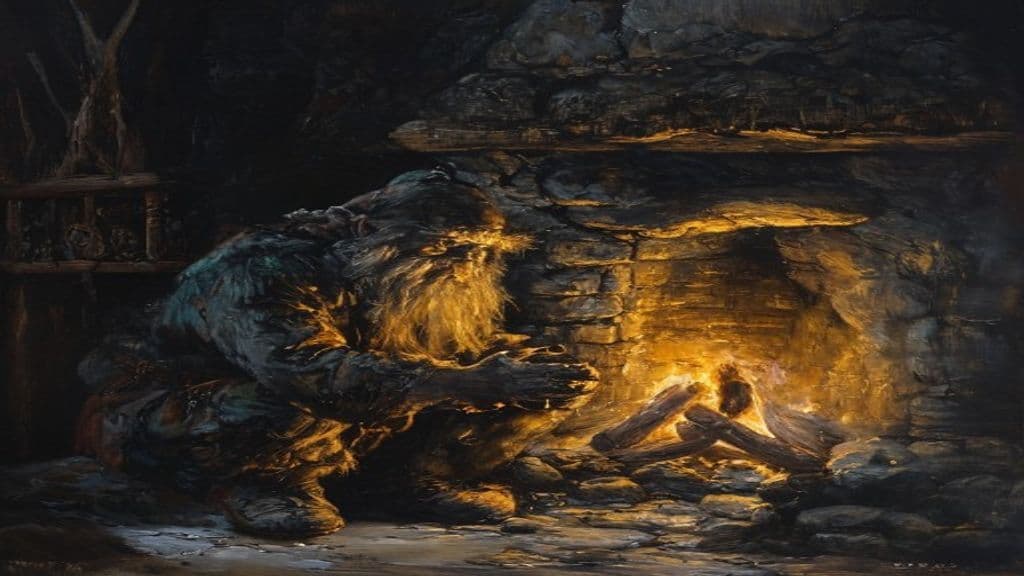
Domovoi
The house spirit of Slavic tradition — a small, invisible guardian of the home bound to a specific dwelling and its family. Protective when respected; dangerous when insulted or forgotten.
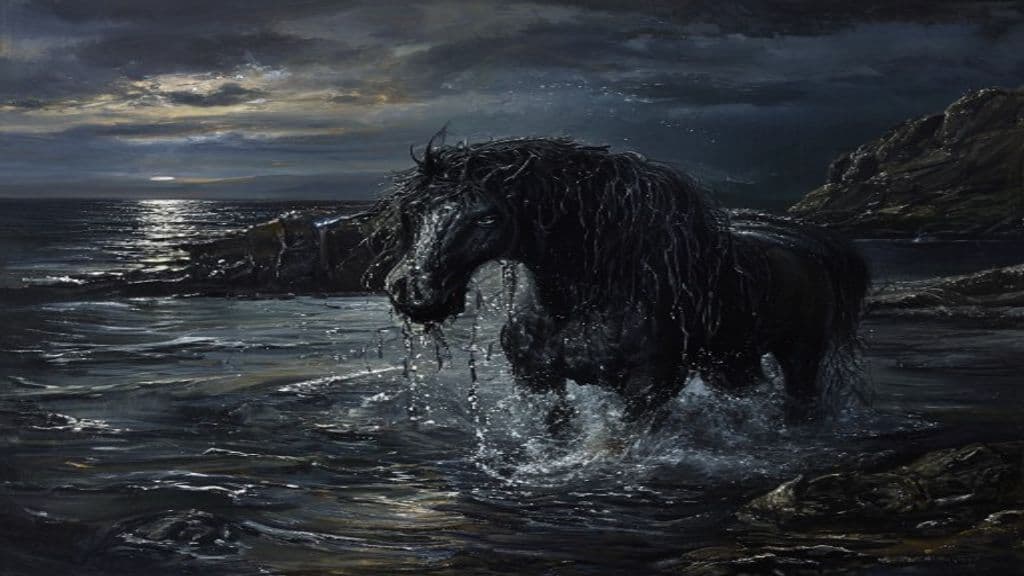
Each-Uisge
The most dangerous water horse in Scottish Highland folklore — haunting sea-lochs and mountain lakes, more violent than the river kelpie, known for consuming its victims whole.
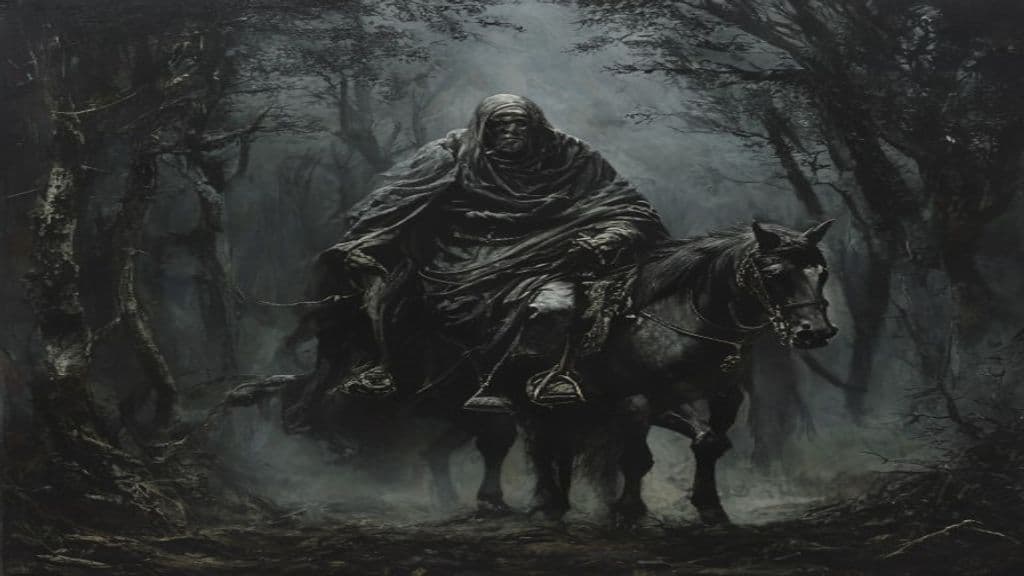
Erlking
A sinister Germanic spirit of forest and mist who takes children — appearing to them as a welcoming figure while adults see nothing, the child dying in its parent's arms.
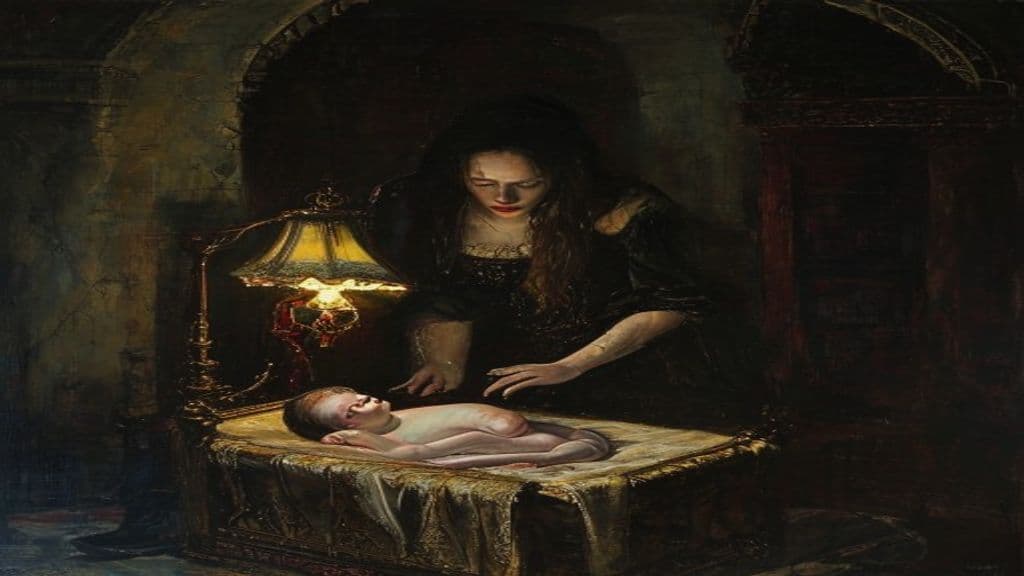
Gello
A child-strangling demoness of Greek and Byzantine tradition, the spirit of a young woman who died before marriage, now preying on pregnant women and newborns.
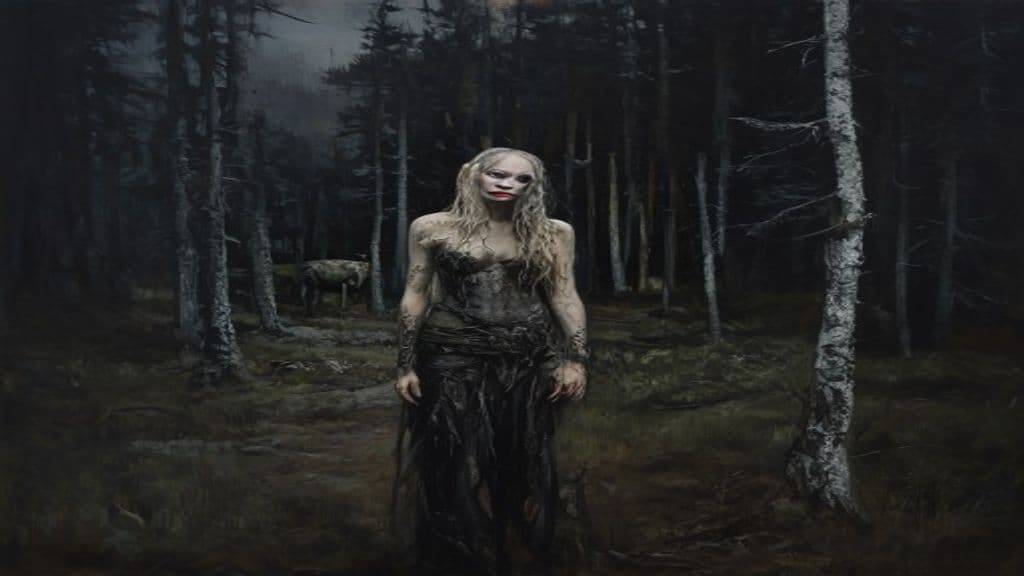
Huldra
A seductive forest spirit of Scandinavian folklore — beautiful from the front but with a cow's tail or hollow back — who lures men into the wilderness, sometimes to their ruin.
Community Record
- [1]Wicked fairy (Sleeping Beauty) — Wikipedia. Wikipedia, 'Wicked fairy (Sleeping Beauty)'wiki
- [2]Wikidata entity: wicked fairy godmother (Q919407). Wikidata entry Q919407, labeled 'folkloristic character'wiki
- [3]Hubba Hubba Revue: Fairy Tales (Archive listing). Hubba Hubba Revue archive listing, 'gathered all the wicked princesses, beautiful witches, and naughty woodland creatures, for a magical evening in The Enchanted Kingdom of Tease!'other
- [4]The Princess and the Seven Swans (Archive listing). Archive summary and production notes for 'The Princess and the Seven Swans' (example of adaptation practice in children's theatre and film)other