Sources do not provide a single unified creation myth for Yer Tanrı. The deity is presented as the Earth or World and in some related Altaic fragments daughter-figures (e.g., Od iyesi / Umai in neighboring traditions) are said to be born at the beginning of the world when earth and sky separated; this is recorded as a regional attestation about related mother/earth figures rather than a universal origin story for Yer Tanrı itself.
There are few standard pictorial representations; sources state there are no canonical images. In some tales Yer Tanrı is perceived as a feminine being and is occasionally described in particular attestations as a white‑haired woman living in the trunk of a large beech tree whose branches reach to the sky. Otherwise the earth‑deity is treated more as an immanent, often unpictured presence.
Yer Tanrı nourishes and strengthens living beings, is invoked for fertility and conception, receives sacrificial offerings deposited into the soil, and functions through related household guardian manifestations (Yereh/Yereh Khan) that protect family well‑being and are associated with healing (notably appeals to cure skin diseases). In narrative motifs, frail children buried in the earth are reported to be fed by the Earth God and emerge transformed into strong heroes; fairy‑tale motifs describe Mother Earth breastfeeding heroes to confer strength. Sacrificial practices recorded include offerings of a white chicken and sometimes fish, sheep, or oxen, with heads buried in the ground as part of earth‑related rites. A brief attestation also notes that Yer Tanrı can be represented in some contexts as morally ambiguous or connected to base human/sensual formations, though sources do not elaborate this point.
Weaknesses
- otherNone recorded in available sources
Wards
- ritualHousehold Yereh baskets (Yereh Türkelli)
- ritualSacrificial deposition into the earth (burying heads of offerings)
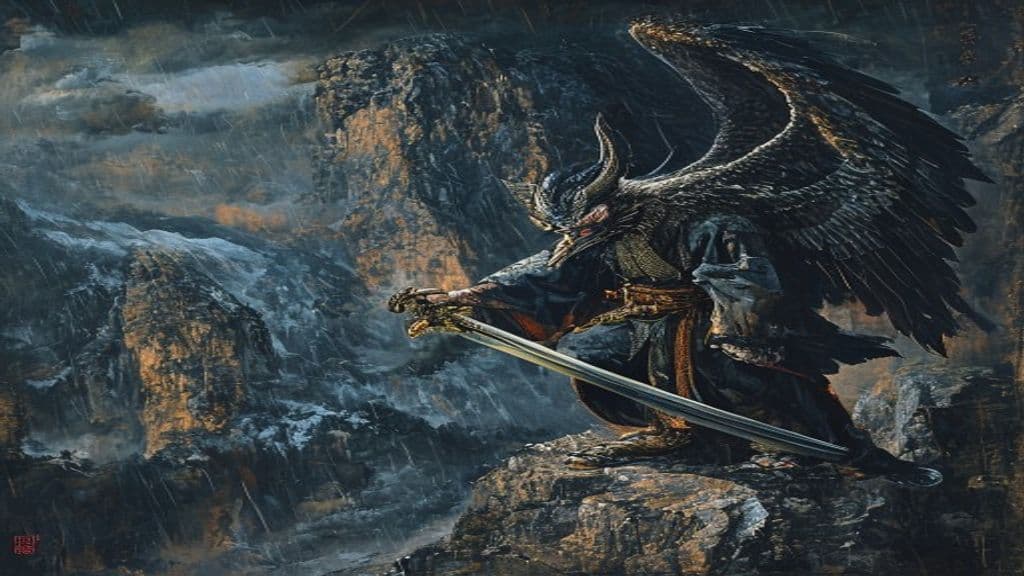
Tengu
Proud, warrior-like mountain spirits of Japan, associated with martial arts, pride, and the wild mountains. Neither fully good nor evil — they test and train warriors and monks, but punish the arrogant.
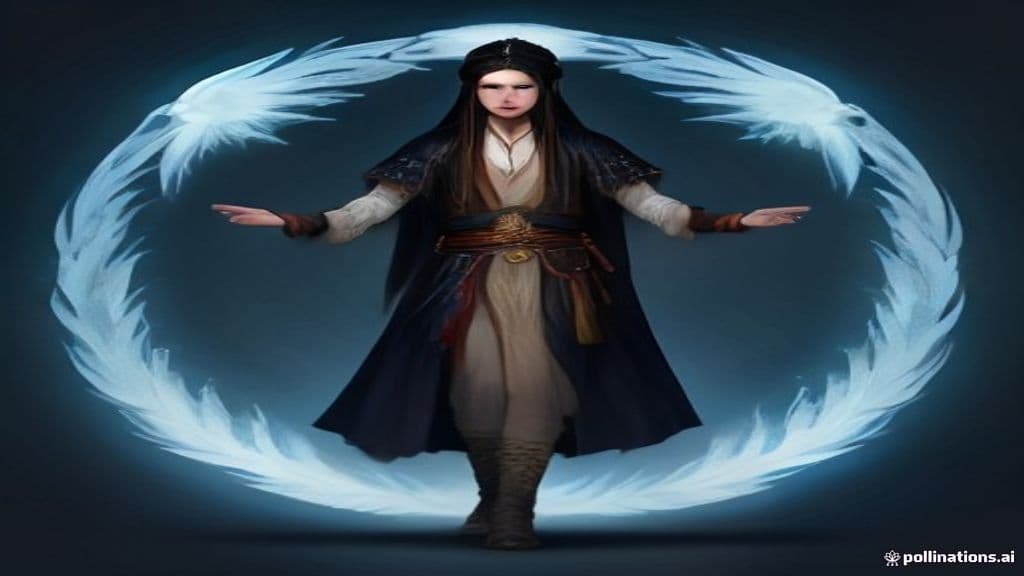
Od İyesi
Od İyesi is the Turkic and Mongolic guardian spirit (iye) of fire and hearth. Conceived as the 'possessor' or master of the element fire, it appears in male and female personifications (e.g., Od Ana, Od Ata/Od Khan) and as household-specific forms (Ocak iyesi — hearth spirit, Soba iyesi — stove spirit).
Abaasy
Abaasy (Abaahy, Abasy; Yakut: Абаасы, Abaası) are beings of the Sakha (Yakut) underworld, depicted in sources as destructive underworld spirits or demons associated with the long deceased. They inhabit the lower cosmic layer, serve an underworld ruler, are blamed for disease and madness, and may be appeased by blood sacrifice.
Abzar İyesi
A Turkic iyesi (possessive/guardian spirit) of the courtyard, outbuildings, and farmstead grounds; ambivalent in nature, it protects its domain but may harm livestock and cause mischief, often appearing in animal forms.
Aiy (Aiy-auk)
Aiy (also rendered Aiy-auk) is a name mentioned in relation to Siberian contexts in the queryer's sources, but the provided documents do not contain usable folkloric descriptions or ethnographic data about the entity. This entry records what the supplied materials do and do not establish and points to the research gap.
Ak Ana
Ak Ana (also Ağ Ana, Ak Ene) is the primordial water-mother of Turkic and some Siberian (Khanty, Mansi) traditions: a holy maternal creator principle associated with the pre-earth expanse of water, fertility of the land, and the threshold to the spirit world.
Al (Alı)
No folkloric or ethnographic evidence for a supernatural entity named "Al" or "Alı" is present in the supplied source set. The available materials are modern biographical, political, linguistic, and religious texts that do not describe a Turkish spirit, demon, or other supernatural being by this name.
Alaz
Alaz is the Turkic god of fire associated with hearths, flame, and the Great Fire (Ulugh Od). He is described as a powerful fire-being who sends protector-spirits (İye) to household hearths and can cause destructive fires when angered; fire under his authority is also a purifying force.
Alp Er Tunga
Alp Er Tunga is a legendary heroic ruler of Turan in early Turkic tradition, remembered as an ideal warrior-king and ancestral figure invoked in medieval dynastic genealogies. He also appears in Iranian epic tradition under the cognate name Afrosiyab/Afrasiab, where the figure is framed differently.
Ama (Mother of Waters)
No documentation for a Siberian supernatural figure called 'Ama' or 'Mother of Waters' was found in the supplied sources. The reviewed materials either list unrelated senses of the string 'Ama' or are unrelated recordings titled 'AMA.'
Amazons
A society of women-warriors in ancient Greek myth and legend, depicted as skilled horsemen and archers who inhabit the periphery of the Greek world and act as recurring opponents and counterparts to Greek heroes. Treated by ancient authors as a past people and by modern scholars as a mythic construct possibly inspired by Eurasian female warrior burials.
Amrak
Amrak is not attested in the provided sources as a supernatural being. The lexical string "Amrak" appears across unrelated secular contexts — as a historical regnal name (Amrak Khagan / Ashina Anluo), a Turkish place-name (Çamrak / amrak), titles in modern Arabic-language music, an institutional name/acronym (AMRAK Institute), and as a modern brand/typeface/project name. No folkloric, ritual, or mythological descriptions of an entity called "Amrak" are present in the cited material.
Antimachus
Antimachus is attested in the provided sources primarily as a classical Greek personal name borne by historical figures (notably Antimachus of Colophon, a poet and grammarian ca. 400 BC, and Antimachus I Theos, a Greco-Bactrian king). The name is also reused in modern contexts (a Wikidata taxon entry and small-press fictional/divinatory pages). The sources do not present Antimachus as a supernatural or folkloric entity.
Apa Qaghan
Apa Qaghan (阿波可汗, Ābō Kèhán) is an historical Ashina prince and mid-6th century claimant to the Göktürk khaganate. Sources portray him as a political and military actor involved in the succession disputes after Taspar Qaghan's death, ruling contested steppe territories and engaging with both western Turkic allies and Sui China.
Community Record
- [1]Yer Tanrı (Wikipedia). Wikipedia entry 'Yer Tanrı' (summary of earth deity, names, sacrificial practices, Yereh baskets, appearance attestations, burial/renewal motifs).wiki
- [2]Wikidata: Yer Tanrı. Wikidata entry for Yer Tanrı (name variants and identifiers).wiki
- [3]Od iyesi (Wikipedia). Entry on Od iyesi noting related mother/earth daughter figures and comparative references to Umai and Yer Tanrı in Altaic contexts.wiki
- [4]Polatkaya: ANCIENT TURS. Polatkaya discussion of Turkic/Altaic deities and related terms (used for contextualizing Altaic parallels).other
- [5]Archive resource (NAMAZ). Archived text cited among research notes as part of the collected references on Turkic beliefs.other
- [6]Archive resource (YAZILAR 44). Archived publication referenced in the research notes for Turkic cultural materials.other