
Alcimede is presented in the classical Argonautic genealogies as the daughter of Phylacus (eponym of Phylace) and Clymene (one of the Minyan daughters), and the wife of Aeson. In these traditions she is the mother of Jason, linking him to the house of Minyas and to Phylace. Classical authors and summaries variably name other women (Polymede, Arne, Scarphe) as Jason's mother in alternate traditions; Alcimede is one of the attested maternal attributions in the Argonautica-related corpus (see Apollonius Rhodius, Argonautica Book I, and summarized mythographic sources).
Ancient sources do not supply a physical description of Alcimede. She is referred to by genealogy and by emotional response (for example, Apollonius notes she was 'smitten with grief for Jason') rather than by age, dress, or bodily features; no concrete descriptive details are recorded in the provided texts.
No supernatural powers are attributed to Alcimede in the cited materials. Her agency in the narratives is familial and social: she is named as Jason's mother and is depicted in contexts of maternal emotion and family protection. A fragmentary modern summary suggests a tradition in which she deceives an attacker to protect Jason, but that anecdote is incomplete in the available excerpt and not fully attested in the primary classical passages provided; classical sources emphasize her genealogical role and maternal grief rather than magical or prophetic abilities.
Weaknesses
- otherNone recorded
Wards
None recorded.
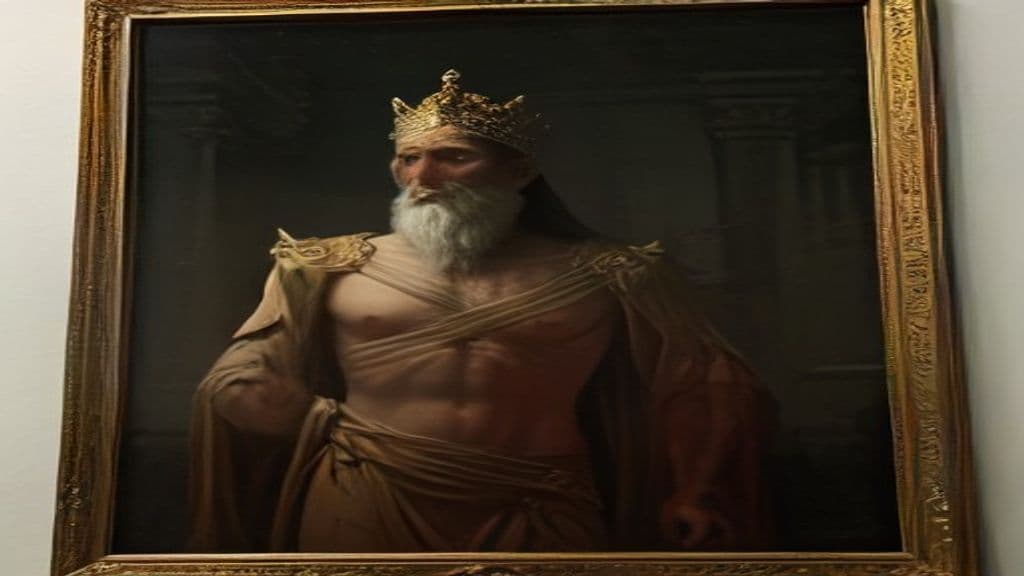
Alcinous
Alcinous (Ancient Greek: Ἀλκίνοος, Alkínoos, "mighty mind") is a legendary human king of the Phaeacians in Greek epic tradition. He is portrayed as an ideal hospitable monarch who receives wandering heroes (notably Odysseus and the Argonauts), presides over feasts and games, adjudicates disputes, and provides ships, gifts, and safe passage. Variant genealogies and island-identifications appear across sources, but his role as a beneficent royal host is consistent.
Ceryneian Hind
A singular, extraordinary deer of Greek myth sacred to Artemis and famed as the quarry of Heracles' third labour; described as unusually large, extremely swift, and ritually dedicated to a goddess rather than merely a wild animal.
Crommyonian Sow
A monstrous wild pig from Greek heroic legend that terrorized the region around Crommyon on the Isthmus between Megara and Corinth. The creature — also called Phaea in some accounts — is slain by the culture-hero Theseus and appears in variant traditions as either an extraordinary beast or as a human outlaw nicknamed 'Sow.'
Deucalion of Crete
Deucalion of Crete is a mytho-historical Cretan king in Greek tradition, named among the Argonauts and the Calydonian Hunters and placed in genealogies as a son (often eldest) of Minos. He functions as a heroic/dynastic figure within the Age of Heroes rather than as a divine or supernatural being.
Erigone (daughter of Aegisthus)
Erigone (Ἠριγόνη) in these sources is a mortal figure of Greek heroic genealogy: daughter of Aegisthus and Clytemnestra, placed in the post‑Trojan‑War cycle of kin‑slaying, prosecution, and succession. She is attested as both an accuser associated with bringing a charge regarding matricide before Athenian judicial memory and, in several accounts, as the later wife of Orestes.
Ialmenus
Ialmenus (Ancient Greek: Ἰάλμενος) is a mythic heroic figure of the Greek heroic age, described in ancient catalogue traditions as a son of Ares and Astyoche, twin brother of Ascalaphus, an Argonaut, a suitor of Helen, leader of an Orchomenian contingent at Troy, and—according to later tradition—a survivor who founded a colony in Colchis.
Leitus
Leitus is a human heroic figure of the Greek epic tradition: a Boeotian leader, admiral of twelve ships at Troy, an Argonaut, and one of Helen's suitors. He is attested in Homeric catalogues and later genealogical traditions and is remembered for martial deeds and a tomb at Plataeae.
Megareus of Onchestus
Megareus of Onchestus is a mytho-historical king and warrior-ally from ancient Greek tradition associated with Onchestus in Boeotia and, in some accounts, with Megara as an eponymous founder. He appears in narratives of the Cretan invasion led by Minos, where he comes from Onchestus to aid Nisus and is slain in the conflict; Pausanias records a tomb to him at Megara.
Phrixus
Phrixus is a mortal prince in ancient Greek heroic tradition, son of King Athamas and the cloud-goddess Nephele. Rescued from a plotted sacrifice by a divine golden ram, he flees to Colchis, marries King Aeëtes' daughter, sacrifices the ram and gives the Golden Fleece to Aeëtes, thereby linking Boeotian royal lines to Colchis and providing the origin of the fleece that motivates the Argonauts' quest.
Alcidamea
Alcidamea (also given as Alcidamia) is attested in classical mythographic sources as a mortal woman of Corinthian genealogy: the partner of the god Hermes and mother of Bunus (Bounos). Separately, Alcidamea is the Latinized name used in modern entomological taxonomy for a subgenus of solitary bees (Hoplitis (Alcidamea)).
Alcidice
Alcidice (Ancient Greek: Ἀλκιδίκη, Alkidíkē) is presented in the supplied sources as an Arcadian princess in Greek mythic genealogy: daughter of King Aleus, wife of Salmoneus of Elis, and mother of Tyro. She functions as a mortal genealogical connector; the sources treat her as a human noblewoman rather than a divine or supernatural being.
Alcimedon
Alcimedon is a personal name borne by several distinct figures in Greek myth and later literary tradition rather than a single supernatural entity. Attestations include a Tyrrhenian sailor metamorphosed into a dolphin for attempting to abduct the infant Dionysus; an Arcadian eponymous hero tied to a plain and family narratives; a Myrmidon commander under Patroclus in the Trojan War cycle; a skilled craftsman mentioned in Virgil's Eclogue 3; and a Locrian companion of Ajax the Lesser slain at Troy.
Community Record
- [1]Argonautica, Book I (Apollonius Rhodius). Apollonius Rhodius, Argonautica, Book I (genealogical passages referring to Jason as son of Alcimede and noting his mother's grief).literary
- [2]Alcimede (mother of Jason) — Wikipedia. Wikipedia entry summarizing classical traditions and giving the Ancient Greek form Ἀλκιμέδη and the meaning 'mighty cunning'.wiki
- [3]Alcimede — Wikipedia (general). Wikipedia summary entry noting name meaning and variant traditions.wiki
- [4]The Argonautica (Internet Classics Archive translation). Translation and presentation of Apollonius' Argonautica Book I passages naming Alcimede as Jason's mother.literary
- [5]Hyginus, Fabulae — summaries (Jason and the Argonauts). Mythographic summaries (Hyginus and compendia) that record variant maternal attributions for Jason and provide contextual mythographic material.literary
- [6]Additional archive and survey summaries referencing Alcimede. Modern survey and item summaries that collect attestations and note variant traditions naming other mothers for Jason.other