
Leitus is presented in the epic tradition as a leader of the Boeotians with variable genealogies: some sources make him son of Alector and Polybule, others of Lacritus and Cleobule, while alternative local traditions describe him as earth-born (a son of Gaia). He belongs to the generation of heroes who sailed with Jason and later took part in the Trojan expedition.
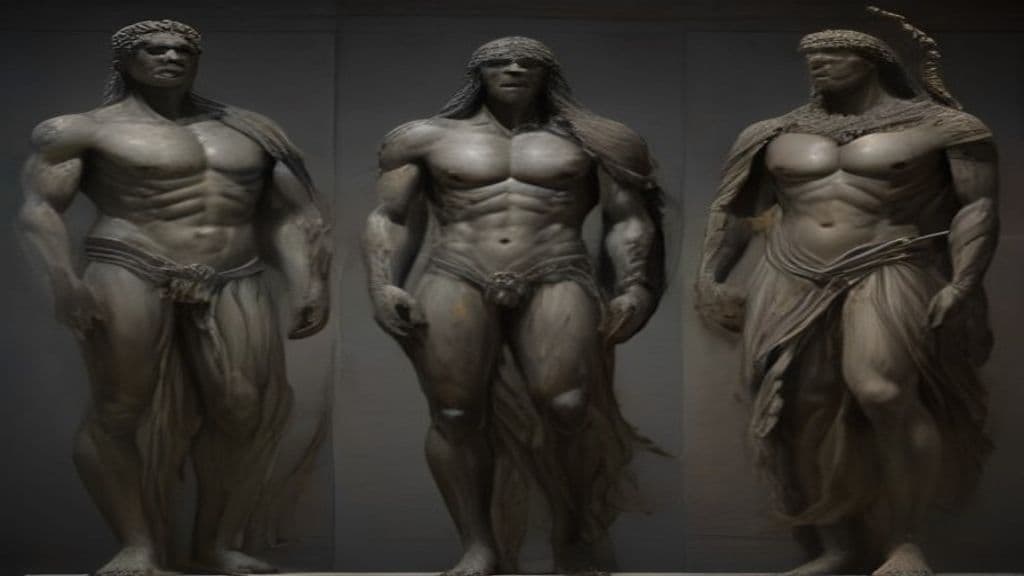
Extant sources supply no detailed physical description; Leitus is known through martial actions and genealogical statements rather than iconographic detail. Homeric narrative records him fighting on the battlefield (for example, slaying Phylacus) and being wounded by Hector on the wrist, implying armed warrior attire but providing no specifics about clothing or build.
Leitus is characterized chiefly by martial skill and leadership: he served as admiral of twelve ships at Troy, fought as one of the Achaean captains, is credited with killing multiple enemies (including Phylacus), and sailed with the Argonauts. He is also reported in one tradition to have safely returned home and to have retrieved and buried the remains of a fallen comrade (Arcesilaus), reflecting duties of recovery and burial.
Abas
Abas (Ancient Greek: Ἄβας, gen.: Ἄβαντος) is not a single mythic being but a recurring personal name borne by multiple mortals and minor mythic figures in Greek epic and genealogical traditions — kings, founders, seers, warriors, attendants, a centaur, and a youth transformed by a goddess. The name is glossed in the sources as 'guileless' or 'good-hearted' and appears across Argive, Theban, Trojan, Euboean, and other local cycles.
Achilles
A legendary Greek heroic figure of epic poetry, son of the sea‑nymph Thetis and the mortal Peleus, celebrated as the greatest of the Greek warriors at Troy whose anger and fate shape events in the Trojan War cycle.
Adrastus
Adrastus (Ancient Greek: Ἄδραστος or Ἄδρηστος) is a legendary king of Argos in the Greek mythic-historical tradition, best known as the leader of the expedition of the Seven against Thebes and as a figure tied to oracular counsel, dynastic marriages, and local hero cults.
Agenor of Troy
Agenor (Ancient Greek: Ἀγήνώρ) is a mortal Trojan heroic figure in the Greek epic tradition notable for confronting Achilles during a rout in Iliad Book 21; Apollo carries Agenor away in a veil of mist and then impersonates him to distract Achilles, allowing the Trojans to reach safety. Later authors vary about his battlefield kills and his eventual death.
Ajax (Aias)
Ajax (Ancient Greek: Aias) is a human heroic figure of the Trojan-cycle tradition and the tragic protagonist of Sophocles' play Ajax. In the surviving tradition he is a mortal Salaminian warrior celebrated for physical strength and martial reputation whose wounded honor, rage, and resulting suicide are the focus of Sophocles' drama.
Ajax the Great
Ajax the Great (Ancient Greek: Αἴας, Aíās) is a mortal heroic figure of the Trojan War cycle, famed as a towering, steadfast Greek champion and defender of the Achaean ships. Prominent in Homer’s Iliad, he is portrayed as second only to Achilles in martial standing and as a paragon of defensive strength and reliability.
Alcimede
Alcimede (Ancient Greek Ἀλκιμέδη, 'mighty cunning') is a mortal woman of heroic-age Greek myth: daughter of Phylacus and Clymene, wife of Aeson, and in several traditions the mother of the hero Jason. She functions as a genealogical and maternal figure in the Argonautic cycle rather than as a supernatural being.
Alcinous
Alcinous (Ancient Greek: Ἀλκίνοος, Alkínoos, "mighty mind") is a legendary human king of the Phaeacians in Greek epic tradition. He is portrayed as an ideal hospitable monarch who receives wandering heroes (notably Odysseus and the Argonauts), presides over feasts and games, adjudicates disputes, and provides ships, gifts, and safe passage. Variant genealogies and island-identifications appear across sources, but his role as a beneficent royal host is consistent.
Alcmeonis
A lost early Greek epic poem (Ancient Greek: Ἀλκμεωνίς / Ἀλκμαιωνίς) traditionally counted among the Theban cycle; known only from a small number of fragmentary references, it narrated the story of Alcmaeon’s killing of his mother Eriphyle in vengeance for the death of his father Amphiaraus.
Amphialus (Amphialos)
Amphialus (Ancient Greek: Άμφίαλος, Amphialus/Amphialos, lit. 'of two seas') is a recurring personal name in classical Greek epic, genealogical tradition, and later pastoral/romance literature. The name is applied to several distinct mortal figures — a Phaeacian athlete in the Odyssey, various seafaring companions and suitors in Homeric summaries, a son of Neoptolemus and Andromache in genealogical accounts, and a noble/warrior character in early modern Arcadian romances — rather than to a single supernatural being.
Amphinomus
Amphinomus (Ἀμφίνομος) is a personal name borne by several human figures in Greek tradition, most notably a princely suitor of Penelope in Homer's Odyssey; other bearers appear in local genealogies, a Catanian civic legend, and a later historical record as a geometer. The sources treat Amphinomus as mortal personages rather than a supernatural being.
Andromache
Andromache (Ancient Greek Ἀνδρομάχη) is a human figure of ancient Greek literary tradition: the wife of Hector of Troy who exemplifies virtuous fidelity, ritual mourning, and the losses suffered by women in war. She appears in Homeric epic and later classical sources as grieving spouse, captive concubine after Troy's fall, and later queen in post-war narratives.
Community Record
- [1]Leitus — Wikipedia. Wikipedia entry 'Leitus'wiki
- [2]The Iliad — Homer. Homer, The Iliad (catalogue and battlefield passages mentioning Leitus)literary
- [3]Argonautica - Crew List. Argonautica crew list (Leitus attested among Jason's companions)literary
- [4]6545 Leitus — Wikipedia. Wikipedia entry for asteroid named after the mythic Leituswiki
- [5]Leitus (Myth Index / UVic). Mythological summary entry for Leitusother
- [6]Wikidata: Leitus. Wikidata item for Leitusother