Accounts vary by tradition. In Christian and Western occult writings, the archdemon is framed as a leader of demonic hosts—an infernal analogue to archangels and part of a ranked infernal court beneath a supreme evil figure (Source 1). In Zoroastrian dualism, seven archdemons are created by Ahriman as direct opposites to the seven Amesha Spenta (Source 1). In Islamic and Middle Eastern folkmagic, comparable figures appear as powerful jinn or ifrit—sometimes styled as kings of the jinn or members of an infernal council with jurisdictional roles and assigned days of the week (Source 1). Grimoires such as the Ars Goetia supply lists and ranks (kings, princes) used by occult practitioners to classify and address these beings (Source 1).
The sources do not give a uniform physical description for archdemons as a class. Rather, occult and grimoire material assigns them stately ranks and titles (king, prince, monarch) and lists named individuals (e.g., Bael, Paimon, Beleth, Purson, Asmodey, Zagan, Belial) without specifying consistent corporeal forms; some traditions treat particular named figures with their own iconographies, but the provided notes supply no canonical, class‑wide morphology (Source 1).
Archdemons are described primarily in terms of rank and function: they command subordinate demons or jinn, lead infernal hosts, and act as oppositional counterparts or adversaries to high benevolent entities (e.g., archangels in Christian accounts; Amesha Spenta in Zoroastrianism) (Source 1). In Middle Eastern legends and folkmagic, members of an infernal council have specialised roles—distracting worshippers during prayer, inciting lust, advocating illicit innovations, or serving as means of punishment in the hereafter. Occult and grimoire practices attribute jurisdictional and ritual potency to certain kings of the jinn, who may be assigned to days of the week and invoked or constrained in talismans (Source 1).
Weaknesses
- ritualInvocation of superior or opposing authorities (e.g., angelic names; God)
- ritualBinding by knowledge of names and ranks (use of talismans and sigils according to grimoire practice)
- conditionProcedural jurisdiction: requiring permission or correct day-of-week protocol in some Islamic/folkmagic contexts
Wards
- ritualTalismanic inscriptions of names (Ahmad al-Buni and related talismanic practice)
- ritualSummoning together with the angel responsible for the day (combining jinn-king name with the day's angelic name to compel obedience)
- conditionObservant prayer and correct religious practice (presented in Middle Eastern legends as a preventive measure against distraction by infernal council members)

Archdemon (tradition)
A high-ranking infernal or non‑human spiritual being that functions as a leader, king, or princely figure within hostile supernatural hierarchies. Appears across Christian/occult, Islamic/Middle Eastern, and Zoroastrian contexts as commanding subordinate demons, jinn, or evil spirits and acting in opposition to divine or benevolent spiritual authorities.
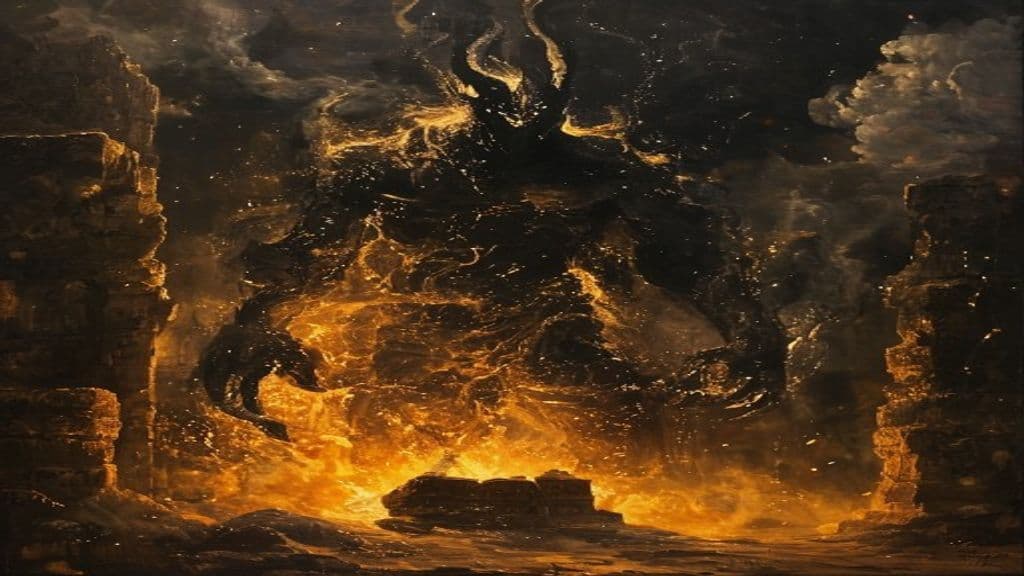
Ifrit
One of the most powerful classes of jinn in Islamic and pre-Islamic Arab tradition — a fire-born being of immense strength and cunning, capable of great works of engineering and terrible violence.
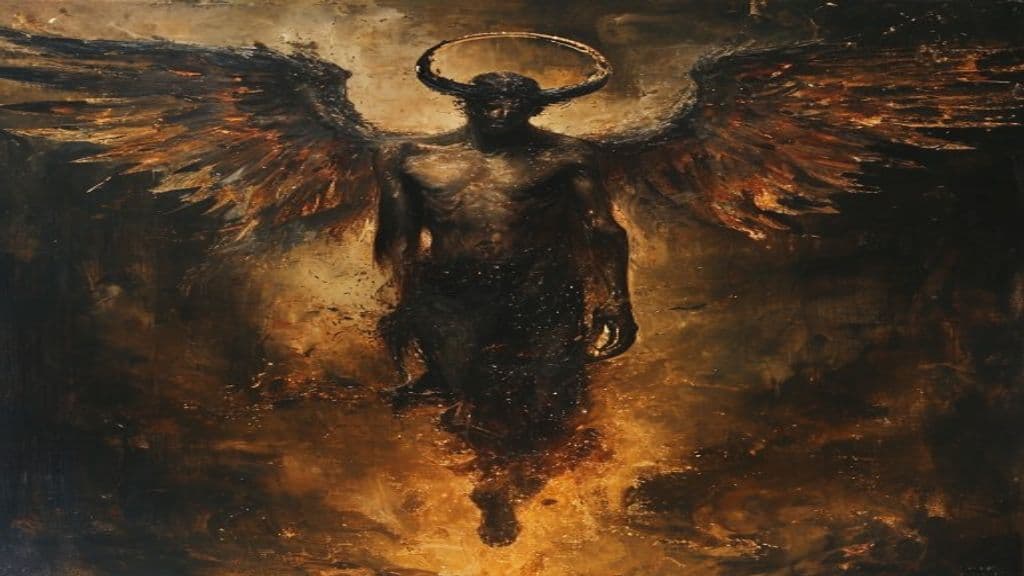
Iblis
The primordial deceiver in Islamic theology; a jinn who refused God's command to bow before Adam and was expelled from heaven. The source of all temptation and whispered suggestion.
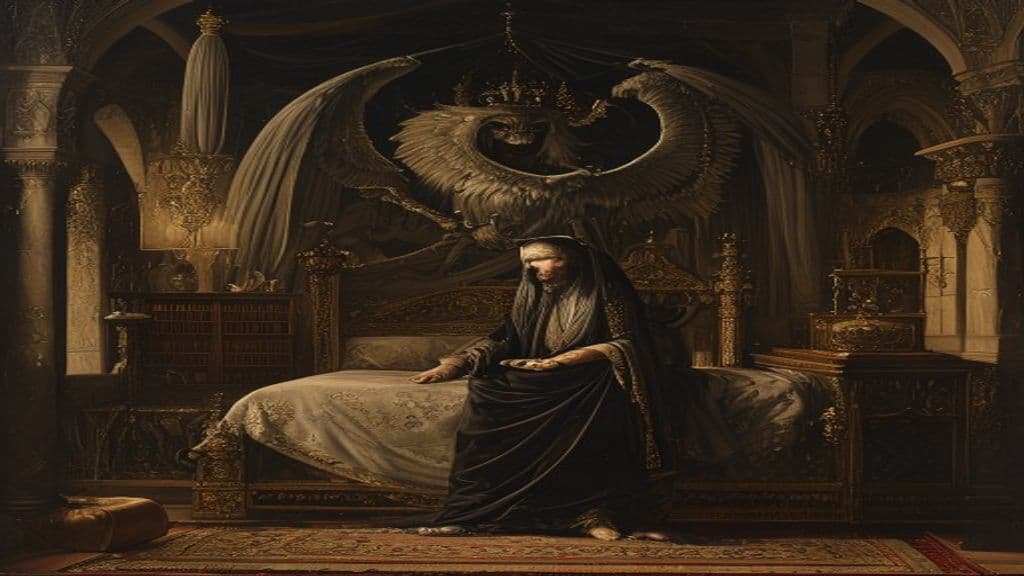
Asmodeus
Asmodeus (Heb. Ashmedai/Ashmeday; Gr. Asmodaios; Arabic Sakhr in some accounts) is a named malignant spirit appearing in Near Eastern Jewish, Christian deuterocanonical, and later Islamic storytelling. Traditions portray him as a princely or kingly figure among malevolent spirits who intervenes in human affairs—notably hostile to marriages and in contest with King Solomon—and who can be driven off or bound by ritual fumigation and angelic agency.

Belial
In Hebrew Bible usage Belial is originally a pejorative term for worthlessness; in Second Temple (Dead Sea Scrolls) literature it is personified as the malign leader of the 'Sons of Darkness', an angelic/oppositional figure who commands hostile spirits and features in Qumran dualist eschatology.
Community Record
- [1]Archdemon. Wikipedia, 'Archdemon' (excerpted survey of traditions and grimoire material).wiki
- [2]archdemon (Wikidata). Wikidata item for 'archdemon'.wiki
- [3]Various media references to 'archdemon' in fiction and games. Examples of modern/media uses cited among provided sources (game transcript referencing an 'Archdemon').other
- [4]An Archdemon's Dilemma: How to Love Your Elf Bride — manga listings. Instances of the term 'Archdemon' in contemporary manga and media (listed among provided sources).other
- [5]Archive and music/creative files referencing 'Archdemon'. Additional media references included in source list supplied by user.other