
No mythic origin narrative for Bindus survives in the extant sources. The deity is known from Roman-period epigraphic and archaeological contexts: votive altars and inscriptions dated to Flavian times through the 3rd century CE, including at least eleven votive documents from Privilica (near Bihać) and inscriptions found in Dardanian areas by the rivers Ibër and Drin. Dedications were produced in Roman-style formulae and sometimes by Romanized local elites and soldiers, indicating a locally maintained cultal presence in the Roman imperial period rather than a preserved native creation myth.
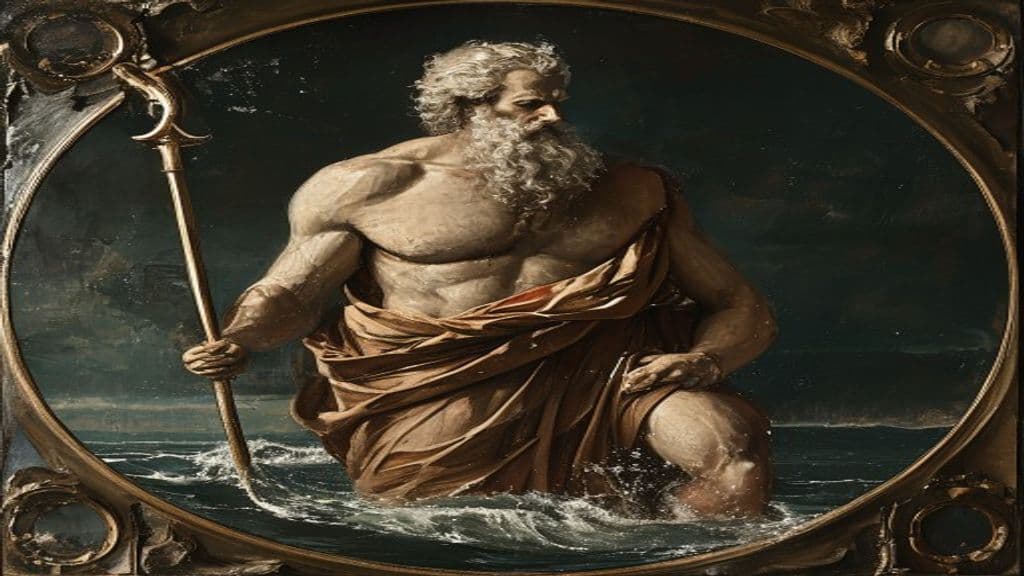
There is no surviving literary description of Bindus's physical form. Iconographic evidence on one altar shows maritime imagery associated with the dedication: a figure depicted with an oar and a dolphin on one side and a triton with an oar on the other. These motifs are cultic symbols found on material associated with Bindus but do not constitute a standardized, textually attested portrait.
The sources do not record narrative deeds or enumerated supernatural powers. Scholarly interpretation of the epigraphy, the altar iconography (oar, dolphin, triton) and the placement of altars at spring-heads supports reading Bindus as a water-associated deity — linked to springs, streams and maritime motifs — and shows epigraphic syncretism with Roman Neptune in votive contexts. Beyond these interpretive associations, no texts describe concrete magical acts, jurisdictional formulas, or ritualized powers.
Abnoba
Abnoba is a Gaulish theonym and toponym attested in Roman-era sources and inscriptions: a localized deity associated with woods, springs and the sources of rivers (notably the Danube) and simultaneously the name applied to a mountain or mountain range in the Black Forest/Baar/Odenwald region. Roman altars equate her with Diana, reflecting syncretic cult practice in frontier provinces.
Billy Blind
Billy Blind is a named household spirit from English and Lowland Scottish ballad tradition who appears as an advising helper in Child ballads, providing information, revelation, and stratagems that enable protagonists to resolve enchantment, identity, and childbirth crises. Attestations are narrative (ballads) and later literary/television adaptations draw on his advising role.
Bilulu
Bilulu is a Mesopotamian divine personification linked to rain clouds and aspects of water; in the Sumerian myth Inanna and Bilulu she raids Dumuzi, is punished by Inanna, and is transformed and reassigned a liminal tutelary role connected to the desert and to reporting libations to the deceased Dumuzi. Theonymic relations to Ninbilulu and Enbilulu are discussed in scholarship but remain uncertain.
Bilwis
A Germanic field- and corn-spirit (one of the Feldgeister/Korndämonen) associated with grain, harvest and weather; portrayed variously in sources as a mischievous household sprite, a healer if propitiated, or a crop‑stealing bogeyman.
Binabinaaine
Binabinaaine (also spelled pinapinaaine) is a culturally specific third-gender role from the Gilbert Islands (now Kiribati) that has been loaned into Tuvaluan usage; it denotes people assigned male at birth who adopt feminine gender expressions, social responsibilities, and roles and are regarded locally as neither men nor women but a distinct social category.
Binah (בינה)
Binah (Hebrew: בִּינָה Bīnā, "understanding") is the third sephirah on the Kabbalistic Tree of Life, a non-personal divine attribute that receives, contains and structures the undifferentiated creative impulse (Chokmah). It functions as an intellectual/metaphysical principle in Kabbalistic cosmology and psychology rather than as an independent, anthropomorphic spirit.
Binbōgami
A kami of poverty in Japanese folklore said to inhabit people or houses and bring sustained lack, misfortune, and domestic hardship. Treated as a negotiable household spirit, it can be driven off, lured away, temporarily enshrined, or transformed by hospitality according to regional tales and ritual advice.
Binette
Binette is documented in the provided sources as a family name appearing in contemporary Francophone/Canadian contexts (film credits, television broadcast, bibliographic records). The available materials do not treat Binette as a supernatural being or provide folkloric, mythological, or etymological information about the name.
Binot
Binot is attested in the provided sources as a French personal and family name, notably borne by the early 16th-century navigator Binot Paulmier, sieur de Gonneville. The documentation consists of archival, bibliographic, and encyclopedic references; no source in the packet presents Binot as a supernatural or folkloric entity.
Birds of Prey (team)
A fictional ensemble of costumed crimefighters originating in American comic books and adapted into television and film; the team name designates a cooperative superhero/vigilante franchise within the DC Comics media universe rather than a supernatural being.
Birongo
Birongo (also bilongo) is an Afro‑Venezuelan magico‑religious tradition and folk‑healing repertoire derived from Kongo‑area concepts and syncretized with Catholic saint veneration and local Venezuelan ritual forms. It functions as a lived system of diagnosis, healing, mediumship, and communal ritual practice rather than as an individual supernatural being.
Biróg
Biróg (also Biroge, Birog of the Mountain) is a female supernatural helper in Irish narrative tradition who aids Mac Cinnfhaelaidh/Cian in gaining access to the imprisoned Ethniu and rescues the surviving infant of that union; later retellings variably portray her as a leanan sídhe (female familiar spirit), a filidh (poet/seer), or a druidess.
Community Record
- [1]Bindus (Illyrian god) — Wikipedia. Wikipedia contributors, 'Bindus (Illyrian god)', Wikipedia, The Free Encyclopedia.wiki
- [2]Proposed Illyrian vocabulary — Wikipedia. Wikipedia contributors, 'Proposed Illyrian vocabulary', Wikipedia, The Free Encyclopedia.wiki