In the primary Greek genealogical tradition Broteas is presented as a son of Tantalus, sibling in the House of Tantalus/Atreus and located in the mythic past of heroic genealogies. Local Magnesian tradition, reported in ancient sources, credits him with having carved the most ancient image of the Great Mother (Cybele) on a cliff-face of Mount Sipylus. In one mythic strand he was a famed hunter who refused to honour Artemis, boasted that fire could not hurt him, was driven mad by Artemis and immolated himself; in other lists he appears as one of the Lapiths killed in the battle with the centaurs. Later literary receptions (notably in Renaissance writers echoing Ovid) recast elements of his parentage, deformity, and the circumstances/location of his death, but these are later adaptations rather than uniform early traditions.
Ancient sources and local tradition describe Broteas as a mortal hunter and genealogical member of the Tantalid lineage; no reliable ancient visual description of Broteas himself is preserved in the cited materials. The most concrete visual correlate in the tradition is the rock-cut relief on Mount Sipylus — a seated image of the Great Mother (Cybele) wearing a polos and holding her breasts — which Broteas is said to have carved. Renaissance accounts sometimes portray Broteas (Brotheus) as deformed, but that physical trait is a later literary addition.
No supernatural powers are ascribed to Broteas in the primary traditions cited: his roles are those of hunter, artisan/credit for carving a cult image, and mythic sufferer. His notable behaviours in the sources are hunting; refusing to honour Artemis (in one version), an act that brings divine punishment in the form of madness inflicted by Artemis and culminating in self-immolation; and, in other lists, participation and death among the Lapiths in the Lapith–centaur battle. He functions etiologically as the purported maker of a sacred image rather than as an active supernatural agent.
Weaknesses
- conditionimpiety leading to divine retribution
Wards
None recorded.
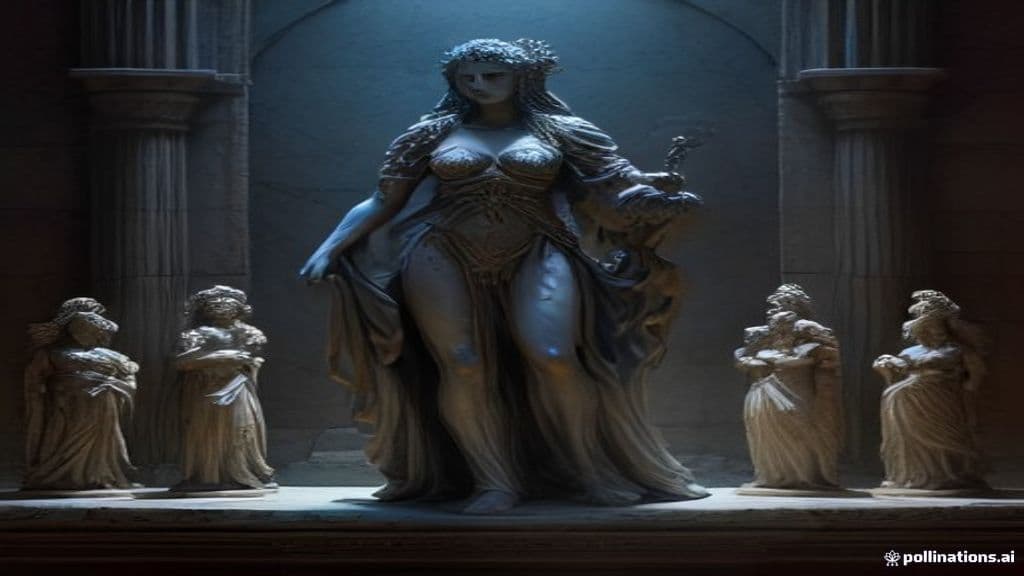
Cybele
An Anatolian mother goddess (Phrygian Matar Kubileya) whose cult centers on mountains, city protection, fertility, and wild nature; adopted and reinterpreted by Greek and Roman religion where she became associated with ecstatic rites, a eunuch priesthood (the Galli), and the Roman Magna Mater cult.

Artemis
Artemis is an ancient Greek goddess of hunting, the wilderness and wild animals, transitions (especially childbirth and puberty), vegetation, and chastity. Twin sister of Apollo and daughter of Zeus and Leto, she functions as a protector of young children and maidens while also capable of inflicting disease or punishment for transgressions against her sacred laws.

Tantalus
Tantalus is a figure of ancient Greek myth: a once-mortal king punished eternally in Hades/Tartarus as an exemplar of hubris and the consequences of violating divine law. His canonical image—standing in water beneath fruit that recedes or branches that elude him, or beneath a suspended rock—functions proverbially to signify unreachable gratification.
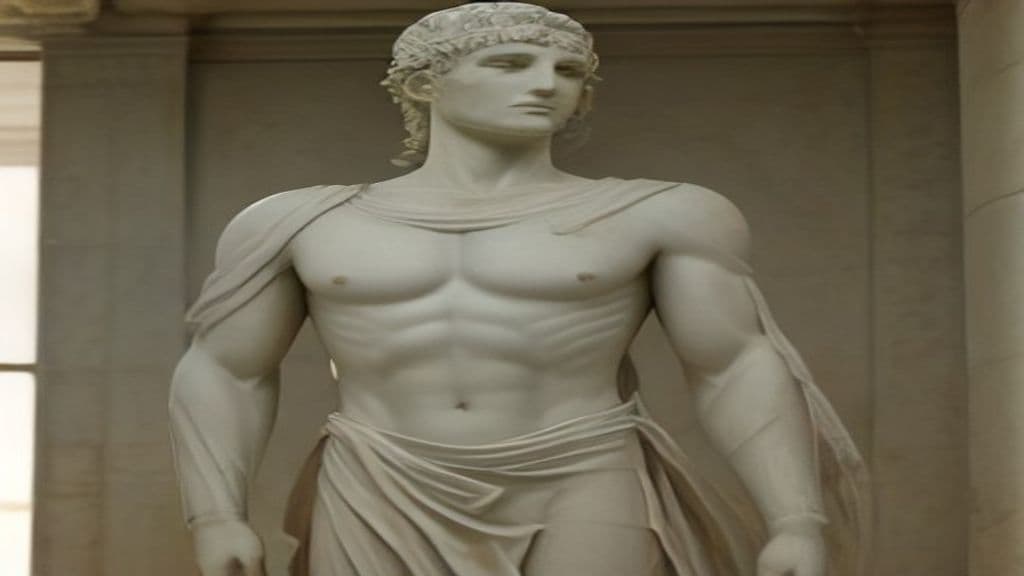
Pelops
Pelops is a mythic heroic-royal figure of ancient Greek tradition, an eponymous founder-ancestor of the Peloponnesus, ruler of Pisa/Olympia, and progenitor of dynasties (notably the House of Atreus). He is both a cult hero venerated at Olympia with chthonic libations and a narrative focal point whose deeds generate a long-lasting familial curse.
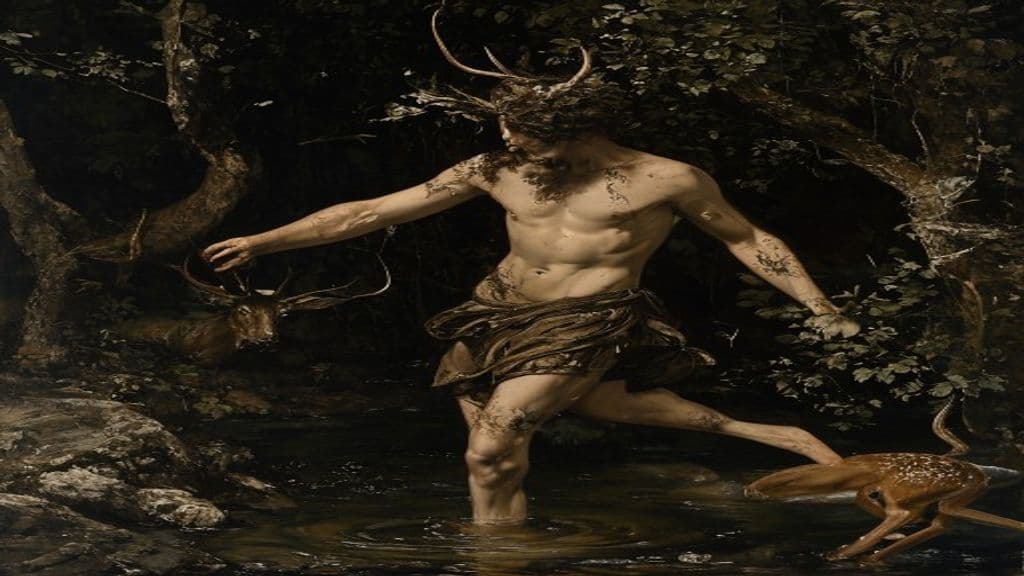
Actaeon
A mortal hunter of Greek myth who, in multiple traditions, is transformed into a stag and torn apart by his own hounds after transgressing the goddess Artemis. He functions as a mythic exemplar about proper deference to divine boundaries and, in some locales, became the focus of cultic rites and memorials.
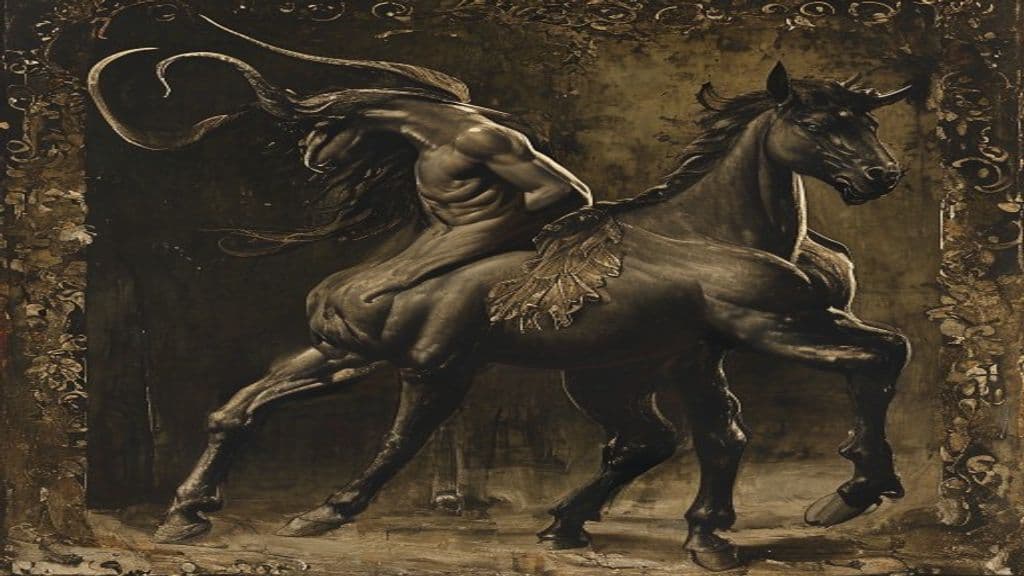
Centaur
A mythic hybrid from ancient Greek tradition with the upper body of a human and the lower body and legs of a horse. Centaurs appear as a tribal population associated with mountainous and wooded regions of Greece and embody tensions between human social order and untamed nature.
Community Record
- [1]Broteas (Wikipedia). Wikipedia entry 'Broteas' (summary and references to Pausanias, Apollodorus, Ovid; description of the Manisa/Spil Mount relief).wiki
- [2]Broteas (Wikidata). Wikidata item for Broteas (concise genealogical data).wiki
- [3]Broteas, des Tantalos Sohn. Scholarly article reference confirming Broteas as son of Tantalus and discussing the tradition.academic
- [4]Broteas in Greek Mythology - Greek Legends and Myths. Secondary online summary recounting Broteas as hunter, carver of the Cybele relief, and punished by Artemis.other
- [5]Broteas - GreekMythology.com. Online myth summary reiterating genealogical placement, cultic attribution, and the Artemis punishment motif.other