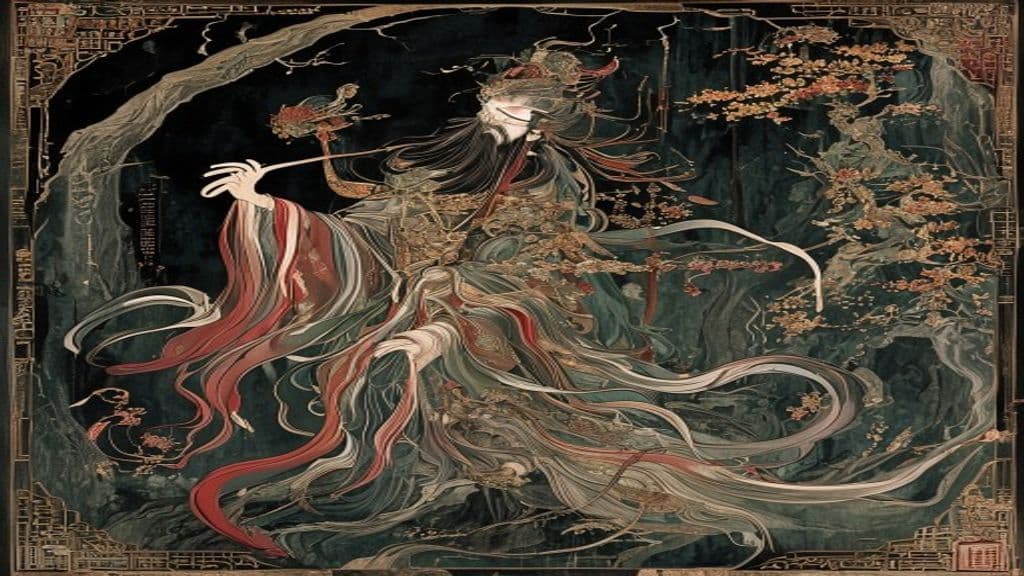
The compound 魑魅魍魎 (Chīmèi wǎngliǎng; Japanese chimimōryō) appears in ancient Chinese chronicles such as the Zuo Zhuan and in later commentaries. Traditional etymological commentary (recorded in classical sources cited by later encyclopedic entries) associates 魑 with a mountain spirit and 魅 with a marsh/swamp spirit, and treats wangliang/mōryō as water/swamp gods; from those images the term expanded into a broader label for spirits arising from the 'strange atmosphere' or life energy of natural features. Medieval and early modern Japanese works (e.g., Wakan Sansai Zue, Wamyō Ruijushō) adopted and reframed the compound within Japanese classificatory systems—at times associating its elements with mountain gods (yama-no-kami), water gods (suijin), oni, or general yōkai—so the phrase functions as a transmitted, adaptable category rather than a single origin myth.
Descriptions vary by the two constituent terms. Chimei are described in classical glosses as spirits 'born from the strange atmosphere of the mountains and forests,' often characterized as transformed from wood and stone and depicted with a human face and an animal (four‑legged) body. Wangliang (mōryō) are described as emerging from mountains, water, trees and rocks; reported features include the appearance of a child standing on two feet, dark red skin, red eyes, long ears, beautiful hair, and a voice resembling a human's. Later Japanese sources sometimes treat mōryō with oni‑like imagery or as water deities; modern media recycle and vary visualizations widely.
Across sources chimimōryō are described as spirits that arise from the life energy of natural things and that can harm or deceive humans. Wangliang/mōryō in particular are said to 'fool humans' and are reported in classical descriptions to eat the dead; vocal mimicry or a humanlike voice is specifically noted for mōryō. In modern fiction the compound is used broadly for antagonistic supernatural beings, but the traditional accounts supplied do not enumerate uniform magical powers beyond these general behaviors.
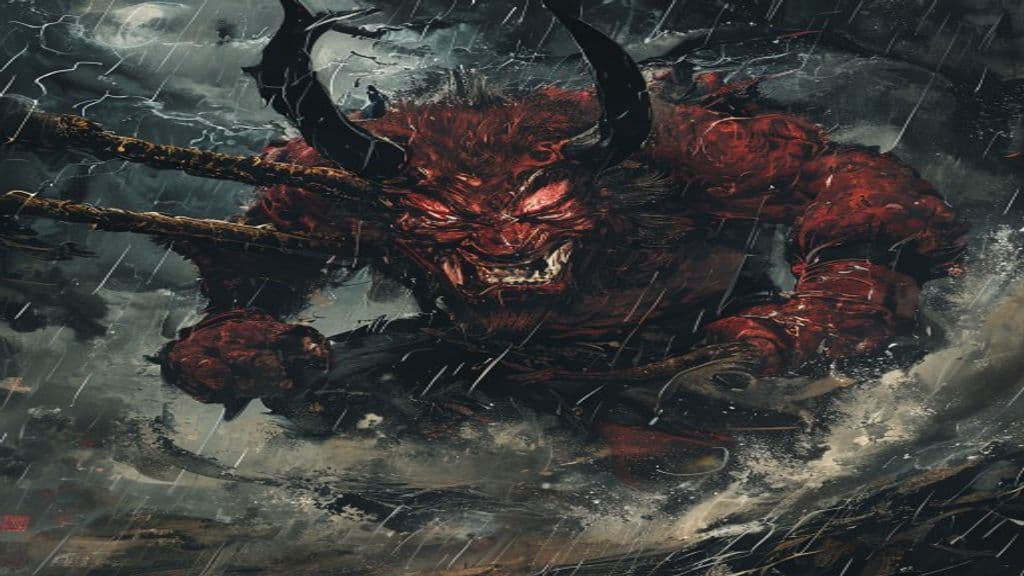
Oni
Powerful supernatural beings of Japanese folklore — associated with misfortune, disease, and the punishment of sinners in hell. Fearsome, often depicted as guardians of the underworld.
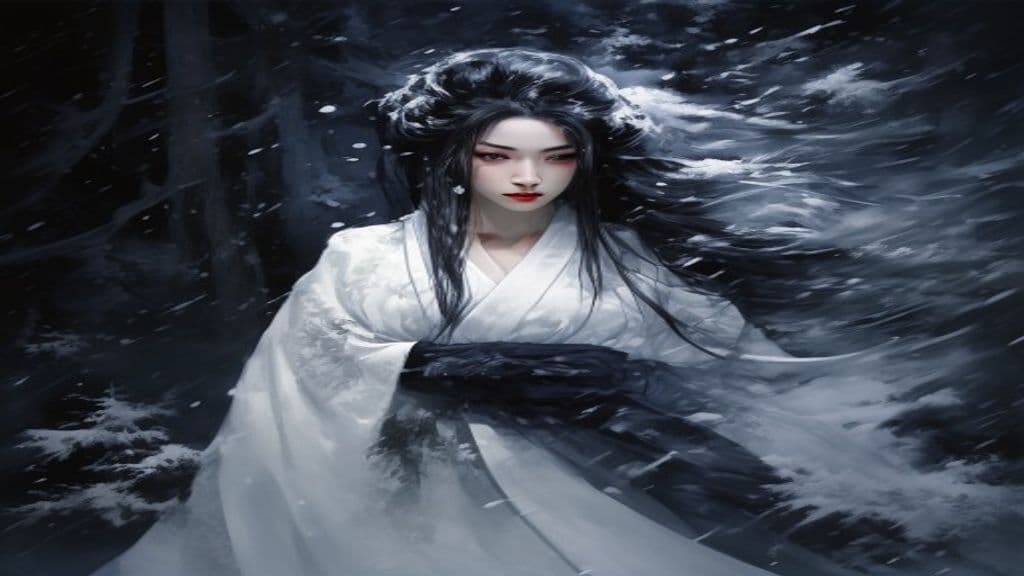
Yuki-onna
The Snow Woman of Japanese folklore — a spirit born of blizzards who appears to travelers lost in snowstorms. Beautiful and lethal, she can show mercy or bring death depending on her mood.
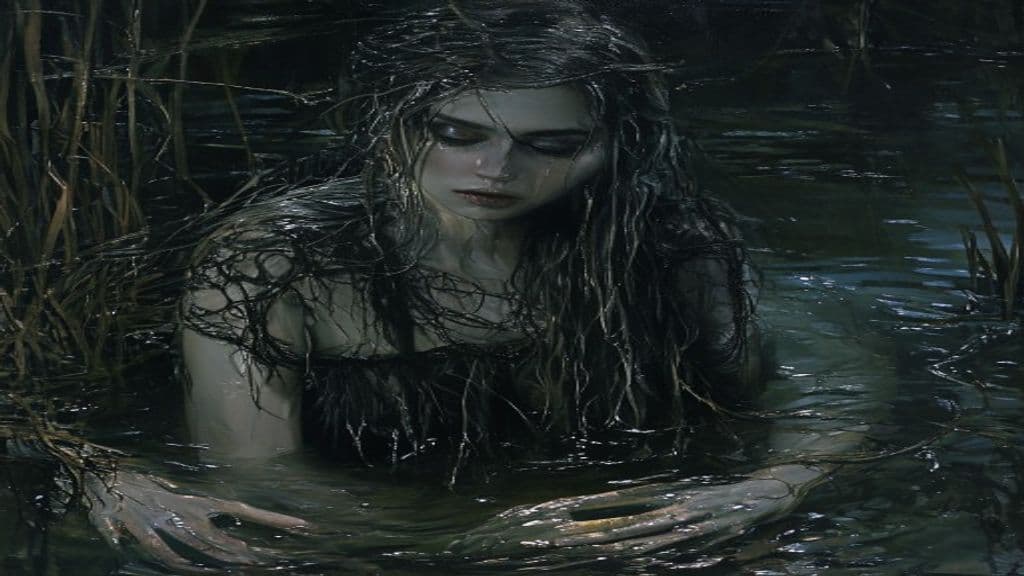
Rusalka
Water spirits in Slavic folklore — the spirits of young women who died by drowning or suicide, bound to rivers and lakes. Beautiful and dangerous, they can bewitch men to their deaths.
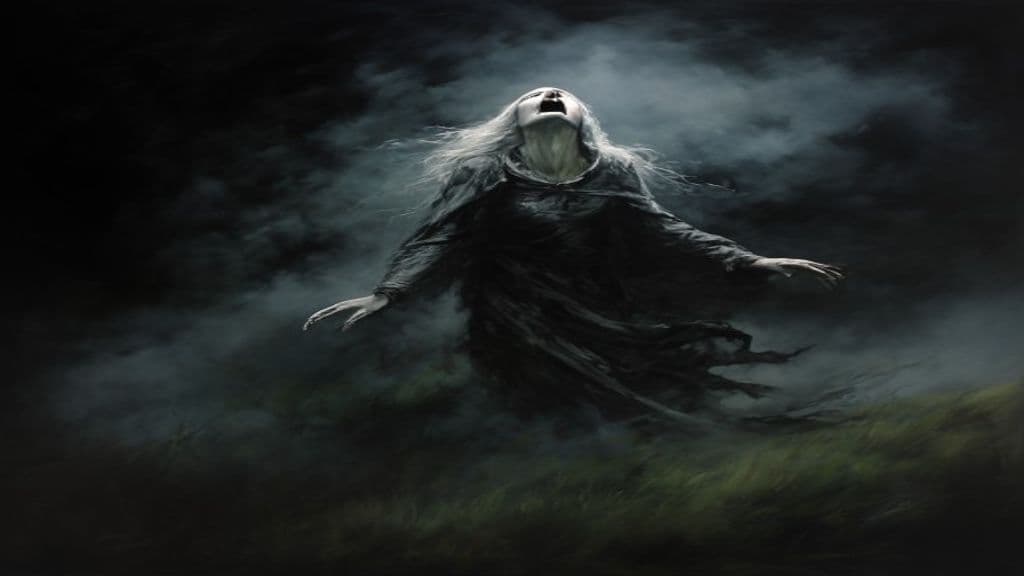
Banshee
A female spirit of Irish and Scottish folklore whose wail heralds an impending death in a family of Gaelic descent. Not a cause of death — a witness to it.
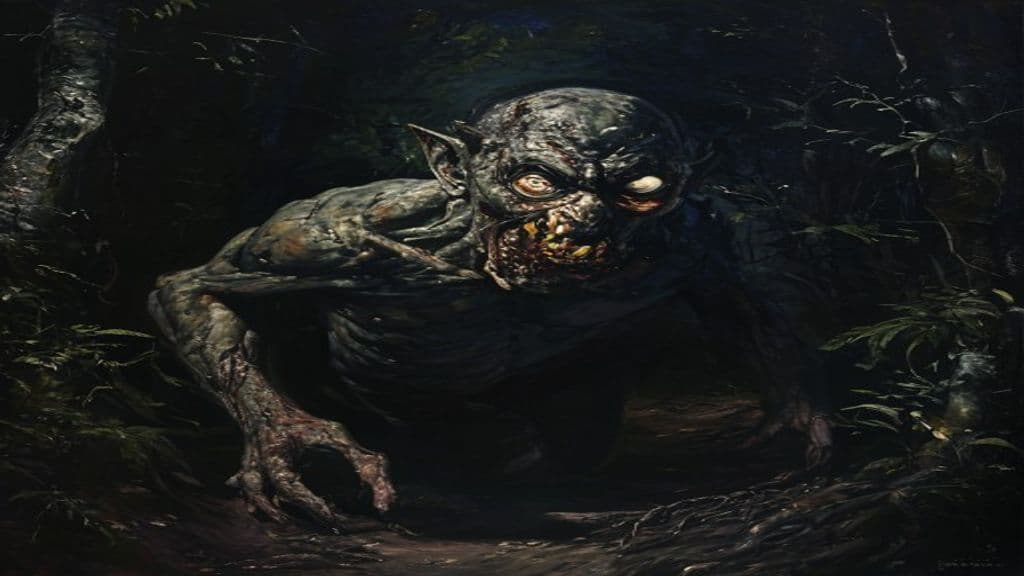
Pishacha
Flesh-eating spirits of Hindu mythology that haunt cremation grounds and are associated with disease, madness, and possession. The lowest class of demon in the Vedic hierarchy.
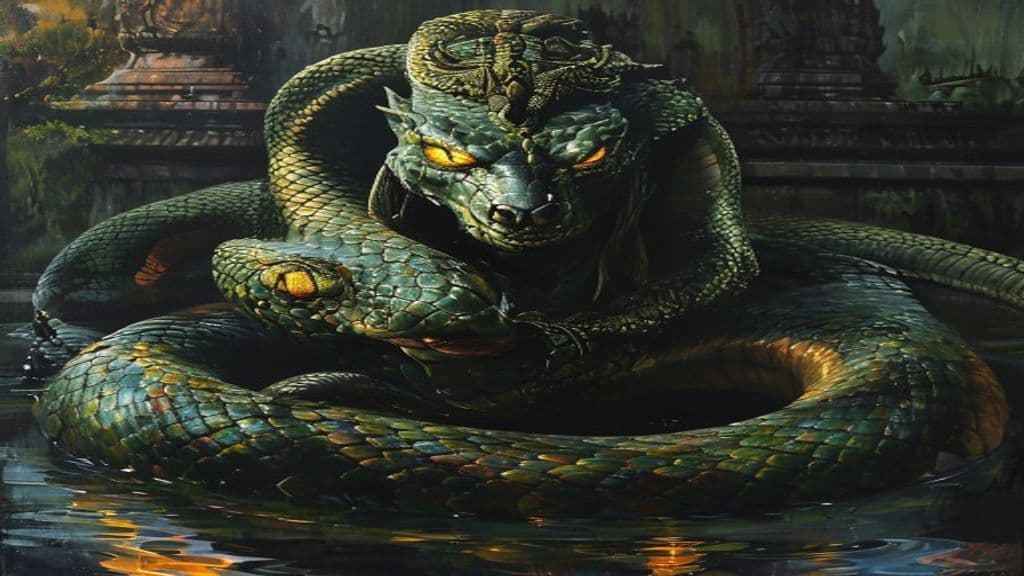
Naga
Divine serpent beings of Hindu, Buddhist, and Jain cosmology — powerful guardians of water, earth, and underground treasures. Revered as deities in South and Southeast Asia.
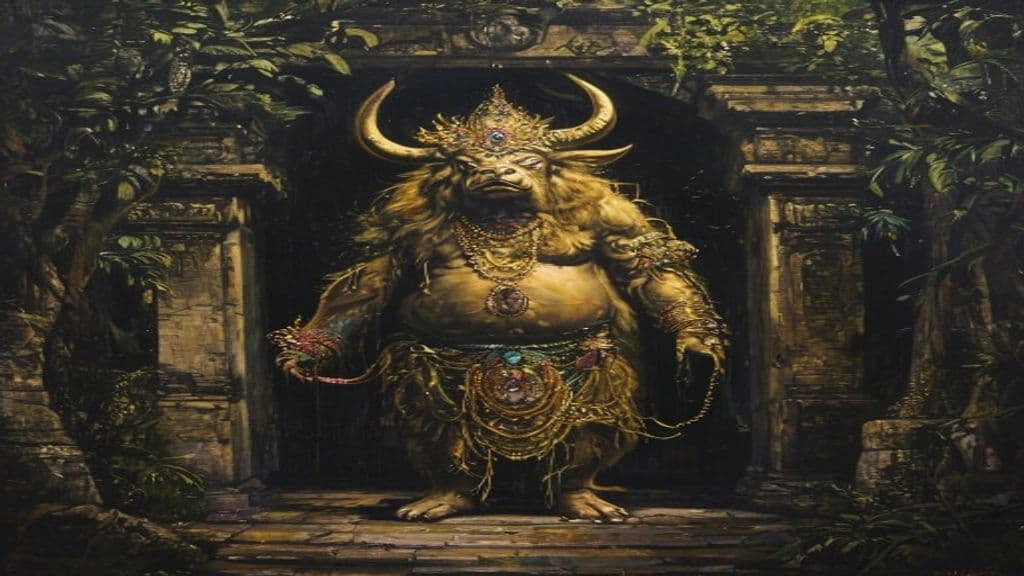
Yaksha
Nature spirits of Hindu, Buddhist, and Jain cosmology — guardians of forests, treasures, and wilderness. Ambivalent beings, capable of great benevolence to the respectful and terrible harm to the greedy.
Chicham spirit-soul traditions (Arutam, Nungüi)
Cluster of interrelated spirit and soul concepts in Chicham (Jivaro) cosmologies, most notably the personal protective soul arutam and the garden/mother spirit Nungüi; beliefs govern protection, sickness, agricultural fertility, shamanic practice, and socially regulated rituals such as killing to renew souls.
Chidambara Rahasiyam
A symbolic representation of a secret message or truth in Hindu tradition, embodying Lord Shiva at the Chidambaram Temple. (Note: * Power tier should be Ancient (as it's an abstract representation and not cosmic, but still at a deity-level) * Origin story is missing * Abilities description needs to be supported by source materi)
Children of Ares
The Children of Ares is an encyclopedic label used for a cluster of recurring antagonists in DC Comics' Wonder Woman mythos, denoting offspring and lieutenants of the war god Ares (Mars) who embody and enact aspects of war and strife across multiple continuities.
Children of Heracles
A group of mortal descendants of the hero Heracles (Hērakleidai) represented in Euripides' tragedy Children of Heracles (performed 430 BCE). In the play they appear as suppliants persecuted by Eurystheus whose fate raises civic, religious, and moral questions rather than as a class of supernatural beings.
Children of Ilúvatar
In J. R. R. Tolkien’s legendarium, the Children of Ilúvatar are the two principal kinds of sentient, created beings—Elves and Men—brought into being by the supreme creator Ilúvatar (Eru) and occupying a central place within Tolkien’s cosmology.
Chimera
The Chimera (Ancient Greek Χίμαιρα) is a monstrous hybrid from Greek myth—traditionally a fire‑breathing composite described with a lion forepart, a goat in the middle, and a serpent hind—portrayed as a destructive beast from Lycia that ravaged cattle and countryside and was slain by the hero Bellerophon. In later tradition its image also appears in visionary or allegorical contexts as an omen.
Chiminigagua
Chiminigagua is the supreme creative principle in Muisca (Chibcha) cosmology of the Colombian Altiplano; described in sources as the primordial source of light who brought the visible world into being and from whom the Sun, Moon and other lesser deities derive. The deity is presented more as a transcendent, often bodiless origin than as a regularly culted, anthropomorphic patron; veneration in practice was channeled through solar, lunar and fertility cults and major sanctuaries.
Chimú (Chimor)
The Chimú (also terms as Chimor when referring to their polity) were a pre-Columbian coastal civilization of northwestern Peru that arose ca. 900 CE, produced distinctive material culture (ceramics, metalwork, textiles), controlled up to ~1,000 km of Pacific coastline, and persisted until conquest by the Inca under Topa Inca Yupanqui around 1470 CE. Archaeological evidence from Chimú-associated sites indicates ritual activity including human sacrifice, but the provided sources treat Chimú as a historical culture/polity rather than a supernatural being.
Chin
Chin is a named male numinous figure attested in colonial-era Spanish descriptions of certain Maya groups (notably Verapaz and reports from the Itzá) as having demonstrated sexual intercourse with other male deities and humans; his actions are cited etiologically in those sources as a precedent for regulated same-sex practices in some Maya communities. The surviving extracts do not present Chin with a full cult biography, ritual prescriptions, or iconographic identification in primary indigenous texts.
Chindi (Navajo)
In Navajo tradition, a chindi is the negative energy or miasma left behind after a person dies. (Note: 1. Power tier should be revised as Primordial, since it's described as "everything that was negative about the person's life" and its effects are not limited to a specific region. 2. Sensory cues shou)
Chinese dragon (long / loong)
A central legendary zoomorphic being in Chinese myth and culture (Chinese: long / loong), the dragon embodies auspicious cosmic and ancestral power, especially mastery over water and weather, and functions as an imperial and communal emblem across material culture, ritual performance, and state iconography.
Chinese ghosts
Spirits of deceased persons in Chinese folk belief, integrated with ancestor-worship and syncretic Buddhist ideas; often conceived as potentially malevolent if neglected or provoked, while some deceased become honored ancestral spirits through proper ritual care.
Community Record
- [1]Chimimōryō (Wikipedia). Wikipedia, 'Chimimōryō' entry (summarizing classical Chinese and Japanese sources and modern uses).wiki
- [2]Miracle Psychicer Seizan (archive summary mentioning chimimōryō). Archive.org item summary referencing 'Chimimōryō (evil spirits of the mountains and rivers)' in a modern OAV plot summary.other
- [3]Berserk Wiki — Chimimoryo. Fandom/Berserk community entry noting the manga's use of 'chimimoryo' as a label for an astral/evil spirit encountered by characters.other
- [4]Chimimoryo A Soul Of Demons (movie poster / film reference). Reference to a 1971 kaidan film using the term 'Chimimoryo' in its title, illustrating modern cultural reuse.other