
Mythic materials and local manuscripts (for example Tantu Pagelaran, Wawacan Pohaci, Wawacan Sulanjana and related Wawacan texts) place Dewi Sri in cosmogonic and origin narratives for the rice plant. Scholarly summaries record two complementary historical strands: a prehistoric, autochthonous rice-goddess cult tied to early rice domestication in the region, and a later layer of syncretism in which Dewi Sri is equated or identified with the Sanskritic Sri/Lakshmi within Hindu-influenced religious frameworks. Both the indigenous agricultural origin and later Sanskritic assimilation are attested in the regional literature and ethnographic studies cited for the tradition.
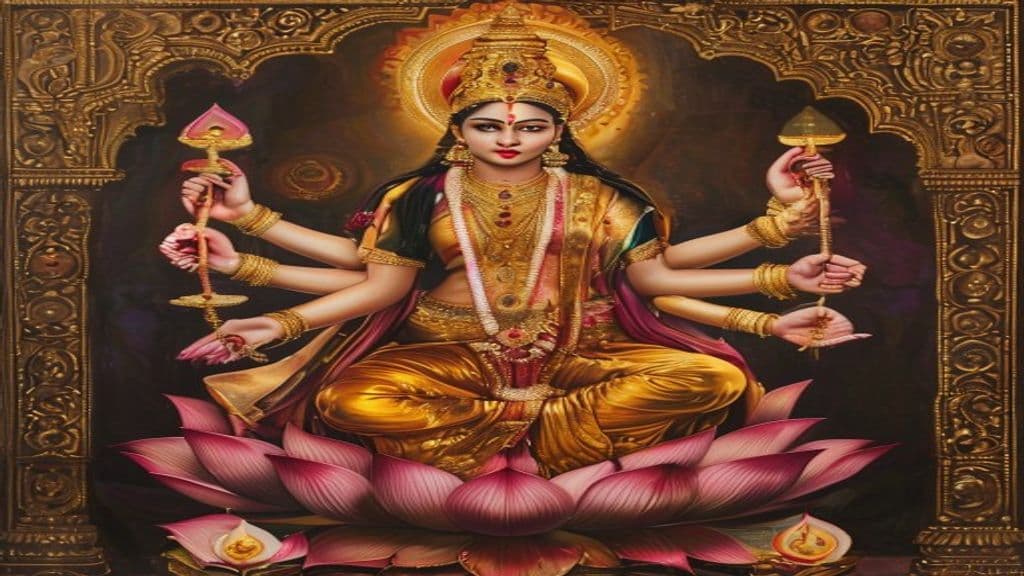
Iconographic references in local sources emphasize rice-related attributes rather than a standardized bodily description. A distinctive attribute recorded in Indonesian depictions is Dewi Sri holding a sprig of rice (noted specifically as held in her left hand in some accounts). Beyond this rice imagery, sources supplied do not give a consistent, detailed physical description; epithets and honorifics (e.g., Nyai, Dewi) present her as a feminine, often maternal figure.
Dewi Sri is believed to preside over the rice plant and, by extension, fertility, household and communal prosperity, and the avoidance or reversal of famine and scarcity. Her favor is sought for successful cultivation and rice surpluses; conversely, crop failure and hunger are framed as inverses of her benevolence. She is culturally associated with elements of the paddy ecosystem, including the rice paddy snake (ular sawah), which appears in regional mythic imagery and symbolism.
Weaknesses
- otherNo explicit combative vulnerability recorded; conceptual 'weakness' is framed as influence over fertility and harvests rather than a physical or magical weakness
Wards
- ritualVeneration and offerings to Dewi Sri
Bhoma
Primordial earth deity in Balinese mythology associated with fertility and vegetation. (Note: 1. Power tier should be Primordial, which is correct. 2. Appearance description matches source material; no corrections needed. 3. Abilities: Add "liminal space between wilderness and human settlement)
Dewi Lanjar
Dewi Lanjar is a Javanese/Indonesian female sea spirit often called the Queen of the Northern Sea and closely associated with the coast of Pekalongan (Pantai Utara). In local legend she is a transformed princess who commands jinn, has a recognized palace on the Pekalongan shore, and is paired cosmologically with Nyai Roro Kidul, the Queen of the Southern Sea.
Devil's Grandmother
A named folkloric figure in Northern European (especially German-speaking) tradition who appears in fairy tales and proverbs as the Devil's grandmother (Teufels Großmutter / Teufels Mutter) or regional variants (die alte Frick, alte Fuik). She is ambivalent in function: in some tale cycles a helpful elder who intervenes for mortals, in other regional lore a fearsome sorceress who presides over witch-sabbaths and commands dangerous supernatural entourage.
Devil-Slayer (Eric Simon Payne)
A fictional American comic-book vigilante who is a former cult member turned occult monster-hunter; a human practitioner who combines trained martial and marksmanship skills with a mystically created "shadow cloak" that permits limited dimensional travel and other paranormal effects.
Devils Tower (Lakota Tradition)
A spiritual site with significant cultural and historical importance to the Lakota people, considered a 'bear lodge' for vision quests. (Note: * Power tier: should be Primordial (cosmic in scope), as it's a significant and culturally important site for the Lakota people. * Summary: while accurate, it could be more detailed to reflect the cul)
Dewi Danu
Dewi Danu is the Balinese Hindu water goddess central to the island's Agama Tirta / Agama Tirtha ritual system. She is particularly associated with the crater lake near the peak of Mount Batur and the Ulun Danu Batur temple, where seasonal offerings are made to secure and give thanks for irrigation water that sustains terraced rice agriculture.
Dewi Ratih
Dewi Ratih is a Hindu-derived lunar goddess worshipped in Java and Bali, revered for her beauty and associated with the Moon and the explanation of lunar eclipses. She is honored in recurring Balinese full-moon (purnama) ceremonies that celebrate the Moon's beauty alongside the lunar god Chandra.
Dexamene
Dexamene (Greek: Δεξαμένη) is one of the fifty Nereids, the sea-nymph daughters of the sea-god Nereus and the Oceanid Doris in Greek myth. She is named in genealogical lists of the Nereids but has no individually attested myths or distinct cult practices in the cited sources.
Dexamenus
Dexamenus (Ancient Greek Δεξάμενος) is a name applied to multiple mytho-historical mortal figures in Greek tradition—chiefly local kings or eponymous ancestors associated with Olenus and Ambracia—best known from tales in which Heracles rescues a daughter from the centaur Eurytion. The name literally means 'hospitable' or 'receiver' and functions as a host-figure and genealogical anchor in regional heroic narratives.
Dhadu Monara
In Sri Lankan folklore, Dhadu Monara is a legendary pre-historic aircraft associated with King Ravana's reign. The Department of Archaeology has rejected the story as fiction due to lack of evidence. (Note: 1. Power tier should be Ancient, not Primordial, as it's described as a mode of transportation used by King Ravana, implying deity-level abilities. 2. The Department of Archaeology has rejected the st)
Dhampir
A figure from Balkan folk belief described as the offspring of a vampire and a human. Dhampirs occupy an intermediate social and ontological position — generally living among humans while inheriting certain capacities or markers associated with vampire-kind, and in many traditions are associated with the role of specialist vampire-hunters.
Dhanvantari
Dhanvantari is the divine physician in Hindu tradition, identified as an avatar of Viṣṇu who emerges from the Samudra Manthana bearing the pot of amṛta and is credited in Purāṇic and later accounts with promulgating and systematizing Āyurveda. He appears both as a cosmic being born from the churning of the Ocean of Milk and in later Purāṇic narratives as a terrestrial king/teacher who transmits medical knowledge.
Community Record
- [1]Dewi Sri. Wikipedia: Dewi Sriwiki
- [2]Dewi Sri in Village Garb: Fertility, Myth, and Ritual in Northeast Java. Heringa, Rens. 1997. 'Dewi Sri in Village Garb: Fertility, Myth, and Ritual in Northeast Java.' Asian Ethnology 56 (2): 355–77.academic
- [3]Wikidata: Dewi Sri. Wikidata entry Q25270485other