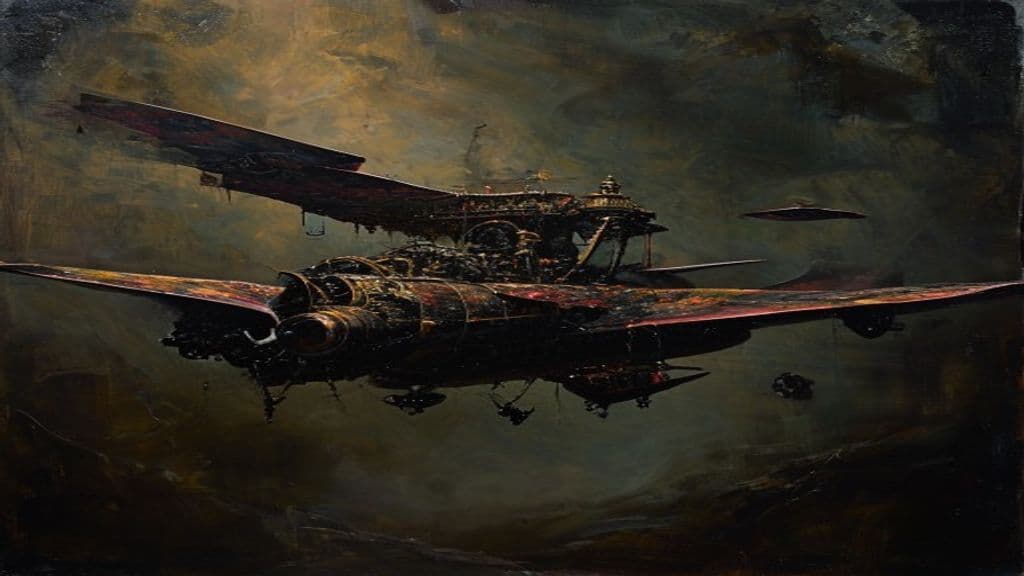
According to legend, Dhadu Monara was used by King Ravana as a mode of transportation among countries under his command.
Dhadu Monara supposedly enabled King Ravana to travel long distances quickly.
Naga People (Lanka)
A class of super-humans inhabiting a subterranean world in Sri Lankan tradition, often depicted as serpents. (Note: 1. Power tier should be Primordial instead of Ancient, given their association with serpent symbolism and cosmic significance in Sri Lankan and Indian mythology. 2. Add sensory cues based on source ma)
Dewi Danu
Dewi Danu is the Balinese Hindu water goddess central to the island's Agama Tirta / Agama Tirtha ritual system. She is particularly associated with the crater lake near the peak of Mount Batur and the Ulun Danu Batur temple, where seasonal offerings are made to secure and give thanks for irrigation water that sustains terraced rice agriculture.
Dewi Lanjar
Dewi Lanjar is a Javanese/Indonesian female sea spirit often called the Queen of the Northern Sea and closely associated with the coast of Pekalongan (Pantai Utara). In local legend she is a transformed princess who commands jinn, has a recognized palace on the Pekalongan shore, and is paired cosmologically with Nyai Roro Kidul, the Queen of the Southern Sea.
Dewi Ratih
Dewi Ratih is a Hindu-derived lunar goddess worshipped in Java and Bali, revered for her beauty and associated with the Moon and the explanation of lunar eclipses. She is honored in recurring Balinese full-moon (purnama) ceremonies that celebrate the Moon's beauty alongside the lunar god Chandra.
Dewi Sri
Dewi Sri (also Shridevi, Nyai Pohaci Sanghyang Asri in Sundanese contexts) is the indigenous rice-and-fertility goddess of parts of the Indonesian archipelago (Java, Bali, Lombok and surrounding islands). She is a living cultic presence in village ritual life believed to preside over rice, household and communal prosperity, and the prevention of famine; in Hindu-influenced contexts she is often equated or syncretized with the Sanskritic goddess Sri/Lakshmi.
Dexamene
Dexamene (Greek: Δεξαμένη) is one of the fifty Nereids, the sea-nymph daughters of the sea-god Nereus and the Oceanid Doris in Greek myth. She is named in genealogical lists of the Nereids but has no individually attested myths or distinct cult practices in the cited sources.
Dexamenus
Dexamenus (Ancient Greek Δεξάμενος) is a name applied to multiple mytho-historical mortal figures in Greek tradition—chiefly local kings or eponymous ancestors associated with Olenus and Ambracia—best known from tales in which Heracles rescues a daughter from the centaur Eurytion. The name literally means 'hospitable' or 'receiver' and functions as a host-figure and genealogical anchor in regional heroic narratives.
Dhampir
A figure from Balkan folk belief described as the offspring of a vampire and a human. Dhampirs occupy an intermediate social and ontological position — generally living among humans while inheriting certain capacities or markers associated with vampire-kind, and in many traditions are associated with the role of specialist vampire-hunters.
Dhanvantari
Dhanvantari is the divine physician in Hindu tradition, identified as an avatar of Viṣṇu who emerges from the Samudra Manthana bearing the pot of amṛta and is credited in Purāṇic and later accounts with promulgating and systematizing Āyurveda. He appears both as a cosmic being born from the churning of the Ocean of Milk and in later Purāṇic narratives as a terrestrial king/teacher who transmits medical knowledge.
Dhanyamalini
Dhanyamalini (also Dhanyamala, Dhanyamali, Dhanyamālinī) is named in Ramayana tradition as one of Rāvaṇa's wives — frequently listed among his many junior wives — and is cited in some recensions as the mother of notable sons such as Atikāya and, in other versions, Narantaka, Devantaka, and Trishira. The extant sources provided record her relational and genealogical role within Rāvaṇa's household but do not attribute independent deeds or supernatural functions to her.
Dharmanātha
Dharmanātha is the fifteenth Tirthankara of Jainism's present age (Avasarpini). Sources state he attained siddhahood (liberation by destroying all karma) and is portrayed in tradition as a supreme spiritual teacher who establishes the ford (tīrtha) across saṃsāra.
Dharmapāla
In Buddhist traditions, a dharmapāla is a protective deity or guardian whose role is to defend the Dharma (the Buddha's teaching) and to avert obstacles to spiritual practice. Appearing across Mahāyāna and Vajrayāna contexts (notably Tibetan, Chinese, and Japanese), dharmapālas range from local worldly guardians to wrathful enlightened emanations invoked in tantric ritual.
Community Record
- [1]Dhadu Monarawiki