
According to Tolkien's internal mythology summarized in the sources, the Dwarves were crafted by the Vala Aulë in secret during the Years of the Trees because Aulë was impatient for the coming of the Children of Ilúvatar. Aulë made the Seven Fathers of the Dwarves and hid them in stone; Ilúvatar was aware and sanctified them and granted them being. They awoke after the Elves and before Men and were given their own tongue, Khuzdul, by Aulë. Each of the Seven Fathers founded one of the principal Dwarf-clans; Durin I is the eldest and progenitor of the Longbeards (Durin's line).
Canonical descriptions in the supplied sources are limited but consistent in portraying Dwarves as a people derived from Germanic/Norse dwarf traditions: generally shorter and stouter than Elves and Men (reflected in Sindarin exonyms such as Naugrim, 'Stunted People'), often long-bearded (males especially), and bearing the signs of labor and craft in their person — sturdy, stocky physiques suited to mining, smithing, and masonry. Textual summaries emphasize their association with stone and mountain-dwelling rather than providing precise measurements.
Dwarves are unrivalled in mining, smithing, metalworking, masonry, and the crafting of jewels and artefacts; they build vast underground halls and produce famous works (for example the great halls of Khazad-dûm and the mithril-coat). They are long-lived (living to ages on the order of centuries), slow to breed, and socially characterized by strong memory — retaining injuries and benefits across generations — and fierce martial prowess: described as among the most redoubtable warriors of the Speaking Peoples. In the wake of Sauron's artifice, seven Rings were given to Dwarf-lords, which increased greed and wrath but did not bend them to Sauron's dominion; many of these Rings were later reclaimed by Sauron or otherwise removed.
Weaknesses
- conditionslow reproduction / small female population
- conditionsusceptibility to avarice when given Rings (the Seven Rings increased greed and wrath)
- otherinterracial enmities and feuds (long memories of injuries can produce persistent political and military vulnerabilities)
Wards
None recorded.
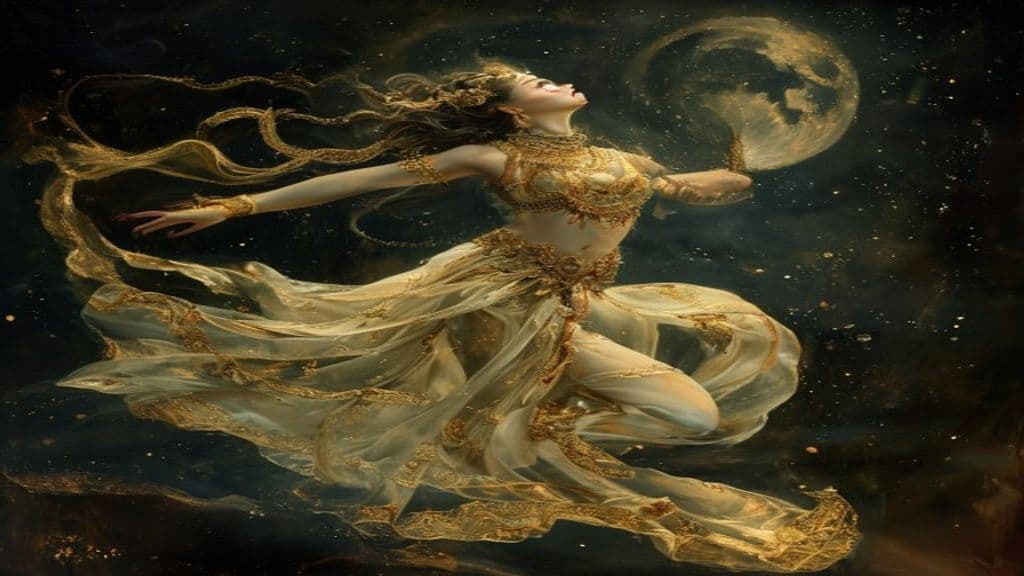
Apsara
Celestial dancers and water nymphs of Hindu cosmology — beautiful semi-divine beings who dance at the court of Indra and, by his command, descend to earth to distract sages from excessive asceticism.
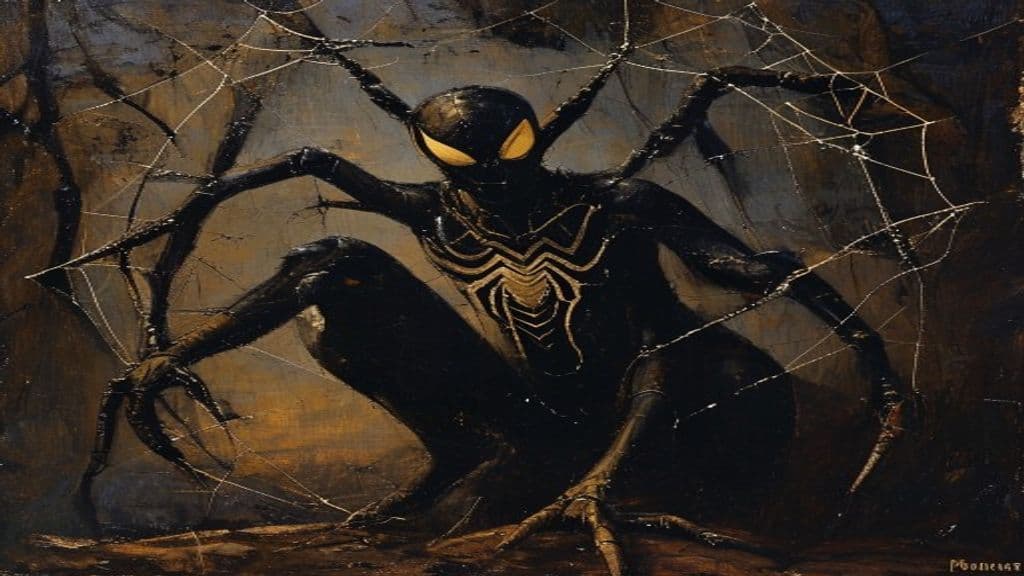
Anansi
The spider trickster god of Akan folklore — cunning, mischievous, and wise. Keeper of stories and teacher of human beings, brought through the slave trade into Caribbean and African-American tradition.
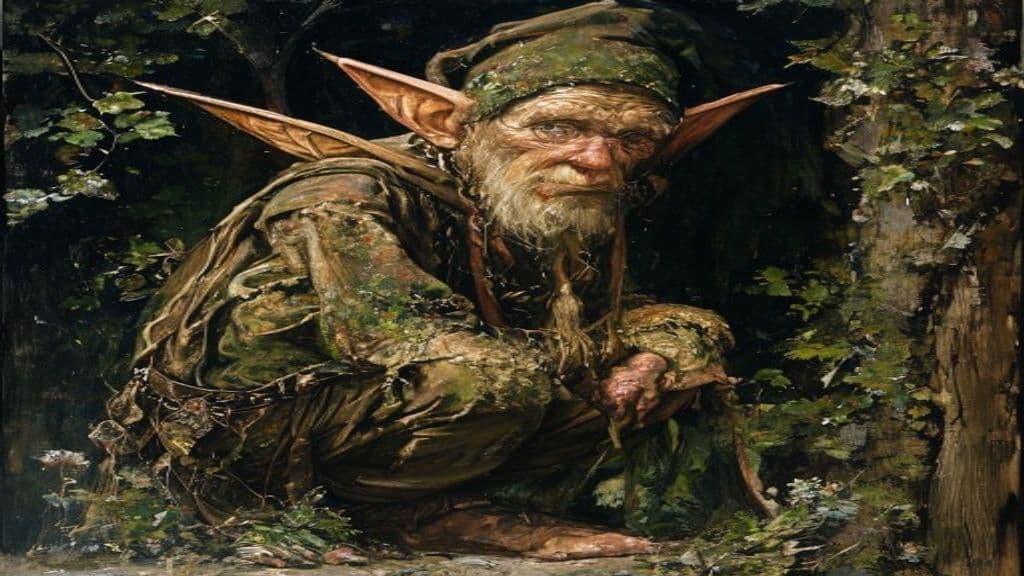
Elf
An elf is a humanoid supernatural being from Germanic folklore, especially prominent in North Germanic (Norse/Icelandic) myth and in later early-modern Scottish and Scandinavian belief. Elves are typically depicted as magically powerful and unusually beautiful, ambivalent toward humans and capable of helping or harming them.
Dusios
A class of continental Celtic (Gaulish) aerial/rustic fertility spirits attested in late‑antique and early‑medieval texts; equated by Christian authors with Pan/Faunus and later with incubi, they are described as aerial beings that may appear bodily, engage in sexual intercourse with women and animals, and at times damage or steal crops.
Duwende
A Filipino folkloric small humanoid being described in source materials as 'smaller people'—normal-looking humans of miniature stature—often compared in English-language descriptions to elves or leprechauns.
Duzakh
In Persian mythology, Duzakh is a place of punishment and suffering in the afterlife. (Note: 1. Power tier should be adjusted to "Lesser" as Duzakh is a specific place of punishment, not a cosmic entity. 2. The origin story and appearance are missing. 3. Abilities could be more specific about)
Dvalinn
Dvalinn is an Old Norse mythic name attested in the Poetic Edda and several sagas applied to at least two distinct figures: a named dwarf among the dwarf-kind (craftsman, rune‑figure, leader in some lists) and one of the four harts/stags that feed among the branches of the world‑tree Yggdrasill. The corpus does not reconcile these uses of the same name into a single coherent biography.
Dvipa (Hindu)
In Hindu tradition, a Dvipa is one of seven islands or continents surrounding an ocean within the multicontinental model of the universe. (Note: 1. Power tier should be "Ancient" as Dvipas are described as part of a multicontinental model and regions of the cosmos, suggesting they have deity-level power. 2. Origin story is accurate but could b)
Dwarf (folklore)
A type of supernatural, human-shaped being in Germanic tradition associated with subterranean places, craft (notably metalwork), and a liminal role between nature and culture. In Norse mythic sources dwarfs function as artisan-makers of powerful objects for gods and occasionally appear in folktales as magical servants bound to objects.
Dyaus
Dyaus (Dyáus; Dyauspitr/Dyauṣpitṛ́) is the Rigvedic daylight‑sky deity and archetypal 'Sky Father' whose union with the earth goddess Prithvi forms the prime parental pair in Vedic cosmology. He functions as a progenitor and sovereignty figure in hymns of the Rigveda and is cognate with the Proto‑Indo‑European daylight‑sky father (cf. Zeus, Jupiter).
Dybbuk
A malicious possessing spirit in Jewish mythology, believed to be the dislocated soul of a dead person. (Note: Power tier should be Lesser or Greater, not Primordial (the entity's power level seems too high for a dislocated soul). Origin story and Appearance sections are missing. Abilities should be more sp)
Dyesebel
Dyesebel is a fictional Filipino comic-book mermaid character created by Mars Ravelo and drawn by Elpidio Torres, widely adapted into films and television. In her stories she inhabits the marine realm, interacts with humans (notably a love interest named Fredo), and in some versions gains full human form via a bargain with a sea-witch.
Dyggvi
Dyggvi (Old Norse Dyggvi/Dyggve, glossed 'Useful, Effective') is presented in the Old Norse legendary-historical tradition as a Swedish king of the Yngling dynasty. He appears in genealogical and saga sources (Ynglingatal, Snorri Sturluson's Ynglinga saga, Historia Norwegiae, and the Íslendingabók succession list) and is said in later summary tradition to have died and become a concubine of Hel, the ruler of the dead.
Dying God (motif)
A comparative-mythology motif in which one or more deities die, are destroyed, or depart permanently from the world; used by scholars and popular writers to explain mythic themes of change, loss, fertility cycles, or cultural transition rather than denoting a single named being.
Dylan ail Don
A mythological sea-being from the Fourth Branch of the Mabinogi (Welsh tradition), born to Arianrhod and immediately assuming the nature of the sea at his baptism; famed for swimming as well as the best fish and later slain by his uncle Gofannon.
Community Record
- [1]Dwarves in Middle-earth (Wikipedia). Wikipedia contributors, 'Dwarves in Middle-earth,' Wikipedia, The Free Encyclopediawiki
- [2]Dwarves — Encyclopedia article (ValarGuild / Bobmoco glossary material). Dwarves entry, Tolkien glossary resources compiled onlineother
- [3]Dwarves (ValarGuild articles). ValarGuild, 'Dwarves' (encyclopedic article)other
- [4]The Geology of Middle-earth (contextual geography of Dwarf regions). Paper on the geology of Middle-earth contextualizing Dwarf habitation (ValarGuild)other