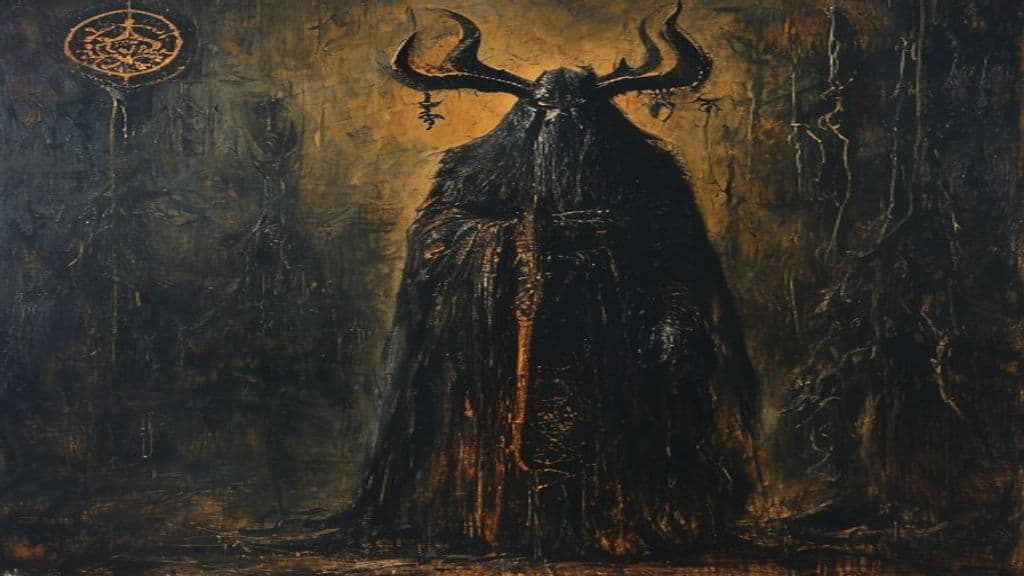
Typically oral and written forms in traditional Finnic literature, with no physical description of supernatural entities.
Used to ward off diseases and injuries, ensure economic prosperity, and effect magical change on the world. Recited as verse spells, often for everyday tasks and social situations beyond just protection and prosperity.
Weaknesses
- disuseFinnic incantations may lose effectiveness if not practiced regularly.
- counter-magicOther magical practices or spells can potentially counteract Finnic incantations.
Wards
- knowledge of traditional Finnic literatureUnderstanding the context and purpose of Finnic incantations can help practitioners avoid their unintended effects.
- recitation of protective charms or spellsReciting specific protective charms or spells may help ward off the potential negative consequences of Finnic incantations.
Figment
Figment is a fictional mascot character created by The Walt Disney Company to personify imagination for the Imagination! pavilion at Epcot. Introduced with the pavilion's Journey Into Imagination attraction, he functions as a narrative device and transmedia corporate character rather than a traditional folkloric or supernatural entity.
Filippo Argenti
Filippo Argenti is a historical 13th-century Florentine nobleman (Adimari family, Black Guelphs) who appears as a named damned soul in Dante Alighieri’s Divine Comedy (Inferno, Canto VIII), located among the wrathful in the river Styx. In Dante’s poem he functions as a recognizable moral exemplum of wrath: he accosts the pilgrim and is subsequently attacked by other wrathful souls.
Fimafeng
Fimafeng is a named serving-man in the hall of the sea-god Ægir in the Norse poem Lokasenna. He is praised for his skillful service at a divine feast and is suddenly slain by Loki, an act that provokes the gods to drive Loki out of the hall.
Fin Fang Foom
Fin Fang Foom is a Marvel Comics extraterrestrial dragon-like monster (a Makluan) created by Stan Lee and Jack Kirby. In-universe he is an alien of great size and power who arrived on ancient Earth, has been awakened and contained multiple times, and whose portrayals range from invader/weapon to a reformed/rehabilitated being.
Fingolfin
Fingolfin is a named Elven king of the Noldor in J. R. R. Tolkien's legendarium. Son of Finwë, he led the greatest host of the Noldor that fled Aman, became High King of the Noldor in Middle-earth after Maedhros renounced his claim, maintained a long siege of Angband, and finally rode alone to challenge Morgoth, wounding him before being slain.
Finn (Frisian)
Finn is a named legendary Frisian king of the heroic age attested in Old English poetry (Widsith, the Finnesburg Fragment) and in the episode preserved within Beowulf. He appears in narratives of inter-ethnic warfare, hospitality, and the uneasy settlements that follow slaughter, sometimes portrayed as ruling honorably over surviving enemy retainers and in other variants as slain in the conflict.
Finnish Mythology
Collective term for the folklore of Finnish paganism, sharing a rich cultural heritage with Estonian, Baltic, Slavic, and Norse mythologies. (Note: 1. Power tier: According to the source, Finnish mythology shares features with Norse mythology, which is considered Ancient (deity-level) in power tier. Greater may be an overestimation. 2. Appearance)
Finwë and Míriel
Principal Elven figures in J. R. R. Tolkien's legendarium: Finwë, first King of the Noldor, and his first wife Míriel, famed for creative craft. Their personal choices — Míriel's voluntary relinquishment of embodied life and Finwë's remarriage and later murder — provoke adjudication by the Valar and have far-reaching legal and historical consequences in the history of the Eldar.
Fir Bolg
In medieval Irish myth the Fir Bolg are presented as a people — the fourth group to settle and rule Ireland in the traditional sequence of successive populations; in modern fantasy they have been re‑appropriated as a race of large, forest‑dwelling humanoids (often rendered 'Firbolg') in role‑playing games.
Fire-breathing monster
A cross-cultural mythic category of monster defined by the ability to expel flame (or fire-like phenomenon) from the mouth or nostrils. Appears in multiple traditions (e.g., Greco-Roman, Hebrew/Biblical, Anglo‑Saxon, Japanese, Philippine, Native American, West African, Mapuche) and in modern fantasy as a recurring trope.
Firebird (Slavic folklore)
A marvelous luminous bird from Slavic folktales, the Firebird (zhar-ptitsa) is a glowing, often fire‑colored bird whose appearance initiates quests and whose possession brings both wonder and misfortune. It functions as a coveted wonder and a dangerous omen within tale cycles.
Firedrake
A term in English tradition for dragon-shaped manifestations of fire observed in the sky; used both as an Old English poetic word for dragon (fyrdraca) and, from the Renaissance onward, to describe luminous aerial phenomena such as meteors or ignis fatuus. Sources treat firedrakes variously as mythic dragons, atmospheric luminous vapors, or morally charged apparitions (e.g., the Devil in dragon form).
Community Record
- [1]