
Kausalyā (Sanskrit Kausalyā, Devanāgarī: कौसल्या) is presented in the Ramayana as the senior queen consort of King Daśaratha of Kosala and the mother of Rāma. The provided Valmiki Ramayana episode summaries place her within the palace household of Ayodhyā and in the narrative timeline of the Ayodhyā Kāṇḍa; she appears in scenes where family duty, ritual observance, and royal succession are at stake (not as a supernatural origin myth but as a dynastic, narrative personage).
The supplied texts do not give an extended physical portrait of Kausalyā (no measurements, dress details, or complexion descriptors in the excerpts). Descriptive material in the available sources emphasizes her actions and emotional responses: she faints on hearing grave news (Ayodhyā Kāṇḍa, Sarga 20), laments in grievous tones, speaks harshly in one passage and later repents and consoles the king (Ayodhyā Kāṇḍa, Sarga 62). These behavioral markers are the primary used descriptors in the cited material.
The sources attribute no supernatural powers to Kausalyā. Her significance is social and narrative: maternal role and maternal speech (Rāma approaches her; she reacts emotionally and instructively), participation in palace ritual life (ceremonial bath and shrine worship alongside other queens), and rhetorical influence within the royal household (her harsh words cause strong reactions in King Daśaratha in the narrative). The excerpts frame her influence as emotional and ethical rather than magical or metaphysical.
Weaknesses
- otherNo supernatural weaknesses attested in provided sources
Wards
- otherNo wards or protections are recorded for Kausalyā in the cited material (she is a human queen, not a hostile supernatural)
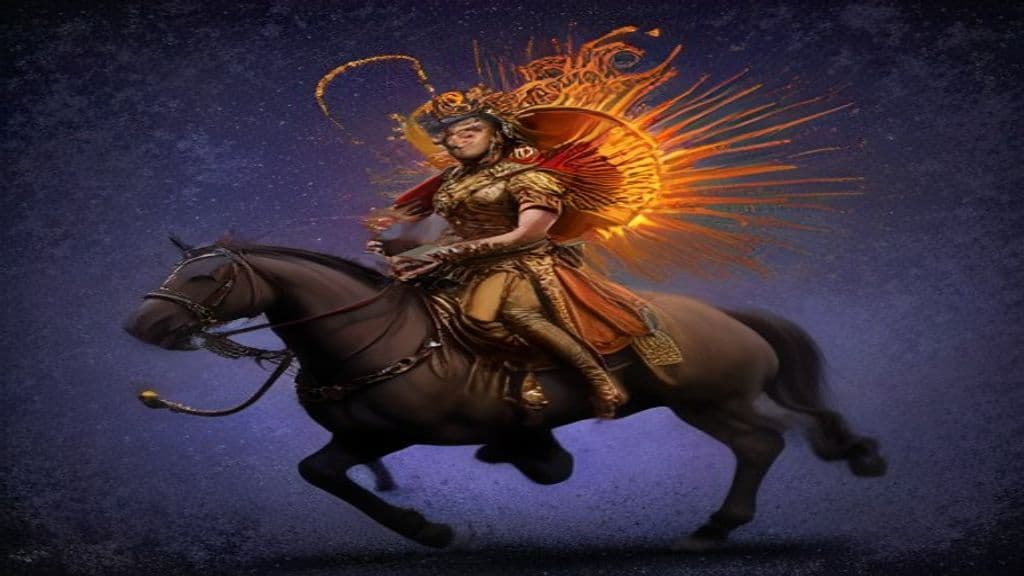
Dasharatha
Dasharatha is the king of Kosala and ruler of Ayodhya in the Ramayana tradition, father of Rama, Bharata, Lakshmana, and Shatrughna. His life in the epic ties royal duty, Vedic ritual (notably the Puthrakamesti yagnam), oath-keeping, and karmic consequence together, culminating in Rama's exile and Dasharatha's death from grief.
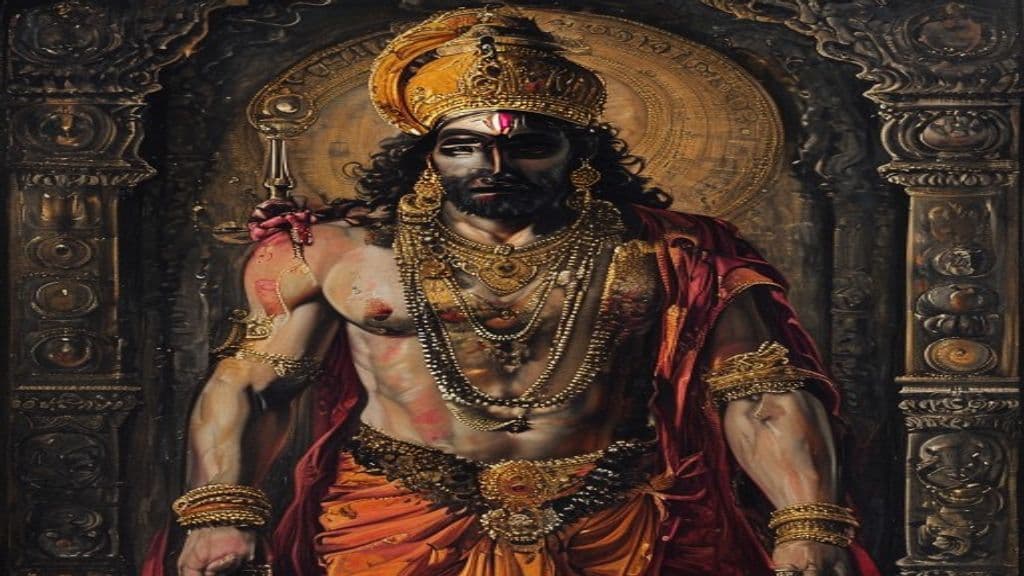
Rāma
Rāma is a major divine-hero in Hindu tradition, worshipped as the seventh avatar of Viṣṇu and the central protagonist of the Ramayana. He is portrayed both as the ideal man (maryāda puruṣottama) and, in Rama-centric sects, as the Supreme Being; his life-story (birth in Ayodhyā, 14-year exile, Sītā's abduction, and the defeat of Rāvaṇa) functions as a primary exemplar of dharma.
Akṣayakumāra
Akṣayakumāra appears in the Ramayana as the youngest son of Rāvaṇa and a warrior sent to oppose Hanuman in the Ashoka Vatika episode; described as about sixteen, he fights bravely from a chariot and is killed by Hanuman.
Kataw
Kataw is a Visayan class of merfolk in Philippine folklore closely associated with sirena/sireno traditions. Some secondary sources and local summaries describe Kataw as occupying a higher social rank among aquatic beings and as associated with the rulership of an aquatic realm called Bantay Tubig, though detailed primary legends and ritual material are scarce in the supplied sources.
Katie King
A named spirit persona in Victorian Spiritualism (1870s) presented by Spiritualist mediums — most famously Florence Cook — as a materialized female spirit figure during physical séances; the manifestations provoked high‑profile investigations and public controversy over whether they were genuine spirit materializations or deliberate fraud.
Kauket
Kauket (also Keket, Kaukēt, Keku) is the feminine member of the Hermopolitan Ogdoad who personifies primordial darkness, especially the darkness associated with sunset and the unformed condition preceding creation. She is paired with the male Kek and is attested in traditions tied to Hermopolis and later funerary/ western symbolism.
Kaukė (mask)
Lithuanian term literally meaning 'mask' (kaukė), attested in Sudovian/East Baltic lexical material and in archival song titles. The supplied sources do not present Kaukė as an autonomous mythic being; instead the word functions as a cultural-linguistic token for masks and masking practices, with lexical links to a verbal root kauk- ('to howl').
Kaulu (Hawaiian Trickster God)
A complex entity in Hawaiian mythology, Kaulu is a trickster god with extraordinary physical strength and magical abilities. (Note: 1. In the Abilities section, "extraordinary physical strength" should be linked to a specific source or explicitly stated as a characteristic unique to Kaulu. 2. Power tier: Downgrade to Ancient (deit)
Kaurava
Kaurava (Sanskrit: कौरव) is a genealogical designation in the Mahābhārata for descendants of King Kuru; in common usage it denotes the hundred sons of King Dhṛtarāṣṭra and his wife Gandhārī who oppose the Pandavas in the Kurukṣetra war. The term functions as a human lineage and narrative category within epic literature rather than a supernatural entity.
Kaushiki
Kaushiki is a theophanic śakti in Hindu literature who issues from the sheath (kosha) of Parvati/Uma/Gauri and manifests as an independent warrior-mother deity to slay the asura kings Shumbha and Nishumbha. The same name appears in Jain literature as Kauśikīvidyā, a named vidyā (supernatural power) associated with certain Vidyadharas whose abilities are ethically conditioned.
Kaustubha
Divine gemstone associated with Vishnu's power, granted to him during the churning of the ocean, acting as a symbol of his divine authority. (Note: * The power tier should be Primordial (not Ancient) since it's a divine gemstone with cosmic significance. * The origin story could be more specific, mentioning that Kaustubha was granted to Vishnu du)
Kaval Deivam
Kaval Deivam (Tamil: guardian deity/spirit) is a category of village guardian spirits in Tamil folk religion charged with protecting village boundaries, people, cattle, fields and communal order. They are indigenous, non‑Agamic figures whose cults include fierce iconography, community festivals and offerings to secure protection and avert misfortune.
Kave
Kave (also attested as Kavet, Kaave, Kaveh; class-name Luonnotar/luonnottaret) is a polyvalent female spirit figure in Finnish and Karelian traditional belief, functioning both as an individual primordial woman and as a class of nature-women invoked in childbirth, healing, and cosmogonic accounts. Regional traditions vary: in some songs kapeet are lunar eaters, in others Kave frees or restores the sun and moon; she is commonly engaged through runic song and spells rather than fixed material cult.
Kaveh the Blacksmith
Mortal hero from Iranian mythology, leading an uprising against Zahāk, a tyrannical ruler. (Note: - Power tier: Primordial (since Kaveh is considered a mortal hero and does not demonstrate deity-level abilities) - Abilities: Add a specific description of how his leadership skills are presented in )
Community Record
- [1]Kausalya - Wikipedia. Wikipedia entry 'Kaushalya'wiki
- [2]Valmiki Ramayana - Ayodhya Kanda - Sarga 20 (prose summary). Valmiki Ramayana, Ayodhya Kāṇḍa, Sarga 20 (prose summary) — Kausalyā faints on hearing news and lamentsliterary
- [3]Valmiki Ramayana - Ayodhya Kanda - Sarga 62 (prose summary). Valmiki Ramayana, Ayodhya Kāṇḍa, Sarga 62 (prose summary) — Kausalyā speaks harsh words, repents, and consoles Daśarathaliterary
- [4]RAMAKATHA RASAVAHINI: chapter 4 (VAHINI.ORG). Chapter summary noting queens' ceremonial bath and palace shrine worship with Vasiṣṭhaother
- [5]Kausalya entry (MythfolkLore). Encyclopedic note that multiple women may be named Kausalyā in tradition (excerpted reference)folk
- [6]Wikidata: Kausalya. Wikidata item for Kausalyāother