
The Norse mythological entities are rooted in the ancient Scandinavian worldview, reflecting their cosmology and spiritual beliefs.
The appearance of these entities varies widely depending on their nature, with gods and goddesses having distinct physical characteristics.
Entities within Norse mythology exhibit a range of powers and behaviors based on their roles, including divine abilities in gods and powerful antagonism in giants.
Weaknesses
None recorded.
Wards
- offeringsSacrifices to the gods
- ritualInter-godly marriage
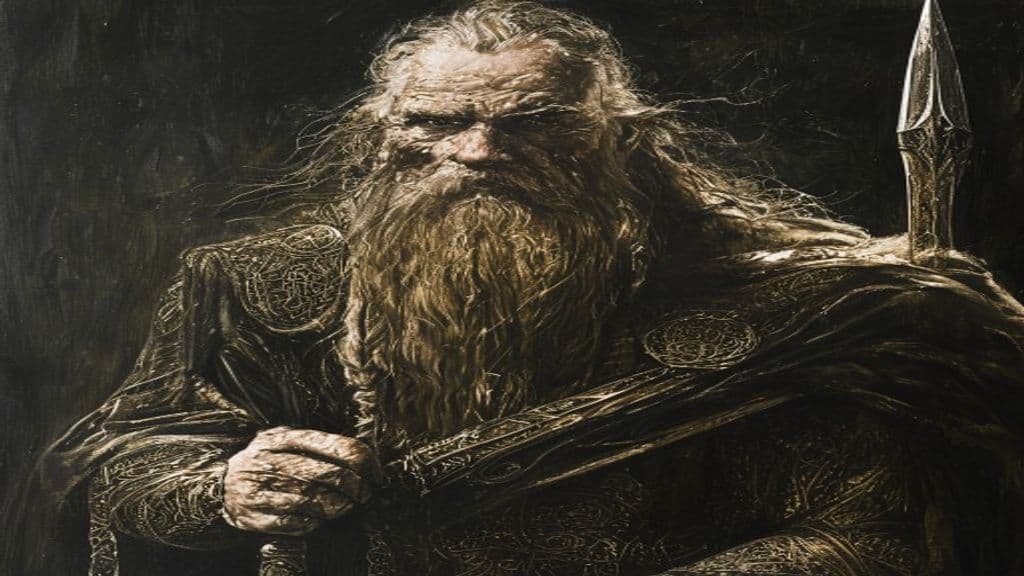
Odin
Odin (Old Norse: Óðinn) is the chief god of the Norse (Æsir) pantheon, a multifaceted deity associated with wisdom obtained by sacrifice, poetic inspiration, death and warfare, and rulership over the hall Valhöll where chosen slain warriors (einherjar) dwell. He appears throughout Germanic tradition from Roman-era accounts through the Viking Age and in later folklore as leader of the Wild Hunt.
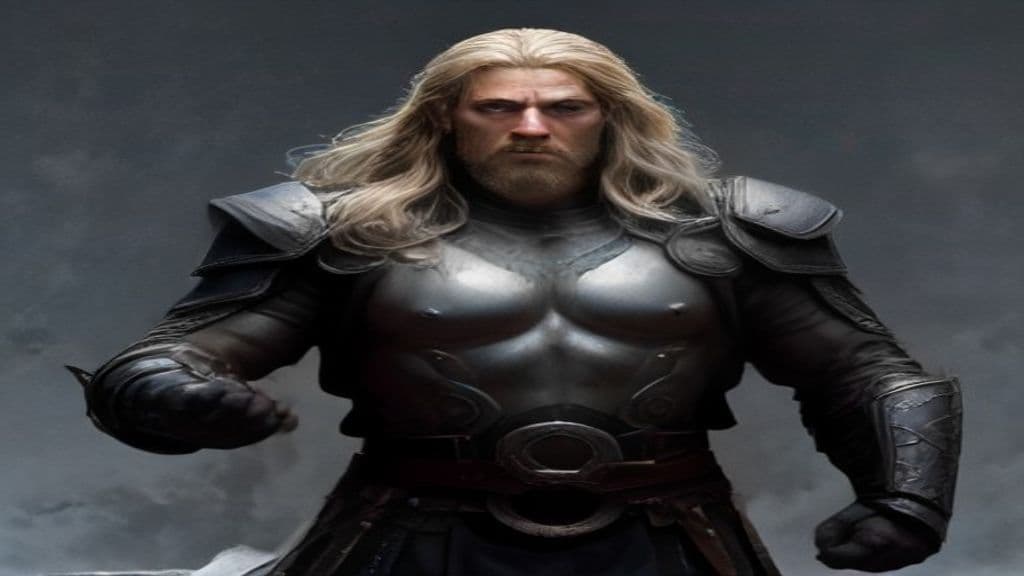
Thor (Þórr)
Thor (Old Norse Þórr) is a central god in the pre-Christian Germanic/Norse religious framework, primarily associated with thunder, storms, strength, protection, fertility, and the welfare of farmers. He is a hammer-wielding warrior who fights monstrous enemies (notably Jörmungandr) and is widely attested from Roman-era Germania through the Viking Age, with ongoing cultural presence in personal and place-names and weekday nomenclature (Thursday).
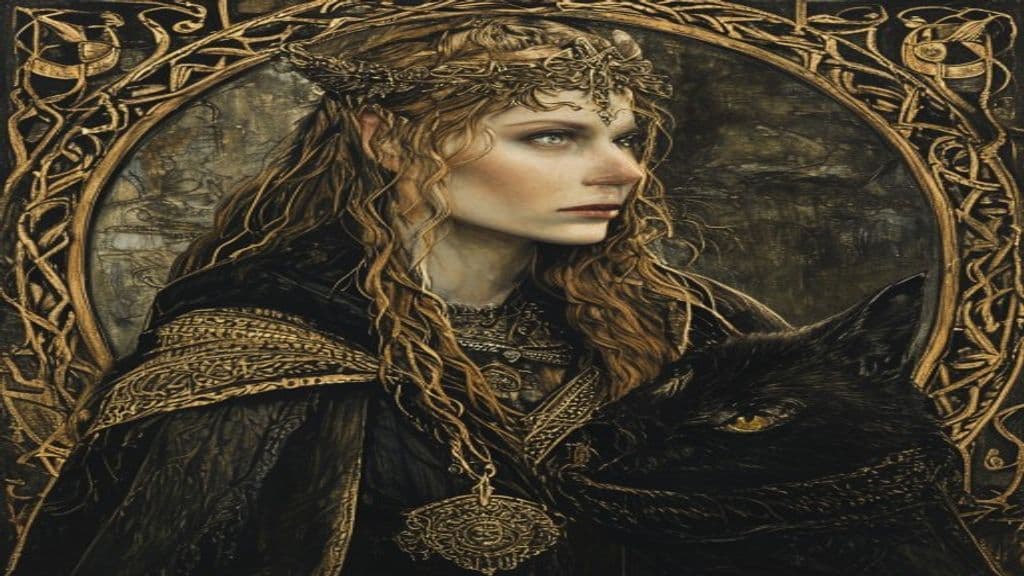
Freyja
Freyja is a major Vanir goddess in Norse mythology associated with love, beauty, fertility, gold, war, and the seiðr form of magic. She rules the field Fólkvangr and the hall Sessrúmnir, where she receives half of those slain in battle, and is attested across the Poetic Edda, the Prose Edda, skaldic poetry, and later Scandinavian folklore.

Æsir
Æsir are the principal gods of Old Norse and wider Germanic religion, used both as a general term for gods and as a specific family of deities contrasted with the Vanir; the term is also attested in some early-medieval English contexts as a label for potentially harmful unseen beings.
Norrœna Society
A publishing house that focused on Norse literature and culture, established in 1892. (Note: - Power tier: Remove (Primordial=cosmic) since the Norrœna Society was a publishing house, not a supernatural entity. - Abilities: Add "Publication of rare and expensive reprints" as an ability, suppo)
Rök Runestone
The Rök runestone is a historical artifact created by humans, marking the beginning of written Swedish literature. (Note: 1. Power tier: Assign a power tier based on its historical significance (None, as it's a man-made artifact) or consider removing this section. 2. Appearance: Remove the description "It can now be seen)
Nommo (West African Tradition)
Primordial ancestral spirits considered sacred by the Dogon people of Mali, associated with water and spiritual guidance. (Note: - Power tier: Primordial (matches description in source material) - Abilities: Remove redundancy, keep only one ability mentioned in source material (Masters of the Water) - Sensory cues: Add informat)
Nonacris
Nonacris (Ancient Greek Νώνακρις) appears in classical sources as a multi-faceted name: an Arcadian town and its springs, a mythic woman associated with that place (wife of King Lycaon in some accounts), and in some sources identified as the naiad of the town's springs. Ancient writers and modern summaries treat the personal and place identities as interwoven rather than wholly separate.
Nootaikok
In Inuit tradition Nootaikok is a spirit bound to large ice masses—described as presiding over and living inside icebergs and glaciers—and is attested as one who, alongside Agloolik, led hunters to seals.
Noppera-bō
A faceless yōkai from Japanese folklore described as an otherwise humanlike figure whose face is smooth and featureless; primarily known in modern sources and popular culture as an uncanny, fear-inducing apparition.
Norse Mythological Beings
Collection of supernatural entities from Norse mythology, including gods, goddesses, and other beings. (Note: 1. Power tier: Incorrectly listed as Primordial (cosmic entities like Yggdrasil), should be Ancient (deity-level). 2. Abilities: Should include control over thunder and lightning, but also specificall)
Norse gods
A category of divine figures attested in Old Norse literature, inscriptions, place-names, and related evidence; members of the indigenous Norse/Germanic religious framework who appear in mythic narratives and were objects of worship and modern commemoration.
Nozuchi
Nozuchi is a polyvalent name in Japanese tradition that appears both as an alternate name sometimes listed for a vegetation/field kami and as a snake- or lizard-like yokai/cryptid in folkloric and popular-media sources. Classical Shinto-oriented material presents Nozuchi among appellations of a protector of fields and ancestor of herbs; folkloric and cryptid accounts treat Nozuchi as a thick-bodied, hammer- or snake-like creature encountered in rural or wild areas.
Nuberu (Ñuberu)
A northwest Iberian sky‑spirit or weather being (singular or plural) that controls clouds, storms, rain, wind, hail and lightning; capable of blessing fields with rain or wreaking destructive storms that endanger harvest, livestock and fishermen.
Nuckelavee
The most terrifying creature of Orcadian folklore — a skinless, horse-headed demon of the sea whose breath spreads plague and whose presence causes crops to wither. It cannot cross fresh water.
Nujalik
In Inuit mythology, Nujalik is named in the sources as the goddess of hunting on land. The available references provide only this basic identification and do not record myths, attributes, or rituals associated with the figure.
Community Record
- [1]The Poetic Edda. Snorri Sturluson (13th century)literary
- [2]