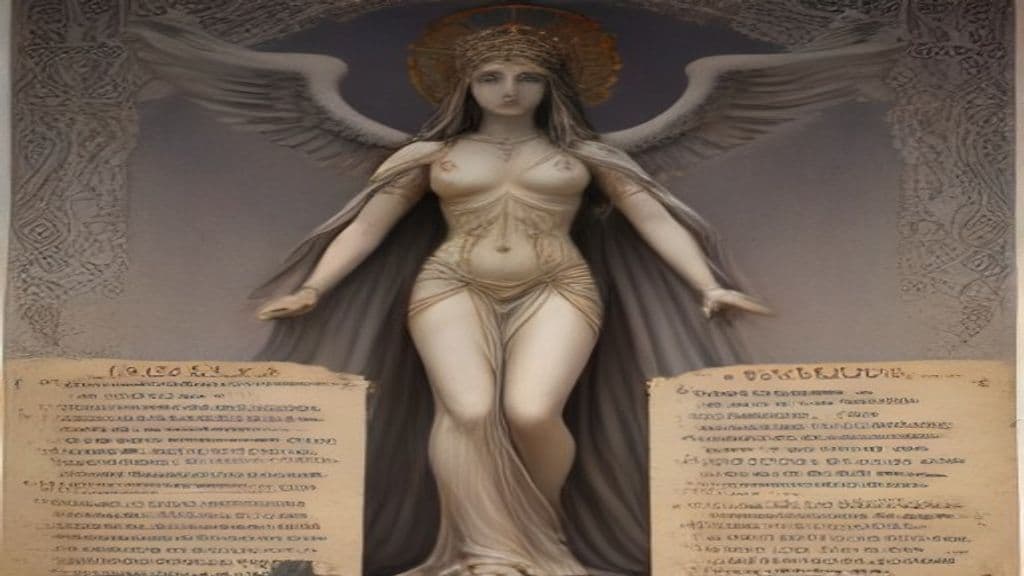
Perimede does not have a single consolidated origin narrative in the surviving sources but recurs as a named woman in multiple regional genealogical traditions. In Thessalian genealogies she is recorded as a daughter of King Aeolus (Aeolus son of Hellen) and therefore placed among Aeolian-descended houses (source: etymology/identification and Aeolian lists). In other accounts she is linked with the river-god Achelous: several summaries state that 'Perimede had Hippodamas and Orestes by Achelous' and that in one variant she was hurled from a cliff by her father and was caught (and later associated) with Achelous (sources: summaries of genealogical variants, cited web summaries). Additional variant attestations connect a Perimede figure with island dynasties (for example, as mother of Astypalaia in one strand) or appear as an alternate name alongside similar maternities in different local lists. These occurrences indicate onomastic multiplicity rather than a single continuous life-story (sources: comparative onomastic notes and multiple compiled lists).
The sources provide no consistent physical description or iconography for Perimede. She is treated as a named mortal woman appearing in genealogical catalogs, with narrative attention concentrated on relationships (parentage, marriage, offspring) and occasional incidents (a summarized variant reports she was hurled from a cliff and rescued by Achelous). No surviving source gives standardized bodily features, costume, or supernatural visage (sources: genealogical lists and summarized accounts).
No supernatural powers or special behaviors are ascribed to Perimede in the cited materials. Her name is etymologized as 'very cunning' or 'cunning all round' (from peri 'around' + medea 'cunning'), which places the name in the semantic field of craftiness, but the surviving citations do not narrate acts of sorcery, magic, or other abilities tied to that meaning. Her functional role in the tradition is reproductive and relational—serving to connect lineages—rather than endowed with demonstrated powers (sources: etymology and genealogical summaries).
Weaknesses
- othernone attested in sources
Wards
- othernone attested in sources
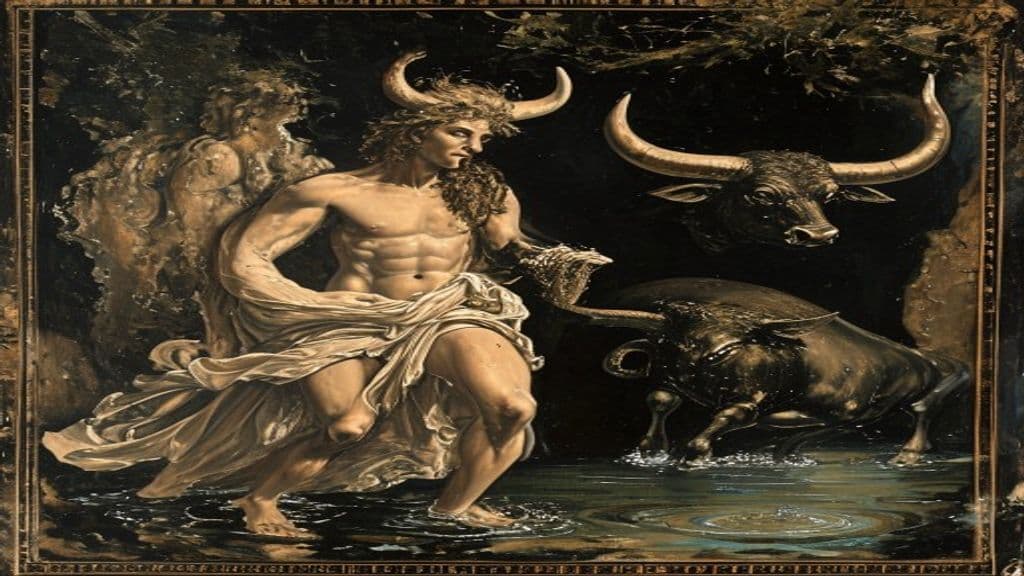
Achelous
Achelous is the personified river-divinity of the Achelous River in ancient Greek religion and mythology. Regarded among the potamoi (river-gods), he is portrayed as a shape-changing elemental deity associated with springs, naiads, and the production of abundance (the horn/cornucopia motif); he appears in myths chiefly as suitor to Deianeira and as Heracles' opponent.
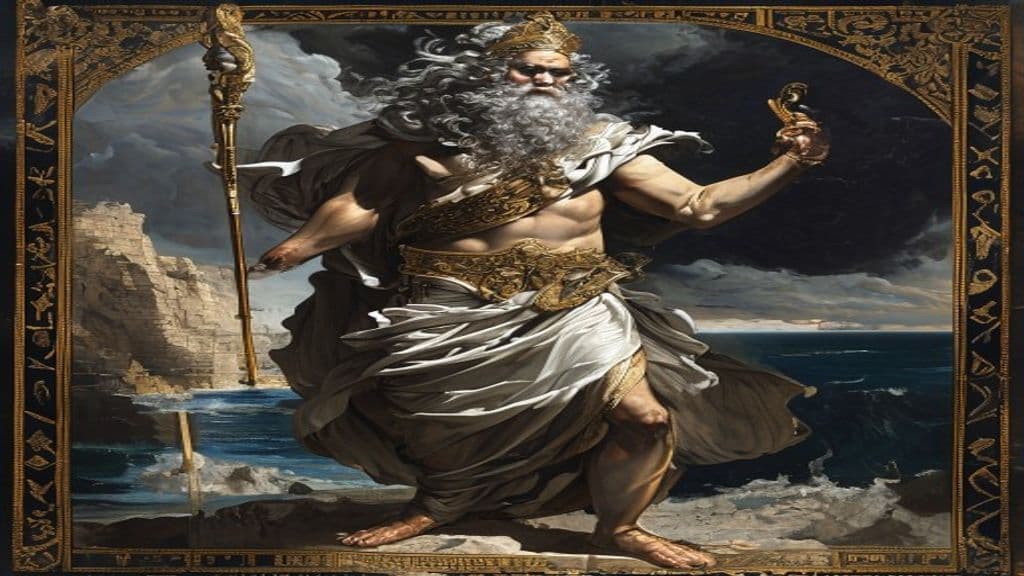
Aeolus
Aeolus is a name applied to multiple related figures in Greek myth: an eponymous son of Hellen (founder of the Aeolian people), a son of Poseidon who led colonial ventures to Tyrrhenian islands, and a son of Hippotes depicted in epic as a ruler or keeper of the winds. Ancient mythographers note confusion and overlap among these persons.
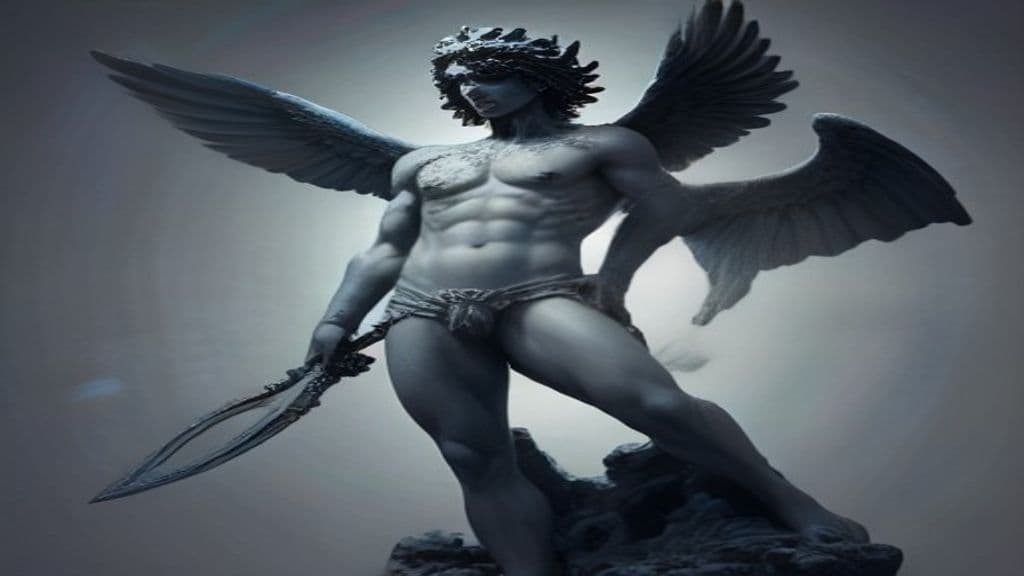
Perseus
Perseus is a legendary hero of ancient Greek myth, a mortal son of Zeus and Danaë famed as a slayer of monsters and founder of the Perseid dynasty; his narrative emphasizes divine intervention (gifts from Hermes, Athena, and Hades), heroic cunning, and eventual placement among the stars as a constellation.
Phoenix (son of Agenor)
Phoenix (Greek: Phoinix) is a legendary mortal prince in Greek mythic genealogies, named as a son of King Agenor of Tyre and presented as an eponymous ancestor of the Phoenicians. He functions primarily as a genealogical and ethnographic figure rather than a supernatural bird or deity.
Polybule
Polybule is a named female figure in ancient Greek myth presented in classical sources as the Boeotian mother of the Argonaut Leitus by Alector in one genealogical tradition; other sources give alternative parentages for Leitus (Lacritus and Cleobule, or autochthony as a son of Gaea). She functions as a mortal ancestral/progenitorial figure within regional heroic genealogies rather than as a supernatural being.
Pereus
Pereus (Ancient Greek: Περέος) is an Arcadian prince in Greek myth attested in genealogical sources as a son of King Elatus and Laodice and father of Neaera. He functions as a mortal node in local dynastic myth rather than as a supernatural being.
Peri (Parī / Pari)
A class of supernatural beings from Persian tale literature and wider Asian folklore, the parī (also spelled peri or pari) commonly appear in narratives involving the supernatural and are often described in sources as winged and immensely beautiful, living in societies likened to human social organization.
Periboea (daughter of Alcathous)
Periboea is a personal name borne by several distinct women in Greek mythic tradition; one attested bearer is named as a daughter of Alcathous (or alternatively of Cychreus of Salamis) who is involved in the Telamon/Ajax cycle and appears in variant accounts that connect her to sacrificial-maiden lists and to Theseus. The name also occurs for Oceanid and Naiad figures and for a foster-mother of Oedipus in other traditions.
Periclymene
Periclymene (Ancient Greek: Περικλύμενη, 'renowned') is a personal name attested in Greek mythic sources for two distinct mortal figures: a Minyan princess appearing in genealogical traditions (mother of several notable offspring in variant accounts) and, separately, as the name of a maenad preserved in vase-painting iconography. The attestations are genealogical and iconographic; no supernatural powers or ritual cult specific to her are recorded in the provided sources.
Perileos
Perileos (Ancient Greek Περίλεως or Περίλᾱος) is not a single supernatural being but a personal name borne by several distinct mortal characters in Greek mythic and epic tradition. The name appears in genealogical lists and episodic narratives as a son of Icarius, a son of Ancaeus of Samos, a defender of Troy, and (as Perilaus) an alleged inventor of the brazen bull.
Perimele
Perimele (Ancient Greek: Περιμήλη) is a name borne by multiple women in Greek myth. The best‑attested Perimele is a mortal daughter of Hippodamas who was loved by the river/sea god Achelous; after her father cast her from a cliff she was kept afloat by Achelous and ultimately transformed by Poseidon into an island of the Echinades. Other mythic women named Perimele appear in genealogical traditions.
Periphas
Periphas is an Ancient Greek personal name borne by multiple distinct mythological figures (kings, princes, warriors, companions, suitors, heralds) rather than a single, unified supernatural entity. Bearers of the name appear across diverse Greek mythic contexts — Attica, genealogical traditions, the Trojan War, Dionysus’ Indian War, and the Danaid narratives — with one notable tale of an Attic king transformed by Zeus into an eagle.
Peristhenes
Peristhenes (Ancient Greek: Περισθένης, lit. "exceeding strong") is a proper personal name attested in ancient Greek mythic genealogies. The name belongs to at least two mortal figures in mythic tradition: an Egyptian prince, son of Aegyptus, and a son of Damastor who is ancestor to Dictys and Polydectes of Seriphos.
Perkwunos
Perkwunos (reconstructed Proto-Indo-European *Perkʷūnos) is a scholarly reconstruction of a Proto-Indo-European thunder- and weather-deity hypothesized to preside over thunder, storms, lightning and fructifying rain. In comparative myth the reconstructed figure appears in a recurring Indo‑European pattern as a sky/thunder hero who combats a multi-headed water-serpent to free life-giving waters; direct PIE cultic texts or iconography are not attested and the reconstruction is inferred from descendant traditions (e.g., Slavic Perun, Baltic Perkūnas, Indic Indra, Norse parallels).
Perkūnas
Perkūnas is the principal Baltic thunder deity attested in Lithuanian, Latvian and Old Prussian/Sudovian traditions, described as the common Baltic god of thunder and cited as the second most important deity in the Baltic pantheon after Dievas. He is associated with sky and storm phenomena as well as social and landscape markers such as law, war, fertility, oak trees, and mountains.
Community Record
- [1]Perimede (Wikipedia). Perimede (mythology), Wikipedia entry summarizing variant genealogical attestations and etymologywiki
- [2]Perimede (Wikipedia general page). Perimede, disambiguation/summary page with etymology notewiki
- [3]Aeolus (son of Hellen) (Wikipedia). Provides context for Aeolian genealogical lists that include a daughter named Perimedewiki
- [4]Archive: LP0003 The Son of Amphitryon (archive snapshot). Archive item containing compiled classical and modern materials where Perimede appears in genealogical contextother
- [5]Archive: LP0003 Son of Amphitryon (alternate mirror). Alternate archive mirror used among supplied materials referencing surrounding genealogical narrativesother
- [6]Web summaries and onomastic notes (compilation of variant attestations). Wikidata entry linked from supplied materials; compilation corroborating multiple attestations and variantsother
- [7]Assorted web compilations and myth summaries cited in research notes. Web compilation of Aeolian genealogies listing daughters and associated variant namesother
- [8]Astypalea (island genealogy summary). Background on island genealogical traditions; cited in notes as context for a variant linking Perimede to Astypalaiaother