
Sources indicate Sagaan Ubgen originated in Mongolian cultural-religious contexts as a pre-Buddhist figure associated with longevity, wealth, and fertility. With the spread of Buddhism, narratives were appended to explain his continued veneration within Buddhist practice — for example, stories in which he meets the Buddha and is declared a saint, or appears as one of two hunters who encounter the Tibetan yogin Milarepa and are converted to Buddhist teachings. Scholarly descriptions frame his cult as part of so-called 'white shamanism,' a label used to describe Buryat shamanic practice that incorporates Buddhist rituals and beliefs.
Conventional iconography presents him as a bald old man with a white beard, dressed in white in cham/tsam performance. Attributes and accompaniments reported in the sources include a dragon-headed staff, a book (described in sources as a book of destiny in some accounts), a deer and a peach tree, and in cham performance a snuff bottle attached to his girdle. In ritual enactments he may at first appear weak or staggering and later be renewed.
Traditional belief locates him as a guardian of life and longevity and a patronal figure for family longevity, fertility, health, and prosperity. Within Buddhistized narratives he is reframed by hagiographic episodes that legitimize his cult in monastic contexts while preserving earlier worldly functions. In the tsam/cham Tiger Dance he symbolically overcomes a dangerous force: he enters feigning weakness, strikes a tiger skin with a stick (symbolically 'killing' the tiger), and is thereby renewed; he then passes among the audience soliciting donations and offering snuff, enacting blessing, renewal, and social exchange.
Weaknesses
- otherNo weaknesses attested in the provided sources
Wards
- otherNo warding practices against Sagaan Ubgen are reported in the provided sources; he is described as a beneficent guardian rather than a hostile being
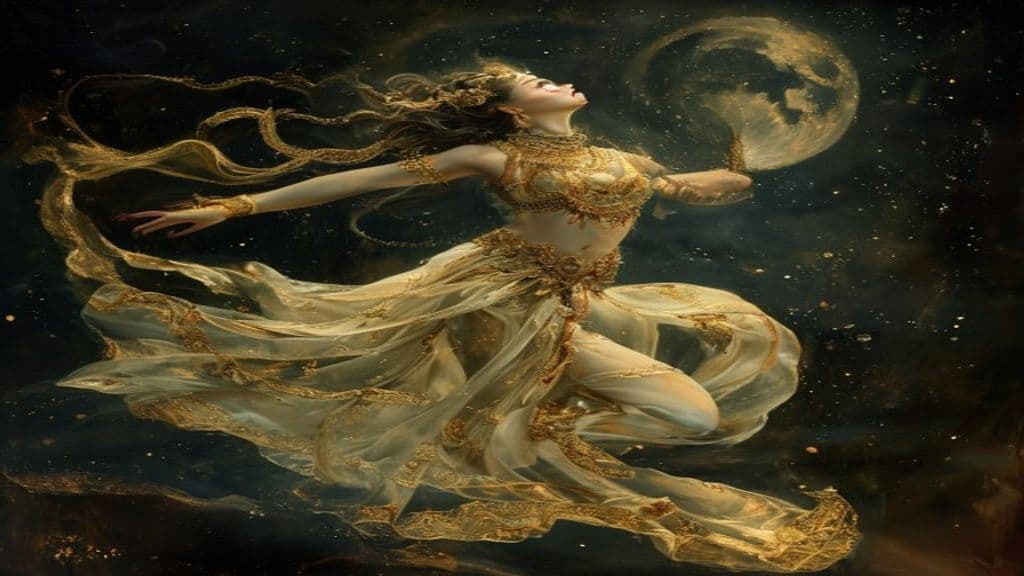
Apsara
Celestial dancers and water nymphs of Hindu cosmology — beautiful semi-divine beings who dance at the court of Indra and, by his command, descend to earth to distract sages from excessive asceticism.
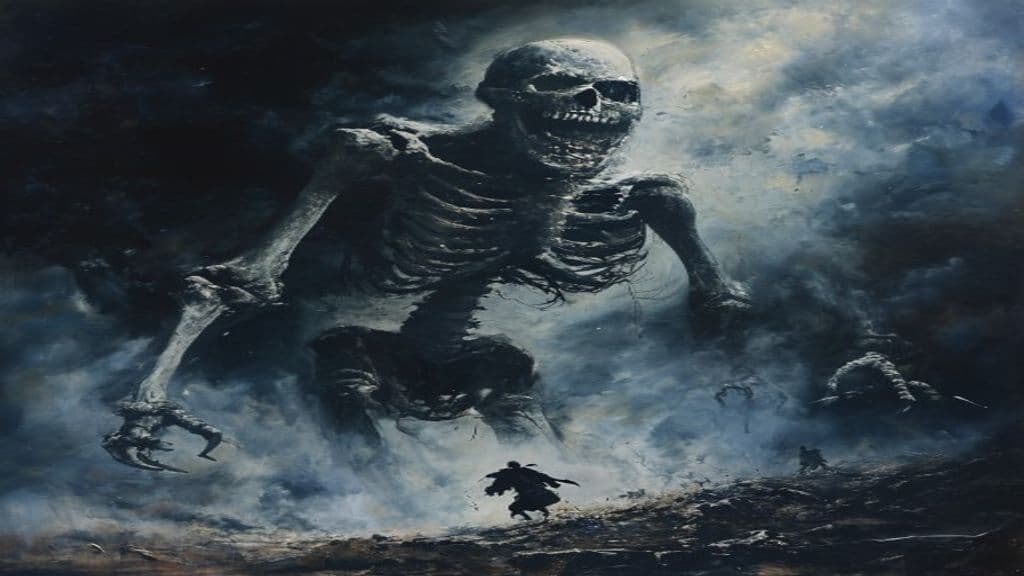
Gashadokuro
A fifteen-times-human-height skeletal yokai formed from the bones of those who starved to death or died on battlefields, their unburied remains fused together into a hungry colossus.
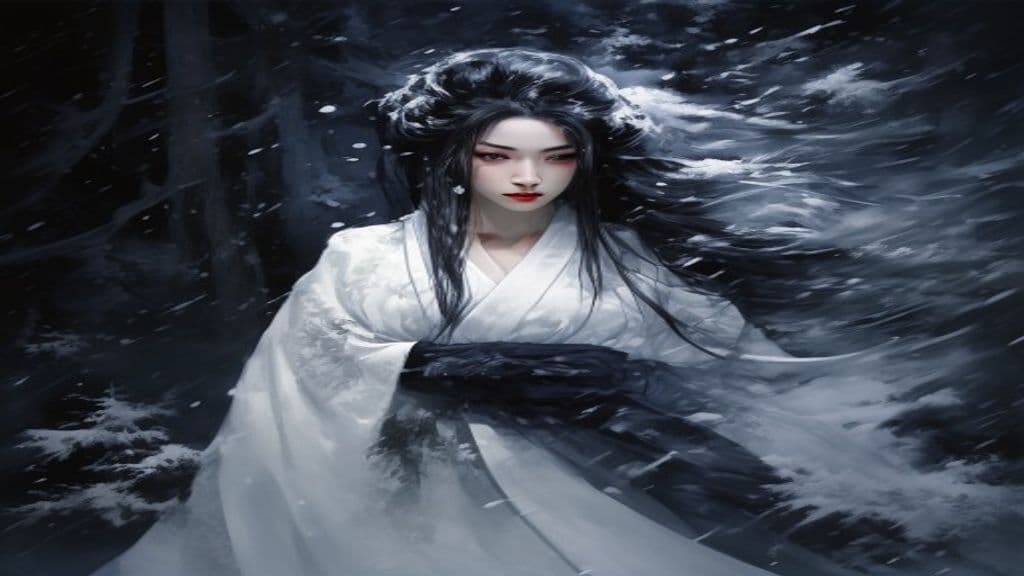
Yuki-onna
The Snow Woman of Japanese folklore — a spirit born of blizzards who appears to travelers lost in snowstorms. Beautiful and lethal, she can show mercy or bring death depending on her mood.
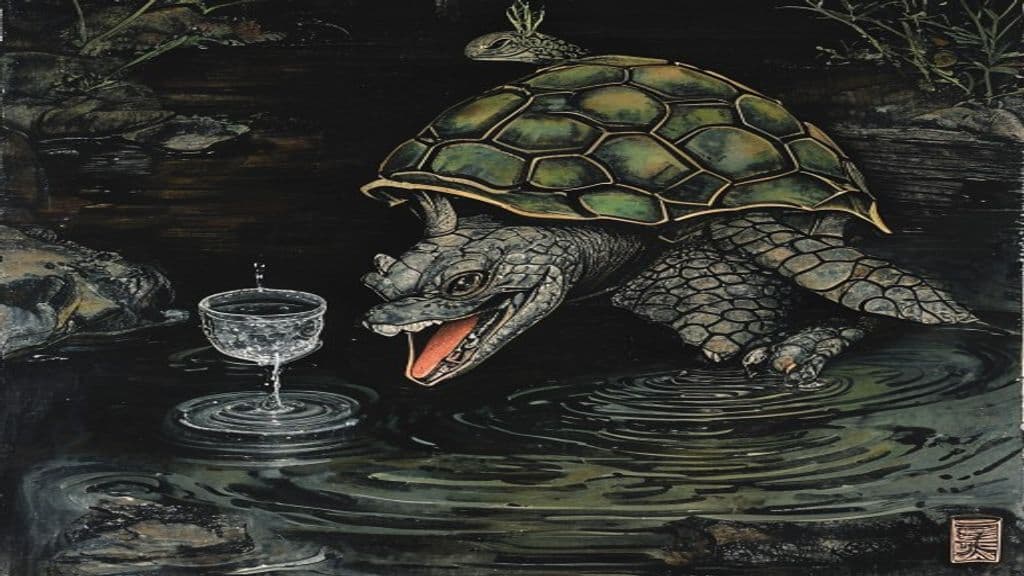
Kappa
A water-dwelling imp of Japanese folklore with a bowl of water on its head. Mischievous but bound by strict codes of politeness; dangerous near rivers.
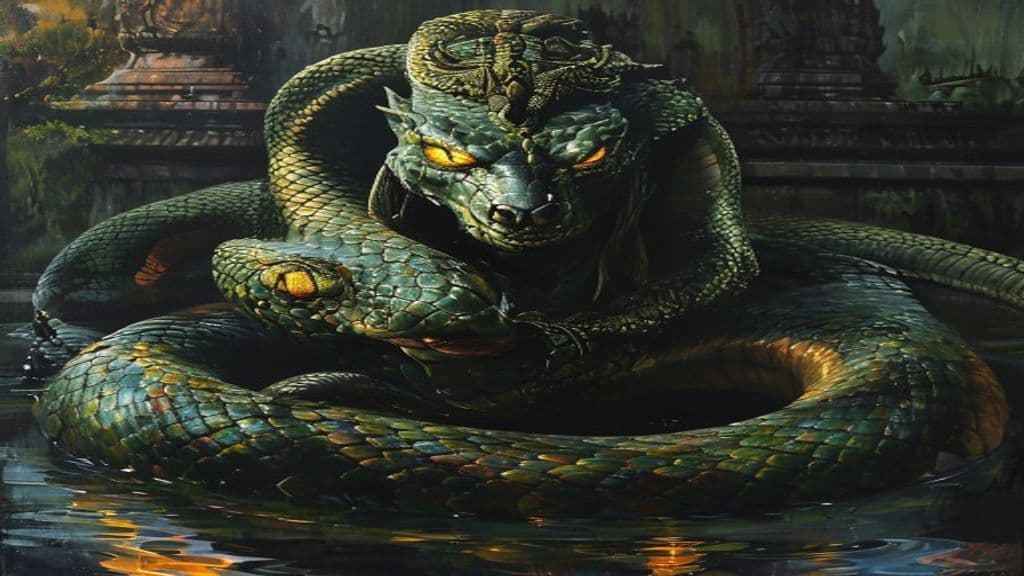
Naga
Divine serpent beings of Hindu, Buddhist, and Jain cosmology — powerful guardians of water, earth, and underground treasures. Revered as deities in South and Southeast Asia.
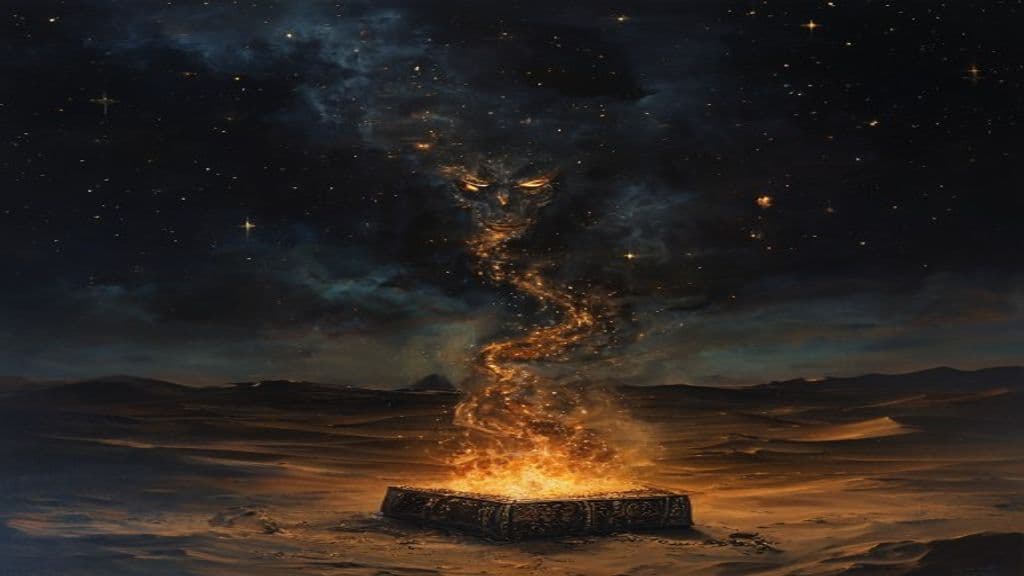
Djinn
The class of supernatural beings created from smokeless fire in Islamic cosmology — a parallel civilization to humanity, capable of belief or unbelief, with their own prophets, society, and judgment before God.
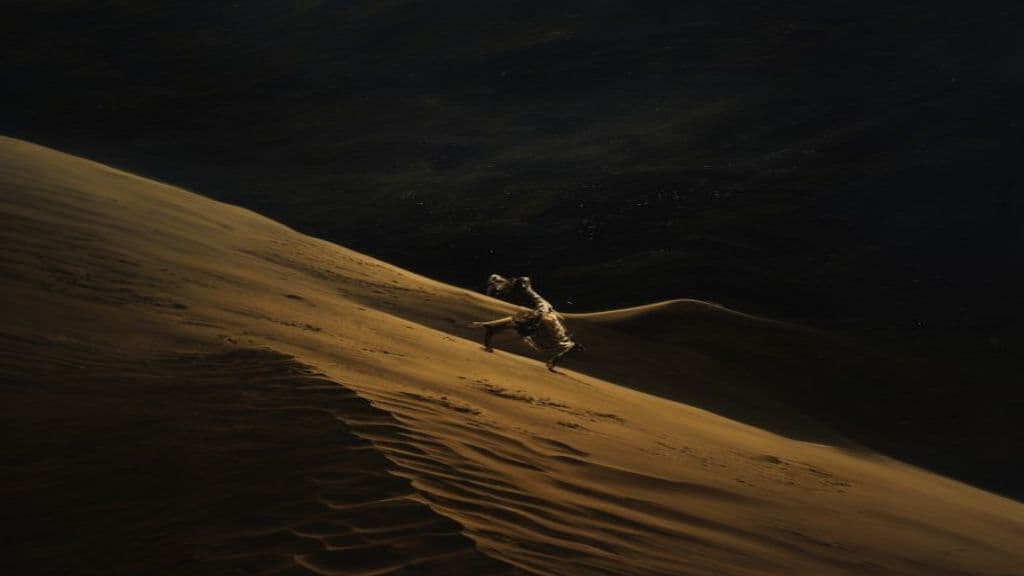
Jann
The weakest class of djinn in Islamic tradition, associated with desert winds and taking the form of snakes or whirlwinds, dwelling in empty wilderness and posing little threat to those who know the proper invocations.
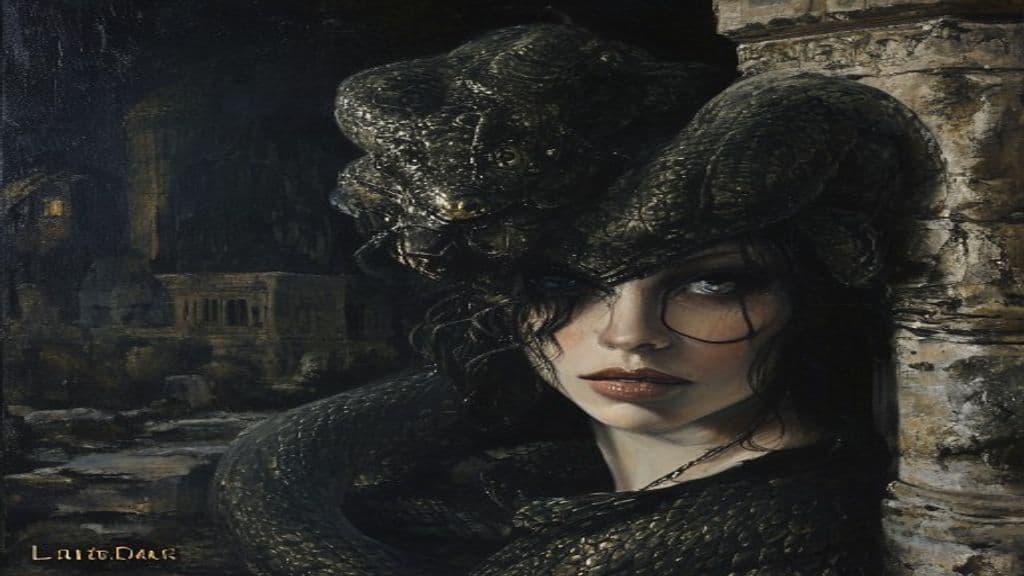
Lamia
A child-devouring demon of Greek mythology — once a queen of Libya and lover of Zeus, driven mad by Hera's destruction of her children and transformed into a monstrous hunter of other women's children.
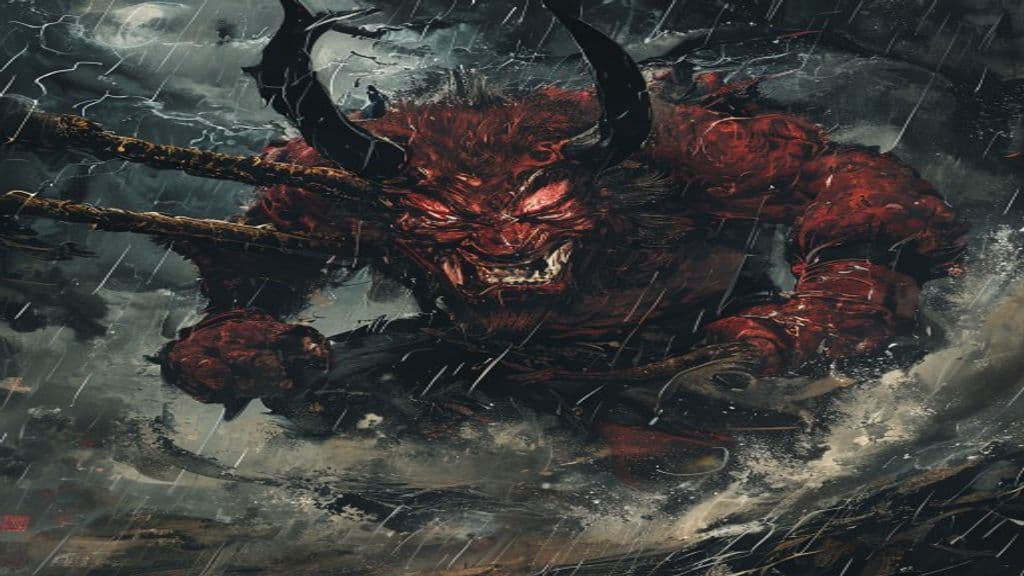
Oni
Powerful supernatural beings of Japanese folklore — associated with misfortune, disease, and the punishment of sinners in hell. Fearsome, often depicted as guardians of the underworld.
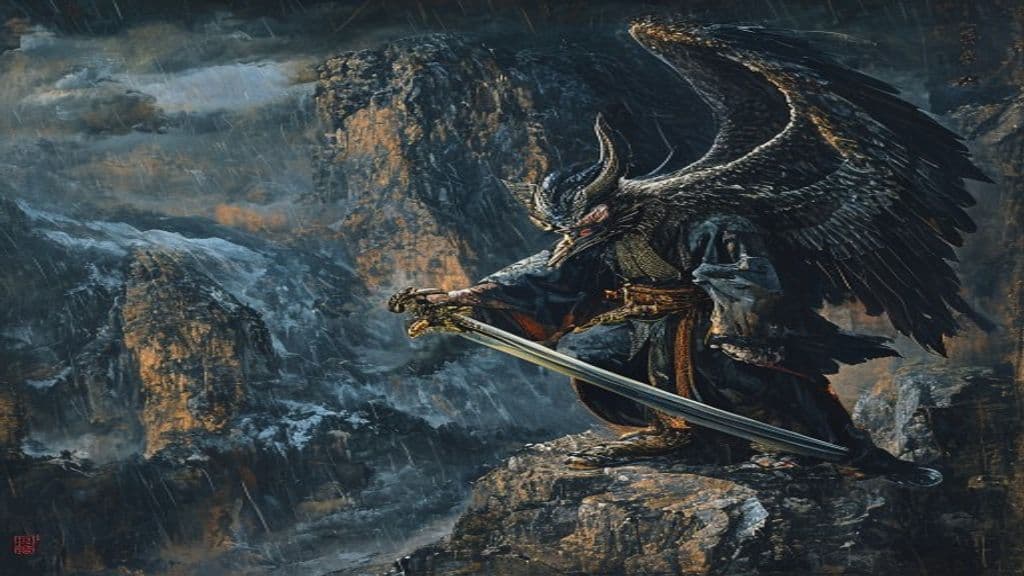
Tengu
Proud, warrior-like mountain spirits of Japan, associated with martial arts, pride, and the wild mountains. Neither fully good nor evil — they test and train warriors and monks, but punish the arrogant.
Community Record
- [1]Sagaan Ubgen. Wikipedia: 'Tsagaan Ubgen... is the Mongolian guardian of life and longevity, one of the symbols of fertility and prosperity in the Buddhist pantheon.'wiki
- [2]Wikidata: Q4083098. Wikidata entry for Sagaan Ubgen / Tsagaan Ubgenother
- [3]The White Old Man (Tsagan Evgen) | Tsem Rinpoche. Tsem Rinpoche webpage on 'The White Old Man (Tsagan Evgen)' listing alternate spellings and brief commentary on cultural links.folk
- [4]Black, White, and Yellow Shamanism?. Damien Marie AtHope: discussion of shamanic color categories and listing Sagaan Ubgen among regional symbolic patterns.other