
Suijin is not presented in the sources as a single unified origin figure but as a general name applied to the Shinto water deity and to a class of local water-associated divine presences. The designation is used for heavenly and earthly manifestations of a benevolent water divinity and for a variety of mythical and magical creatures inhabiting fresh water sites; local communities enshrine stones or plaques at springs and other sources to mark and venerate these manifestations.
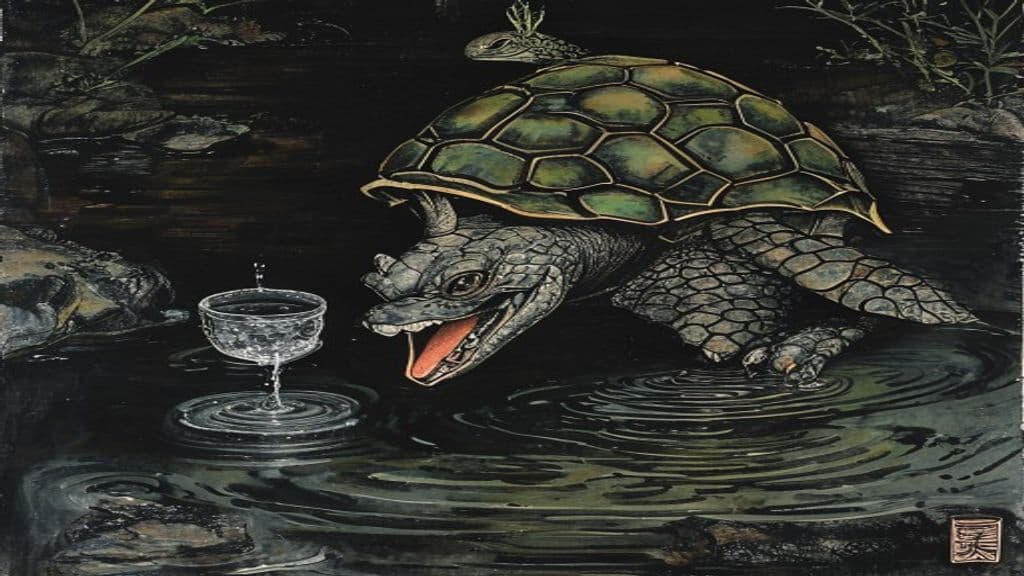
Sources describe Suijin primarily as a category rather than a single canonical form. Common enshrinement forms include stone plaques or small upright stones placed near springs and wells. The term also covers many animal or semi-animal inhabitants of water—serpents, dragons, eels, fish, turtles—and can extend to water-creatures such as the kappa. Thus appearance ranges from simple sacred stones marking a source to various aquatic animals and mythic water-entities.
In the source material Suijin functions as guardian and patron of water-dependent activities: protector of fishermen, guarantor of pure water for drinking, agriculture and sanitation, and patron of fertility, motherhood and painless childbirth. Suijin worship and associated festivals play roles in purification and in exorcising malign influences linked to water—notably community efforts to prevent or address epidemics and water-related disasters—while local rituals invoke Suijin's favor for safe fishing, childbirth and water distribution.
Weaknesses
None recorded.
Wards
- ritualEnshrinement of stone markers / small upright stones
- ritualVisit and offerings at Suitengū Shrines
- ritualSeasonal purification festivals (summer festivals, Suijin Matsuri, Suijin-sai, Suitengū Spring Festival, etc.)
- ritualKagura performances aboard fishing boats (maritime protective ritual)
- ritualSplashing water over portable shrines during processions (purificatory act)
Ajisukitakahikone
Ajisukitakahikone is a kami in Japanese mythic literature (Kojiki/Nihon Shoki). He appears in the transfer-of-rule cycle between heaven and earth, is described as a son of Ōkuninushi, associated with the Kamo cult (called Kamo no ōmikami in some modern museum/catalog entries), and features in narratives that explain landscape formation and meteorological genealogy.
Amanozako
Amanozako is a Japanese divine/monstrous figure described in classical summaries as a furious, contrarian kami produced from the ferocious aspect (ara-mitama) of the storm-god Susanoo; later glosses present her as an ancestor-figure for ill-tempered yōkai such as tengu and amanojaku.
Amaterasu Ōmikami
Amaterasu Ōmikami is the sun deity and a principal kami in Shinto tradition, presented in classical Japanese sources as ruler of Takamagahara (the High Celestial Plain) and the mythic ancestress of the Imperial House through her grandson Ninigi. She is central to shrine cult at Ise and to ritual nomenclature and practice within institutional Shinto.
Amatsumara
Amatsumara (天津麻羅), also called Amenomahitotsu, is a Shinto kami presented in sources as the divine smith of Takamagahara who is said to have aided in making the mirror used in the Amaterasu cave episode and who serves as a patron of earthly blacksmiths.
Amazake-babaa
Amazake-babaa (甘酒婆, 'amazake old woman') is a Japanese yōkai figure from northern Honshū traditions associated with contagious illness. She is said to call at house doors at night asking for amazake and, if answered, brings smallpox or the common cold; local variants include a door-to-door seller (amazake-banbā/banbaa) and a Kohinata, Bunkyō account that treats her as a deified former amazake seller.
Ame-no-Koyane-no-mikoto
Ame-no-Koyane-no-mikoto is a male Amatsukami (heavenly kami) in classical Shinto myth, presented as the ritual-official ancestor of the Nakatomi clan and linked genealogically to the Fujiwara. He functions as a divine ritual specialist—performing divination and liturgical speech in foundational myths (notably the Ama-no-Iwato episode) and as guardian of the sacred mirror—and is venerated at major shrines such as Kasuga Taisha and Hiraoka Shrine.
Ame-no-Minakanushi
Ame-no-Minakanushi (天之御中主) is a primordial kami named in Japan's classical creation texts as one of the very first deities to come into being in Takamanohara (High Heaven). Presented in the Kojiki and Nihon Shoki as a solitary, hidden first god, he functions primarily as a mythic point of cosmic origin rather than an actively intervening deity in surviving narratives.
Ame-no-Tajikarao
Ame-no-Tajikarao is a kami in Japanese Shinto myth notable for exceptional physical strength. He appears in the Ama-no-Iwato narrative as the deity who pulls Amaterasu from the heavenly rock cave, and he is venerated at numerous shrines across Japan with associations to physical power and local lineage claims.
Ame-no-Tokotachi
Ame-no-Tokotachi is a primordial kami in classical Shinto cosmology attested in summaries of the Kojiki and Nihon Shoki tradition. Sources identify a very early solitary or among-the-first deity who manifests at the creation of heaven and earth; supplied materials also reference a closely related name, Ame-no-Minakanushi, in English summaries of those chronicles.
Ame-no-Uzume-no-Mikoto
Ame-no-Uzume-no-Mikoto is a Shinto kami of dawn, mirth, revelry and the performing arts whose comic and erotic dance at the entrance of Amano‑Iwato lures the sun goddess Amaterasu from hiding, restoring light; her action is cited as the mythic origin of kagura and of certain ritual/performance lineages.
Ame-no-hohi
Ame-no-hohi (also rendered Ame no Fuhi) is a male kami in Japanese mythology identified in sources as the second son of the sun goddess Amaterasu. He is principally attested as an ancestral figure: historical rulers of Izumo and the modern heads of Izumo Taisha and Izumo-taishakyo claim descent from him.
Ame-no-wakahiko
Ame-no-wakahiko is presented in the provided sources as a kami in Japanese mythology, described specifically as a god of grains and counted among the Amatsukami (heavenly deities). The sources identify him as a son of Amatsukunitama and note a medieval prose narrative, the Ame no Wakahiko Monogatari, exists about him.
Community Record
- [1]Suijin — Wikipedia. Wikipedia entry 'Suijin'wiki
- [2]Suijin — Wikidata Q3137449. Wikidata item Q3137449other
- [3]The water dragon's bride (title referencing Suijin term). Archive item referencing modern literary usage of the Suijin termliterary
- [4]Archive references using 'Suijin' in titles. Archive item using 'Suijin' in a title/contextother
- [5]Archive item referencing modern usage. Archive item referencing 'Suijin' in contemporary contextsother