
The category yōkai developed over time rather than arising from a single mythic origin: many entities now grouped as yōkai were historically called other names (oni, bakemono, obake, etc.), and the modern umbrella term was standardized in part through Meiji-era academicization (for example, the institutionalizing efforts of scholars such as Inoue Enryō and the emergence of yōkaigaku). Yōkai are conceptually tied to older animistic and Shinto ideas in which spirits inhabit people, animals, plants, objects, and natural features; they also reflect social processes whereby spirits not integrated into protective cults (nigi-mitama) or whose calming rituals (chinkon) failed could be cast as dangerous or uncanny presences. Artistic and popular forces—especially Edo-period illustrators like Toriyama Sekien and later media—further shaped and standardized many visual and narrative forms.
There is no single physical appearance for yōkai: the class includes animal-like forms (e.g., kappa, turtle-like; tengu, winged and long-nosed), humanoid apparitions (e.g., kuchisake-onna), animated objects (tsukumogami), and entirely formless or uncanny phenomena. Edo-period artists and later popular media standardized and stylized many depictions, and some visual types derive more from artistic invention than from a uniform older folk practice. Individual yōkai traditions name distinct forms while the overall category remains heterogeneous.
Shapeshifting (bakemono/obake) is among the most commonly associated abilities; yōkai may transform, possess objects, or manifest in weather and landscape phenomena. Behaviorally they range from mischievous or helpful to malevolent, and they have been invoked to explain illness, sudden misfortune, dangerous terrain, storms, and other natural occurrences (for example raijū in storm contexts; hidarugami associated with sudden weakness on trails). Folklorists emphasize that naming yōkai serves to specify threats or dangers in the environment rather than to assert a single uniform set of powers.
Weaknesses
- ritualchinkon (鎮魂)
- symbolshrine boundary markers (e.g., shimenawa) as markers of protected/sacred space
Wards
- ritualchinkon (鎮魂)
- othershrine practices and votive acts (use of shimenawa, offerings, incense)
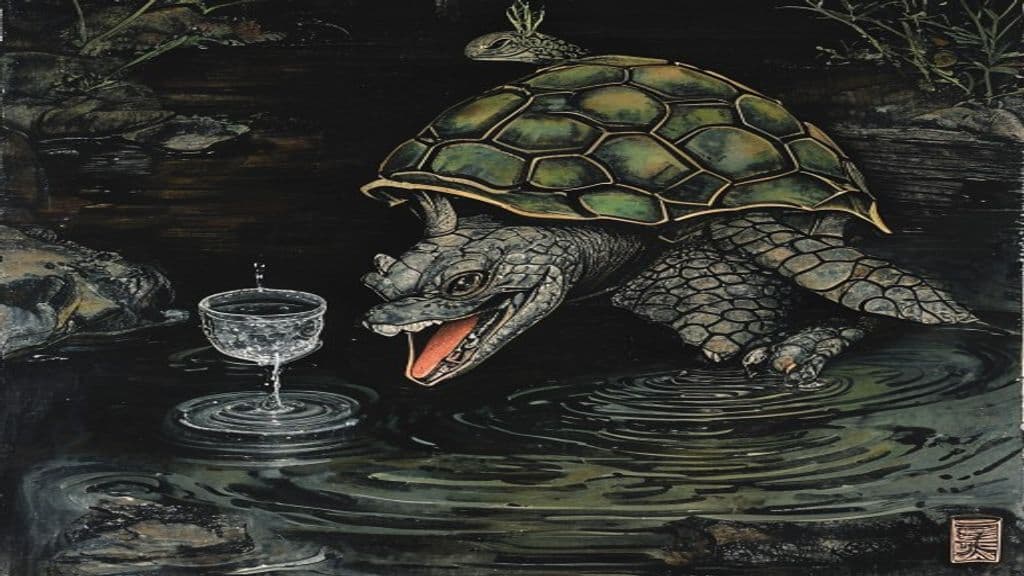
Kappa
A water-dwelling imp of Japanese folklore with a bowl of water on its head. Mischievous but bound by strict codes of politeness; dangerous near rivers.
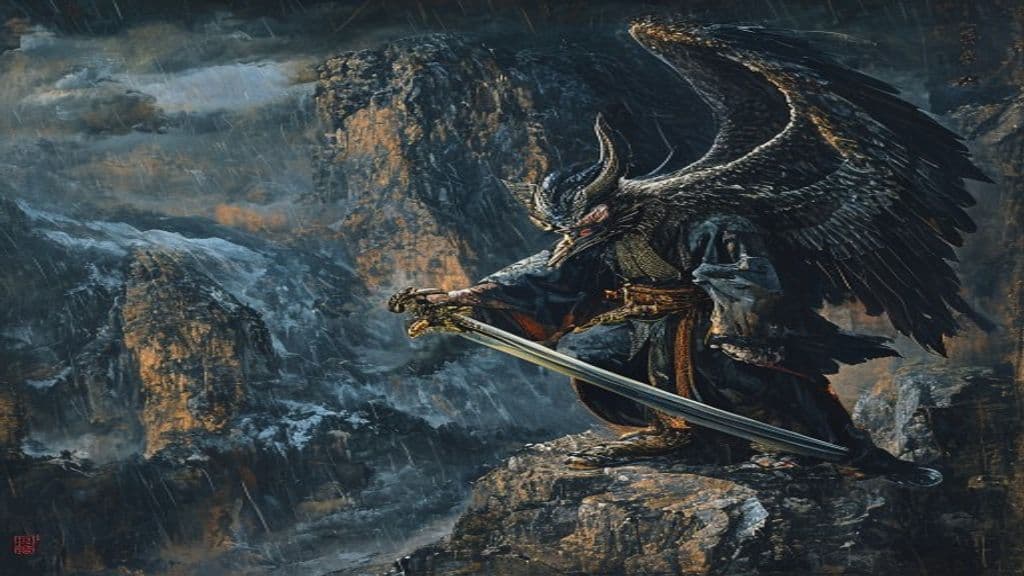
Tengu
Proud, warrior-like mountain spirits of Japan, associated with martial arts, pride, and the wild mountains. Neither fully good nor evil — they test and train warriors and monks, but punish the arrogant.
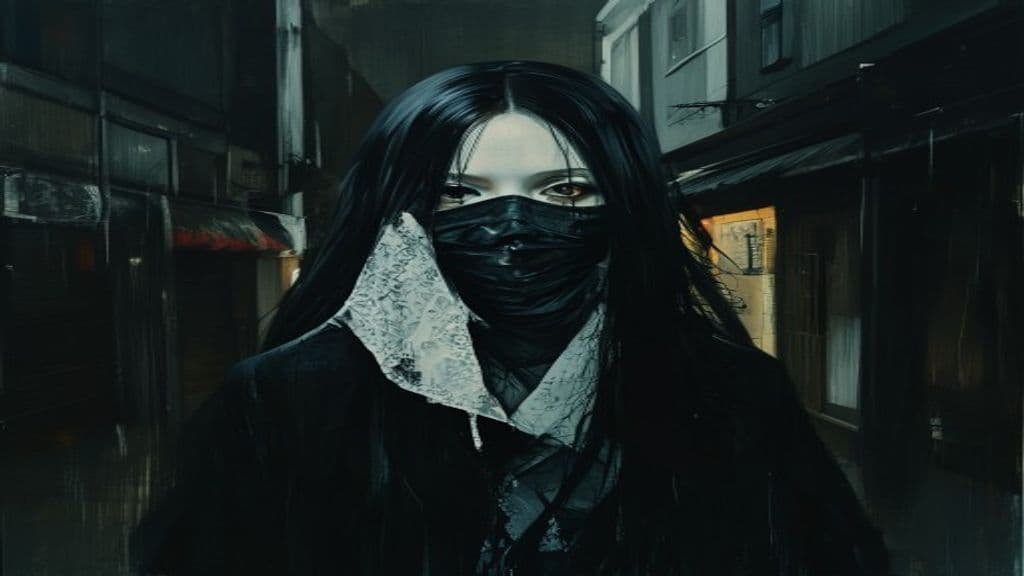
Kuchisake-onna
Kuchisake-onna (口裂け女, "mouth-slit woman") is a Japanese urban-legend figure and modern folkloric yōkai/onryō: a mutilated woman who asks victims whether she is beautiful and whose revealed slit mouth leads to killing or mutilation in variant accounts. The legend emerged in the late 1970s and circulates with multiple survival tactics reported in popular sources.

Kami
Kami (神; kami) are the central sacred beings and forces venerated in Shinto, encompassing deities, spirits, natural phenomena, qualities, and the spirits of the venerable dead. They are understood as immanent in nature, morally ambivalent, and inhabit a hidden or complementary existence sometimes referred to as the world of the kami (神界).
Abumi-guchi
A Japanese yōkai classed as a tsukumogami: an animated stirrup (abumi) depicted in Sekien Toriyama's Gazu Hyakki Tsurezure Bukuro. Traditional accounts say it is formed from a stirrup that belonged to a soldier who fell in battle and that it waits where the stirrup lies for its dead owner to return.
Abura-sumashi
A yōkai spirit from the Amakusa region of Kumamoto Prefecture, Japan, said to inhabit mountain passes. Traditionally explained as the ghost of a person who stole oil, it appears to surprise travelers and is represented in modern media with a straw-coat body and a potato- or stone-like head.
Ajisukitakahikone
Ajisukitakahikone is a kami in Japanese mythic literature (Kojiki/Nihon Shoki). He appears in the transfer-of-rule cycle between heaven and earth, is described as a son of Ōkuninushi, associated with the Kamo cult (called Kamo no ōmikami in some modern museum/catalog entries), and features in narratives that explain landscape formation and meteorological genealogy.
Akaname
Akaname is a Japanese yōkai associated with baths, bathtubs, toilets, and other places where scum and filth accumulate. Traditionally depicted as a child-like creature that licks grime, it functions in folklore as a cautionary figure tied to cleanliness; a few narrative variants cast it as dangerously predatory.
Akateko
Akateko (赤手児, lit. 'red child's hand') is a yōkai from Japanese folklore commonly told as a small, red, disembodied child's hand that appears from trees—especially the Japanese honey locust—and startles travelers; in some regional variants it is accompanied by a specter of a young woman or manifests as paired foot- or leg-like apparitions. Accounts vary between mostly harmless trickster apparition and a violent variant that attacks humans.
Akubōzu
Akubōzu (灰坊主, Akubōzu) is a household yōkai from parts of Akita and Iwate Prefectures in northern Japan said to live in the ashes of the hearth. Sources say they appear when people (notably children) play with or dig in hearth/furnace ash; the figure is cited as part of a broader Tōhoku motif warning against disturbing ash.
Akuma
Akuma (悪魔/あくま) in Japanese sources is an evil spirit, devil, or demon associated with misfortune and mental disturbance. The term appears in Buddhist texts and Heian-period literature and was later used to translate the Christian figure of Satan, as well as the Buddhist Mara.
Akurojin-no-hi
Akurojin-no-hi (悪路神の火, "fire of the god of the bad road") is a flamelike ghost from the folklore of Mie Prefecture, Japan. It is reported to appear on rainy nights; those who encounter it and do not run away are said to become gravely ill. The phenomenon is sparsely documented and is usually compared to will-o'-the-wisp type ghost-lights.
Amabie
Amabie is a mid-19th-century Japanese yogenjū-type wondrous creature attested in kawaraban and related pamphlet culture that emerges from the sea (in canonical accounts) to prophesy about harvests and epidemics and prescribes that its image be drawn and shown to the sick as a protective measure.
Amanojaku
Amanojaku (天邪鬼 / あまのじゃく) is a Japanese yōkai-type being portrayed as a contrarian, heart-reading trickster. Treated in different contexts as a small ogre (ko-oni), a wicked demon (jaki) in Buddhist iconography, and a folkloric spirit that provokes human vice, it appears across regional tales with variable roles from malicious kidnapper to household oddity.
Amaterasu Ōmikami
Amaterasu Ōmikami is the sun deity and a principal kami in Shinto tradition, presented in classical Japanese sources as ruler of Takamagahara (the High Celestial Plain) and the mythic ancestress of the Imperial House through her grandson Ninigi. She is central to shrine cult at Ise and to ritual nomenclature and practice within institutional Shinto.
Amatsumara
Amatsumara (天津麻羅), also called Amenomahitotsu, is a Shinto kami presented in sources as the divine smith of Takamagahara who is said to have aided in making the mirror used in the Amaterasu cave episode and who serves as a patron of earthly blacksmiths.
Community Record
- [1]Yōkai - Wikipedia. Wikipedia: Yōkaiwiki
- [2]Yōkai - Wikidata. Wikidata: yōkaiwiki
- [3]Yokai - Green Shinto. Green Shinto: Yokaifolk
- [4]百鬼夜行: Raijū, the Shinto Storm God's Lightning Companion. Dr. Yokai blog: Raijūfolk
- [5]Hidarugami – The Hunger Gods | 百物語怪談会 Hyakumonogatari Kaidankai. Hyakumonogatari: Hidarugamifolk
- [6]What’s the Difference Between Yurei and Yokai? | 百物語怪談会 Hyakumonogatari Kaidankai. Hyakumonogatari: Yurei vs Yokaifolk
- [7]百鬼夜行: Japanese Incense Culture. Dr. Yokai blog: Japanese Incense Culturefolk
- [8]Great Yokai War - Youkai Dai Sensou (Miike Takashi 2005) | SaruDama. SaruDama: Great Yokai Warother
- [9]Archive: Gods and Monkeys (ep. 181). Archive recording: Gods and Monkeys (ep. 181)other
- [10]Yokai Watch — Archive clip. Archive: Yokai Watch clipother