
Accounts vary. In some genealogies the Cercopes are placed among ancient generations (one tradition names them children of Oceanus and Theia), while other sources treat them as human-like brothers whose knavery invites divine or heroic punishment. Variant endings exist in different authors: one tradition records Zeus transforming them into monkeys (an etiological explanation linked to the name 'tailed ones'), while another report (attributed to Pherecydes in summaries) says they were turned to stone. Multiple name-pairs (e.g., Passalus and Acmon; Basalas and Achemon; Olus and Eurybatus; Candolus and Atlantus; Sillus and Triballus) across sources reflect local or transmission variants rather than a single canonical pedigree.
Physical descriptions in surviving sources are sparse and variable. The Greek name derives from κέρκος (kérkos, 'tail'), and some traditions and later mythographers present them with simian or tailed features; this etymology underlies accounts that identify or transform them into monkeys. In vase-paintings depicting the Heracles episode they appear bound with 'their faces pointing downwards' — a scene-specific depiction preserved in visual art rather than a general anatomical portrait. Overall, imagery ranges from rascally human-like brothers to tailed, simian-associated figures depending on context.
Sources attest to mischievousness, skill at theft, lying, and general comic subversion of order; they are proverbial tricksters who 'roamed the world' and harried mortals and heroes. Their best-attested narrative action is stealing Heracles' weapons while he served Omphale and being captured and humiliated by him. Beyond agility, deceit, and provocation, the provided material does not ascribe a consistent set of supernatural powers; some accounts record divine metamorphosis as a fate (transformation into monkeys or into stone) as narrative resolutions rather than catalogued abilities.
Weaknesses
- conditionphysical capture by heroes
Wards
None recorded.
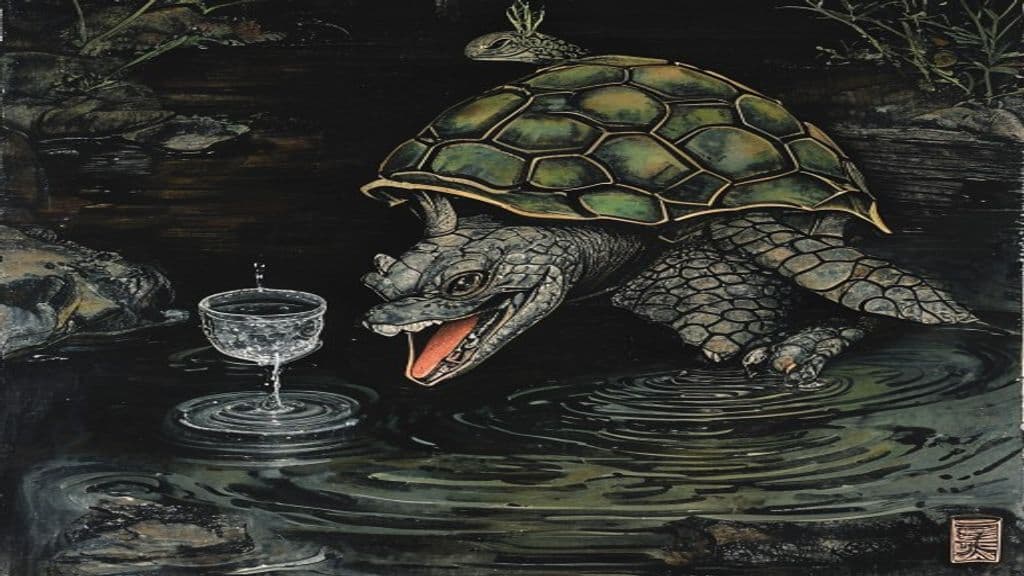
Kappa
A water-dwelling imp of Japanese folklore with a bowl of water on its head. Mischievous but bound by strict codes of politeness; dangerous near rivers.
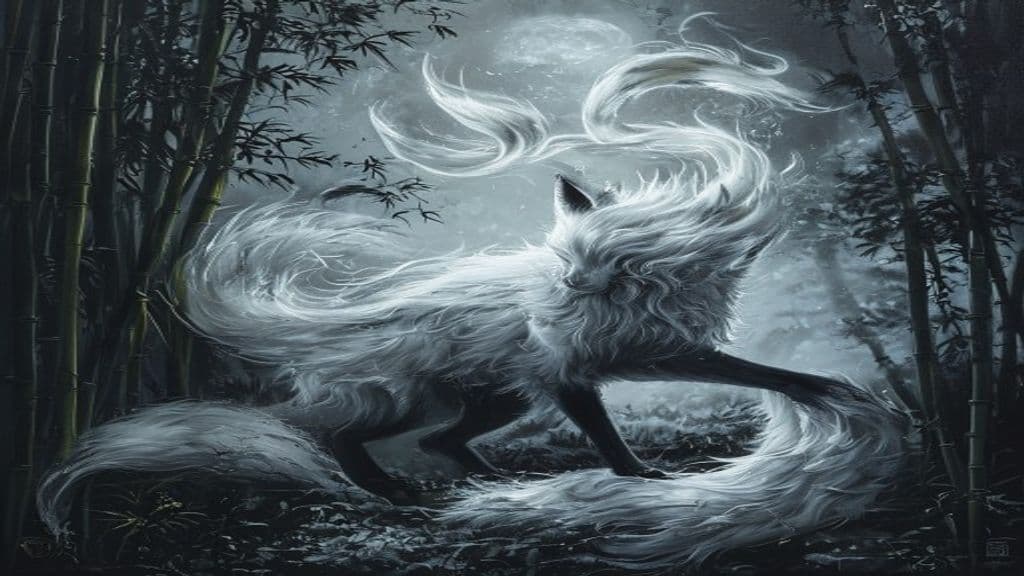
Kitsune
Fox spirits of Japanese mythology — intelligent, long-lived beings who gain additional tails (up to nine) as they age and grow in power. They serve as messengers of the god Inari and as powerful tricksters.
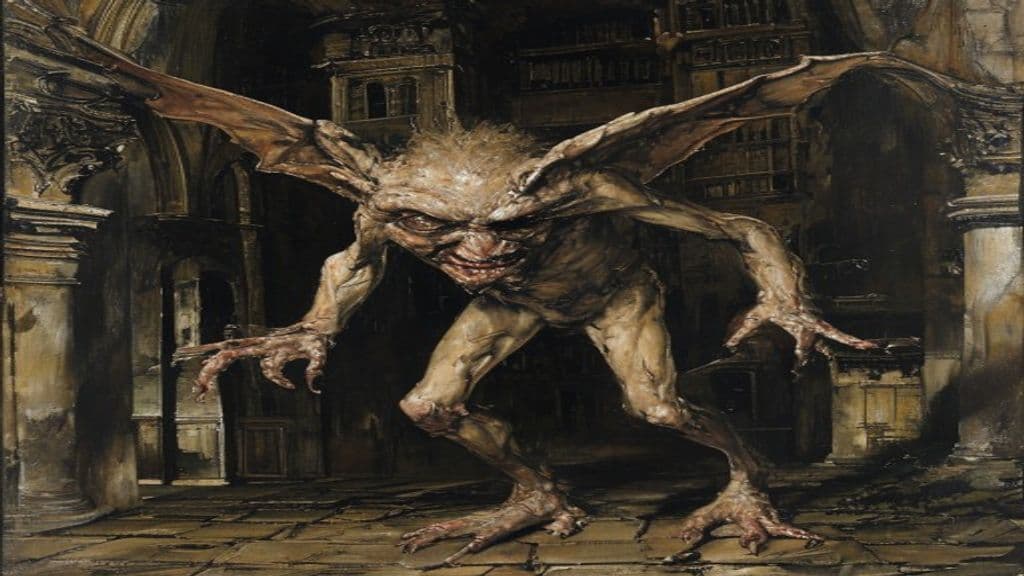
Imp
An imp is a small supernatural being in European folklore, typically characterized as a mischievous, lesser spirit or attendant rather than a major deity. Traditionally associated with pranks and household or local disturbance, the concept shifted over time toward associations with familiars and infernal attendants in Christianized contexts.

Rakshasa (Himalayan variants)
A Himalayan reception of the pan-Indian rakshasa motif: hostile or disruptive non‑human beings known from Sanskrit epic and Puranic literature, here noted where Himalayan sources and discussions intersect with the broader epic tradition. The supplied sources do not document distinct, well‑attested Himalayan folklore variants; the entry therefore presents primarily the epic/legendary profile as transmitted into Himalayan contexts in general references.
Admete (Admeta)
Admete (Ancient Greek: Ἀδμήτη) is a mortal princess of the house of Eurystheus in the Heraclean cycle and, in alternate local tradition, a priestess of Hera associated with the transfer and purification of a cult image to Samos. She functions in surviving accounts as a named requester whose wish prompts one of Heracles' labors and as the human custodian of a sacred image in a Samian foundation story.
Agriopas (werewolf account)
A classical account—attested via Agriopas as quoted by later compilers—relating that a Parrhasian named Demaenetus/Demnetus ate human viscera during the Arcadian sacrifice to Zeus (Jupiter) Lycaeus and was transformed into a wolf for a period (reported as ten years in some recensions) before reverting to human life.
Alcathous (son of Pelops)
Alcathous (Ancient Greek: Ἀλκάθοος) is a mortal heroic prince in Greek myth, son of King Pelops of Pisa and Hippodamia, associated with the Pelopid house and remembered as the reputed founder-eponym of the Megarian citadel called Alcathoe. He is credited in some local traditions with slaying the Cithaeronian lion and functions primarily as a genealogical and topographical founder-figure rather than a supernatural being.
Alcyoneus
Alcyoneus (Ancient Greek Alkyoneús, Ἀλκυονεύς) is a colossal monstrous figure in Greek myth, variably presented as one of the Gigantes (Giants) born of Gaia and as a singular enormous hostile herdsman/warrior opposed to Heracles. Noted for prodigious strength and for a peculiar invulnerability tied to his native land, he is defeated when Heracles drags him out of his homeland at Athena's counsel in one influential tradition.
Antiope
Antiope is a name applied to several distinct mortal women in Greek mythic tradition, most commonly an Amazon daughter of Ares and a Theban princess mother of Amphion (by Zeus). The figures named Antiope appear across variant local narratives rather than as a single, consistent supernatural type.
Cerberus
The three-headed hound of Hades, guardian of the underworld's gates — welcoming the dead in but allowing no shade to leave and no living mortal to enter uninvited.
Cercaphus
Cercaphus (Ancient Greek Κέρκαφος) is a name borne by several related figures in Greek mythic genealogies and local foundation stories. Most prominently he appears among the Heliadae of Rhodes—portrayed as a son/descendant of Helios whose descendants become eponymous founders of Rhodian cities—but variant traditions attach the name to other ancestral figures in Thessaly and localized etiologies.
Cerceis
Cerceis (Ancient Greek Κερκηίς, Kerkēís) is named in Greek mythological genealogies as one of the Oceanids, the many nymph-daughters of the Titans Oceanus and Tethys. She is attested as a water-associated nymph whose name in the surviving tradition is glossed either as 'of the weaving shuttle' (from kerkis) or as 'gorgeous in form.'
Cercetes
Cercetes (Ancient Greek: Κερκέτης) is a named Egyptian prince in Greek mythic genealogy, recorded as one of the fifty sons of King Aegyptus who married (and was slain by) one of the Danaïdes. He is attested in mythographic catalogues such as the Bibliotheca and preserved in modern summaries like Wikipedia.
Cercyon
Cercyon (Ancient Greek: Κερκύων, Kerkýōn) is a name applied in Greek tradition to at least two figures: a malefactor killed by the hero Theseus during his clearing of the road to Athens, and a genealogical figure described as son of Agamedes and father of Hippothous. Sources present him as a human antagonist or ancestor rather than a supernatural species.
Cercyon of Eleusis
Cercyon (Greek Κερκύων, Kerkúōn) is a figure from Greek myth, portrayed as a violent local ruler or robber near Eleusis who challenged travelers to wrestling matches and killed those he defeated. He is best known as one of the opponents overcome by the culture-hero Theseus, who defeated him by skillful wrestling and slew him, an episode that both eliminates a local menace and links to the institution of wrestling in the mythic tradition.
Cerdo
Cerdo is a named female figure in Greek mythic genealogy, attested in some accounts as the wife of Phoroneus of Argos and mother within early Argive royal lists. She appears only in variant genealogical traditions and is not portrayed in the supplied sources as a deity, cult figure, or supernatural agent.
Community Record
- [1]Cercopes - Wikipedia. Wikipedia article 'Cercopes' (summary and citations to classical sources)wiki
- [2]Cercopes (epic poem) - Wikipedia. Wikipedia entry on the lost mock-epic 'Cercopes' attributed in antiquity to Homerwiki
- [3]Cercopes - Theoi Greek Mythology. Theoi Project entry summarizing classical references and variants for the Kerkopesliterary
- [4]Cercopes - Biblical Cyclopedia. Biblical Cyclopedia summary linking Cercopes to apes and place-name etiologyother
- [5]Archive: 'Gods and Monkeys' episode. Comparative discussion 'Gods and Monkeys' (archive item referenced in notes)other
- [6]Homeri Opera (Homeric fragments and related texts). Edition containing fragments related to mock-epic traditions (cited in provided material)literary
- [7]Religion & Art: a study in the evolution of sculpture, painting and architecture. Discussion of artistic contexts (Minoan/Egyptian monkey imagery) used to relate to Cercopes traditionsother
- [8]Cercopes - The Historian's Hut. Modern popular summary of myths and variants (not a primary source; included in provided list)other
- [9]Selinunte metope discussion - 'They All Wanted It - A Journey in Sicily'. Reference to metope and visual representations linked to Heracles episodeother