
Multiple separate figures bear the name Antiope in Greek sources. One tradition identifies Antiope as a Theban princess who becomes mother to Amphion and Zethus by Zeus and is woven into Thebes' foundation and dynastic narratives (sources: Antiope (mythology); Theban kings in Greek mythology). Another tradition treats Antiope as an Amazon — often described as a daughter of Ares and in some versions the consort or wife of the hero Theseus — and she appears in the Theseus–Amazon cycles (sources: Antiope (mythology) disambiguation; Wikidata; TheCollector article on Amazons). A more minor variant records an Antioche or Antiope as a daughter of Pylon and wife of Eurytus (Wikipedia disambiguation). These are genealogical and narrative roles within the heroic age rather than descriptions of a singular origin myth.
The supplied sources do not provide a single, consistent classical physical description for Antiope. The Theban Antiope is represented in later summaries as 'beautiful' (Symbolsage), while the Amazon Antiope would be depicted contextually as an Amazonian warrior in art and literature (TheCollector). Overall, primary excerpts emphasize her narrative and genealogical roles rather than standardized iconography or detailed physiognomy.
The sources attribute no intrinsic supernatural powers to Antiope herself; she functions as a mortal actor in mythic episodes. Her notable behaviors and roles include being seduced or raped by Zeus (some traditions state Zeus approached her in the guise of a satyr in accounts summarized by modern retellings) and mothering Amphion (and Zethus) who figure in Theban legend (Greeklegendsandmyths; Amphion page). As an Amazon in other traditions, she participates in martial episodes and the Theseus cycle (Wikidata; TheCollector). Her significance arises from relationships to gods (Zeus), heroes (Theseus), and offspring (Amphion and Zethus), not from ascribed magical abilities.

Zeus
Zeus (Ancient Greek: Ζεύς) is the supreme deity of the classical Greek pantheon, a sky-and-thunder god who rules as king of the gods on Mount Olympus and functions as a sky‑father who assigns roles among the immortals.
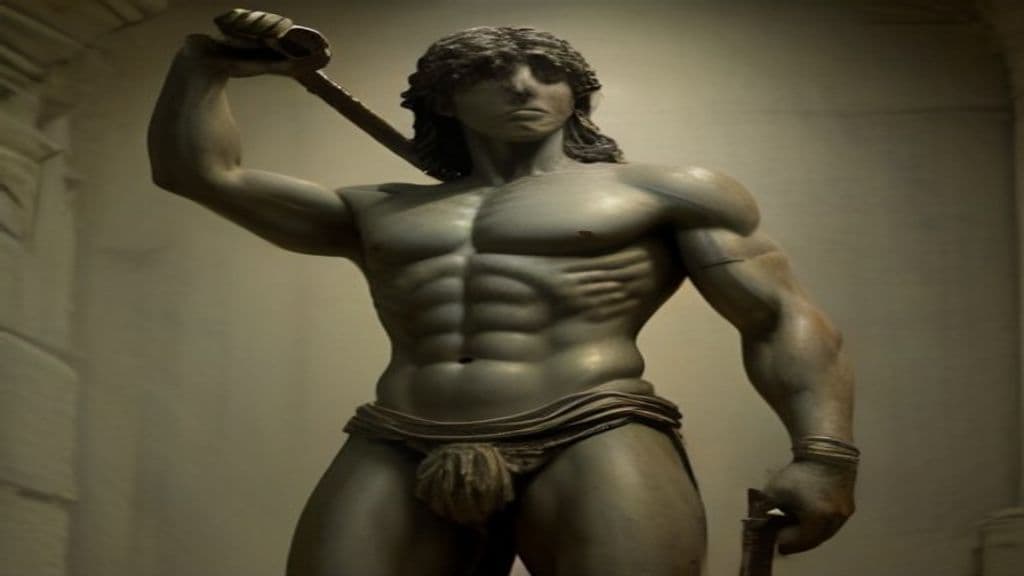
Theseus
Theseus is a legendary hero of Greek myth credited with clearing dangers from Attic roads, slaying the Minotaur, and performing foundational civic acts for Athens (including synoikismos and establishing cult practice). He is portrayed as of mixed mortal and divine parentage and functions as a culture-hero and exemplar in later authors' moralizing biographies.

Amazons
A society of women-warriors in ancient Greek myth and legend, depicted as skilled horsemen and archers who inhabit the periphery of the Greek world and act as recurring opponents and counterparts to Greek heroes. Treated by ancient authors as a past people and by modern scholars as a mythic construct possibly inspired by Eurasian female warrior burials.

Amphion
Amphion is a figure (or set of figures sharing a name) in Greek myth best known as the son of Zeus and Antiope, twin brother of Zethus, husband of Niobe, and famed in some traditions for using music to raise the walls of Thebes. The name also appears for several minor mythic characters (an Argonaut, an Achaean at Troy, a centaur), indicating multiple onomastic uses in the Greek corpus.
Admete (Admeta)
Admete (Ancient Greek: Ἀδμήτη) is a mortal princess of the house of Eurystheus in the Heraclean cycle and, in alternate local tradition, a priestess of Hera associated with the transfer and purification of a cult image to Samos. She functions in surviving accounts as a named requester whose wish prompts one of Heracles' labors and as the human custodian of a sacred image in a Samian foundation story.
Agriopas (werewolf account)
A classical account—attested via Agriopas as quoted by later compilers—relating that a Parrhasian named Demaenetus/Demnetus ate human viscera during the Arcadian sacrifice to Zeus (Jupiter) Lycaeus and was transformed into a wolf for a period (reported as ten years in some recensions) before reverting to human life.
Alcathous (son of Pelops)
Alcathous (Ancient Greek: Ἀλκάθοος) is a mortal heroic prince in Greek myth, son of King Pelops of Pisa and Hippodamia, associated with the Pelopid house and remembered as the reputed founder-eponym of the Megarian citadel called Alcathoe. He is credited in some local traditions with slaying the Cithaeronian lion and functions primarily as a genealogical and topographical founder-figure rather than a supernatural being.
Alcyoneus
Alcyoneus (Ancient Greek Alkyoneús, Ἀλκυονεύς) is a colossal monstrous figure in Greek myth, variably presented as one of the Gigantes (Giants) born of Gaia and as a singular enormous hostile herdsman/warrior opposed to Heracles. Noted for prodigious strength and for a peculiar invulnerability tied to his native land, he is defeated when Heracles drags him out of his homeland at Athena's counsel in one influential tradition.
Cercopes
The Cercopes (Greek Κέρκωπες, 'tailed ones') are a pair (or more) of mischievous trickster woodland figures in Greek myth, proverbial as liars, thieves, and comic rascals. Best known for stealing Heracles' weapons during his servitude to Omphale and being bound and humiliated by him, they appear across literary fragments and vase imagery and are variously explained as primordial offspring, human tricksters, or etiological figures for monkeys.
Antinoe
Antinoe (Ancient Greek: Ἀντινόη) is primarily attested as a proper name in classical and later sources: several mortal women in Greek myth (founding and tragic narratives) and as the place-name Antinopolis/Antinoë in Roman Egypt. The surveyed materials do not present Antinoe as a discrete supernatural being, nor record rituals or wards directed against an entity by this name.
Antinous
Antinous was a Greek youth from Bithynia who became the favourite of the Roman emperor Hadrian; after his premature death c.130 CE Hadrian ordered his deification and founded an organized cult (including the city Antinoöpolis and commemorative games) that spread across the Roman Empire and was syncretized in some contexts with the Egyptian god Osiris.
Antinous of Ithaca
Antinous is a mortal Ithacan noble, the son of Eupeithes, and the leading suitor of Penelope in the Homeric tradition. Portrayed as violent, over‑confident, and a violator of xenia, he organizes aggression against Odysseus's household and is the first suitor slain by Odysseus upon his return.
Antioche
Antioche is a variant form of the Greek personal name more commonly rendered as Antiope, attested for several distinct women in Greek myth (including Amazonic and dynastic figures) and reused as a toponym and ecclesiastical/literary name in later traditions. The sources treat Antioche not as a single supernatural class but as a personal name with multiple local and literary usages.
Antiphates
Antiphates is an ancient Greek personal name borne by multiple distinct characters in the epic tradition (at least five figures): a king of the Laestrygones (giant cannibals) encountered by Odysseus, a warrior concealed in the wooden horse at Troy, a Trojan warrior slain by Leonteus in Italian/late-epic tradition, and at least two genealogical bearers (son of Melampus; son of Sarpedon). The name functions as a personal name across heroic genealogies and episodic narratives rather than as a single supernatural species.
Antiphus
Antiphus (Ancient Greek Ἄντιφος) is a personal name borne by several mortal men in Greek myth and epic traditions rather than a single supernatural being. Multiple figures named Antiphus appear in genealogies and narratives as princes, warriors, companions of heroes, colonists, and victims in the heroic age (generation of Heracles, the Trojan War, and the Odyssey).
Anton Arcane
Anton Arcane is a recurring antagonist in American comic-book fiction, portrayed variously as a scientist, sorcerer, resurrected/possessing figure, demon, and (in The New 52 continuity) the avatar of the Rot, a cosmic force of decay. He creates monstrous biogenetic creatures (the Un-Men), practices forbidden occult science, possesses other bodies, and pursues immortality and power in opposition to the protagonists such as Swamp Thing.
Community Record
- [1]Antiope (mythology) — Wikipedia. Wikipedia, 'Antiope (mythology)'wiki
- [2]Antiope — Wikipedia disambiguation. Wikipedia, 'Antiope' disambiguationwiki
- [3]Theban kings in Greek mythology — Wikipedia. Wikipedia, 'Theban kings in Greek mythology'wiki
- [4]Antiope in Greek Mythology - Greek Legends and Myths. Greek Legends and Myths, 'Antiope in Greek Mythology'folk
- [5]Antiope – The Beautiful Princess of Thebes in Greek Mythology - Symbol Sage. SymbolSage, 'Antiope The Beautiful Princess of Thebes'other
- [6]5 Myths About the Amazons (And How to Spot Them in Greek Art) | TheCollector. TheCollector, '5 Myths About the Amazons (And How to Spot Them in Greek Art)'other
- [7]Amphion in Greek Mythology - Greek Legends and Myths. Greek Legends and Myths, 'Amphion in Greek Mythology'folk
- [8]Wikidata entry for Antiope. Wikidata Q580862, 'Antiope'wiki