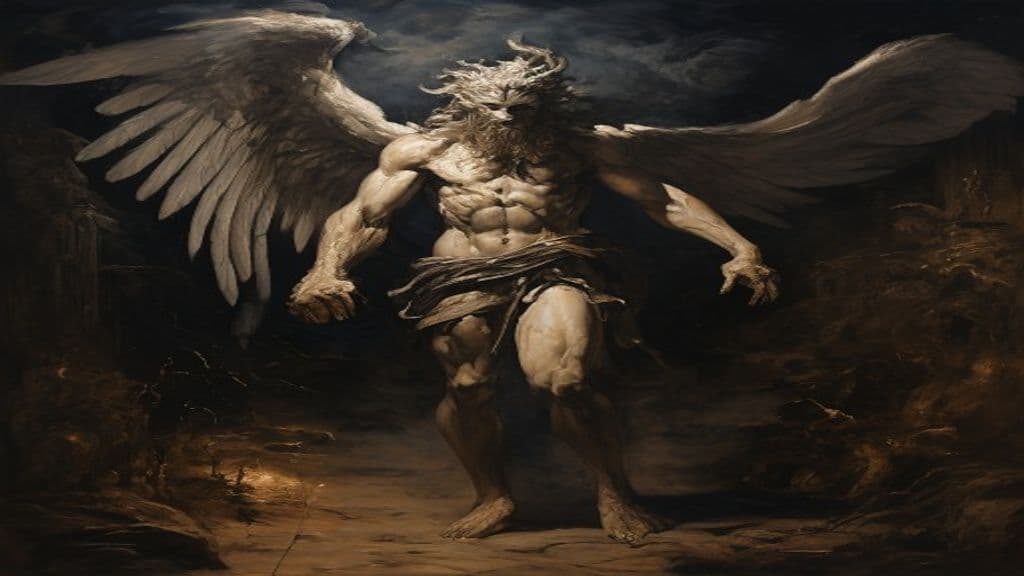
Coeus is named among the generation of Titans born to the primordial pair Uranus (Sky) and Gaia (Earth). As one of the canonical twelve Titans in classical genealogical lists, he belongs to the elder divine order that was overthrown by Zeus and the Olympian gods in the Titanomachy and (in standard accounts) imprisoned in Tartarus. Through his union with his sister Phoebe he fathered the daughters Leto and Asteria, thereby linking the Titan generation to later Olympian and chthonic figures (notably Apollo and Artemis via Leto, and Hecate via Asteria's line). A localized tradition, recorded in later summaries, associates a variant form of his name (Κῶιος) with the island of Kos and reports him as an early inhabitant there.
Classical and summary sources do not provide a consistent or detailed physical description or distinctive iconography for Coeus. He is primarily an abstract, nominative presence in literary Titan lists and genealogies rather than a figure with a sustained descriptive tradition or widely attested cult image; surviving references preserve his name and relationships more than bodily attributes.
Surviving source material cited in the provided notes does not attribute specific powers, specialized functions, or recurring mythic behaviors to Coeus. He is principally significant as an ancestor within the cosmic genealogy. Standard tradition places him among the defeated Titans imprisoned in Tartarus after the Titanomachy; an isolated later report summarized in secondary sources mentions a post‑imprisonment episode in which he is said to have tried to escape and been repelled, but this story is not broadly attested in the primary mythic corpus.
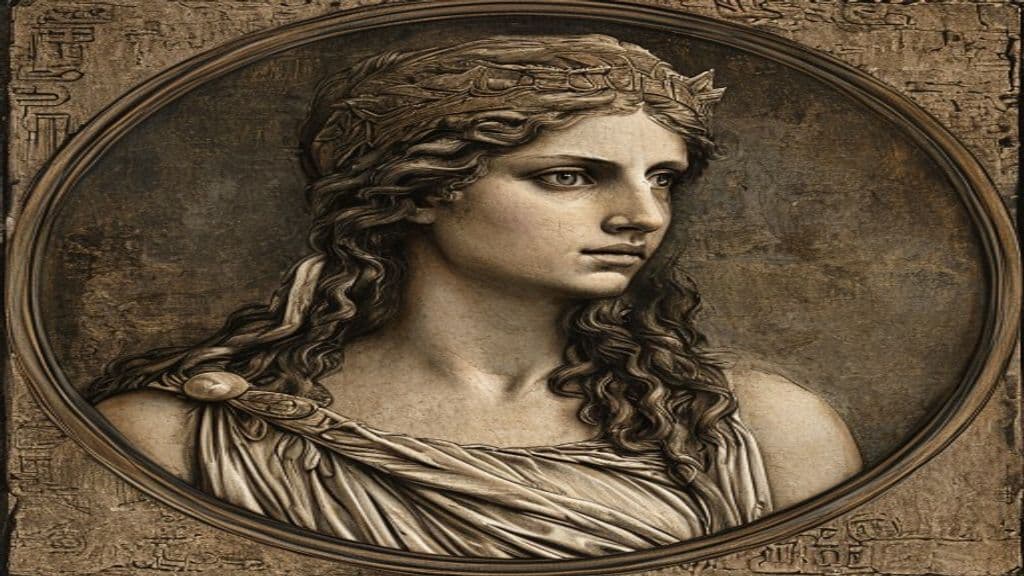
Phoebe
Phoebe (Ancient Greek: Φοίβη, 'bright') is a first‑generation Titan in Greek mythology, daughter of Uranus (Sky) and Gaia (Earth). The name Phoebe is also used as an epithet for lunar goddesses (Artemis/Diana, Selene/Luna) and has been recycled in modern taxonomy and nomenclature (a moon of Saturn, plant and animal genera), but these are distinct referents rather than a single supernatural persona.

Leto
Leto (Ancient Greek: Λητώ / Λατώ; Latin: Latona) is an ancient Greek goddess best known as the mother of the Olympian twins Apollo and Artemis. She functions in myth and cult as a kourotrophic (mother‑or nurse‑goddess) figure with important sanctuaries at Delos and the Letoon in Lycia, and appears in narratives that emphasize both mildness and the capacity to call down retribution when insulted.

Asteria
Asteria is a Greek mythic goddess, daughter of the Titans Phoebe and Coeus, associated with stars and with the island later identified as Delos. In myth she flees Zeus, transforms into a quail and then into an island that shelters Leto and hosts the birth of Apollo and Artemis; she is also named as mother of Hecate in Hesiodic tradition.
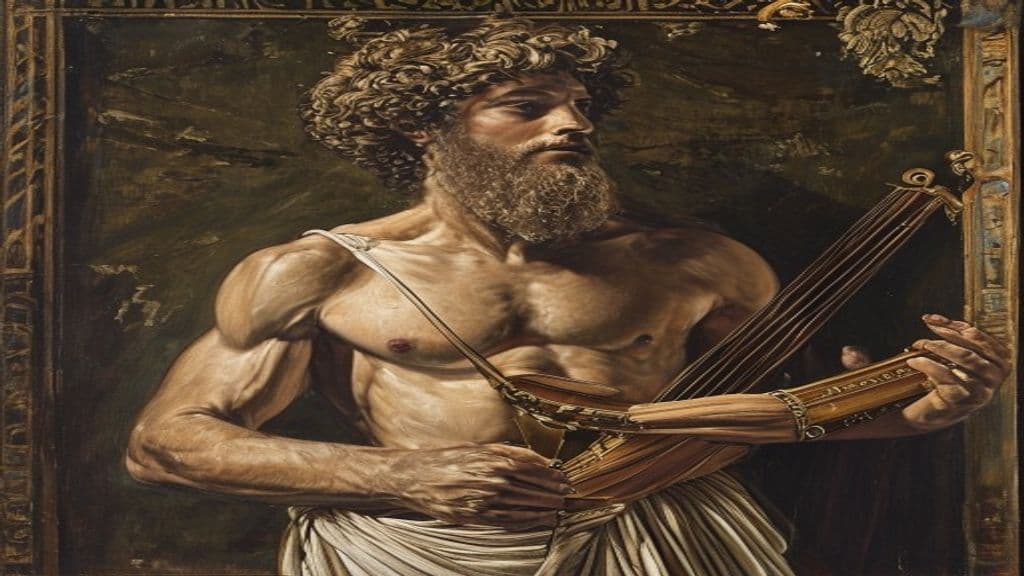
Apollo
Olympian deity of ancient Greek religion associated with prophecy, healing, music, archery, purification, and civic order. Principal patron of the Delphic oracle, protector of youth and flocks, and ambivalently both healer and bringer of plague.

Artemis
Artemis is an ancient Greek goddess of hunting, the wilderness and wild animals, transitions (especially childbirth and puberty), vegetation, and chastity. Twin sister of Apollo and daughter of Zeus and Leto, she functions as a protector of young children and maidens while also capable of inflicting disease or punishment for transgressions against her sacred laws.
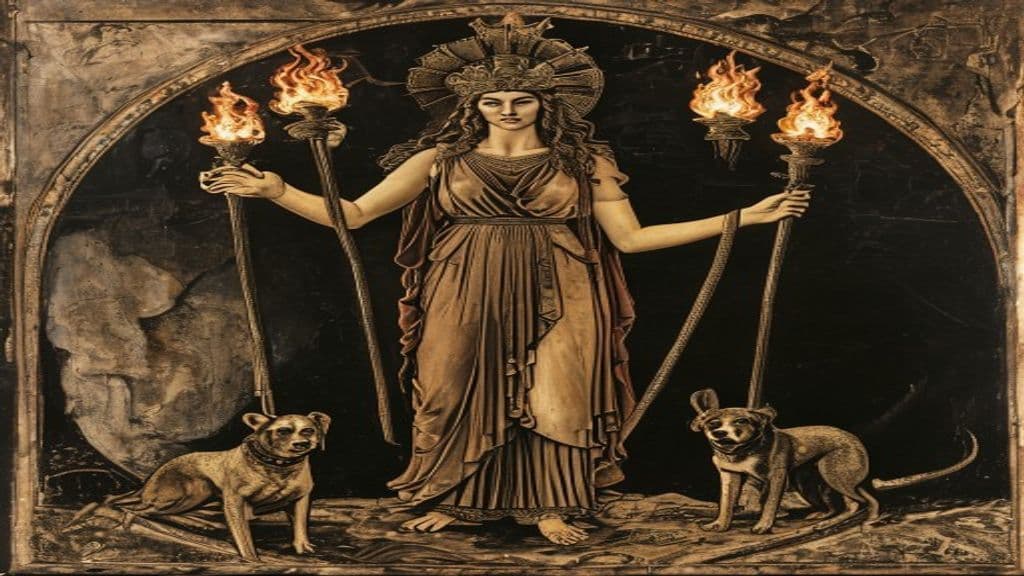
Hecate
Hecate (Ancient Greek: Ἑκάτη) is a liminal goddess in ancient Greek religion associated with crossroads, night, light, magic/witchcraft, the Moon, and household protection. She appears in early Greek poetry (Hesiod) with broad domains and in later traditions (notably the Chaldean Oracles) with expanded cosmological roles; she retained important regional cults, especially in Anatolia (Lagina) and had popular associations with witches in Thessaly.
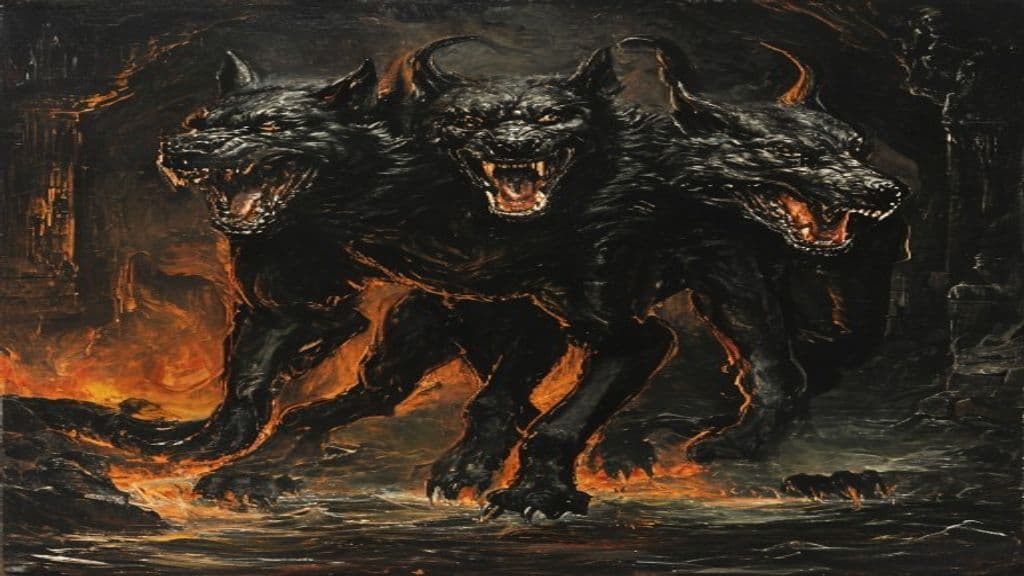
Cerberus
The three-headed hound of Hades, guardian of the underworld's gates — welcoming the dead in but allowing no shade to leave and no living mortal to enter uninvited.
Community Record
- [1]Coeus - Wikipedia. Wikipedia contributors, 'Coeus', Wikipedia, The Free Encyclopedia.wiki
- [2]Coeus - Wikidata entry Q182837. Wikidata, 'Coeus (Q182837)'.other
- [3]Summary notes (archive references cited in research materials). Archive summary materials cited among provided research notes.other
- [4]Tacitus (as summarized in secondary sources) — local association with Kos. Tacitus cited in modern summaries (per Wikipedia) as reporting a local tradition linking Coeus (Κῶιος) to the island of Kos.literary