Appears at the primordial moment or in the pre-creation state (chaos, primordial waters, or cosmic egg). In many traditions the Cosmic Man either emerges as the first being from primeval waters or chaos (examples cited: Atum emerging from Nun; Pangu emerging and shaping features of the Earth) or is a first human whose body is transformed or dismembered to become the material cosmos (examples cited: Purusha's dismemberment in Vedic accounts, Ymir's body supplying earth, sea and mountains, Marduk's use of Tiamat's body). The archetype functions as both ontological origin—source material or template for the world—and as an emblem of unity from which multiplicity arises.
Varies by tradition but commonly presented as a primordial, cosmic-sized human or giant; in comparative and Jungian treatments the figure is frequently described as combining masculine and feminine principles (often characterized as hermaphroditic or bisexual). Specific named examples in the source material include hermaphroditic Phanes (Greek), the primeval giant Ymir (Norse), female cosmic giant Kujum-Chantu (North East India), and culture-specific creator-figures such as Pangu (Chinese) and Atum (Egyptian). A recurrent motif is bodily transformation or dismemberment whereby parts of the being become mountains, seas, earth, and other features of the universe.
Principal function is creative/generative: serving as a seed or raw material for the cosmos. Creation commonly proceeds via the being's emergence, procreative acts, death, dismemberment, or transformation to yield the world's physical components, gods, or humankind (examples cited: Purusha, Ymir, Pangu, Marduk/Tiamat narrative, Atum giving rise to Shu and Tefnut). Psychologically, in Jungian accounts the Cosmic Man symbolizes the Self and the union of opposites and is implicated in individuation for individuals and collectives.
Weaknesses
- otherNo consistent weaknesses documented — the archetype functions symbolically and cosmogonically rather than as an adversarial being requiring defeat or containment in the provided sources.
Wards
- otherNo documented wards or protective measures against the Cosmic Man in the provided material; the sources do not record rituals or practices for warding against this archetype.
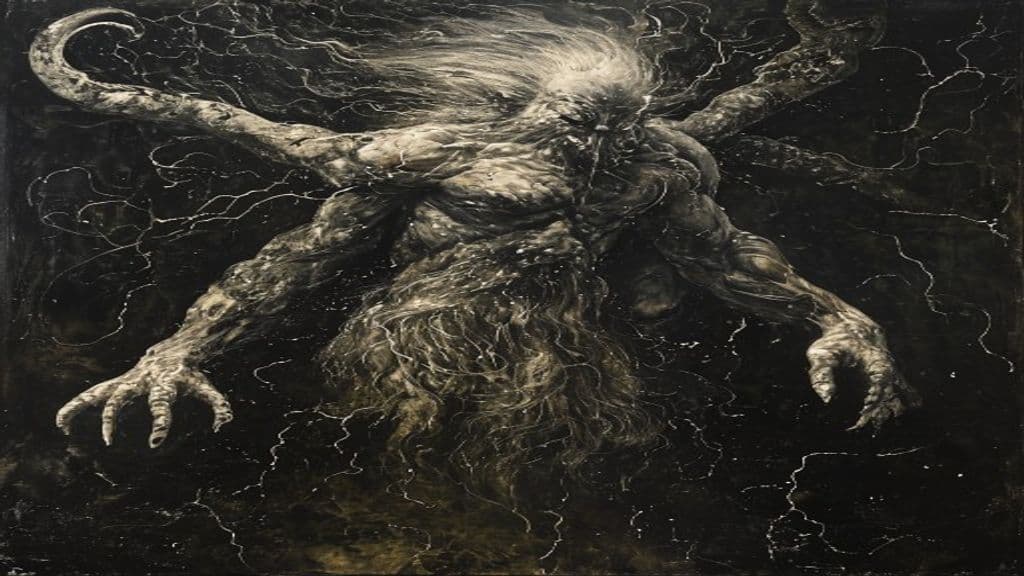
Ymir
Ymir is the primeval progenitor in Norse myth whose body is transformed by the gods into the material world; he is named in the Poetic Edda and the Prose Edda as ancestor of the jötnar and a source-substance for earth, sea, mountains, sky and more.
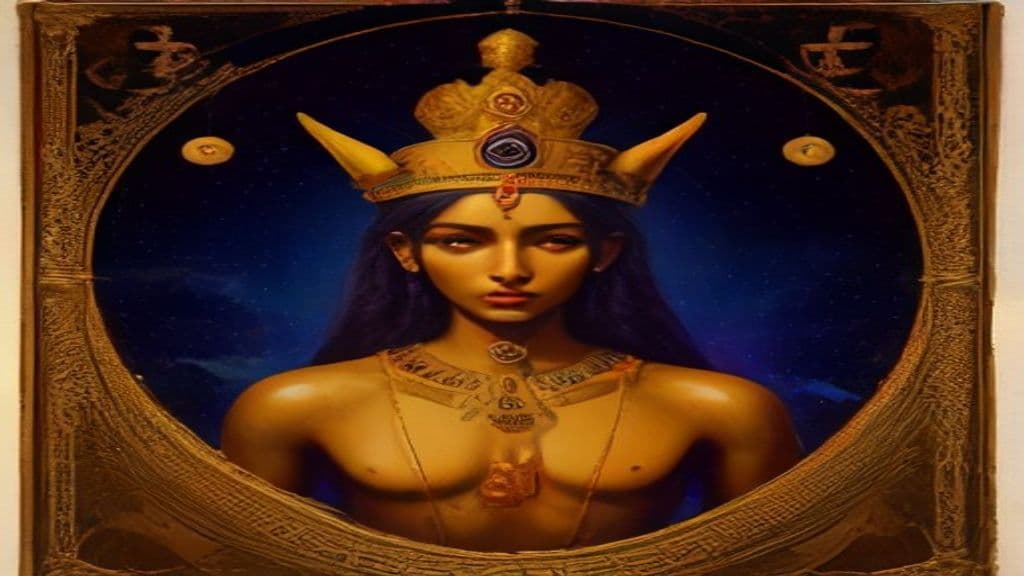
Atum
Atum is the primordial self-created deity of ancient Egyptian religion who emerges from the primeval waters (Nu) and brings forth the first gods. Associated with the primeval mound (benben) and the evening aspect of the sun, Atum functions as an origin and as a figure tied to funerary literature and royal afterlife ideology.
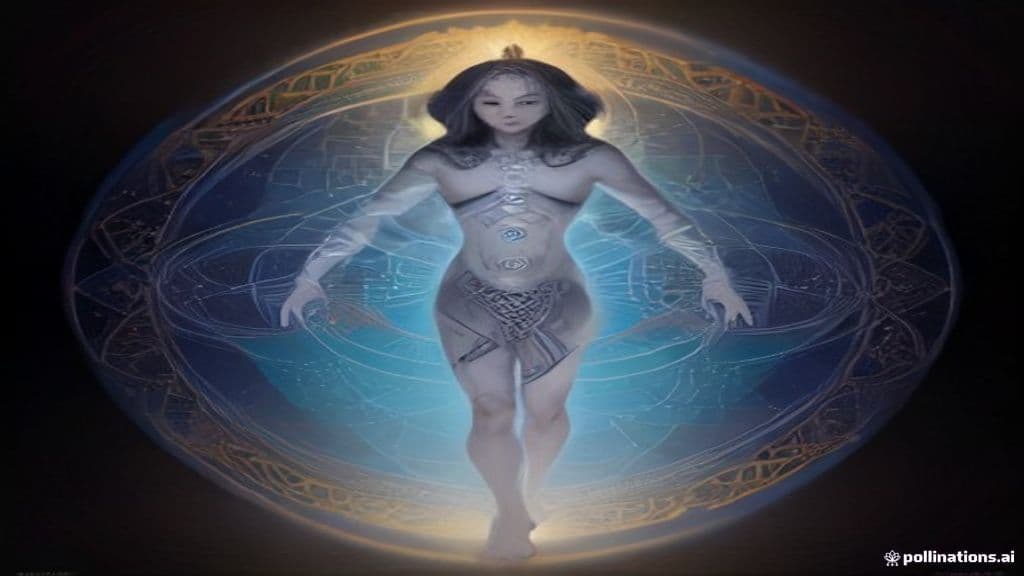
Adam Kadmon
Adam Kadmon (Hebrew: אָדָם קַדְמוֹן) is the Kabbalistic Primordial Man: a supra‑human, archetypal pattern or persona projected at the first stage of creation after God's contraction (tzimtzum). It is a metaphysical template corresponding to the highest aspect of divine intention and the sefirotic structure rather than a historical, corporeal individual.
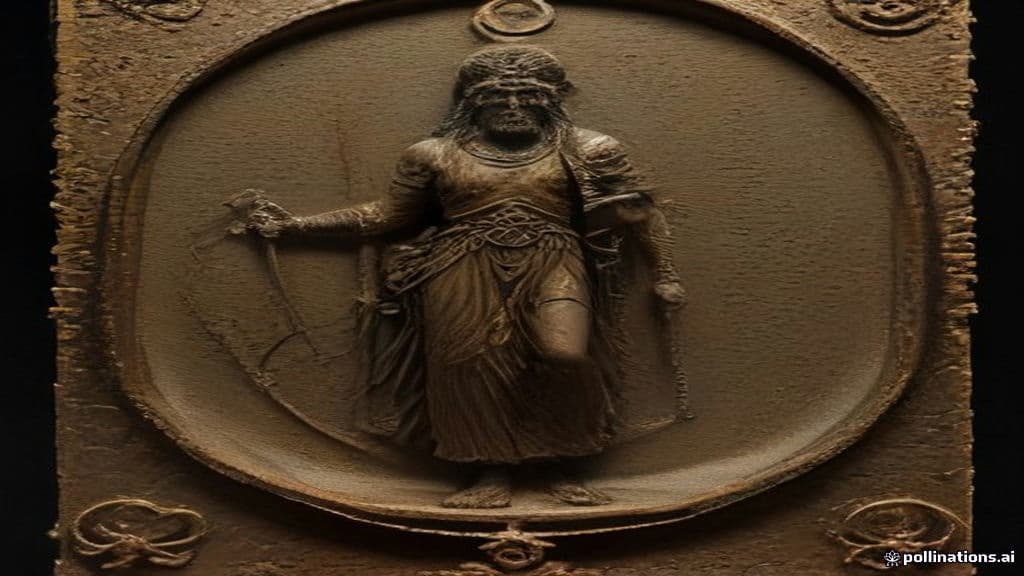
Marduk
Marduk is the chief deity of Babylon in Mesopotamian religion who, in canonical texts such as the Enūma Eliš and hymns, is elevated to a supreme god-king associated with creation, justice, water, agriculture, magic and medicine. Historically his prominence grew alongside Babylonian political power from sparse early attestations to a leading position in the second millennium BCE and later astral association with Jupiter.
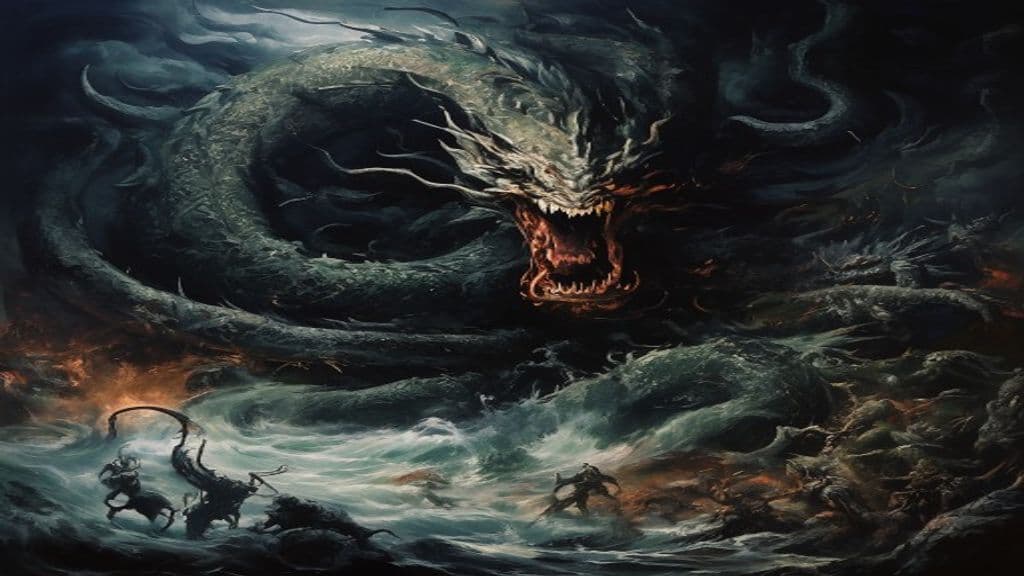
Tiamat
The primordial salt-sea dragon of Babylonian creation myth — the chaos-mother from whose slain body the universe was built, and whose blood became the first humans.
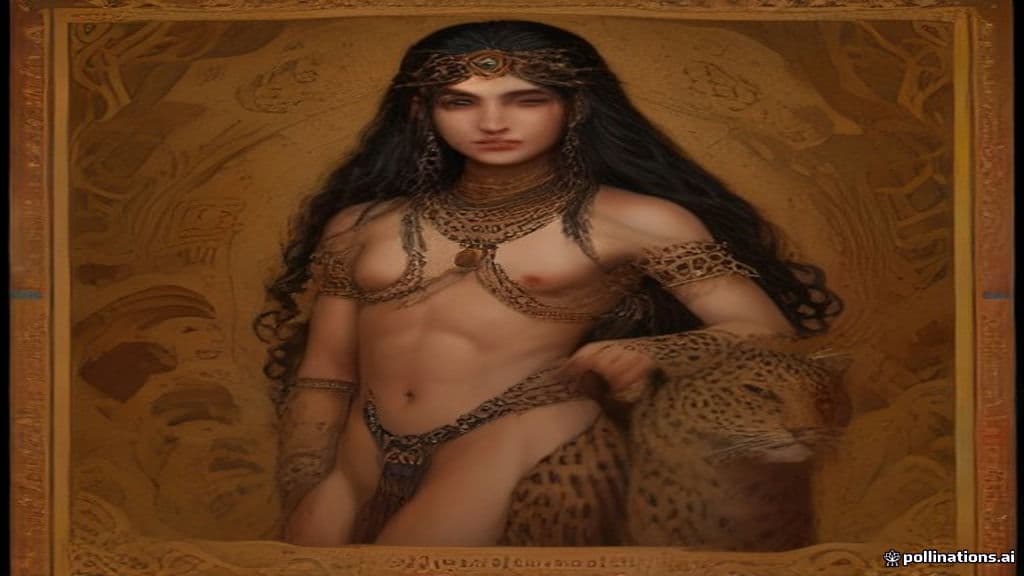
Keyumars
Keyumars (Avestan Gayōmart, Middle Persian Kayōmart) is the primordial human figure and first sovereign in Iranian myth. In Zoroastrian cosmogony he appears as the original mortal in creation narratives; in epic Persian tradition (notably Ferdowsi's Shahnameh) he is the archetypal first king and lawgiver who inaugurates royal practice and social order.
*Péh₂usōn (reconstructed)
Péh₂usōn is a hypothetical Proto‑Indo‑European pastoral guardian reconstructed by comparative scholars from parallels in Greek and Vedic traditions. Proposed as a Graeco‑Aryan ancestor‑figure, the reconstruction describes a protector of flocks, roads, and travellers rather than an attested historical cultic personality.
Abhimanyu
Abhimanyu is a youthful Kuru/Pandava warrior-hero in the Sanskrit epic Mahābhārata. Son of Arjuna and Subhadra, he is famed for entering the Chakravyuha battle formation on the thirteenth day of the Kurukshetra War and dying at age sixteen; his posthumous son Parikshit continues the Kuru line.
Achyuta
Achyuta (Sanskrit: अच्युत, acyuta) is primarily an epithet/theonym in Vaishnava Hindu tradition applied to Vishnu and Krishna, signifying the divine quality of being 'not fallen' — immutable, infallible, and imperishable. It functions as a devotional name in scripture, liturgy, and Pancharatra lists of divine emanations rather than as an autonomous folkloric spirit.
Acintya
Acintya is an Indonesian Hindu theological-symbolic representation of the ineffable supreme divine principle. In Balinese and Javanese practice it functions as a way to make ultimate reality present in ritual and art—often aniconically as an empty throne (padmasana) or anthropomorphically as a naked, flame-surrounded figure—rather than as a narrative, intervening deity.
Adi (asura)
Adi is attested in modern reference works as the name of an Asura who 'appears in the Matsya Purāṇa.' Beyond this single-line citation in secondary sources, no descriptive material about the figure is provided in the supplied research notes.
Adi Shakti
Adi Shakti (also Adi Parashakti, Mahadevi, Adya Shakti) is the primordial feminine power in Hindu/Shakta theology, regarded as the ultimate reality (Para Brahman) and the source from which all goddesses and gods manifest. She is both an impersonal cosmic principle (Mulaprakriti) and a focus of devotional invocation in temples, mantras, and pilgrimage sites such as Shakti Peethas.
Adi Vinayaka
Adi Vinayaka (Ādi Vināyaka; also called Nara Mukha Vinayaka) is a named iconographic and devotional form of the Hindu god Ganesha portraying the deity with a human head, described in sources as the form before the episode of decapitation by Shiva. It is rarely worshipped and appears in a small number of South Indian shrines and in devotional/musical repertoires.
Adils
Adils (Old Norse Aðils; also Eadgils, Adillus, Athisl, Adhel) is a semi‑legendary sixth‑century Swedish king attested in Old Norse saga material and later medieval traditions. He appears in saga episodes as a storied royal figure involved in warfare, court acts, and marriage suits rather than as a supernatural being.
Aditi
Aditi is a major Vedic goddess in Hindu tradition who personifies the boundless, infinite cosmic principle and functions as the maternal matrix from which many celestial deities (the Ādityas and other groups) are born. In the Vedic hymns she is invoked as a protective liberator who guards petitioners, provides wealth and safety, and frees devotees from hindrances such as sin and sickness.
Agastya
Agastya (also Agathiyar/Agasti) is a revered Vedic and later-period Indian rishi (sage) figure credited in textual traditions as an inspired seer, ascetic, teacher, culture-founder, and attributed author of Vedic, Puranic and Tamil works; in South Indian tradition he is associated with origins of Tamil grammar and Siddha medicine and is identified astronomically with the star Canopus.
Aghasura
Aghasura is an asura from the Vaishnava/Hindu narrative tradition (notably the Srimad‑Bhāgavatam) who, at the command of Kamsa, assumed the form of a vast serpent to ambush Kṛṣṇa and the cowherd boys in Vṛndāvana. The episode demonstrates Kṛṣṇa’s protective, divine power as he enters and destroys the demon from within.
Agilaz (Egil)
Agilaz (reconstructed Proto-Germanic) — commonly recorded in medieval sources as Egil or Ægil — is a legendary archer attested in Germanic heroic tradition. He appears as the brother of Völund (Wayland/Weland) in the Old Norse poem Völundarkviða and in the Thidreks saga, and his name is also inscribed on early medieval objects (Franks Casket, Pforzen buckle). The attested material presents him as a named heroic human archer within saga and inscriptional contexts rather than as a recurrent supernatural species.
Community Record
- [1]Cosmic Man. Wikipedia contributors. "Cosmic Man." Wikipedia, The Free Encyclopedia.wiki
- [2]Wikidata: The Cosmic Man. Wikidata entry Q12742184.wiki
- [3]Archive snapshot referencing comparative material. Archive.org mirror of related summary material.other
- [4]What is Humanism? featuring Dr. Dan Dana. Archive.org recording included in source list.other
- [5]CIA Reading Room: related archived document. Archive.org copy of referenced document included in source list.other