
The modern label engkanto derives from the Spanish encanto ('enchantment'); Spanish colonial observers applied the term to a wide variety of local supernatural races. Indigenous categories such as anito (ancestor spirits) overlap with engkanto in Philippine cosmologies. Scholarly discussion records both indigenous strata (place‑linked and ancestor‑related beings) and colonial influence on the category; Francisco Demetrio collected and analyzed engkanto stories and argued for layered influences in the tradition (including contact with Europeans) rather than a single origin.
Descriptions are highly variable: engkanto often resemble humans in sex, age, and susceptibility to illness, yet give off a distinctive otherness. Some accounts depict them as unusually beautiful—blue eyes, fair complexion, golden hair—while other groups are described with different traits (e.g., high‑bridged noses, absent philtrums, or dark‑skinned 'itim na engkanto'). Sexual dimorphism is reported in ethnographic examples. Their dwellings are typically natural features such as large rocks and trees (notably balete), shadows, or other conspicuous landscape markers; to favored humans they may appear as magnificent palaces.
Engkanto display a dual and variable repertoire: they may be beneficent—bringing luck, wealth, power, or serving as spirit‑guides (abyan) to shamans/babaylan—or malevolent—causing depression, madness, fevers, skin diseases (boils), leading travelers astray, disappearances, kidnapping, or enchantment. They can appear in human or animal (often bird) form, mate with humans in folk narratives, and possess or induce trance‑like states; shamans commune with engkanto to obtain healing power and to negotiate or counteract malign influence.
Weaknesses
- othersocial/ritual mediation by babaylan (shamanic negotiation)
- substanceanting-anting / agimat (protective amulet or charm)
Wards
- substanceanting-anting / agimat (magical charm or amulet used to ward away engkanto)
- ritualBabaylan mediation (shamanic intervention and communion with engkanto)
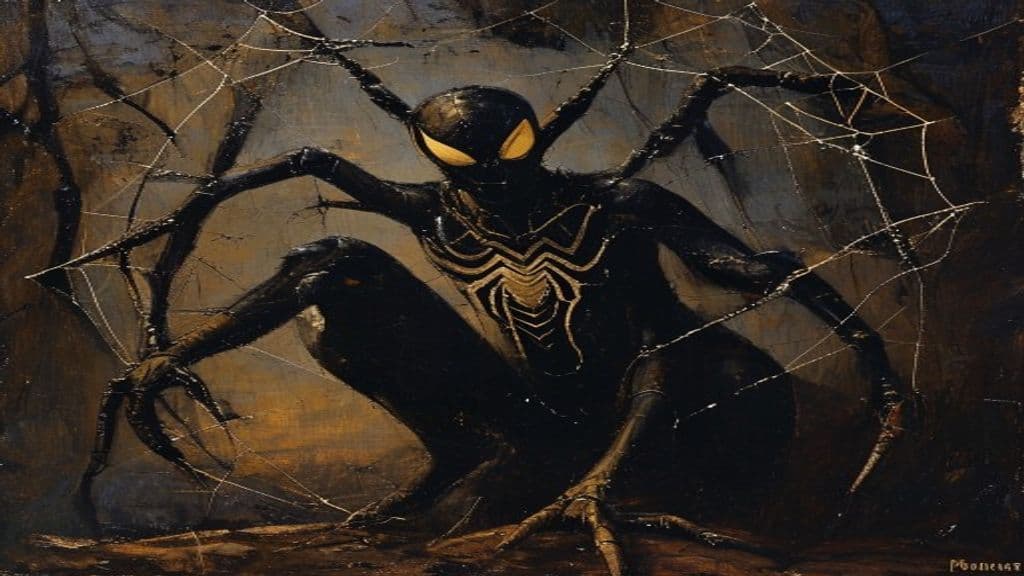
Anansi
The spider trickster god of Akan folklore — cunning, mischievous, and wise. Keeper of stories and teacher of human beings, brought through the slave trade into Caribbean and African-American tradition.

Duwende
A Filipino folkloric small humanoid being described in source materials as 'smaller people'—normal-looking humans of miniature stature—often compared in English-language descriptions to elves or leprechauns.
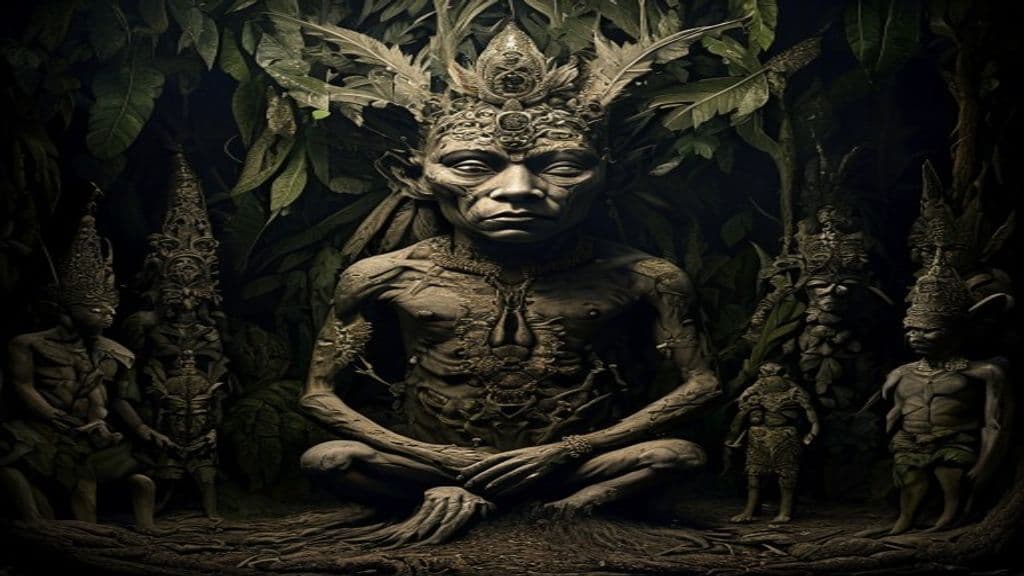
Anito
Anito is a category of non‑human and post‑human spiritual beings in indigenous Philippine animistic worldviews, encompassing ancestor spirits, nature spirits/local deities, and sometimes carved effigies (taotao) that house or represent those spirits. They mediate relations between the living and the unseen world, functioning as household guardians, owners of places, intercessors, or occasional agents of harm when offended.
Duwende
A Filipino folkloric small humanoid being described in source materials as 'smaller people'—normal-looking humans of miniature stature—often compared in English-language descriptions to elves or leprechauns.
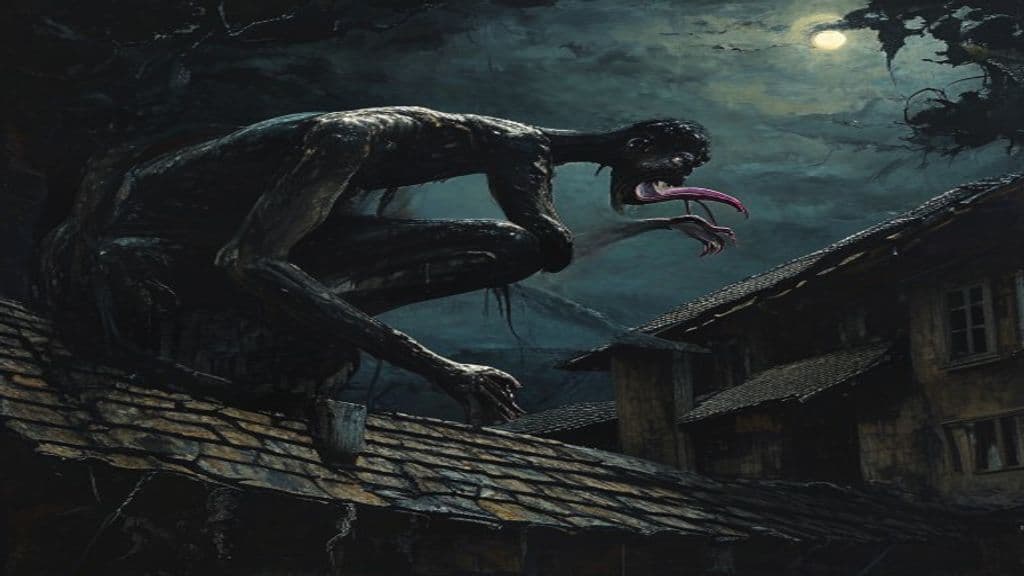
Aswang
The most feared supernatural being in Philippine folklore — a shape-shifting monster that appears human by day but transforms at night to prey on pregnant women and children.
Busaw
A malign corpse‑stealing being that resembles humans by day, lives near burial grounds, and preys on freshly dead corpses—stealing them from coffins, transforming them into pigs, and consuming them. It also attempts to spread its condition by feeding stolen human flesh to neighbors.
Enceladus
Enceladus is the sixth-largest moon of Saturn, a bright, geologically active icy satellite noted for south-polar cryovolcanic plumes and a subsurface ocean. In the supplied sources it is treated as an astronomical and scientific subject rather than a figure in folklore or a supernatural being.
Enchanted Moura
The Enchanted Moura (moura encantada) is a female supernatural figure in Portuguese and Galician folklore: an enchanted, often shapeshifting inhabitant of liminal landscape sites, noted in tales for great beauty (frequently combing long hair) and for association with stonework and the moving of heavy masonry.
Endeïs
Endeïs is a mythological mortal woman—variously called a nymph, princess, or queen—who, as wife of King Aeacus of Aegina, functions in Greek genealogical traditions as the mother of Telamon and Peleus. She is portrayed chiefly in domestic and dynastic roles whose enmity toward her stepson Phocus leads to his murder and the exile of her sons, positioning later heroic lineages (Ajax, Teucer, Achilles).
Endymion
Endymion is presented in the supplied sources as a figure of Ancient Greek mythology identified as a shepherd. The corpus provided mainly records this basic identification and documents numerous later, derivative uses of the name across poems, fiction, visual arts, scientific nomenclature, and named places or objects (e.g., Keats's poem, fictional characters, a lunar crater, an asteroid, ships, and taxonomic usages).
Enenra
Enenra (煙々羅, en'enra; sometimes enraenra 煙羅煙羅) is a yōkai of Japanese folklore described as a being composed of smoke and darkness that mostly resides in bonfires and may emerge taking human shape; sources state it can only be seen by the pure of heart and that two types exist: those born as enenra and rarer cases of humans transformed after death.
Enfield Poltergeist
A widely publicized alleged instance of poltergeist activity at 284 Green Street, Brimsdown, Enfield, London, reported between 1977 and 1979. The case is treated in sources as an example of disruptive, localized poltergeist phenomena centered on a household and its occupants and is the subject of investigative, skeptical, and popular-media treatments.
Enide (Enid)
Enide (Welsh: Enid) is a human literary character from medieval Arthurian romance, depicted as the wife of the heroes Erec (in Chrétien de Troyes' Erec and Enide) and Geraint (in the Welsh romance Geraint and Enid). She functions as a courtly lady whose love, loyalty, and speech catalyze the hero's testing, restoration of honor, and reconciliation of domestic affection with knightly duty.
Enki (Ea)
Enki, also known by the Akkadian form Ea, is a major Mesopotamian deity associated with wisdom, crafts, magic and incantations, and the freshwater deep called the Abzû. Centered at the cult-city Eridu (temple E‑Abzû), he functions in myths as a crafty counsellor, culture‑hero and creator figure who aids humans and orders aspects of the world.
Enkidu
Enkidu is a legendary Mesopotamian 'wild man' figure from Sumerian and Akkadian Gilgamesh-cycle compositions, created to oppose Gilgamesh and later becoming his companion; his death and subsequent role as a shade shape Gilgamesh's reflections on mortality.
Enkimdu
Enkimdu is a Sumerian/Akkadian deity who personifies and presides over irrigation engineering — embankments, ditches, canals and the practical arts of cultivation. He appears in god lists and multiple literary texts where he is entrusted with preparing agricultural constructions and participates as the agricultural counterpart in disputation poems.
Enlil
Enlil is a principal deity of ancient Mesopotamia, originally preeminent in the Sumerian pantheon as a supreme lord who orders the world by separating heaven (An) from earth (Ki). His principal cult center was the E-kur temple at Nippur, and his cult practices focused on daily offerings and priestly care of his cult statue; mythic traditions portray him as both benefactor and punisher in the administration of cosmic and social order.
Community Record
- [1]Engkanto. Wikipedia contributors. 'Engkanto.' Wikipedia, The Free Encyclopedia.wiki
- [2]The Engkanto Belief: An Essay in Interpretation. Demetrio, Francisco. 'The Engkanto Belief: An Essay in Interpretation.' Asian Ethnology.academic
- [3]Philippino Folklore: Pagtatawas, Mantanda sa Punso and Engkantos | USC Digital Folklore Archives. USC Digital Folklore Archives. 'Philippino Folklore: Pagtatawas, Mantanda sa Punso and Engkantos.'folk
- [4]S02Ep05. Probinsya Supernaturals (archive listing). Probinsya Supernaturals. 'S02Ep05.' Archive.org listing.other