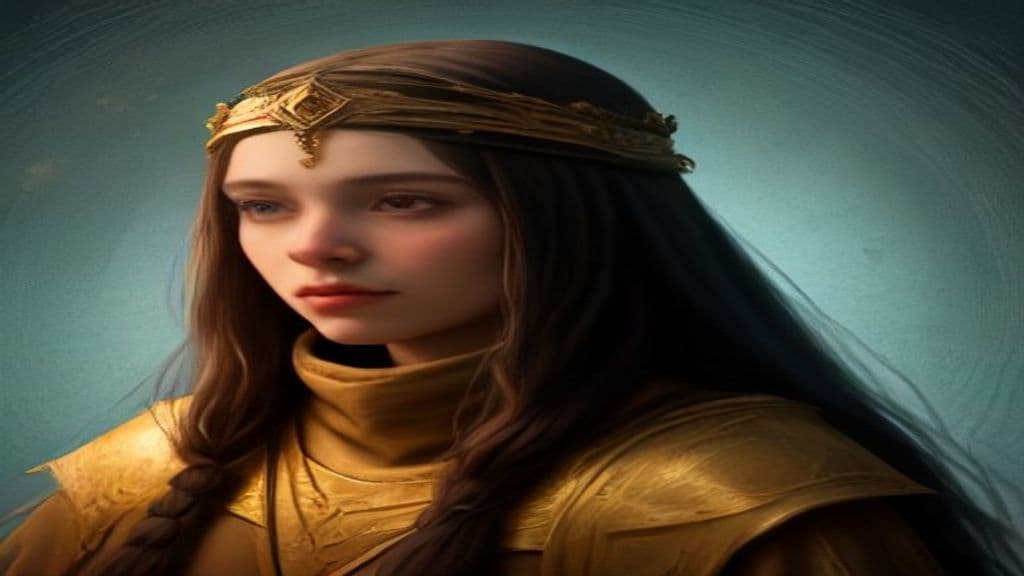
Fulla is attested in medieval Germanic texts rather than a single coherent origin narrative. In Old Norse prose contexts (Poetic Edda prose introduction to Grímnismál; Snorri Sturluson's Prose Edda, Gylfaginning/Skáldskaparmál) she appears as one of the ásynjur who serves Frigg and acts as her confidante. In the Old High German Merseburg Incantation (the 'horse cure') Volla appears as a named singer who, with Friia/Frigg and other figures, aids in healing an injured foal. The sources do not provide a creation or birth myth for Fulla; rather, she appears embedded in the household of Frigg and in ritual-charm tradition.
Primary descriptions are limited: Snorri's Gylfaginning describes Fulla as a virgin who lets her hair flow and wears a gold band around her head. Poetic diction supplies a kenning-like association with gold (e.g., terms such as 'Fulla's snood' used poetically for gold). No further physical or iconographic attributes are preserved in the supplied texts.
The surviving sources record particular roles and actions rather than a catalogue of supernatural powers. Fulla functions as Frigg's attendant who tends Frigg's eski (box) and footwear and is a confidante in whom Frigg 'confides secrets' (Prose Edda, Gylfaginning). In the Poetic Edda prose introduction to Grímnismál she is sent by Frigg to warn the human king Geirröðr of an impending visit and advises a test for detecting the disguised visitor. In the Old High German Merseburg Incantation Volla ('her sister' to Friia) 'sang charms' as part of a sequence of named singers effecting the healing of Balder's foal. Beyond these attestations the sources do not ascribe additional powers such as broad fertility magic or world-altering abilities; etymology connects her name to 'fullness' or 'plenitude', which scholars note as suggestive but not conclusive evidence of a fertility aspect.
Weaknesses
- otherNo weaknesses attested in the provided sources
Wards
- otherNo wards or protective prescriptions against Fulla are recorded in the provided texts
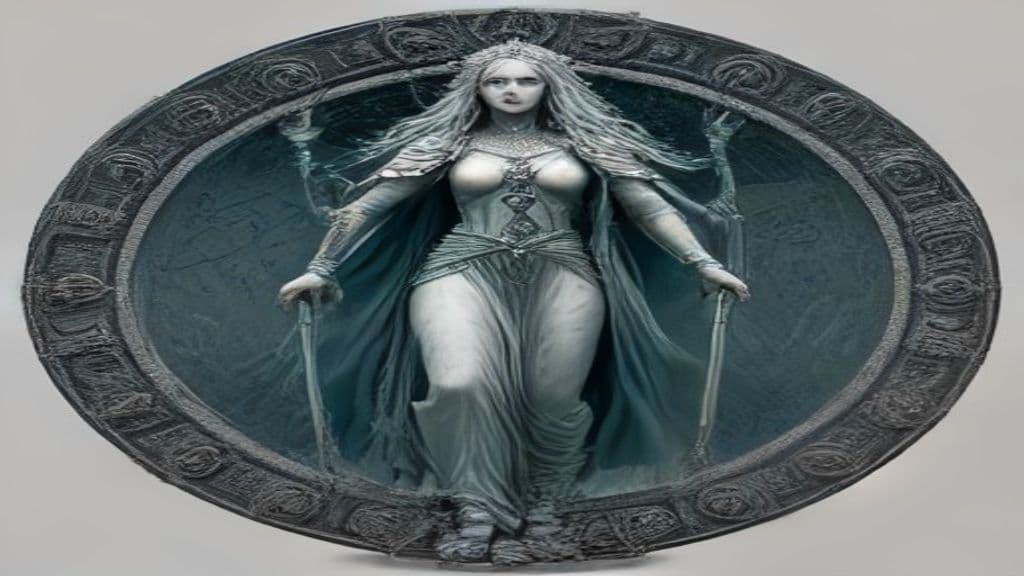
Frigg
Frigg is an Old Norse goddess of the Æsir, foremost among the pantheon as Odin's wife, associated with marriage, motherhood and foresight. She dwells in Fensalir and is attested across North and West Germanic traditions (Old Norse Frigg; Old English Frīg; Old High German Frīja; Lombardic Frea). Her name survives in the weekday Friday and persisted in Scandinavian folklore after Christianization.
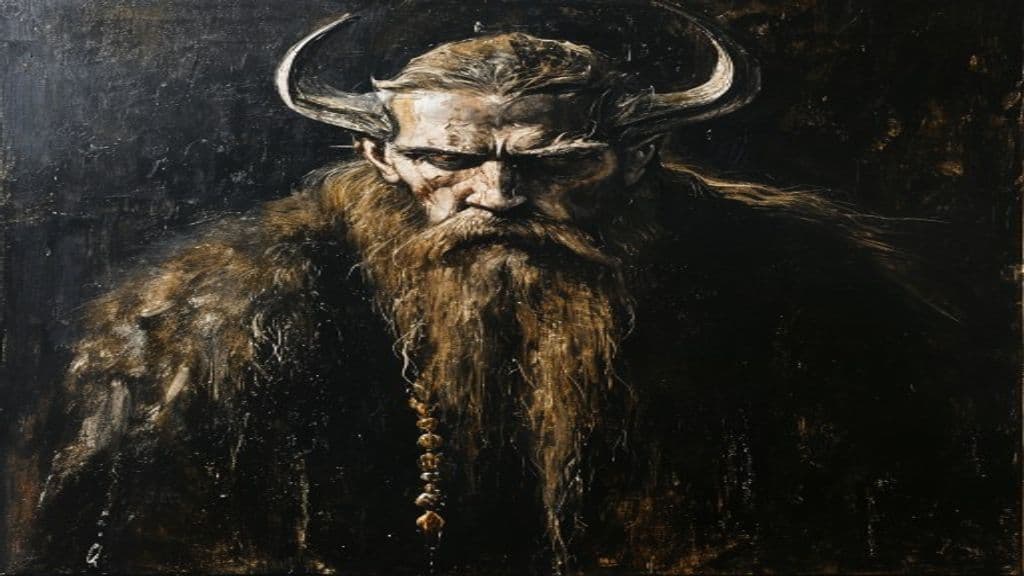
Baldr
Baldr (Old Norse Baldr; Old English Bældæġ; Old High German Balder/Palter) is a god in Germanic mythology. In the Norse branch he is named as a son of Odin and Frigg and as a member of the Aesir, attested alongside brothers such as Thor and Váli in the supplied sources.
Agnarr Geirröðsson
Agnarr Geirröðsson is a mortal prince attested only in the Poetic Edda poem Grímnismál; he aids Odin (disguised as Grímnir) during Geirröðr's torture and, after Odin reveals himself and King Geirröðr dies, Agnarr succeeds as king.
Alp
A German nightmare demon — often the projected spirit of a living person — who sits on sleeping victims' chests causing terrifying dreams, sleep paralysis, and wasting illness.
Anund (Bröt-Anund)
Anund, commonly known by the byname Bröt-Anund ('trail‑blazer' or 'land clearer'), is a semi-legendary Swedish king of the Yngling dynasty attested in early Norse genealogical poetry and saga prose. Sources credit him with avenging his father in Estonia, accumulating wealth, promoting settlement by clearing land and making roads, and dying under ambiguous circumstances (landslide or killing).
Aurvandill
Aurvandill is a figure attested in medieval Germanic onomastics and Norse narrative, most famously remembered in an Old Norse tale where Thor carries him across icy rivers and his frozen toe is cast into the sky as the star called Aurvandils-tá. Comparative linguistic study reconstructs a Common Germanic name associated with dawn or the morning star.
Baldr
Baldr (Old Norse Baldr; Old English Bældæġ; Old High German Balder/Palter) is a god in Germanic mythology. In the Norse branch he is named as a son of Odin and Frigg and as a member of the Aesir, attested alongside brothers such as Thor and Váli in the supplied sources.
Beaduhild (Böðvildr)
Beaduhild (Old Norse Böðvildr; Old English Beaduhild/Beadohild; also Bodil, Badhild) is a legendary human princess in Germanic heroic tradition whose life is entangled with the smith Wayland (Weland/Vǫlundr). In earlier sources she appears as a tragic victim in the Weland cycle; in later Scandinavian recensions she is recast as Wayland's wife and the mother of a heroic descendant (Viðga).
Billingr
Billingr is a named paternal figure in Old Norse sources, best attested as the father of a maiden whose household prevents Odin from consummating a nocturnal rendezvous (Hávamál stanzas 96–102). Manuscript and kenning evidence leave his taxonomic identity (dwarf or jötunn) ambiguous.
Deutsche Mythology
A collection of mythological narratives representing the collective myths, legends, and beliefs of ancient Germanic cultures. (Note: 1. Power tier: Primordial (Deutsche Mythology as a collective mythological narratives does not have supernatural abilities and behaviors attributed to it; rather, it contains those of individual Germa)
Domalde (Dómaldi)
Domalde (Old Norse Dómaldi/Dómaldr) is a legendary Swedish king of the Yngling dynasty whose reign is associated with prolonged famine. In Old Norse sources his personal ill‑luck (ósgæssa), said to be caused by a curse from his stepmother, is presented as coterminous with the land's fertility; communal cultic escalation culminates in the king's sacrificial killing and the restoration of good harvests.
Dwarf (folklore)
A type of supernatural, human-shaped being in Germanic tradition associated with subterranean places, craft (notably metalwork), and a liminal role between nature and culture. In Norse mythic sources dwarfs function as artisan-makers of powerful objects for gods and occasionally appear in folktales as magical servants bound to objects.
Eadgils (Aðils / Adils)
Eadgils is a semi-legendary 6th-century Swedish king of the Yngling/Skilfing dynasty attested in Old Norse skaldic poetry and sagas and in the Anglo-Saxon epic Beowulf. Sources present him as a dynastic figure whose exile, restoration, and conflicts (notably with Onela/Áli and later associations with Hrólfr Kraki) explain succession and inter-kingdom violence; he is treated as a mortal ruler rather than a supernatural being.
Erlking
A sinister Germanic spirit of forest and mist who takes children — appearing to them as a welcoming figure while adults see nothing, the child dying in its parent's arms.
Community Record
- [1]Fulla — Wikipedia (summary of attestations and scholarship). Wikipedia: 'Fulla' article (summarizes attestations in the Poetic Edda, Prose Edda, and Merseburg Incantation; discusses etymology and scholarly interpretations).wiki
- [2]Merseburg Incantation ('Horse Cure') — text and translation (as cited in research notes). Merseburg Incantation: preserved Old High German charm naming Volla (Fulla) among singers who perform the healing (quoted lines in research notes).literary
- [3]Prose Edda — Gylfaginning (Snorri Sturluson) — description of Fulla. Snorri Sturluson, Prose Edda (Gylfaginning): Fulla described as virgin with flowing hair and gold band; tends Frigg's eski and footwear; Frigg confides secrets to Fulla (cited in research notes).literary
- [4]Poetic Edda — prose introduction to Grímnismál (attestation of Fulla as messenger). Poetic Edda (prose introduction to Grímnismál): Frigg sends Fulla to warn the king Geirröðr and Fulla advises a detection method for the disguised magician (cited in research notes).literary
- [5]Scholarly commentary summaries (Lindow, Simek, Davidson) — interpretive notes. Modern scholars (e.g., John Lindow, Rudolf Simek, Hilda Ellis Davidson) note the etymological connection of Fulla to 'fullness' and discuss possibilities that she represents fertility or is an aspect/alias of other goddesses; the sources remain fragmentary and inconclusive (as summarized in the research notes).other