
The supplied sources do not record a mythological or supernatural origin story for Gigantius. Documentary records and news coverage situate Gigantius as a modern civic processional figure associated with a local foundation (Stichting Reuzengilde Gigantius Maastricht) and appearing in public parades; the foundation and parade records are the only documented provenance in the supplied material.
The sources do not provide detailed specifications of construction materials, dimensions, or costume. Photographic captions and news captions identify Gigantius as an anthropomorphic stadsreus pictured in processions and birthday parades, often shown surrounded by guild members (Gildeleden), consistent with European large parade-giant forms, but precise visual details are not described in the cited records.
No supernatural powers are attributed to Gigantius in the provided material. Documented activities are performative and civic: appearing in processions and parades (including a birthday parade in Maastricht) and participating in international gatherings of processional giants, organised and supported by the local Reuzengilde/Foundation which arranges appearances and escorts the figure during events.
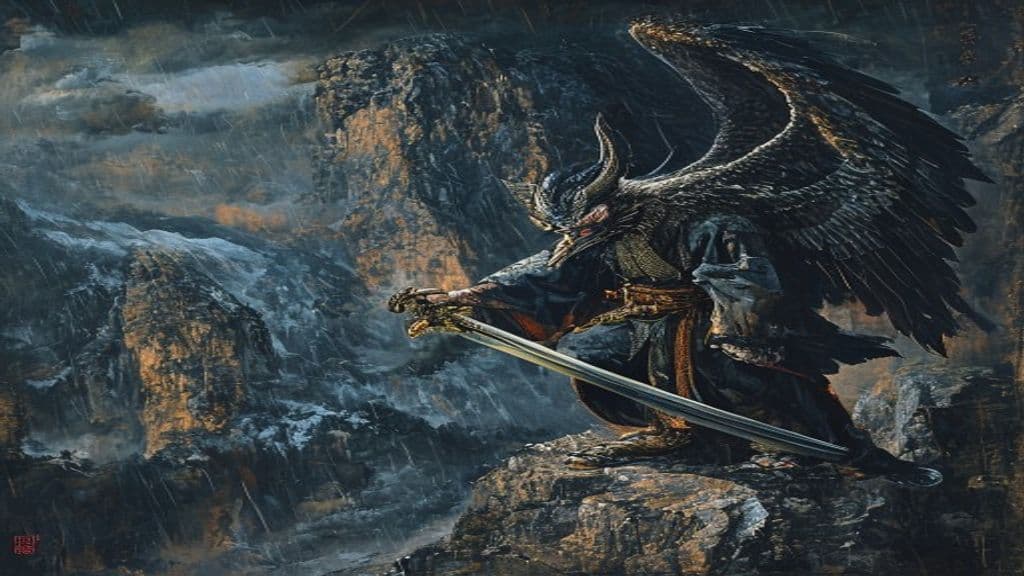
Gibborim
A Hebrew term (plural of gibbor) meaning "mighty ones," used in the Hebrew Bible to denote exceptional martial valor (e.g., David's mighty men) and, in later interpretation, applied to legendary or antediluvian "men of renown" sometimes associated with giants or Nephilim. The concept spans ordinary elite warriors to interpretive traditions of larger‑than‑life ancient figures.
Gibil (Girra)
Gibil (Akkadian Girra) is a Mesopotamian deity personifying fire in its constructive (furnaces, metallurgy, ritual purification) and destructive (lightning-set conflagrations, burning fields) aspects. He is attested in city cults (Shuruppak, Eridu, Nippur) and invoked in ritual and incantation literature (Maqlû, Šurpu, namburbi) for purification and counter-magic purposes.
Gideon Stargrave
Gideon Stargrave is a fictional comics character created by Grant Morrison in 1978 who functions as a pulp‑style 1970s spy archetype and as a metafictional persona adopted by other characters (notably King Mob) within Morrison's The Invisibles. The character exists as a literary construct and metatextual device rather than a supernatural being.
Gidim / Eṭemmu (Mesopotamian ghost)
The gidim (Sumerian) or eṭemmu (Akkadian) is the shade or continuing personal spirit of a deceased person in Mesopotamian religion. Created at death and received into the ordered netherworld (Irkalla) by the Anunnaki court, these spirits depend on funerary offerings and are implicated in a Mesopotamian causal world where neglect can produce illness and misfortune among the living.
Gigan
Gigan is a fictional kaiju from Toho's Godzilla franchise: a constructed, weaponized, avian-appearing monster presented in Showa continuity as an extraterrestrial creature transformed into a cyborg by the Nebulans and in Millennium continuity as an ancient bioweapon created by the Xilliens. He serves as an alien-deployed combatant and recurring antagonist in films, television, and related media.
Gigantes
In Greek myth the Gigantes (Gigantes) are a race associated with great strength and aggression who wage war against the Olympian gods in the Gigantomachy. Classical summaries (via Hesiod as reported in standard reference summaries) present them as offspring of Gaia born from the blood of Uranus after his castration by Cronus and as cosmological antagonists whose defeat helps establish Olympian order.
Gil-galad
Gil-galad is a fictional Elven king in J. R. R. Tolkien's Middle-earth legendarium, described as the last High King of the Noldor who founded a realm in Lindon, co-led the Last Alliance with Elendil against Sauron at the end of the Second Age, and died in the final hand-to-hand confrontation with Sauron.
Gilgamesh
Gilgamesh is a semi-divine legendary king of the Sumerian city of Uruk who features as the protagonist of a pan‑Mesopotamian epic tradition. Portrayed in literary sources as a demigod of superhuman strength, he is both a historical monarch recorded in king lists and a later object of cultic veneration.
Gingerbread Man
A cultural motif that exists both as a human‑shaped gingerbread biscuit and as an anthropomorphic figure in European fairy‑tale and modern media: in tales a baked gingerbread cookie 'comes to life', speaks, runs from pursuers, and in the canonical story is ultimately eaten by a fox. The figure functions as a seasonal culinary object and as a narrative character rather than a systematic spirit-type in traditional cosmologies.
Ginnungagap
In Old Norse myth, Ginnungagap is the primordial void or gaping chasm that existed before creation; positioned between the cold north (Niflheim) and the fiery south (Múspellheim), it is the liminal space where ice and sparks met and from which the primordial beings and the ordered world emerged.
Girra (Gibil)
Girra (Sumerian Gibil) is the Mesopotamian god/personification of fire, attested in offering lists and temple contexts from the Early Dynastic period through the Kassite period and later Assyrian and Uruk sources. He embodies both the purificatory and destructive aspects of fire and functions within temple ritual and purification practice; his emblem is a torch.
Girtablilu (Scorpion-man)
A hybrid human–scorpion figure attested in Akkadian-language mythic texts; the supplied source states that scorpion-men feature in several ancient Mesopotamian myths, including the Enûma Elish and the Standard Babylonian Epic of Gilgamesh.
Community Record
- [1]Het Utrechts Archief catalog 103583. Het Utrechts Archief, item 103583: 'Afbeelding van de 1e Utrechtse Reuzenoptocht ... met de Maastrichtse stadsreus Gigantius, omringd door de Gildeleden van de Stichting Reuzengilde Gigantius Maastricht.'other
- [2]BIGGNews2 — Maastricht coverage. BIGGNews2 captions: 'The lady on the left was just one of the giants at Gigantius' birthday parade in Maastricht, Lots more inside!' and 'Over eighty giants were invited to Maastricht from all over Europe...'other
- [3]Wikidata: Gigantius. Wikidata entry Q126284076 (Gigantius)wiki
- [4]Wikipedia: Maastricht. Wikipedia article on Maastricht (references to civic traditions and local culture)wiki