
There is no single origin story for Iasus in the supplied materials. Instead, 'Iasus/Iasius' appears as a name applied to multiple mythic personages across sources: a king of Argos (noted as generally accepted by scholars to be father of Io by Leucane), an Arcadian prince (son of King Lycurgus) identified in one tradition as father of Atalanta by Clymene, a figure connected to Orchomenus (father of Amphion in some lists, possibly conflated with the Arcadian Iasus in certain accounts), a king of Cyprus named Iasus (father of Dmetor in an Odyssean context), one of the Dactyli or Curetes in a cataloguing entry, a winner of a horse-racing contest at games held by Heracles, and a leader among Athenian contingents killed by Aeneas in a Trojan War passage. These attestations function genealogically and narratively within the broader Greek heroic age rather than as a unified biographical myth.
The supplied sources do not provide a consistent physical description for Iasus as a single figure. Individual bearers of the name are presented in typical epic/genealogical terms (kings, fathers, contest winners) without standardized visual attributes; no composite or supernatural appearance is attested in the provided materials.
No specific supernatural powers are described for 'Iasus' in the provided texts. The various named individuals perform conventional mortal/heroic roles: ruling as kings, fathering important mythic descendants (e.g., Io, Atalanta, Amphion), leading in warfare (one killed by Aeneas), and participating in athletic contests (winning a horse race at games hosted by Heracles). One Iasius is listed among the Dactyli/Curetes in a catalogue entry, but the supplied material does not elaborate any specialized craft or cultic powers for that listing.
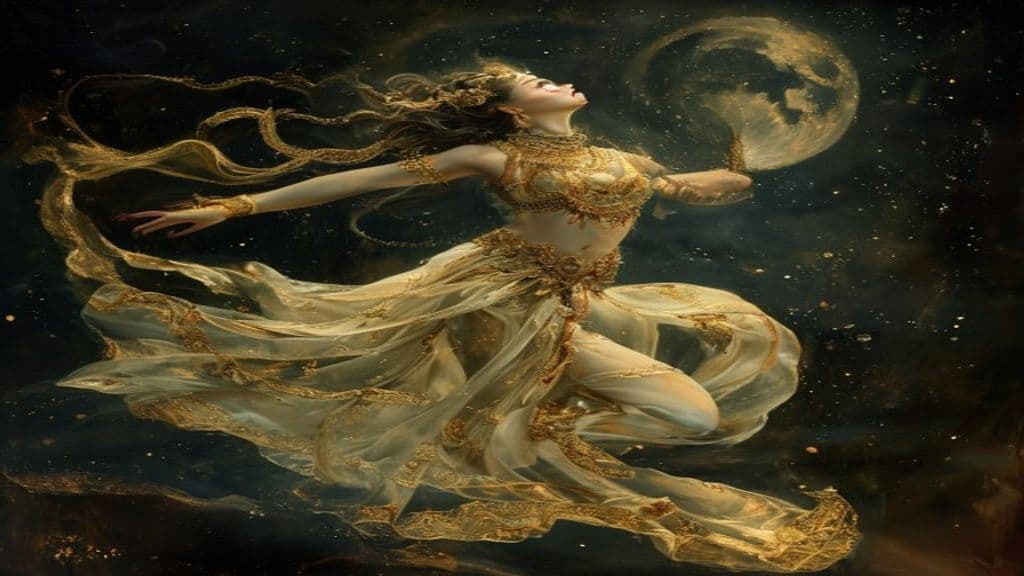
Apsara
Celestial dancers and water nymphs of Hindu cosmology — beautiful semi-divine beings who dance at the court of Indra and, by his command, descend to earth to distract sages from excessive asceticism.
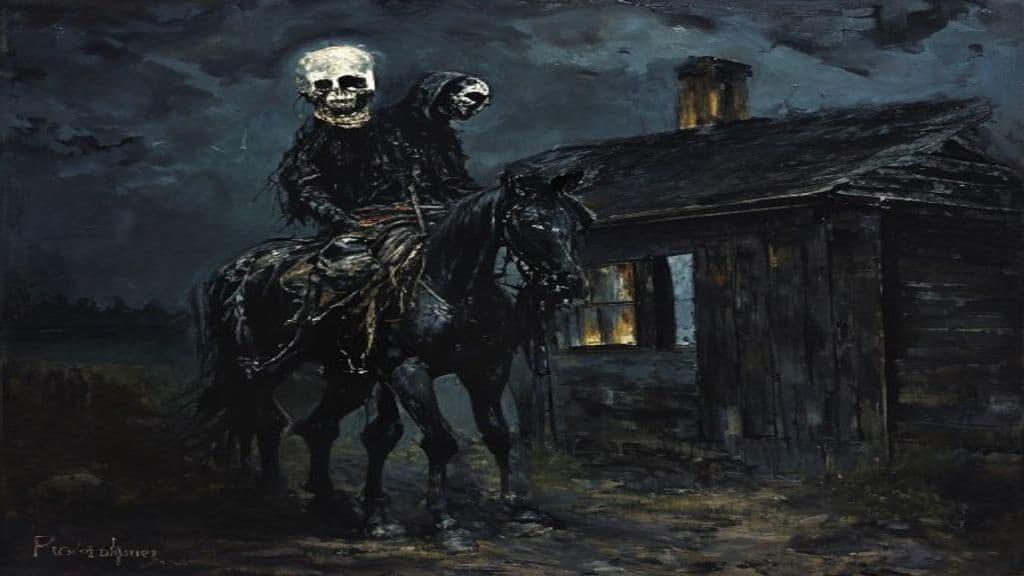
Dullahan
The headless horseman of Irish legend who carries his own rotting head under one arm, stops at the door of those about to die, and cannot be kept out by any lock.
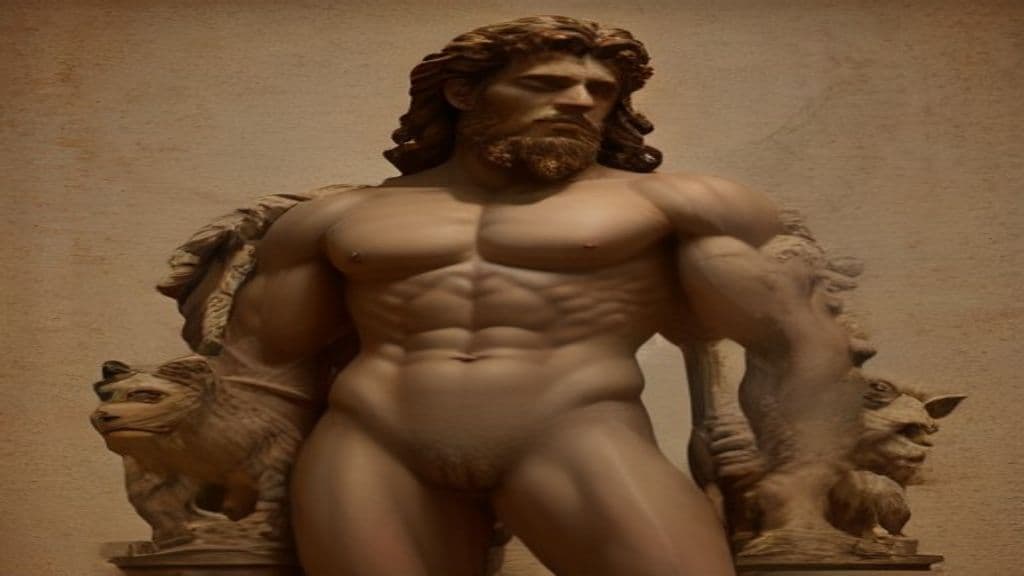
Hercules
Hercules (Latin: Hercules) is the Roman reception of the Greek divine hero Heracles: a semi-divine, divinized heroic figure son of Jupiter and the mortal Alcmena who was widely venerated across Italy. Represented in cult, votive art, and literature, he functions as a protector and martial champion whose identity was adapted through Etruscan and local Italic contexts.
Amphidocus
Amphidocus (Ancient Greek: Ἀμφίδοκος) is attested in classical sources as a son of Orchomenus of Minyan Orchomenus and brother to Clymenus and Aspledon. He appears in genealogical lists tying local eponyms and founders to a royal lineage in Boeotia; beyond this genealogy the sources provide no sustained myths, cult, or ritual around him.
Anaxo
Anaxo (Ancient Greek Ἀναξώ) is a proper name applied to mortal women in ancient Greek mythic genealogies and narratives. Attested figures named Anaxo appear as a Mycenaean princess—daughter of Alcaeus, wife of Electryon, and mother of Alcmene—and as a young woman from Troezen who was carried off by the hero Theseus. The name carries a lexical sense of female authority in Greek but denotes human participants in dynastic and abduction cycles rather than a supernatural class.
Astydameia
Astydameia (Ancient Greek Ἀστυδάμεια) is not a single supernatural being but an ancient Greek personal name borne by several mortal women in mythic tradition — queens, wives, and mothers who appear as genealogical and narrative nodes in the heroic age (figures associated with Peleus, Heracles, Acastus, Pelops, etc.). The name literally evokes civic rulership, and the bearers act within social and political roles rather than as spirits or deities.
Cercetes
Cercetes (Ancient Greek: Κερκέτης) is a named Egyptian prince in Greek mythic genealogy, recorded as one of the fifty sons of King Aegyptus who married (and was slain by) one of the Danaïdes. He is attested in mythographic catalogues such as the Bibliotheca and preserved in modern summaries like Wikipedia.
Ceteus
Ceteus (Ancient Greek Κητεύς, romanized Kêteus) is a name borne by at least two mythic figures in Greek literatures: an Arcadian prince counted among the sons of King Lycaon and a commander listed among the Lamian Centaurs who join Dionysus in his Indian campaign. The name appears in genealogical catalogues and epic lists rather than as a recurring supernatural class.
Cyllen
Cyllen (also attested as Cyllene in place-name forms) is an eponymous figure in Greek mythographic and topographic tradition credited with giving his name to Mount Cyllene in Arcadia. He appears in genealogical lists of Arcadian heroes and functions primarily as an etiological ancestor in local myth rather than as a richly characterized deity or monster.
Demonassa
Demonassa (Ancient Greek: Δημώνασσα) is not a supernatural being in the supplied sources but a personal name attested to several mortal women in Greek mythographic and literary traditions and later reused in biological taxonomy. Attestations include multiple mythic genealogical figures, a rhetorical anecdote of a Cypriot lawgiver, and later literary stock-character uses (notably Corinthian sexualized roles). The same lexical form is also applied in modern zoological nomenclature (a beetle genus and insect species epithets).
Dotia
Dotia (Ancient Greek: Δωτίας; variants Δωτίς/Δωτίδος) is an eponymous ancestress in Greek mythic-genealogical tradition, cited as the name-source for the Dotian plain and the city Dotion (Dotium) in Thessaly. Surviving references present her as an etiological figure — a mythic ancestor who explains a place-name — not as an independently acting deity, spirit, or cult figure.
Eleius
Eleius (Ancient Greek Ἠλεῖος, Ēleîos) is a legendary eponymous king in Greek myth who functions as the ancestral founder of the Eleans and the region of Elis. Attested in mythographic traditions summarized in Pausanias and later compilations, Eleius appears in genealogical sequences linking local dynastic identity to divine and heroic lineages.
Euryte (daughter of Hippodamas)
Euryte (Ancient Greek Εὐρύτη) is a mortal woman preserved in Greek mythographic genealogies as the wife of Porthaon, king of Calydon, and the mother of several princes including Oeneus. She functions primarily as an ancestress in Apollodorus’ tradition and related summaries; no independent cult, powers, or narratives are attested for her in the cited sources. The name Euryte is shared by other mythic women (e.g., a nymph mother of Halirrhothius), and manuscript variants sometimes produce similar name-forms.
Eurythemis
Eurythemis is a name borne by one or more mortal women in ancient Greek mythic genealogies. The figures called Eurythemis function primarily as wives and mothers who link generations of heroes and royal houses (notably as wife of Thestius and mother of Althaea and Leda in one tradition); the attestations are genealogical rather than mythic-heroic or cultic.
Heleus
Heleus (Ancient Greek Ἕλειος / Heleius) is a figure in Greek mythographic genealogies — one of the sons of Perseus and Andromeda. He is presented as a Mycenaean-era prince linked to dynastic succession, an expedition to Taphos with his nephew Amphitryon, and as eponym of the Lacedaemonian town Helos in some traditions.
Community Record
- [1]Iasus. Wikipedia: Iasus — multi-entry list of mythic personages named Iasus/Iasius (citing classical authors in its entries)wiki
- [2]Iasus (king of Argos). Wikipedia: Iasus (king of Argos) — notes scholars' agreement that Iasus was father of Io by Leucane; mentions possible paternity of Arestorwiki
- [3]LP0033 Medea and the Argonauts (excerpt including Apollodorus material). Archive audio excerpt containing Apollodorus material related to the Argonauts/Medea context (provided as part of the research set; does not add independent details on Iasus beyond the aggregated listings)other
- [4]Wikidata: Iasus. Wikidata entry summarizing Iasus as a mythical king of Argos among other identifierswiki