
No unified cosmogonic origin for the marmennill is recorded in the supplied sources. Medieval Icelandic texts (e.g., entries in Landnámabók and saga material cited in secondary summaries) present marmennill as a class of sea-associated being encountered by coastal communities rather than as a figure with a single mythic birth or genealogy. Scholarly and popular treatments therefore treat it as part of the family of water-beings in North Atlantic lore (analogous to nixies and selkies) rather than as a named progeny of specific deities in the surviving excerpts.
The provided medieval saga attestations focus on actions and speech rather than detailed anatomy; they do not supply a consistent, saga-based physical portrait. Later and comparative accounts classify the marmennill as a 'merman' (male sea-being) and draw on the widespread legendary merman type (human upper body, piscine lower body) for descriptive shorthand, but the primary Icelandic narratives emphasize capture, silence, laughter, and subsequent prophetic speech more than fixed bodily details.
In the sources the marmennill is chiefly associated with knowledge of hidden facts and prophetic insight. Saga summaries (e.g., Landnámabók; Hálfs saga ok Hálfsrekka) record instances of a marmennill being caught by fishermen, kept or presented at courts, and later issuing prophecies—sometimes in verse—after release. A recurrent folkloric motif (attested in Icelandic tale summaries such as the 'Þá hló marbendill' story recorded in folk collections) has the marmennill laughing at human folly and, in exchange for freedom, revealing the reasons for each laugh: concealed infidelity, true affection, buried treasure, and similar truths. The creature often remains silent while held ashore and speaks selectively when freed.
Weaknesses
- otherNo specific vulnerabilities attested in provided sources; primary accounts do not record ritual or material weaknesses for marmennill encounters
Wards
- otherNo documented wards: supplied material contains no named preventive or protective rites specific to the marmennill
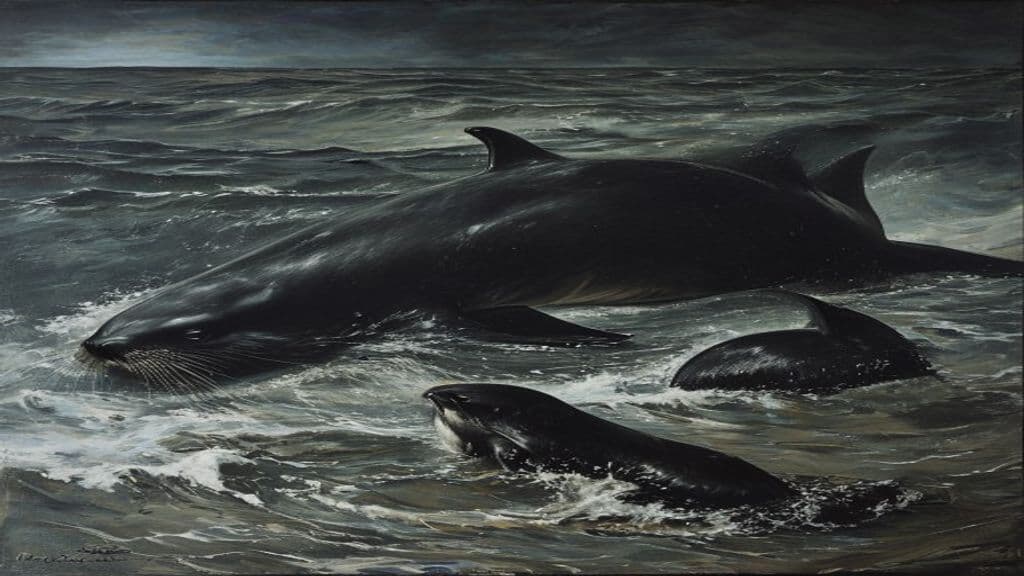
Selkie
A seal-being from northern Atlantic coastal folklore said to shift between seal and human forms by removing or donning a seal skin. Tales focus on intimate relations with humans, the selkie's longing for the sea, and the narrative motif of a hidden skin that prevents return to the ocean.
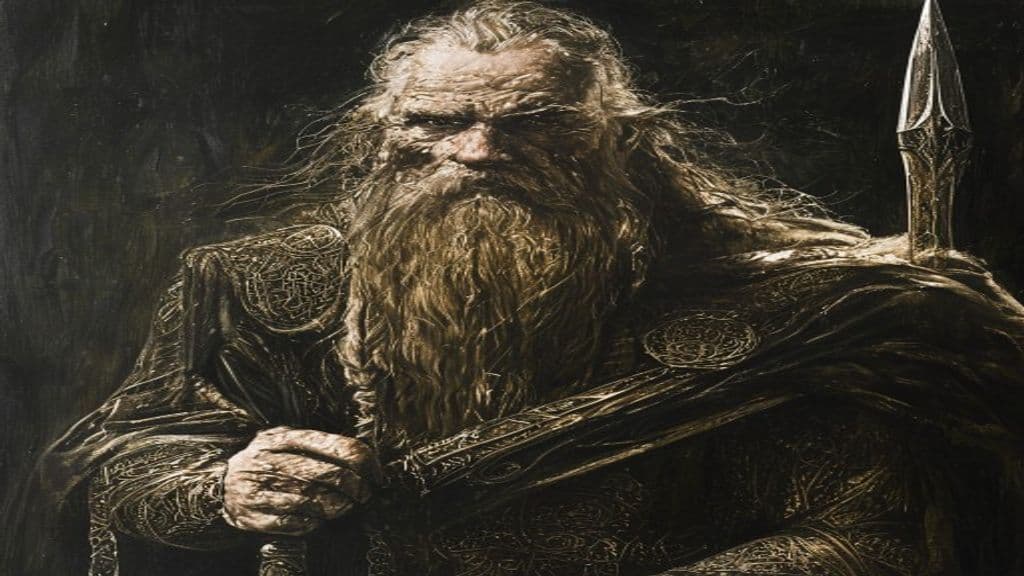
Odin
Odin (Old Norse: Óðinn) is the chief god of the Norse (Æsir) pantheon, a multifaceted deity associated with wisdom obtained by sacrifice, poetic inspiration, death and warfare, and rulership over the hall Valhöll where chosen slain warriors (einherjar) dwell. He appears throughout Germanic tradition from Roman-era accounts through the Viking Age and in later folklore as leader of the Wild Hunt.
Dís (dísir)
In Norse/North Germanic tradition, a dís (pl. dísir) is a collective term for female supernatural beings whose roles range from protective ancestral spirits and fertility figures to fate‑linked women comparable to valkyries or norns; they are invoked in both private and public cult (notably the dísablót) and can be benevolent or hostile toward humans.
Margot la fée
A vernacular class-name in Breton and Mayenne folklore for a type of powerful, territorial earthly fairy associated with the land, subterranean riches, megalithic monuments, and ambivalent dealings with humans. The category is traditionally linked in local imagination to Morgana (Morgan le Fay) and, more distantly and tentatively, to an aspect of the Earth Mother.
Maria Cacao
A localized Visayan diwata associated with Mount Lantoy (Argao, Cebu) and with nearby cacao cultivation; traditionally depicted as a female mountain/plant spirit who travels by a golden boat along the mountain's river and whose movements are invoked to explain floods and broken bridges. Contemporary variants add a soul‑harvesting/ punitive role in post‑disaster rumors.
Maria Sinukuan
Maria (Mariang) Sinukuan is a Kapampangan mountain diwata associated with Mount Arayat who, in oral tradition and later folklore, oversees the mountain's abundance, aids villagers in need, and punishes greed. The figure is also linked in local narratives to an earlier pre‑colonial deity known as Aring (Apúng) Sinukuan, a solar/war god; sources describe a Spanish‑era reshaping that introduced the Marian honorific and a feminized diwata form in later tradition.
Mariamman
Mariamman is a South Indian village mother-goddess venerated chiefly as a bringer of rain and as a protector against epidemic pustular fevers (historically smallpox, chicken pox, cholera). Rooted in Dravidian folk religion, she is often identified with pan-Indian Shakti figures (Parvati, Durga, Kali) and functions as a kaval deivam (village guardian deity).
Maricha
Maricha (Sanskrit: मारीच, Mārīca) is a rakshasha in the Ramayana narrative who, with his family, terrorizes sages and sacrificial rites and later takes the form of a golden deer to help Ravana abduct Sita. He is variously depicted as a cursed forest-dweller, a shape‑changer, a sorcerer, and — after an encounter with Rama — briefly as an ascetic devotee.
Marid
The most powerful class of jinn in Islamic tradition — beings of the sea, associated with the deep ocean, storms, and the granting of wishes at terrible cost. The classic genie of the Arabian Nights.
Marozi
The marozi is a name given in early 20th‑century Kenyan naturalist reports to purportedly spotted adult lions—lion-like felids retaining rosette-like juvenile markings and occurring at unusually high elevations in the Aberdare Mountains and Kinangop Plateau. Sources treat the marozi as a taxonomic puzzle or regional morph rather than a supernatural being.
Marraco (Gegants del Clot)
The Marraco is a dragon or frightening creature in Catalan myth associated with the city of Lleida, described in sources as possessing a mouth wide enough to swallow a human whole and commonly invoked in tales told to frighten children.
Mars
Mars is the ancient Roman god of war who also functions as an agricultural guardian; a chief civic deity of early Rome, he is described as the son of Jupiter and Juno and is commonly equated with the Greek Ares while retaining distinct Roman agrarian aspects.
Marsyas
Marsyas is a satyr/silenus of Phrygian myth celebrated as an expert aulos-player who challenges Apollo and is ultimately punished (flayed) for that contest. He is associated with springs and rivers around Celaenae/Kelainai and with older chthonic/Mother-Goddess cultic strands (Rhea/Cybele) in Greek tradition.
Marukos
Marukos is an Ilocano legendary place-bound spirit associated with river crossings and dried riverbed shrublands; tales portray it as a stern, often disembodied old-man voice that waylays large traveling groups, causing disorientation and eventual drowning by flash floods. Stories function as cautionary narratives about observing local norms and the hazards of crossing rivers.
Community Record
- [1]Marmennill (Wikipedia). Wikipedia contributors. "Marmennill." Wikipedia, The Free Encyclopedia.wiki
- [2]Merman (Wikipedia). Wikipedia contributors. "Merman." Wikipedia, The Free Encyclopedia.wiki
- [3]Wikidata: Marmennill. Wikidata entry Q6772139, summary description of Marmennill in Icelandic folklore.wiki
- [4]Islanders and Water-Dwellers (Four Courts Press, contents reference). Publisher contents page referencing scholarship on islanders and water-dwellers (used to confirm scholarly interest in water-being categories).other