
The available sources do not supply a single canonical origin narrative for nü guǐ. In the comparative and encyclopedic accounts provided, such vengeful ghosts arise when a person suffers a cruel, unnatural, or unjust death or when funeral and burial/cremation ceremonies are omitted or improperly performed; the resulting unrest prevents the dead from attaining a settled post-mortem state and may produce a spirit that returns to seek redress or attention.
The provided sources do not give a consistent, documented physical description specific to nü guǐ. Encyclopedic discussions of 'vengeful ghosts' focus on motive and ritual status rather than standardized visual traits, so specific appearance details are not supported by the supplied material.
Sources characterize vengeful ghosts primarily by behavior: returning from the afterlife to seek revenge for cruel, unnatural, or unjust deaths and arising as 'unhappy' spirits when funerary rites are lacking. Comparative material on spirit possession notes that spirits in many traditions can interact with the living, including through possession, but the supplied texts do not document possession or other particular abilities as specific, universal traits of nü guǐ in Chinese sources.
Weaknesses
- ritualperformance of proper funerary, burial, or cremation ceremonies
Wards
- ritualensure correct funeral and burial/cremation rites
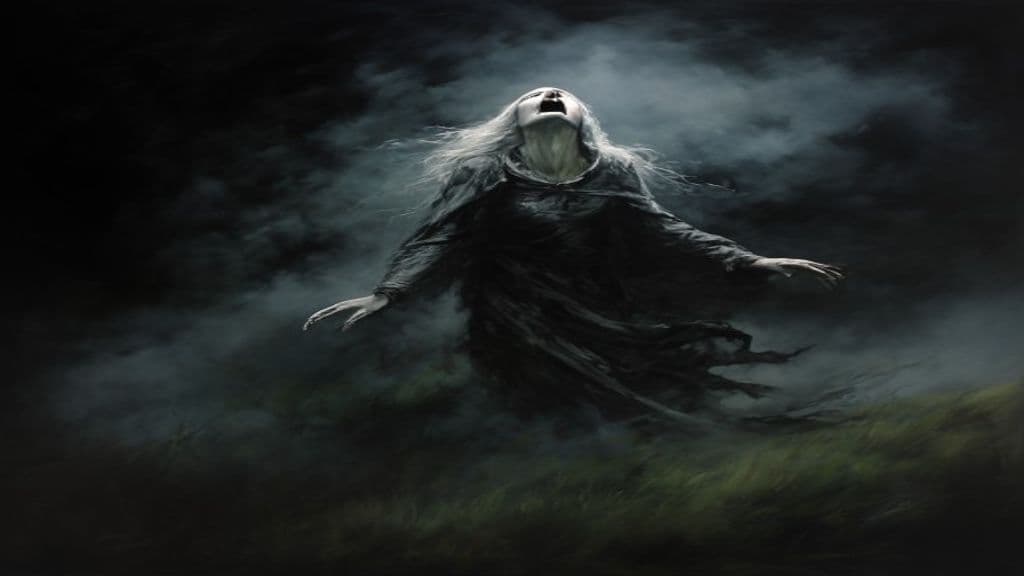
Banshee
A female spirit of Irish and Scottish folklore whose wail heralds an impending death in a family of Gaelic descent. Not a cause of death — a witness to it.
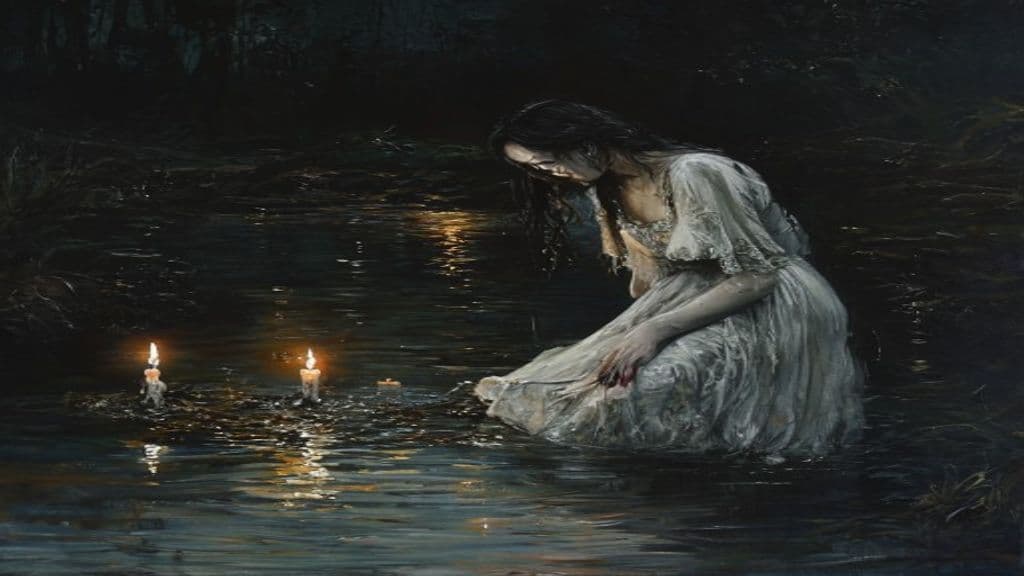
La Llorona
The Weeping Woman of Mexican folklore — the ghost of a mother who drowned her children and now wanders rivers and lakes, weeping for them and taking other children she finds at night.
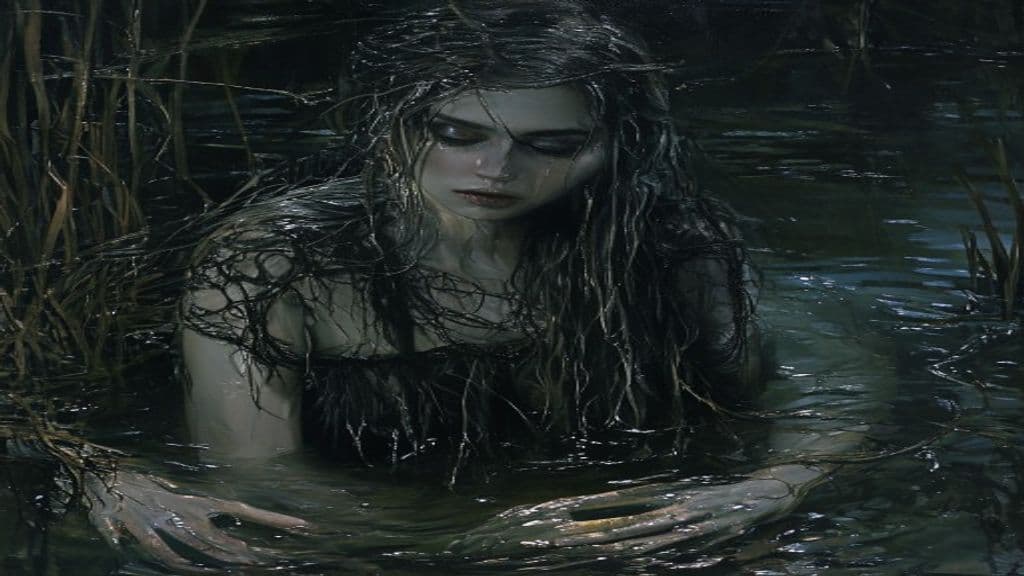
Rusalka
Water spirits in Slavic folklore — the spirits of young women who died by drowning or suicide, bound to rivers and lakes. Beautiful and dangerous, they can bewitch men to their deaths.
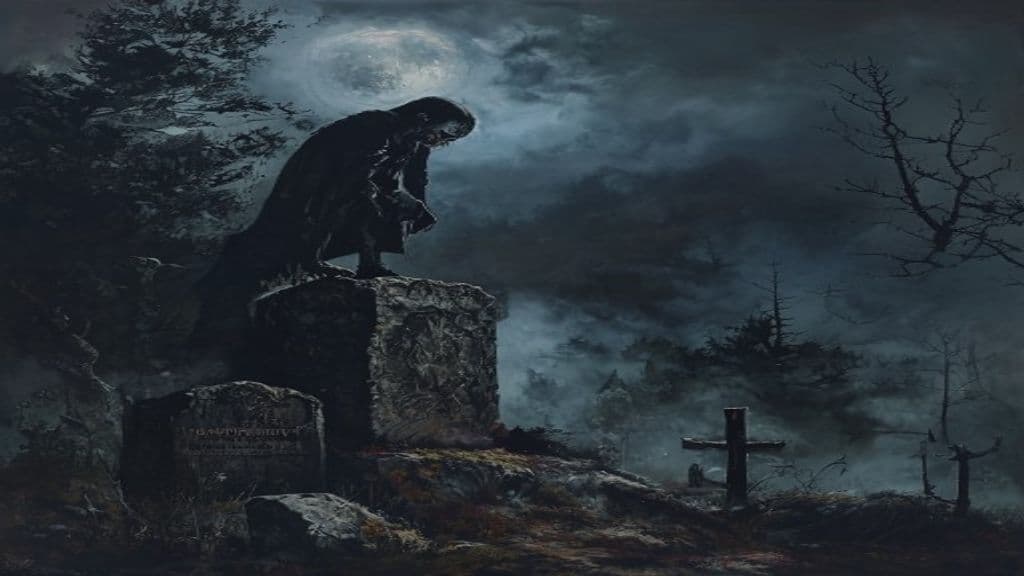
Strigoi
The vampire of Romanian folklore — either a living witch (strigoi viu) or an undead blood-drinker (strigoi mort). The source tradition from which the literary vampire emerged.

Ghoul
A ghoul is a demon-like or monstrous humanoid originating in pre-Islamic Arabian religion, traditionally associated with graveyards and the consumption of human flesh. The concept later entered broader folklore and has been widely reused and transformed in modern fiction and popular culture.
Jiaotu
Jiaotu is a named member of the folkloric set known as the Nine Sons of the Dragon in Chinese decorative tradition, traditionally associated with secrecy and threshold protection and commonly represented as a carved motif on doors.
Nian (Year Beast)
A folkloric monstrous beast in modern Chinese popular accounts that is said to emerge annually at the turn of the year to raid villages. The legend functions as an etiological explanation for many Chinese New Year customs—fireworks, red decorations, loud noises, and the lion dance—though explicit references to a named creature called nian in older textual sources are scarce.
Näcken
A shape-shifting water spirit of Scandinavian lakes and rivers who plays enchanting violin music to lure the unwary to drown, often appearing as a beautiful man or white horse.
Näkkä / Näkki (Nixie) — entry not documented in supplied sources
No information about the Finnish water-spirit Näkkä/Näkki is present in the supplied source documents. The materials provided concern unrelated subjects (an Ottoman miniaturist, legal case parties with the surname 'Nakka', and a Wikidata family-name entry) and do not contain folkloric details about this entity.
Níðhöggr
The corpse-gnawing dragon coiled around the roots of Yggdrasil, ceaselessly chewing the World Tree — and destined to survive Ragnarök and carry the dead on its wings.
Nøkk (Nixie)
A class of freshwater-associated humanoid spirits from Germanic and Nordic folklore, variously called nixie, nix, neck, Nøkk, Näcken, or nykur. They are consistently tied to rivers, streams, reeds and other inland waters and are commonly described as humanoid and often shapeshifting.
Nøkken
Nøkken (variants: nixie, nixy, nix, neck, nicker, Nykken) is a class of water-associated humanoid spirits in Germanic folklore. They are localized freshwater spirits tied to ponds, rivers, and similar places and are commonly described in referenced sources as often shapeshifting water-spirits rather than a single unified mythic figure.
Nüwa
Nüwa is a primordial mother-goddess and culture-hero in Chinese traditional cosmology who creates humanity in some traditions and repairs the cosmos after catastrophic disruption. She appears across Chinese folk religion, Taoist and Confucian discourse, and in mythic texts such as the Huainanzi, Songs of Chu, and Liezi, often paired with the culture-hero Fuxi.
Nāga
Nāgas are a class/race of semi-divine, serpentine beings in South and Southeast Asian religious and folkloric systems. Associated with the underworld (Patala / Naga-loka), water, and hidden treasures, nāgas appear as cobra-like snakes, half-human/half-snake figures, or human figures with serpent hoods; they can be benevolent protectors or dangerous, venomous beings depending on context.
Nāga (Nag/Nagini)
Nāgas are a class of divine or semi-divine serpent beings in South Asian tradition, occupying a liminal space between human and snake, associated with water and the netherworld (Patala). They appear in varied forms from ordinary snakes to half-human, half-serpent figures and have a long ritual history across South Asia.
Nāgas
Nāgas are serpent-associated nonhuman beings in South Asian religious literature. In the Mahāvaṃsa and related scholarship they appear as salient 'snake-beings' who act as otherworldly agents, sometimes depicted as devoted worshippers of the Buddha and elsewhere as hoarders of relics.
Nāmaka
In Hawaiian mythology, Nāmaka is a sea goddess and an older sister to the volcano goddess Pele-honua-mea. She is associated with the natural elements of water and earth. (Note: * Power tier should be Greater, not Ancient, since her domain is tied to a powerful regional aspect (sea) rather than a cosmic or deity-level one. * Summary needs to include the fact that she is a sea)
Community Record
- [1]Vengeful ghost. "a vengeful ghost or vengeful spirit is said to be the spirit of a dead person who returns from the afterlife to seek revenge for a cruel, unnatural or unjust death." — Wikipedia: Vengeful ghostwiki
- [2]List of supernatural beings in Chinese folklore. Index of supernatural beings in Chinese folklore (shows taxonomy/context but does not provide detailed nü guǐ rites in the supplied excerpt).wiki
- [3]Spirit possession - Unsolved (HandWiki). "Spirit possession is an altered state of consciousness ... caused by the control of a human body and its functions by spirits, ghosts, demons, angels, or deities." — HandWiki: Spirit possessionwiki