
Emerging in the late 19th century in the Visayas amid social distress under late Spanish colonial rule, the Pulahan movement coalesced as a syncretic revival combining indigenous babaylan practices and Folk Catholic elements and organized around charismatic 'dios-dios' leaders. Notable leaders and episodes associated with the broader dios-dios phenomenon and Pulahan milieu include Ponciano Elofre (known as Dios Buhawi), Papa Isio (who followed related rebel-shaman currents), and multiple local dios-dios claimants documented across the 19th century (examples of dios-dios activity are attested in 1811, 1862, 1865, 1887 in contemporary summaries). The Pulahanes became especially active during the Philippine Revolution era and into the early American colonial period; colonial-era sources and later summaries note the movement reached substantial numbers in the late 19th century and was subsequently suppressed by Guardia Civil, Philippine Constabulary patrols, arrests, and military action in the early 20th century.
The group name derives from Cebuano meaning 'those wearing red,' and adherents are consistently reported to have worn red clothing or identifying red articles. Martial presentation included training in indigenous fighting systems (Derobio Eskrima) and the use of a heavy, crescent-shaped bolo knife as a signature weapon. Ritual paraphernalia recorded in accounts include bottles of holy oil, prayer books (such as the Bible), and consecrated anting-anting (amulets). Some leaders emulated asog/babaylan practice by adopting feminine dress and mannerisms (for example, Ponciano Elofre, who styled himself Dios Buhawi). Sources do not provide further detailed anthropological description beyond clothing, weapons, and ritual items.
As a human, socio-religious movement, Pulahanes combined ritual claims and martial capability. Religiously, dios-dios leaders and ritual specialists in the movement claimed healing, prophecy, promises of prosperity, and other supernatural benefits to attract and retain followers; Pulahan ritual practice fused Christian sacramentals (holy oil, prayer books) with indigenous talismans (anting-anting) and revived babaylan rites. Militarily, Pulahanes were described in colonial sources as ferocious fighters skilled in hand-to-hand combat and indigenous eskrima techniques, employing war cries and engaging in armed attacks against colonial targets. Sources record colonial characterizations of followers as superstitious and note accusations of banditry alongside politically framed rebellion; the efficacy of ritual protections is presented in sources as part of believers' claims rather than independently verified supernatural invulnerability.
Weaknesses
- conditionmilitary and colonial suppression (arrests, patrols, pacification by Guardia Civil and Philippine Constabulary)
- otherimprisonment, exile of leaders (historical administrative measures)
Wards
- symbolanting-anting (consecrated amulets used by Pulahanes for internal protection)
- substanceholy oil (bottles of consecrated oil used in blessings before battle)
- otherprayer books / Bible (used as sacramental protective object by adherents)
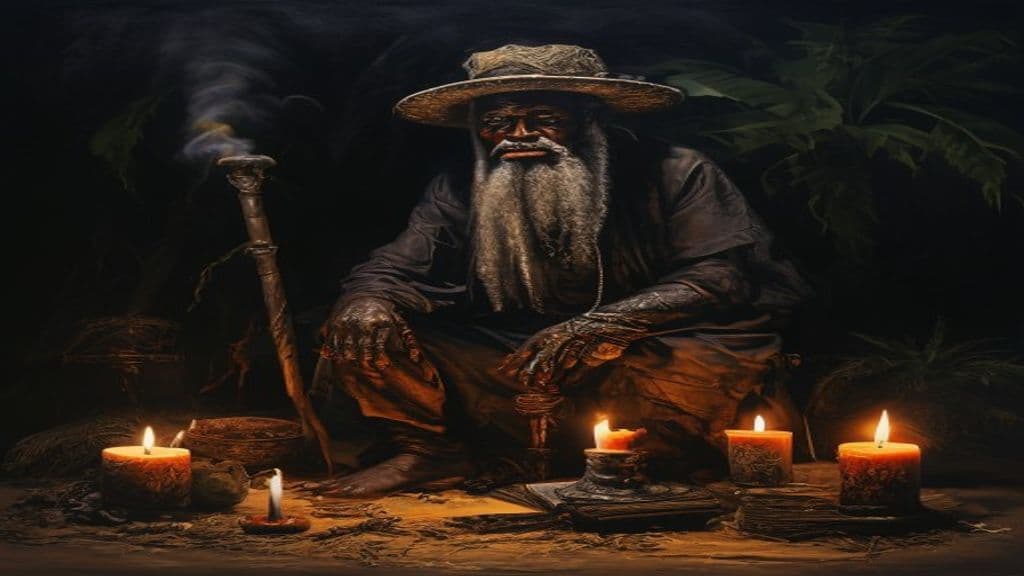
Papa Legba
The loa (spirit) of the crossroads in Haitian Vodou — gatekeeper between the human world and the world of the spirits. No other loa can be contacted until Papa Legba is first greeted and asked to open the gate.
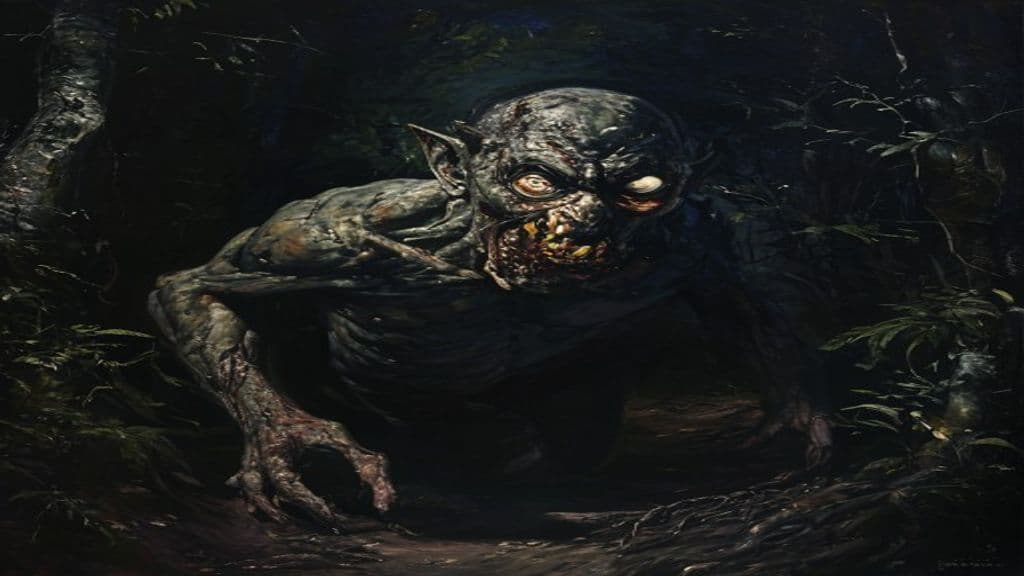
Pishacha
Flesh-eating spirits of Hindu mythology that haunt cremation grounds and are associated with disease, madness, and possession. The lowest class of demon in the Vedic hierarchy.
Ptireus
Ptireus is listed in the cited source as a deity of Egyptian mythology. The available source provides only this single classificatory label and no additional information about the figure's nature, functions, or cult.
Puck
Puck is a northwest European liminal spirit occupying a space between household sprite and wild fairy trickster. Portrayed as a domestic helper who expects food offerings and as a nocturnal jester of the fairy court, Puck performs both useful chores and mischievous pranks in folklore and literature.
Puddleglum
Puddleglum is a fictional Marsh-wiggle who appears in C. S. Lewis's The Silver Chair (part of The Chronicles of Narnia). Portrayed as a gloomy yet steadfast companion, he guides Eustace and Jill, resists enchantment in Underland, and helps free Prince Rilian.
Pueo
The pueo is the Hawaiian subspecies of the short‑eared owl (Asio flammeus sandwichensis) and, in Native Hawaiian belief, a common physical form assumed by ʻaumākua (ancestor guardian spirits). It functions both as an endemic bird with specific ecological vulnerabilities and as a culturally significant ancestral protector and omen, mentioned in chants and mele.
Pukkeenegak
Pukkeenegak is an Inuit household goddess associated with children, pregnancy, childbirth, and the making of clothes. She functions as a benevolent overseer of domestic labor and reproductive life, providing food and clothing materials and protecting pregnant women.
Pukwudgie
A class of small humanoid 'little people' from Algonquin-language traditions, described as forest-dwelling, ambivalent beings who can help or harm humans; the Ojibwe-derived name and tales entered New England folkloric use via 19th-century publications and later local retellings.
Pulao (蒲牢)
Pulao (蒲牢) is a named mythic creature in Chinese tradition commonly listed among the 'nine sons of the dragon.' Textual references identify it as a dragon-son notable for its fondness for roaring and as an established decorative motif in Chinese material culture.
Pumuckl
Pumuckl is a fictional household spirit character created for German children's media by Ellis Kaut and popularized beginning with a 1961 Bavarian Radio play. Classified in modern catalogs as a 'Kobold', Pumuckl functions as a mischievous domestic companion within the Meister Eder und sein Pumuckl franchise and has been adapted into books, television, films and a musical.
Punga
Punga is recorded in the provided sources as the named ancestor of sharks in Māori tradition. The available material supplies only this brief identification and contains no further narrative, descriptive, or ritual detail about Punga.
Purson
Purson is a named supernatural being attested in goetic grimoire tradition references (the Ars Goetia / Pseudomonarchia Daemonum corpus as cited in secondary summaries). In the supplied materials he appears primarily as a catalogued, addressable entity in Western occult lists and as a modern cultural reference (band name, amulet reproduction), but no primary ritual entry or full grimoire description is included among the provided sources.
Puzzle the Donkey
Puzzle is a fictional donkey character in C. S. Lewis's The Chronicles of Narnia, prominently appearing in The Last Battle. In the novel he is a simple, credulous beast manipulated by the ape Shift and presented to others as the deity Aslan as part of a deception plot.
Puṣpadanta
Puṣpadanta is a name attested in South Asian religious literatures with at least two distinct roles in the supplied sources: (1) in Digambara Jain tradition as Ācārya Puṣpadanta, credited (with Bhūtabali) for committing the oral teachings of Mahāvīra to writing in the Ṣaṭkhaṇḍāgama; and (2) in Vaishnava/Śrīmad-Bhāgavatam-type devotional lists as one named attendant/associate among a retinue of divine or semi-divine companions.
Community Record
- [1]Pulahan. Wikipedia: Pulahanwiki
- [2]Pulaha (Wikidata). Wikidata: Pulaha (entry referenced in notes)other
- [3]The Secret Art Of Derobio Escrima (archive). Archive: The Secret Art Of Derobio Escrima (referenced for martial practice)other
- [4]George Curry (politician) — quoted colonial assessment. George Curry quoted description of Pulahanes in colonial reporting (1907)wiki
- [5]Ang pulahan [microform] : sugilanong binisaya (archive). Archive: Ang pulahan [microform] : sugilanong binisayaother
- [6]Vigilantes in the Philippines From Fanatical Cults To Citizens' Organizations. Scholarly summary discussing Pulahan and related movementsacademic
- [7]Forensic Fashion: 1904 Waray Pulahan. Contemporary/archival material on Pulahan appearance and activityother
- [8]Talibon – UMMAA Philippines. Regional Visayan context and folkloric notesother
- [9]Pulahan members surrender guns, firearms to Bayawan cops | Cebu Daily News. Contemporary reference to the term and local groups carrying historic Pulahan identityother