
Pylades is presented in the tradition as a Phocian prince, son of Strophius (hence the glosses 'son of Pylas' or related lineage readings). He is childhood companion to Orestes and grows into the role of Orestes' loyal attendant and co-conspirator. The supplied sources do not give a divine or miraculous origin for Pylades; he is treated as a mortal aristocratic figure embedded in the dynastic networks of the House of Atreus.
The provided sources do not supply a sustained physical description; dramatic casting lists and libretti list Pylades as a role implying a conventional young male noble. No specific bodily features, clothing prescriptions beyond conventional noble dress, or distinctive marks are described in the supplied material.
Pylades' 'abilities' are social and practical rather than supernatural: exemplary loyalty and steadfastness in danger; persuasive speech and counsel (notably convincing Orestes to carry out the revenge in Aeschylus' Libation Bearers); practical caregiving, tending Orestes when seized by madness; participation in martial actions alongside Orestes; and collaborative plotting (e.g., schemes to avoid detection or execution and the plot in Tauris to escape with the statue of Artemis). Later Roman-era writers emphasize mutual devotion and willingness to sacrifice for one another.

Orestes
Orestes (Ancient Greek: Ὀρέστης) is a mythic Greek prince and later king, son of Agamemnon and Clytemnestra, whose avenging of his father's murder by killing Aegisthus and Clytemnestra leads to pursuit by the Erinyes and a landmark divine-legal resolution (the trial on the Athenian Acropolis). His narrative explores guilt, divine command, ritual purification, and the transition from private vengeance to civic justice.
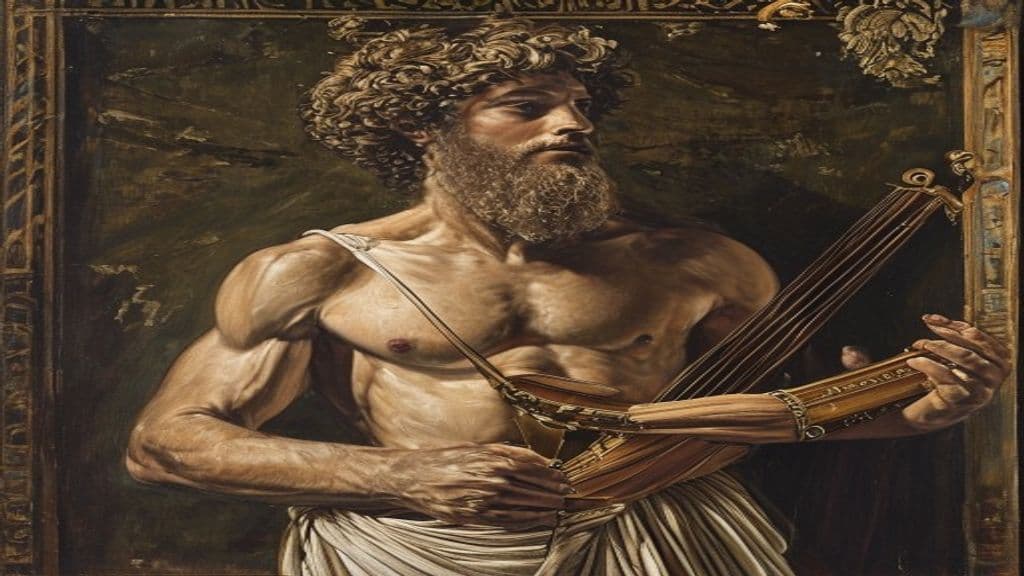
Apollo
Olympian deity of ancient Greek religion associated with prophecy, healing, music, archery, purification, and civic order. Principal patron of the Delphic oracle, protector of youth and flocks, and ambivalently both healer and bringer of plague.

Erinyes
The three avenging Furies of Greek myth — Alecto, Megaera, and Tisiphone — who pursued and tormented those guilty of crimes against blood kin, especially murder of family members.

Artemis
Artemis is an ancient Greek goddess of hunting, the wilderness and wild animals, transitions (especially childbirth and puberty), vegetation, and chastity. Twin sister of Apollo and daughter of Zeus and Leto, she functions as a protector of young children and maidens while also capable of inflicting disease or punishment for transgressions against her sacred laws.

Electra
Electra (Ancient Greek: Ἠλέκτρα, Ēléktrā) is a Mycenaean princess in Greek myth and drama, daughter of Agamemnon and Clytemnestra, whose primary role across Aeschylus, Sophocles, and Euripides is as an avenger of her father's murder and a focal figure for questions of filial duty, revenge, and ritual consequence.
Community Record
- [1]Pylades (Wikipedia). Wikipedia, article 'Pylades'.wiki
- [2]Wikidata: Pylades. Wikidata entry Q494886, 'mythical friend of Orestes'.other
- [3]Who's Who in Classical Mythology (archive catalog entry). Archive catalog entry for 'Who's Who in Classical Mythology'.other
- [4]Fata Amicorum (libretto listing, archive). Archive: Fata Amicorum. Dramatis personae and libretti listings referencing Pylades as a role.literary
- [5]Orestes (heroic opera cast lists, archive). Archive: Orestes, heroische Oper — cast lists and theatrical material listing Pylades.literary