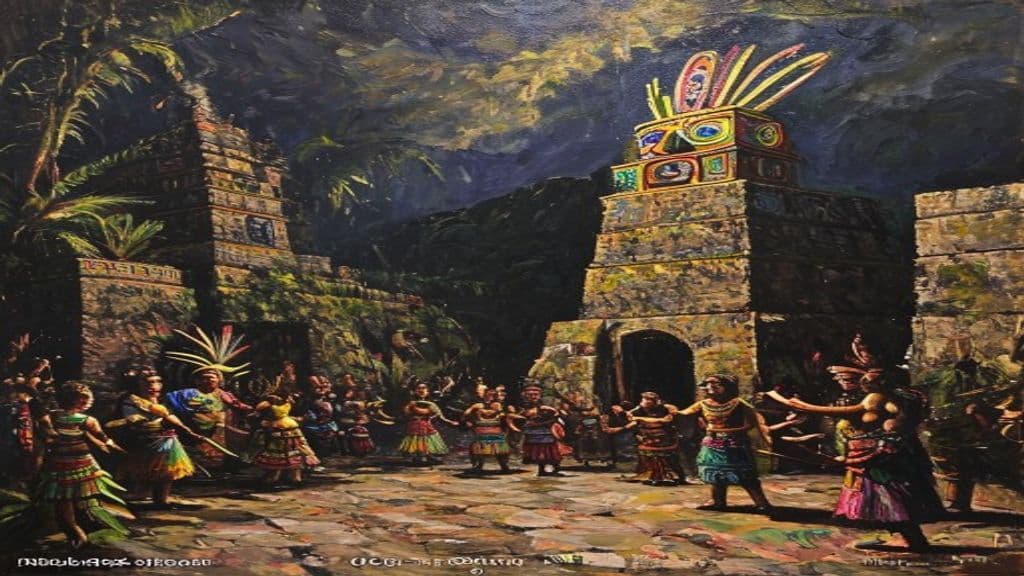
The Situa was a part of the Inca worldview, reflecting their emphasis on health and spiritual renewal. It is not associated with any specific mythological origin story.
Sirenuca
A Cantabrian water-associated female figure, the Sirenuca (literally 'Little Mermaid') is portrayed in regional tradition as a transformed young woman who became a water nymph after repeatedly climbing dangerous coastal cliffs to sing with the waves.
Sirona
Sirona is attested in modern scholarship as the name of a Celtic goddess known from sculptural and temple-related material; surviving references and images associate her with local cultic presence in parts of continental Europe. The supplied sources document visual attestations (museum/sculpture images and a woodcut) and modern reuses of the name but do not give detailed mythic narratives, functions, or ritual formulas.
Sirsir
Sirsir (also Ninsirsir) is a Mesopotamian deity associated with sailors and boats, attested from Early Dynastic god lists through later Babylonian compendia. He is named as the boatman/captain of Enki in literary tradition and appears among the names of Marduk in the Enuma Elish, while iconographic identification with a serpent‑tailed “boat god” motif is a debated scholarly proposal.
Sisyphus
Sisyphus is a legendary mortal king of Ephyra (Corinth) in classical Greek myth, famed for his exceptional craftiness and for twice cheating death; as punishment he is condemned in the underworld to an eternal, futile labor of rolling a great boulder up a hill only to have it roll back down.
Sith
The Sith are a fictional ordered movement of Force-sensitive beings in the Star Wars franchise who embrace and wield the dark side of the Force. Depicted as the primary antagonistic counterpoint to the Jedi, they organize politically and militarily to seize power, destroy the Jedi Order, and rule the galaxy.
Sitri
Sitri is attested in the supplied materials as a named entry associated with goetic lists derived from the Ars Goetia. The provided sources record the name but contain no descriptive, functional, or ritual information about Sitri itself.
Six‑Eared Macaque
A supernatural primate antagonist from the Ming‑dynasty novel Journey to the West who impersonates Sun Wukong. Described in the text as one of four special "spiritual primates," he demonstrates near‑omniscience and perfect mimicry of the Monkey King until revealed and subdued by the Buddha.
Siyah Div (Black Div)
Siyah Div (Persian: سیاه دیو), rendered in English as 'Black Div', is a named Div‑figure attested in Persian epic tradition (the Shahnameh). In the available sources he is identified in the manuscript/illustration cycle of the Shah Tahmasp Shahnameh and remembered by the epithet 'Slayer of Siamak.'
Sjtuf
Sjtuf is a Roermond processional giant — a 6‑metre-high anthropomorphic effigy (also called Christoffel) used in Dutch/Flemish giants' processions. It functions as a civic and religious pageant figure personifying Saint Christopher and is documented in archival descriptions and a Wikidata entry as a constructed parade giant rather than an autonomous supernatural being.
Sjörå
A female humanoid water spirit of Swedish folklore classed among the rå (place-keepers). Bound to a particular lake, pool, or freshwater site, the sjörå protects the waters and its fish, rewards respectful users with good catches and safety, and may seduce or drown those who are disrespectful.
Skald (Norse Poet)
In Norse tradition, a skald is a poet who composes poetry in the form of skaldic verse, often honoring kings and mythological figures. (Note: - Power tier: Downgrade to Ancient (deity-level), as the abilities described do not match Primordial level. - Appearance: Clarify that formal attire was worn during performances, but provide more spec)
Skanda
Skanda is a prominent South Asian divine figure: in Hinduism he is the war-god son of Śiva and Pārvatī (also worshipped regionally as Murugan, Kartikeya, Subramanya) and the eponym of the large Skanda Purāṇa; in East Asian Mahāyāna Buddhism he appears as a monastery guardian known as Weituo (韋馱) or Idaten (韋駄天).
Community Record
- [1]Wikipedia: Situawiki