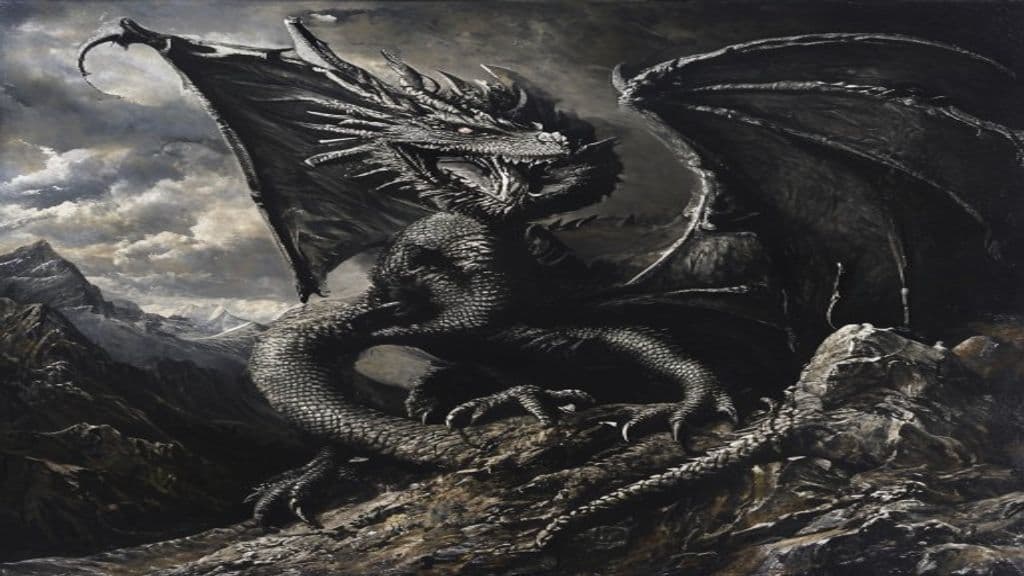
Normally imagined as a dragon or serpent.
Sugaar is involved in generating storms, reflecting his association with natural forces and cycles.
Weaknesses
Wards
Styx
In Greek myth Styx is both a divine river-goddess and the underworld river she embodies; her waters form an ontological and ritual boundary of Hades and serve as the medium for the most solemn divine oaths, with specified punitive consequences for perjury.
Su İyesi
Su İyesi is a Turkic water spirit — a localized guardian (iye) of bodies of water such as rivers, lakes, ponds and springs. It appears in male and female personifications (Su Ana, Su Ata) and is associated with both beneficent functions (bringing rain) and dangerous actions (drownings, floods, wrecks) when offended.
Suanggi
A malevolent spirit from Indonesian folklore, known for its harmful intentions towards humans. (Note: * Power tier should be Lesser, as it's only described as a "malevolent spirit" without any indication of regional or deity-level power. * Sensory cues, weaknesses, and wards are not mentioned in the s)
Suangi
In the belief systems of western Papua (Indonesia) a suangi is an accused human male alleged to practice harmful sorcery by physically and spiritually preying on victims — reportedly eating blood and internal organs and devouring the victim's soul. Accusation functions as a local explanatory category for mysterious illness and death, and punitive communal responses are reported in some accounts.
Succubus (Jewish Tradition)
Female demon that seduces male humans through dreams, potentially leading to a hybrid child and the man's decline. (Note: 1. Power tier should be Ancient, not Primordial (Primordial powers are cosmic, while Ancient powers are deity-level). 2. No information on physical appearance is missing because it's simply not mentio)
Suen
Suen (also vocalized Sin or Nanna) is the Mesopotamian lunar deity who personifies the moon, widely worshipped in the Mesopotamian pantheon and associated with the lunar month, pastoral life, and in some texts with adjudication of the dead.
Suijin
Suijin (水神, also Mizugami 水神 / みずがみ) is a general name in Japanese/Shinto practice for water deities and water-associated spirits. The term covers heavenly and earthly manifestations enshrined at springs, wells, rivers, ponds, irrigation works and in Suitengū shrines, and is connected with purification, safe water provision, fishing, fertility, and childbirth.
Suiko (水虎)
Suiko (水虎, literally "water tiger") is a Chinese legendary river creature described in the cited sources as inhabiting river systems in areas such as Hubei Province. The available descriptions are minimal and chiefly record its riverine habitat and a single physical detail: it is said to be the size of a three- or four-year-old child.
Suitors of Penelope
A collective of mortal young men in Homer's Odyssey who occupy Odysseus' household during his long absence, pressuring Penelope to remarry, consuming the oikos' resources, and plotting against Odysseus' family until Odysseus and his allies kill them to restore order.
Sujani / Devi (unverified)
No supplied sources in the provided research set describe a Rajasthani village goddess named Sujani, nor a Gram-Devi / Ishta-devi by this name. This entry records the absence of evidence in the given sources and lists those sources searched.
Sukkal
In Mesopotamian mythology, the Sukkal is a class of deities that act as mediators, advisors, and envoys between humans and the divine. They are servants and advisors of the main gods. (Note: * Power tier should be Primordial, not Ancient, as Sukkals are described as mediators between humans and the divine, acting as servants and advisors of the main gods, implying a cosmic level of power.)
Sulevipoeg
Sulevipoeg is an Estonian runic‑song and literary character presented as a son within the mythic family of Kalev. Attested in runic songs (notably the song 'Suisa suud') and later literature, he appears as a mortal member of a kin-group tradition rather than an explicitly cosmological or supernatural being.
Community Record
- [1]