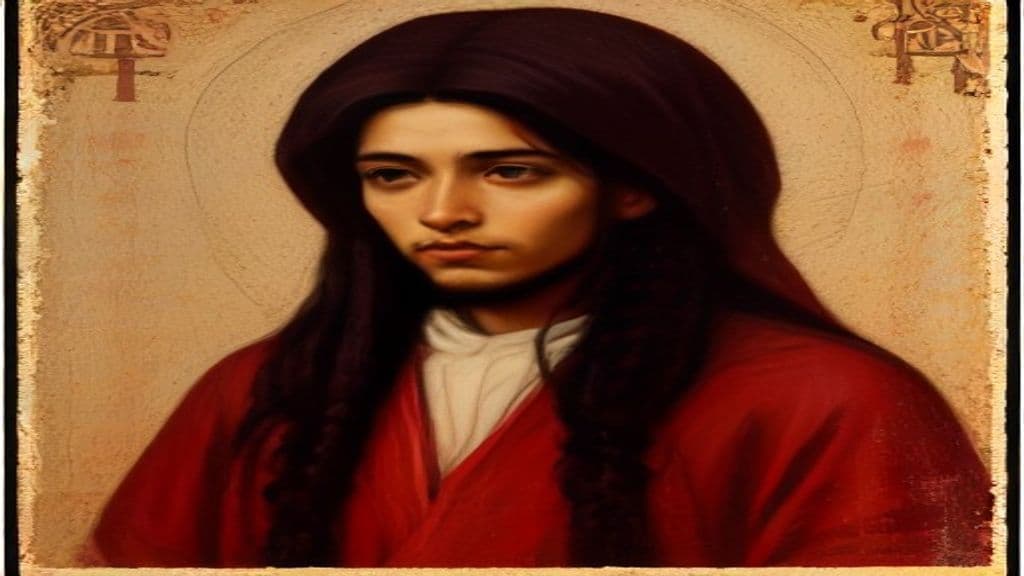
According to the available hagiographic and reference material, Abadiu served as bishop of Antinoe in the fourth century. He is recorded in collections of Egyptian martyrs and is cited in works such as Les Martyrs d'Égypte by Hippolyte Delehaye. The tradition preserved in Coptic liturgical calendars presents him as a martyr who died in the context of a theological dispute with Arian opponents; his memory has been incorporated into the communion of saints and fixed in the church calendar on 26 December.
The consulted sources provide no description of Abadiu's physical appearance, dress, or iconography. Reference entries treat him as a historical episcopal figure rather than providing visual or iconographic details.
The sources describe Abadiu's role in ecclesiastical and hagiographic terms only: he was a bishop and is said to have been killed in a theological dispute with the Arians. No miraculous abilities, ongoing supernatural interventions, or other powers are ascribed to him in the cited material; he is presented as a historical saint and martyr rather than a supernatural agent.
Abaskhiron the Soldier
A Coptic Orthodox martyr venerated for refusing imperial idolatry during the Diocletian persecution; reputedly healed by the Archangel Michael, preserved in monastery relics, and commemorated on 14 June (7 Paoni).
Abdel Messih El-Makari
Abdel Messih El-Makari (1892–1963) was a Coptic Orthodox monk and priest venerated as a 20th‑century Coptic saint. Associated with the Monastery of Saint Samuel the Confessor and the Monastery of Saint Macarius (Scetes/Wadi El‑Natrun), he is remembered for humility, asceticism, charity, and reported spiritual gifts such as prescience, discerning of spirits, and healing.
Anba George (Saint George of Assiut)
Anba George is a Coptic Orthodox bishop venerated as a saint and martyr in Coptic hagiographical and liturgical tradition. Associated with Assiut in Upper Egypt and the Monastery of St. George, his life is commemorated in Synaxarium-type records; hagiography recounts his leadership of communal fasting and prayer and his subsequent arrest and martyrdom in the 12th century.
Arsenius the Great
Arsenius the Great (c. 350/354–c. 445/450) was a Roman-born imperial tutor who renounced court life to become an anchorite among the Desert Fathers in Egypt. Venerated as a saint in Eastern Orthodox, Coptic, and Roman Catholic traditions, he is remembered for extreme humility, prolonged solitude, silence, copious tears of devotion, and brief monastic writings and sayings preserved in the Apophthegmata Patrum and other collections.
Bashnouna
Bashnouna is a Coptic Christian monk venerated as a saint and martyr in the Coptic Orthodox tradition. According to hagiographical accounts recorded in the Coptic Synaxarion and secondary summaries, he was a monk of the Monastery of Saint Macarius in Scetes, arrested during the Fatimid caliphate of al-'Āḍid, refused to convert to Islam, and was burned alive on 24 Pashons (19 May 1164). His relics are reported buried at the Church of Saint Sergius in Cairo and he is commemorated liturgically on that date.
Bishop Karas (Sorial Ayad Sorial)
Bishop Karas (born Sorial Ayad Sorial, 1955–2002) was a Coptic Orthodox monk, abbot, and the first bishop of the Coptic Orthodox Church in the United States to head its first monastery outside Egypt. He is documented as a historical ecclesiastical figure known for monastic leadership, pastoral care, and ascetic practice.
Abada (unicorn)
Mythical creature in Central African tradition with two crooked horns, possessing healing properties. (Note: 1. Power tier: Primordial (Abada has cosmic, deity-level healing properties) 2. Sensory cues: physical presence and possibly an aura or energy emanating from the horns 3. Weaknesses: should be mention)
Abaddon
In Hebrew scripture Abaddon is primarily a noun meaning 'destruction' or a section/condition of the underworld paired with Sheol; in the New Testament Book of Revelation Abaddon is personified as an angelic figure (Greek Apollyon) described as the king of an army of locusts released from the abyss during the apocalypse.
Abadir
Abadir is a polysemous name attested in distinct cultural contexts: a legendary founding saint and clan ancestor in eastern Ethiopia (Sheikh Abadir Umar Al‑Rida / Aw Abadir), a term applied to cone‑shaped cult stones in Phoenician religious description, and a personal name of a martyr (Abadir/Apater) in the Coptic Synaxarium. The attestations are independent usages of the same name rather than a single supernatural being.
Abagtha
Abagtha (Hebrew: אבגתא, ’Ǎḇaḡṯā) is a named human court official in the Hebrew Bible’s Book of Esther, listed among seven chamberlains who ministered before King Ahasuerus and were commanded to bring Queen Vashti before the king. He is attested only in Esther 1:10 and is presented as an institutional palace attendant rather than a supernatural being.
Abaia
Abaia is a singular, enormous freshwater eel spirit from Melanesian tradition (notably Fiji, the Solomon Islands, and Vanuatu) that dwells in lake depths and protects all aquatic life; when humans harm lake creatures it responds by creating waves, storms, or floods that drown transgressors.
Aban (Āb/Ābān)
Aban (Avestan apas; Middle Persian āb/ābān) is the collective, sacred principle of the waters in Zoroastrian cosmology — both the element water and its personified hypostases (the Apas/Ahuranis). Aban functions as a primordial, life-giving creation, a calendrical and liturgical focus (day-name, month-name, Abanagan feast), and a ritual object of veneration (ape zaothra, Aban Yasht) rather than a malign force to be expelled.
Community Record
- [1]Abadiu of Antinoe — Wikipedia. Wikipedia, 'Abadiu of Antinoe'wiki
- [2]Wikidata: Q4663226. Wikidata entry for Abadiu of Antinoewiki
- [3]Portal: Saints / Saint of the day / December — Wikipedia. Wikipedia portal listing saints commemorated in Decemberwiki
- [4]Les Martyrs d'Égypte (referenced). Referenced in source notes as 'Les Martyrs d'Égypte' by Hippolyte Delehayeliterary
- [5]My Daily Bread Crumbs — Page 52 (reference list). Referenced in research notes listingother