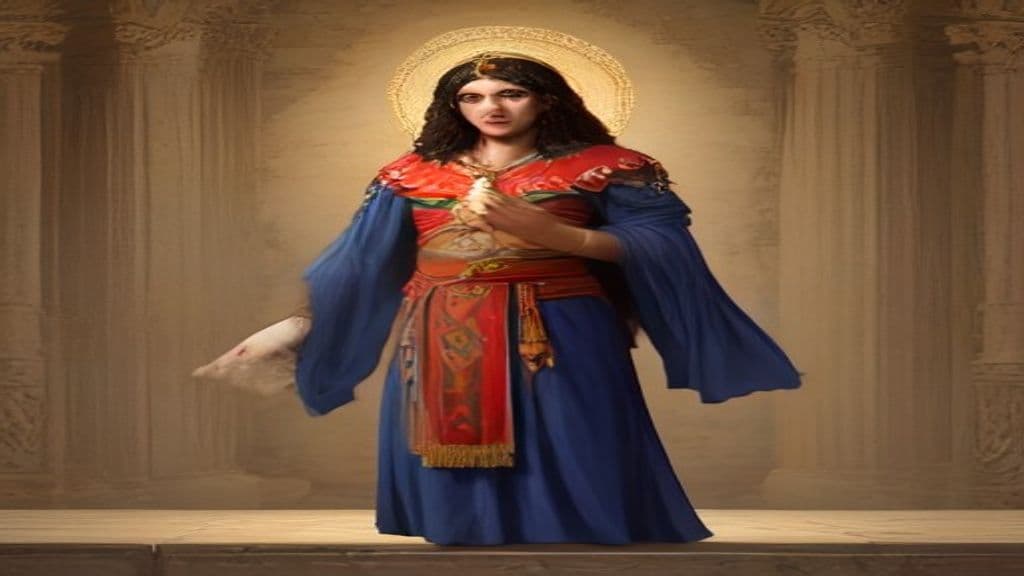
The alazṓn is a product of classical theatrical typology rather than a mythic progeny: it emerges from the dramaturgical conventions of Greek Old and New Comedy as a recognizable human type defined by behavior (boastfulness, imposture) and dramatic function (obstacle, source of ridicule). Roman playwrights (e.g., Plautus, Terence) adapted the type (notably as the miles gloriosus), and the pattern persisted into commedia dell'arte and later Western drama as a recurring foil for protagonists and the eirôn.
Sources do not fix a single physical description; the alazṓn is embodied through theatrical variants and costume traditions. Notable exemplars include the miles gloriosus (the braggart soldier, e.g., Plautus’ Pyrgopolynices), the senex iratus (the angry old man who blocks young lovers), and later commedia figures such as Il Capitano or Pantalone. In performance the alazṓn’s look is therefore mediated by the specific subtype and period conventions (military accoutrements for the braggart soldier, age‑marks and dress of an older paterfamilias for the senex iratus), with later dramatists sometimes mapping aspects of the type onto figures like Falstaff or Ancient Pistol.
The alazṓn’s "abilities" are behavioral and dramaturgical: he boasts, postures, deceives himself and others about his status (bravery, wealth, learning, desirability), and thereby generates comic conflict. Dramatically he functions as an obstacle (e.g., blocking lovers), a target for plot manipulation, and a foil for the eirôn; typical patterns include gullibility, reliance on a parasite or flatterer, and the social power to threaten protagonists until he is outwitted or exposed by the play’s end.
Weaknesses
- othergullibility — unmasked by feigned admiration or ironic contrast
- otherdependency on parasite/flatterer — removal or exposure of the flatterer undercuts the alazṓn
Wards
- othereirôn (ironic foil) — dramaturgical countercharacter who undermines the alazṓn by contrast
- otherfeigned admiration and conspiracy — characters use flattering performance to draw the alazṓn into schemes that expose him
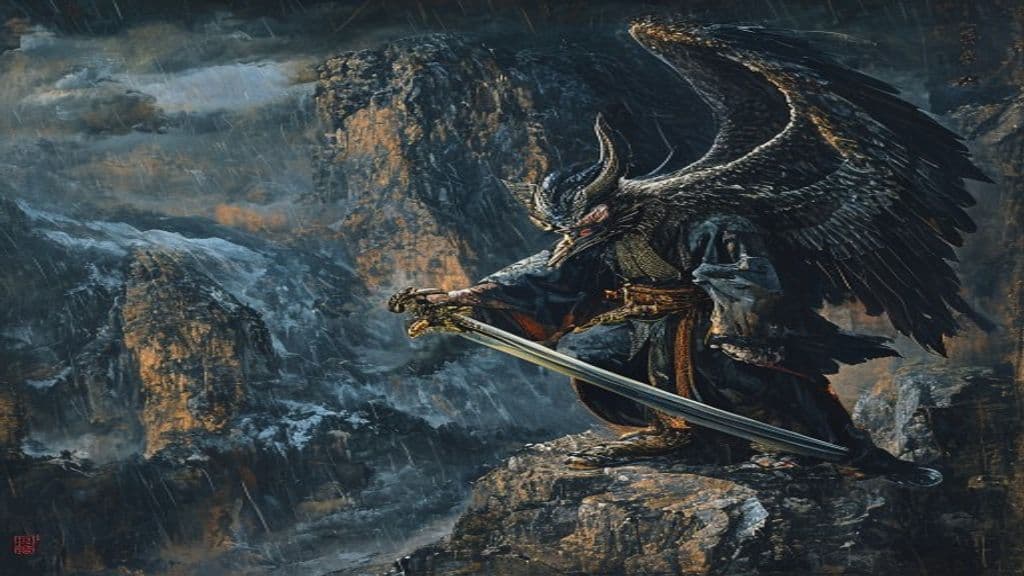
Tengu
Proud, warrior-like mountain spirits of Japan, associated with martial arts, pride, and the wild mountains. Neither fully good nor evil — they test and train warriors and monks, but punish the arrogant.
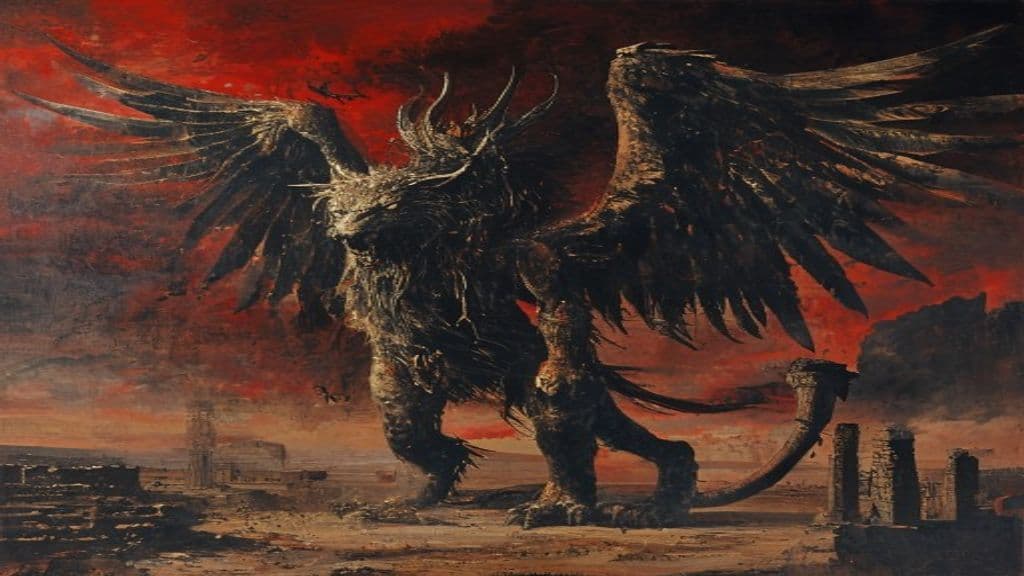
Pazuzu
The king of the wind demons of ancient Mesopotamia, lord of the southwest wind — paradoxically invoked as a protector against Lamashtu and other demons despite being evil himself.
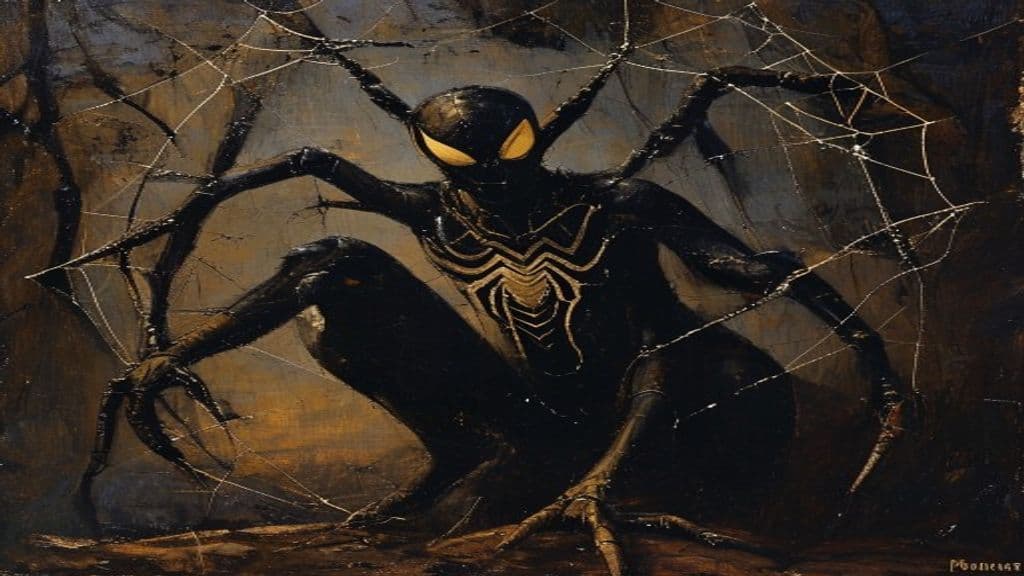
Anansi
The spider trickster god of Akan folklore — cunning, mischievous, and wise. Keeper of stories and teacher of human beings, brought through the slave trade into Caribbean and African-American tradition.
Alan Wake
Alan Wake is a fictional human protagonist created by Remedy Entertainment: a bestselling crime‑thriller novelist who experiences metafictional supernatural events when manuscript pages of a book he does not remember writing come to life in the town of Bright Falls. The character appears across video games and related media (Alan Wake, DLC episodes, American Nightmare, Alan Wake 2) in stories that frame the threat as a pervasive 'darkness' opposed by light.
Alastor
Alastor (Ancient Greek: Ἀλάστωρ) is a concept-personification in Greek tradition denoting an avenging spirit or personified curse that punishes certain moral offences—especially familial bloodshed—and operates alongside chthonic avengers such as the Erinyes. Over time the term broadened to a secular insult and was reinterpreted in later Christian demonology as a type of possessing evil spirit.
Alatreus
Alatreus is a youthful mythic warrior named in Roman-era treatments of Greek myth (notably Statius's Thebaid). He is identified as the son of Lapithaon and the nymph Dercetis and appears as a tender-aged but effective combatant in battlefield episodes.
Alatyr
A sacred world-stone in East Slavic and wider Slavic folklore, described as the "father to all stones" and the "navel of the earth." Located at the world's center (often on Buyan island), it is associated with a miraculous spring, sacred letters, healing properties, and liminality between the human world and other realms.
Alaunus / Alauna
Alaunus (masculine) and Alauna (feminine) are Gaulish theonyms attested in Roman‑period inscriptions and preserved in river- and place‑names across western and central Europe. The surviving evidence is epigraphic and toponymic; modern scholars often interpret the deity as associated with healing and prophecy and note at least one dedication equating him with Mercurius (Mercurius Alaunus).
Alaz
Alaz is the Turkic god of fire associated with hearths, flame, and the Great Fire (Ulugh Od). He is described as a powerful fire-being who sends protector-spirits (İye) to household hearths and can cause destructive fires when angered; fire under his authority is also a purifying force.
Alba Silvius
Alba Silvius is a legendary king of Alba Longa in Roman foundational historiography, presented in regnal lists and chronicles as a member of the Silvian dynasty descended from Latinus. He is attested as reigning roughly 38–39 years and figures primarily as a genealogical and chronological link in the tradition that leads from Aeneas and Latinus toward the later Roman founders.
Albanactus
Albanactus is a legendary eponymous founder-king in medieval pseudo-historical chronicles (not a supernatural being). In Geoffrey of Monmouth’s narrative he is the youngest son of Brutus who receives Alba/Albany as his share, rules briefly, and is killed by Humber, king of the Huns; the figure serves as a medieval reverse-etiology to explain the name of the land and to support later political claims.
Albastı (Al Basty)
Albastı (also attested as Al Basty) is presented in the provided sources as an ancient female spirit associated with nightmares and night‑time disturbance in Caucasian folkloric contexts. Sources group her among 'dark queens of the night' and other ruthless, otherworldly beings that fill nightmares and overlap conceptually with karabasan/kabus‑type phenomena.
Alberich
In Germanic heroic legend, Alberich is a dwarf associated with elven qualities and power. (Note: 1. Power tier: Reduce to Ancient as Alberich's abilities are not described beyond being a dwarf with elven qualities. 2. Origin story: Clarify that Alberich is mentioned in multiple Germanic texts, bu)
Albert
Albert is a human attendant and butler associated with Death in Terry Pratchett's Discworld fiction. He appears in the novels' material and related media (notably voiced in the game Discworld II: Missing Presumed...!?), functioning as a domestic companion within Death's household rather than as a metaphysical entity in his own right.
Alberto Falcone
Alberto Falcone is a fictional human antagonist from DC Comics, a member of Gotham's Falcone crime family who, in the comics, is revealed as the Holiday Killer. He operates as a mobster whose actions, psychological profile, and familial ambitions drive major plotlines in Batman stories such as The Long Halloween and Dark Victory.
Community Record
- [1]Alazon. Wikipedia contributors, 'Alazon,' Wikipedia, The Free Encyclopediawiki
- [2]Alazon (Wikidata). Wikidata entry Q1786372other
- [3]Alazon [microform]; ein Beitrag zur antiken Ethologie und zur Kenntniss der Griechisch-Römischen Komödie. Archive.org catalogue entry for scholarly monograph titled 'Alazon'other
- [4]Alazon and other poems [microform]. Archive.org catalogue entry for poetry volume titled 'Alazon and other poems'other