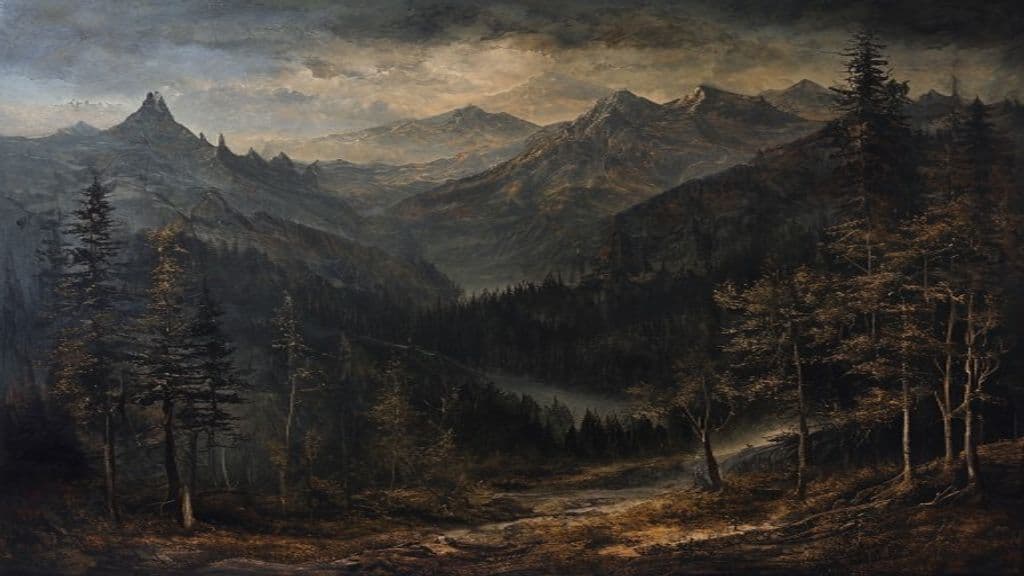
Borzu Nama is a legendary hero from the Shahnameh, a Persian epic cycle. He is often depicted as strong and courageous, reflecting the values of ancient Iranian culture.
No information on physical appearance or sensory cues is available in the source material.
As a legendary hero, Borzu Nama possesses great strength, courage, and possibly some human attributes similar to other epic heroes in the Shahnameh cycle. However, there is no clear evidence of supernatural abilities beyond his human form.
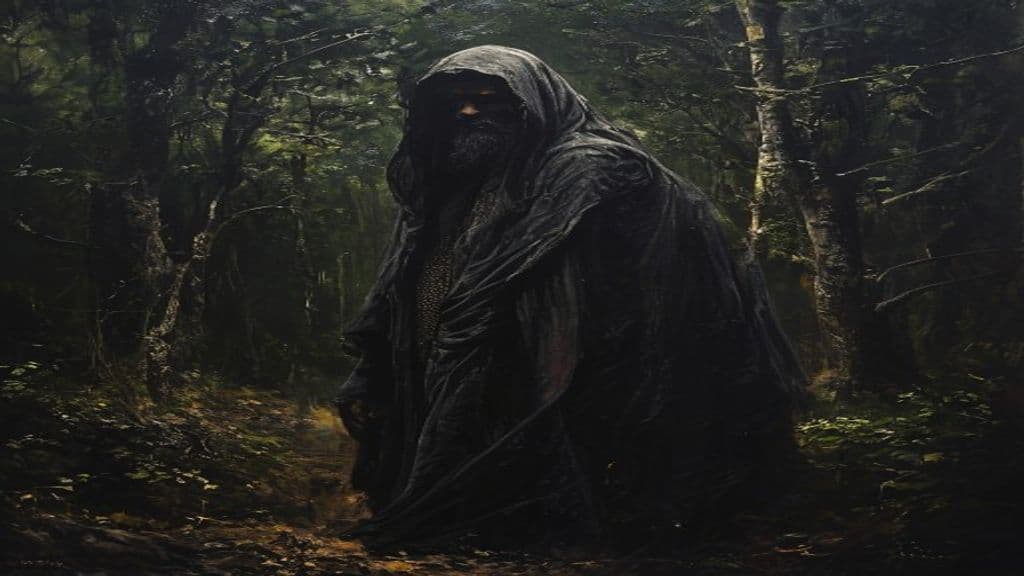
Cypress of Kashmar
A sacred cypress tree in Persian tradition, symbolizing the spread of Zoroastrianism. (Note: 1. Power tier is too low; based on its significance in Zoroastrian tradition, it should be Primordial. 2. Add sensory cues such as the scent of cedar or pine associated with cypress trees, and possibl)
Humban
Ancient Elamite god associated with divine protection and revered as a protector deity. (Note: 1. Power tier: Humban's association with "divine protection" and his importance as a deity suggest he should be placed at Ancient power tier is correct. 2. Weaknesses: absence of specific weaknesses m)
Jahangirnama (Qasim Madih Harawi)
Epic poem written in Persian, detailing the story of Jahangir son of Rostam, composed in Herat and published in Mumbai. (Note: - Power tier: Primordial (given its cosmic scope and ancient origin) - Origin story: The source material provides the information on its origin, stating it was composed in Herat. - Appearance: Not app)
Kashvad
Legendary hero from the Persian tradition, known for his valor and military prowess. (Note: 1. Power tier: Downgrade from Ancient to Greater, as Kashvad is described as a heroic warrior with exceptional bravery and military skills, but not necessarily a deity-level being. 2. Weaknesses: Add )
Khosrow and Shirin
Human protagonists of a romantic epic poem in the Persian tradition, reflecting cultural values of ancient Persia. (Note: 1. Power tier: Should be adjusted to Primordial (as they are historical figures in a cultural context that predates modern power tiers). 2. Summary: Should include more information about their cultura)
Parī (Persian Tradition)
Supernatural entities existing in a realm separate from humans with complex social structures and described as winged creatures of immense beauty. (Note: - Power tier should be Primordial, but the source material does not specifically support this claim; it should be revised to a more accurate assessment based on available information. - Abilities sect)
Sindukht
A female character in the Persian epic poem Shahnameh, described as beautiful and intelligent. (Note: - Power tier should be Primordial (since she's a character from an ancient epic poem, implied to have significant cultural or narrative impact). - Abilities should include her emotional influence and )
Zabulistan
A historical region in southern Afghanistan and southeastern Iran, with no known supernatural entity associated with it. (Note: 1. Power tier should be Ancient (deity-level) instead of Primordial (cosmic), since there's no indication of supernatural or deity-level associations with Zabulistan. 2. Remove "Supernatural entity as)
Borysthenes
Borysthenes is the ancient Greek name for the Dnieper River and its personified river-god in classical accounts. In Greek literary and antiquarian sources the name denotes both the physically fertile river near Pontic Olbia and a local river-divinity invoked in genealogies and place‑names.
Borysthenis
Borysthenis (Ancient Greek Βορυσθενίς) is a theonym recorded in Greek discourse with two distinct usages: (1) as the name of one of a localized triad of Muses described as daughters of Apollo (sisters Apollonis and Cephisso), and (2) as an epithet applied to the Scythian earth-and-water goddess Api, indicating her status as 'daughter of the god of the Borysthenēs (Dnipro) river.'
Bosom of Abraham
In Jewish tradition, the Bosom of Abraham is a concept representing a state or location within Sheol where righteous individuals await redemption after death. (Note: * Power tier should be Primordial (as it's a concept within Sheol, which is often described as a cosmic realm) * Origin story needs more context from source material; association with Abraham's righte)
Botis
Botis is a named spirit from Renaissance and early modern ceremonial grimoires, variously ranked as a President, Earl, or Count. Appearing in sources such as the Ars Goetia (Lesser Key of Solomon), the Pseudomonarchia Daemonum, the Munich Manual of Demonic Magic (as Otius), and mentioned in the Grand Grimoire as subordinate to Agaliarept, he is summoned by ritual operators to answer questions, reveal knowledge, and reconcile allies and enemies.
Community Record
- [1]