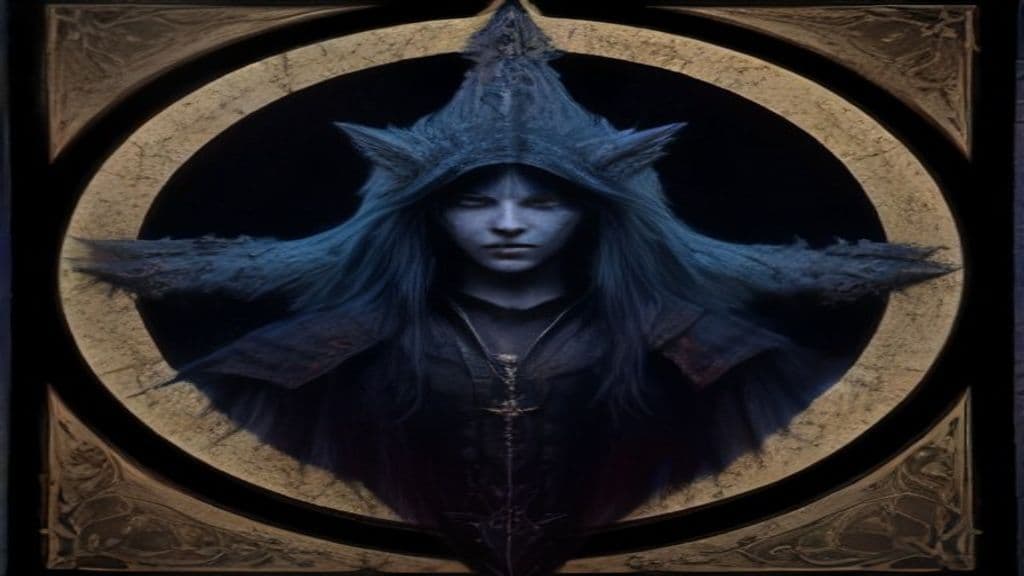
In the modern summaries cited here, Caim appears in catalogues derived from the Goetic material associated with the Lesser Key of Solomon; some compilations describe him as having once belonged to an angelic order before being listed among infernal beings. These claims are presented in secondary sources (occult encyclopedias and demon-name lists) rather than in the primary grimoire texts quoted in the supplied excerpts.
The supplied sources do not provide a consistent primary-source visual description. Modern web summaries emphasize rank and function (e.g., "President") rather than detailed iconography; no authoritative corporeal form is given in the excerpts available.
Secondary occult entries attribute to Caim the capacity to teach or give understanding of animals and nature, and list him with a formal rank (often styled a President) commanding legions of spirits. A demon-name compilation also tags him with thematic labels such as "Animism" and "Deception," presented there as descriptive tags rather than quoted canonical powers. These descriptions come from modern summaries of Goetic rosters rather than cited primary ritual texts in the provided material.
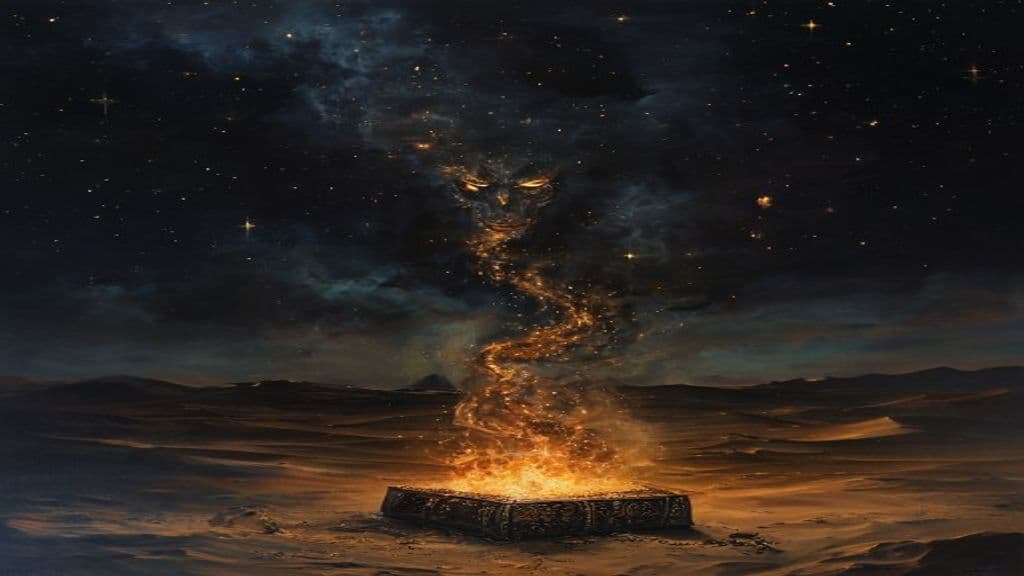
Djinn
The class of supernatural beings created from smokeless fire in Islamic cosmology — a parallel civilization to humanity, capable of belief or unbelief, with their own prophets, society, and judgment before God.
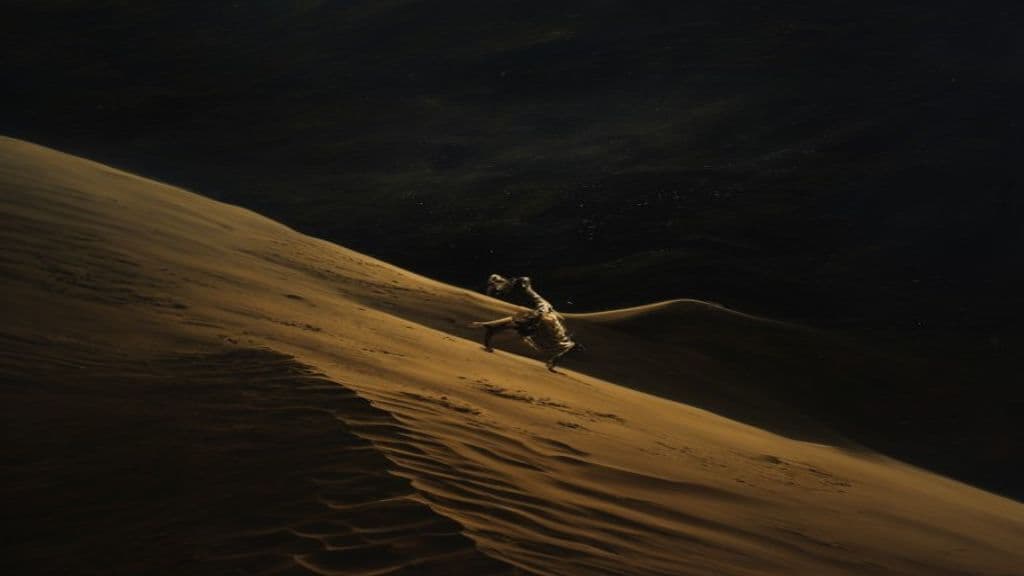
Jann
The weakest class of djinn in Islamic tradition, associated with desert winds and taking the form of snakes or whirlwinds, dwelling in empty wilderness and posing little threat to those who know the proper invocations.
Cagnazzo
Cagnazzo is a named member of Dante Alighieri's Malebranche, the infernal squad of demons encountered in Cantos XXI–XXIII of the Inferno. His name (Italian for "nasty dog") and Dante's single verbal reference to a "muzzle" suggest canine implications in the poem, while modern media later reuse the name for various antagonists and guardians.
Caiaphas (Joseph ben Caiaphas)
Caiaphas (Joseph ben Caiaphas) is attested in New Testament and later Jewish sources as the Jewish High Priest in Jerusalem in the early first century CE. He functions in the Gospel narratives and Acts as a senior temple official and a leading member of the council of chief priests who weigh political and cultic interests and who are portrayed as instrumental in the arrest and trial of Jesus.
Caicus (Kaikos)
Caicus (Kaikos, Kaïkos) is the ancient name of a river in western Anatolia (modern Bakırçay) and the river's personification as a local potamos (river‑god) in Greek mythic geography. Surviving references treat Caicus primarily as a geographic feature important to navigation, settlement, and local legend, and secondarily as the named divine identity attached to that river.
Caiera
Caiera is identified in the provided sources as a fictional character from Marvel Comics, associated with the Planet Hulk storyline. The available materials do not provide folkloric attributes, rituals, or traditional beliefs about her.
Caieta
Caieta is a named wet-nurse in Roman mytho-historical tradition who is commemorated as the eponym of Caietae Portus (modern Gaeta). She appears in the literary and commentarial tradition connected to the Aeneas cycle and is remembered primarily through a funerary epitaph and the toponym derived from her grave.
Cailleach
A Gaelic 'veiled old woman' figure who personifies winter and its elemental forces; credited in tradition with shaping the landscape (mountains, hills, valleys) and with controlling storms and seasonal turnover. Treated both as a singular mythic sovereign (e.g., the Hag of Beara / Beira) and as a type (plural cailleachan or 'storm hags') in regional lore across Ireland, Scotland and the Isle of Man.
Cain (Jewish Tradition)
Biblical figure and symbol of sin and violence, human being with no supernatural abilities. (Note: 1. Power tier: Change to "Human" is correct. 2. Abilities: Specify that the abilities mentioned are a result of Cain's actions and decisions, not supernatural powers. 3. Weaknesses: Mention God's curs)
Cain and Abel
Cain and Abel are the first two sons of Adam and Eve in the Hebrew Bible / Old Testament. The Genesis narrative presents them as the initial exemplars of human occupation (farmer vs. shepherd), sacrificial practice, and the first recorded instance of fratricide, followed by divine judgment and protection placed upon Cain.
Caipora
A Tupi-derived forest-dwelling being in Brazilian folklore depicted as a guardian or controller of wild animals and game; regionally variable in form and temperament, it misleads or punishes hunters who transgress forest norms and may be placated with offerings such as tobacco or alcohol.
Cairbre Lifechair
Cairbre Lifechair ('lover of the Liffey') is a figure of medieval Irish legend and historical tradition presented as a High King of Ireland. He appears in saga and chronicle material (notably Cath Gabhra and accounts of the Expulsion of the Déisi) as a political and military actor who exacts tribute, leads a coalition army against the fianna, and dies in single combat during the Battle of Gabhra.
Calabash Monster
The term "Calabash Monster" is not attested in the provided sources as a coherent traditional folkloric entity. The materials instead show modern uses of the word "Calabash" in commercial, place‑name, and creative contexts (e.g., Calabash, North Carolina seafood style, restaurant names, and a blog character named Calabash). No mythic origin, standardized description, powers, or ritual responses for a folkloric "Calabash Monster" are documented in the supplied sources.
Calafia
Calafia (also Califia) is a fictional queen introduced in Garci Rodríguez de Montalvo’s early 16th‑century chivalric romance Las sergas de Esplandián (c. 1510). In the narrative she is ruler of a mythical Island of California, portrayed as a regal Black woman who commands women warriors and griffins and is later captured, converted to Christianity, and integrated into the chivalric plot.
Community Record
- [1]Caim - Occultopedia entry (excerpt). Occultopedia, Caim entry (excerpt) — states Caim "that once belonged to the Order Of and supposedly gives to men an understanding of animals and nature."other
- [2]Caim Demon Names List (hellhorror.com). hellhorror.com demon-names list — lists variants "Camio, Caym", gives rank as President, commands 30 legions, and tags including "Animism, Deception."other
- [3]Ars Goetia summary — AllTheTropes. AllTheTropes entry summarizing the Ars Goetia as the first section of the Lesser Key of Solomon and its catalogue of 69–72 demons (general corpus reference used in source material).wiki
- [4]Caim — Wikipedia. Wikipedia entry for Caim (included among supplied source URLs).wiki
- [5]General note: The Demons of King Solomon (bibliographic reference). Bibliographic/illustrative page referenced in source list for the broader corpus of Solomon-related demon lore.other