The name derives from Tupi roots (caa/caap- meaning 'forest') and is glossed in sources as 'inhabitant of the forest.' Sources note that the Caipora tradition is chiefly vernacular and orally transmitted; Jesuit mission records do not provide authoritative attestation and the figure's original ancestry is described as obscure. Scholarly glosses record alternative etymological readings (e.g., cai-pora 'one who carries fire' or caí-pora 'one who is shy/runaway' recorded by Teodoro Fernandes Sampaio, 1928), but the dominant lexical sense across sources is that of a forest-dweller who enforces rules about game.
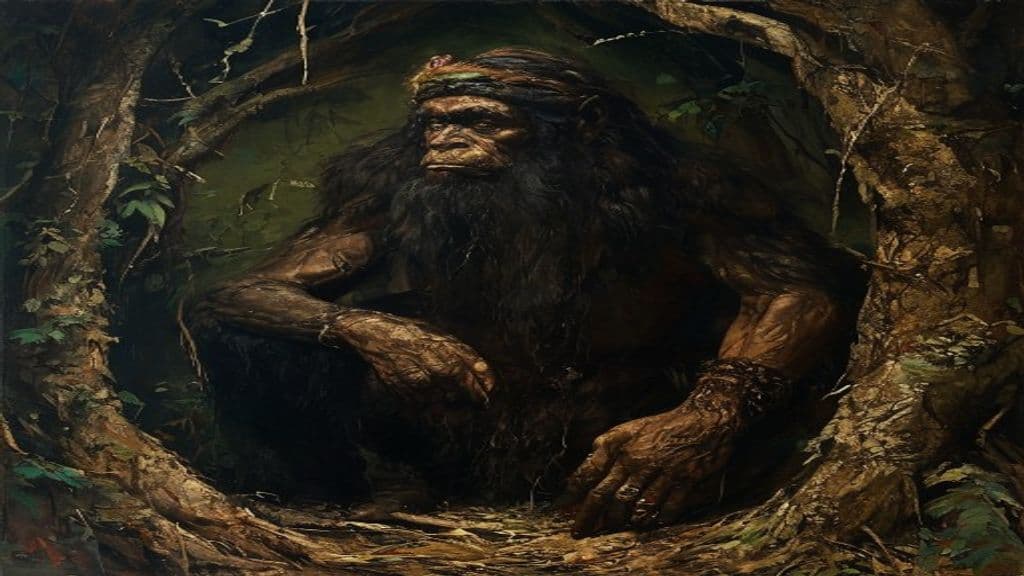
Descriptions vary widely by region and source; no single canonical form is attested. Common or recurrent traits include dark skin or indigenous appearance (cabocla/caboclinho), small or dwarf stature in some traditions, and alternatively large hairy or robust humanoid forms in others. Variants include a large-headed child or 'enchanted caboclinha,' a hairy giant man, an old black man, or a fair young cabocla in other local tales. The Caipora is frequently represented riding forest animals (peccary, tapir, porcupine, deer, occasionally rabbit) and is often shown armed with a stick or whip; depictions of hairiness, teeth, eye color, and clothing differ regionally.
Folkloric functions and reported behaviors center on protection and control of wildlife and the enforcement of hunting rules. Caipora is said to mislead hunters and fishermen, causing bad luck or failure (a condition termed caipórismo in folk usage). It accepts offerings (notably tobacco and alcoholic drink) and may be placated or bribed; in some tales, propitiation turns hostility into assistance. It is often described as riding or commanding forest animals and using a stick or whip to enforce its will. Specific miraculous acts (e.g., transporting a human on a stick) are recorded in individual Bahian tales rather than presented as universal powers.
Weaknesses
- otherCan be placated or bribed with offerings (tobacco, alcohol)
Wards
- substanceTobacco (offering or pipe)
- substanceAlcohol (offering)
- conditionRespectful conduct toward forest rules (avoid disturbing game)
Curupira
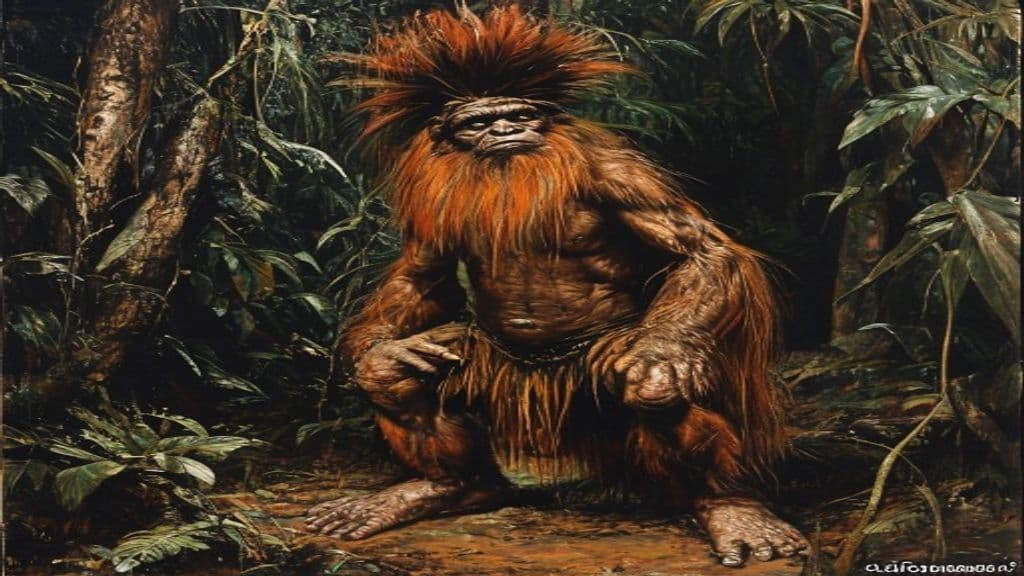
A Tupi–Guarani–area forest spirit who protects woods and wildlife by misleading, punishing, or rewarding humans according to their behavior; widely attested across Brazil and neighboring regions with many regional variants.
Saci
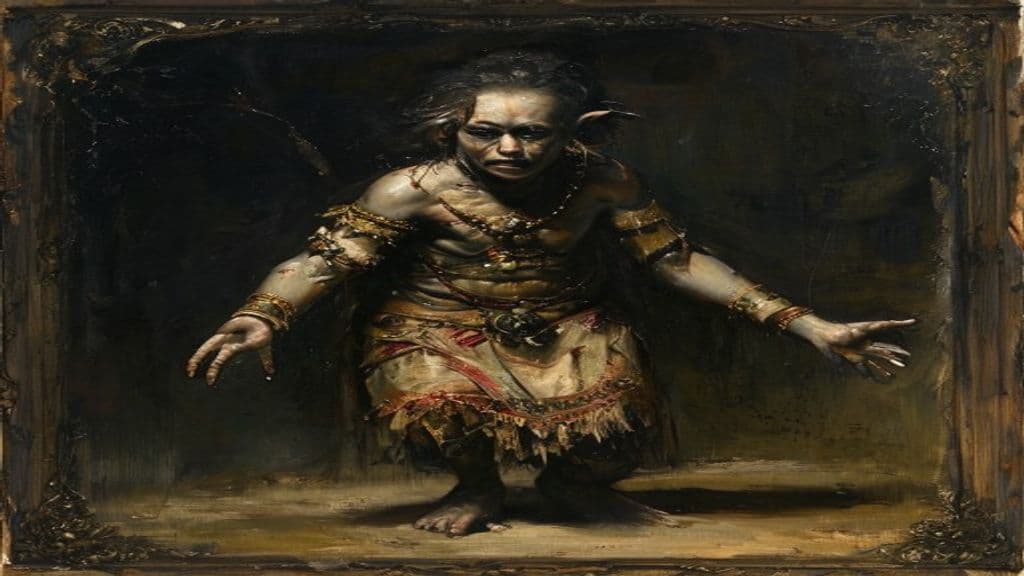
Saci is an impish mythical character of Brazilian folk tales, identified in general reference sources as a named figure within Brazilian folklore.
Caiera
Caiera is identified in the provided sources as a fictional character from Marvel Comics, associated with the Planet Hulk storyline. The available materials do not provide folkloric attributes, rituals, or traditional beliefs about her.
Caieta
Caieta is a named wet-nurse in Roman mytho-historical tradition who is commemorated as the eponym of Caietae Portus (modern Gaeta). She appears in the literary and commentarial tradition connected to the Aeneas cycle and is remembered primarily through a funerary epitaph and the toponym derived from her grave.
Cailleach
A Gaelic 'veiled old woman' figure who personifies winter and its elemental forces; credited in tradition with shaping the landscape (mountains, hills, valleys) and with controlling storms and seasonal turnover. Treated both as a singular mythic sovereign (e.g., the Hag of Beara / Beira) and as a type (plural cailleachan or 'storm hags') in regional lore across Ireland, Scotland and the Isle of Man.
Caim
Caim is a named infernal intelligence attested in modern compilations of Western grimoire-derived materials. In secondary occult summaries he is listed among Goetic/solomonic demons, variably called Caim, Camio, or Caym, and is described as a ranked officer associated with imparting knowledge about animals and nature.
Cain (Jewish Tradition)
Biblical figure and symbol of sin and violence, human being with no supernatural abilities. (Note: 1. Power tier: Change to "Human" is correct. 2. Abilities: Specify that the abilities mentioned are a result of Cain's actions and decisions, not supernatural powers. 3. Weaknesses: Mention God's curs)
Cain and Abel
Cain and Abel are the first two sons of Adam and Eve in the Hebrew Bible / Old Testament. The Genesis narrative presents them as the initial exemplars of human occupation (farmer vs. shepherd), sacrificial practice, and the first recorded instance of fratricide, followed by divine judgment and protection placed upon Cain.
Cairbre Lifechair
Cairbre Lifechair ('lover of the Liffey') is a figure of medieval Irish legend and historical tradition presented as a High King of Ireland. He appears in saga and chronicle material (notably Cath Gabhra and accounts of the Expulsion of the Déisi) as a political and military actor who exacts tribute, leads a coalition army against the fianna, and dies in single combat during the Battle of Gabhra.
Calabash Monster
The term "Calabash Monster" is not attested in the provided sources as a coherent traditional folkloric entity. The materials instead show modern uses of the word "Calabash" in commercial, place‑name, and creative contexts (e.g., Calabash, North Carolina seafood style, restaurant names, and a blog character named Calabash). No mythic origin, standardized description, powers, or ritual responses for a folkloric "Calabash Monster" are documented in the supplied sources.
Calafia
Calafia (also Califia) is a fictional queen introduced in Garci Rodríguez de Montalvo’s early 16th‑century chivalric romance Las sergas de Esplandián (c. 1510). In the narrative she is ruler of a mythical Island of California, portrayed as a regal Black woman who commands women warriors and griffins and is later captured, converted to Christianity, and integrated into the chivalric plot.
Calcabrina
Calcabrina is one of the Malebranche — a named demon/jailer appearing in Dante Alighieri's Inferno who helps guard the fifth bolgia of the eighth circle of Hell. The name has been reused in modern fiction and games where adaptations portray Calcabrina as a guardian or combatant (gargoyle, construct, or voidsent), distinct from Dante's literary role.
Calchas
Calchas is a human Argive seer (mantis, oionopólos) of the Trojan War tradition, a member of a hereditary mantic family who interprets omens and entrails on behalf of Greek commanders and declares the will of Apollo to guide ritual and military decisions.
Calchus
Calchus (Ancient Greek: Κάλχος, Kalkhos) is a mortal king of the Daunians in a later Greek mythic episode preserved by Parthenius of Nicaea. He persistently courted the sorceress-goddess Circe at her island Aeaea, was transformed into a pig by her enchantments, and later restored after his people intervened.
Community Record
- [1]Caipora (Wikipedia). Wikipedia contributors. 'Caipora.' Wikipedia, The Free Encyclopedia.wiki
- [2]Contos de assombração (archive item listing Caipora role). Archive.org: Contos de assombração (collection referencing 'Caipora, o pai-do-mato')literary
- [3]Drama - Casa Txa! (archive item). Archive.org: Drama - Casa Txa! (contains cultural/performative reference to 'Caipora')other
- [4]Castelo Rá-Tim-Bum: O Musical (2017) (MP3). Archive.org: Castelo Rá-Tim-Bum: O Musical (casting/role reference to 'Caipora')other
- [5]Wikidata entry Q21850188 (Caipora). Wikidata: Q21850188 (noted in sources as sparsely or incorrectly labeled)other