
Inshushinak appears in Old Elamite and later Neo-Elamite sources as the civic god of Susa. His name, a Sumerian-derived loan often rendered as "lord of Susa," is attested in cuneiform from the second millennium BCE (including royal inscriptions such as those of Puzur-Inshushinak) and in later Sukkalmah- and Neo-Elamite period records. Early attestations and treaties cite him as a superior divine authority to which kings are subject, and his cult prominence rose and fell with the political fortunes of Susa; when the city held regional power his religious status was elevated and reflected in royal epithets and monumental building projects (for example, temples and a ziggurat at Dur Untashi/Chogha Zanbil are linked to his cult). In Mesopotamian contexts he is sometimes equated with or identified alongside underworld or adjudicating deities, showing the syncretic frontier character of his attestations.
Direct, unambiguous iconographic identifiers for Inshushinak are not firmly attested in the provided sources. Some textual and material evidence suggests snake symbolism may have been associated with him (logographic spellings using serpent signs, dMÚŠ), but this remains interpretative. A museum object (a helmet decorated with divine figures) depicts a central horned, bearded male water deity with a lower body described as scale- or mountain-like, holding a flowing vase; the object description notes this figure might represent either Inshushinak or Napirisha, indicating that similar visual types could be used for major Elamite gods but that the attribution to Inshushinak is uncertain. In summary, sources record possible snake associations and occasional horned-male water-god imagery linked to Inshushinak in art, but they also emphasize that his precise visual attributes are not securely established in the surviving record.
Inshushinak functions primarily as the tutelary lord and protector of the city of Susa and of its high city (acropolis). He is repeatedly invoked in royal titulature and building dedications as a guarantor of kingship and civic order; an early Elamite formula even states that "to the god Inshushinak a king is subject." He serves as divine judge and guarantor of oaths and legal agreements: in Sukkalmah-period economic and legal documents he frequently appears alongside Ishmekarab, and contracting parties committed themselves by touching the god's kidinnu (Akkadian) or kitin (Elamite), a ritualized emblem of divine legal authority (the precise physical nature of the kidinnu/kitin is uncertain). Inshushinak is also associated with the underworld and funerary contexts — he appears in the Susa Funerary Texts and Neo-Elamite logographic forms of his name link him to underworld terminology — suggesting involvement in postmortem adjudication or the religious geography of death. In Mesopotamian writings he could be identified with underworld deities or equated with Ninurta in some contexts, reflecting cross-cultural conceptual overlaps rather than uniform identity.
Weaknesses
- otherNo attested weaknesses in the provided sources
Wards
- ritualInvocation, royal dedication, and oath formulas (touching the kidinnu/kitin)
- ritualRoyal epithets and building dedications seeking his favor
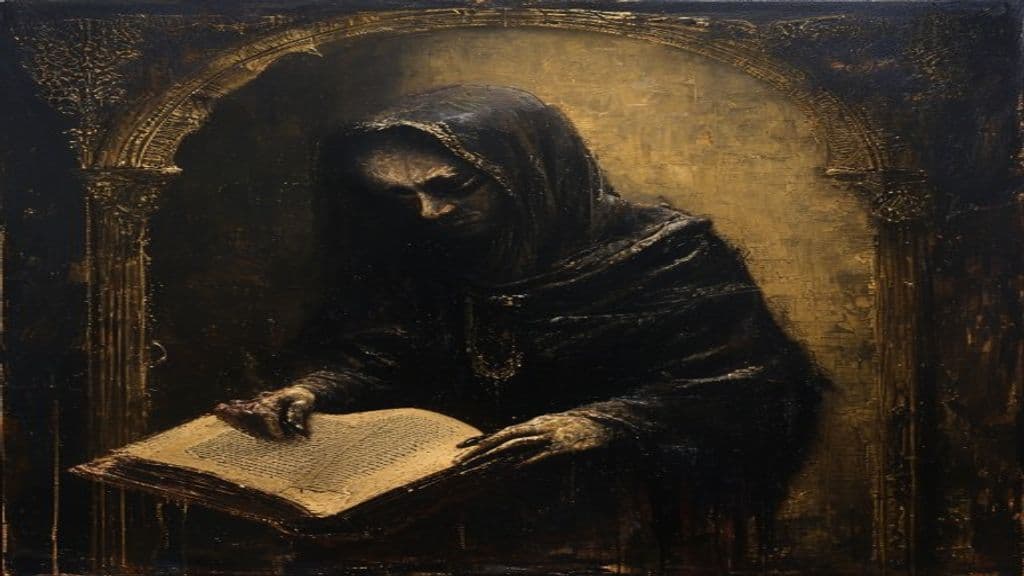
Humban
Ancient Elamite god associated with divine protection and revered as a protector deity. (Note: 1. Power tier: Humban's association with "divine protection" and his importance as a deity suggest he should be placed at Ancient power tier is correct. 2. Weaknesses: absence of specific weaknesses m)
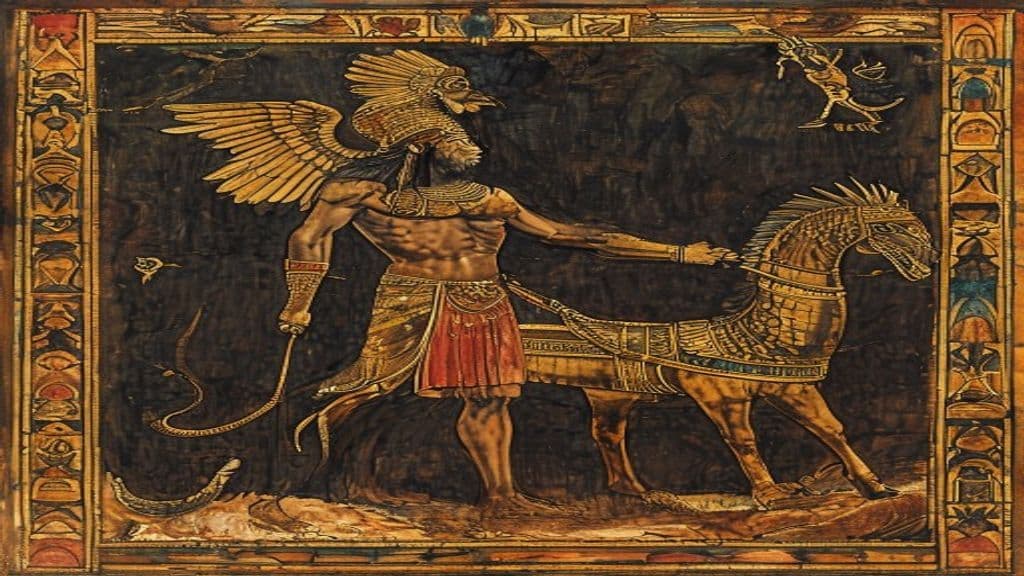
Ninurta
Ninurta is a major deity of ancient Mesopotamia (Sumerian–Akkadian–Assyrian–Babylonian) whose roles include agriculture, healing/exorcism, law and scribal authority, and martial champion of the gods. He is attested from the mid-third millennium BC onward and was venerated at city cult-centers such as Nippur (Eshumesha), Girsu/Lagash (as Ninĝirsu), and later in Assyrian Kalhu.
Elamite religion
The indigenous religious system of ancient Elam (Susiana), encompassing a pantheon (including deities such as Humban and Pinikir), cultic and funerary practices, and state ritual life from the third millennium BCE through the Achaemenid period. It was regionally centered on Susa and the lowlands of what are now Ilam and Khuzestan and interacted with neighboring Mesopotamian and Hurrian traditions.
Ishmekarab
Ishmekarab (Išmekarab / Išnikarab) is a Mesopotamian deity associated with justice, oath‑enforcement, and divine judgment. Attested in Assyrian lists of divine judges and in Elamite/Susa contexts, the figure is invoked in legal and curse formulas and appears in scholarship as participating in juridical/afterlife roles in some Susa texts.
Inel Qaghan
Inel Qaghan (Old Turkic: 𐰃𐰤𐰠:𐰴𐰍𐰣; Chinese: 泥涅可汗; personal name Ashina Fuju) was a historical Turkic ruler of the Ashina house, recorded as the third khagan of the Second Turkic Khaganate. He served as a military leader commanding the western wing and was killed in a dynastic struggle during the early 8th century.
Inkanyamba
A serpent-like water-and-storm spirit in southern African (principally Zulu and Xhosa) oral tradition tied to particular deep pools, rivers, and waterfalls. Folklore associates the inkanyamba with tornadoes, seasonal storms, rain and fertility, and with occasional predation on people and animals.
Inkarri
Supernatural vengeful entity that resurrects and avenges Atahualpa's death, restoring balance between Pacha Mama and humanity. (Note: 1. Power tier: Inkarri's abilities don't suggest Primordial level; it seems more like Greater or Ancient. 2. Appearance: Add a description of what Inkarri looks like after resurrecting (e.g., how its )
Inmyeonjo
A mythological creature in Korean tradition with human and bird characteristics. (Note: - Power tier: Lower than Primordial (should be Lesser or Greater) since no deity-level abilities are described. - Origin story: Remove statement since it's true that no specific origin story is mentio)
Ino
Ino is listed in the provided sources simply as a queen of Thebes in Greek mythology. The available materials are limited to a disambiguation entry and do not supply mythic narrative details, supernatural attributes, or ritual material for her.
Interpretatio Graeca
Ancient Greek cultural practice of identifying foreign deities with their own gods through comparative methodology. (Note: - Remove the term "Ancient" from the power tier as it is not specified in the source that this entity has deity-level abilities. - Add to summary: "...and interpreting foreign mythologies through comp)
Interpretatio Slavica
A cultural practice among Slavic peoples to identify and equate their deities with those of neighboring cultures and Christian saints. (Note: - Power tier should be Ancient (deity-level), as it's a cultural practice rather than a supernatural being. - Sensory cues, weaknesses, and wards are not applicable to this entity, as it's an abstract)
Interpretatio germanica
Process by which Germanic peoples identified Roman gods with their own deities, facilitating cultural exchange and syncretism. (Note: - Power tier should be Ancient (deity-level) instead of Primordial (cosmic), as it's a cultural exchange process rather than an otherworldly power. - Appearance and sensory cues sections are missing; )
Inti
Inti is the principal Inca solar deity — a politicized and multilayered sun-power central to Inca state religion, agriculture, and dynastic legitimation. Treated as both the divine Sun and an ancestral source for the ruling lineage, Inti was worshipped in temples (notably Qurikancha), honored in seasonal rites such as the Inti Raymi, and served by an institutional priesthood.
Intxixu (Intxisua)
A class of small mischievous beings in Basque folklore described in available sources as 'little creatures that make mischief' that can both help people and cause problems. Mentioned in modern English-language summaries of Basque mythology as part of a variety of such creatures.
Community Record
- [1]Inshushinak - Wikipedia. Wikipedia: Inshushinakwiki
- [2]Wikidata entry for Inshushinak. Wikidata: Q2339416wiki
- [3]Puzur-Inshushinak Ensi Shushaki (archive). Archive item: Puzur-Inshushinak Ensi Shushakiother
- [4]Helmet with divine figures beneath a bird with outstretched wings (archive object description). Museum object description: helmet possibly depicting an Elamite water god (identified variably as Inshushinak or Napirisha)other
- [5]Napirisha - Wikipedia. Wikipedia: Napirisha (used for contextual comparison regarding iconography and Elamite cults)wiki
- [6]Dur Untashi (Chogha Zanbil) ziggurat references. Open Research Repository: Dur Untashi (Chogha Zanbil) — ziggurat linked to Inshushinak's cultother
- [7]Blog: Dedicated to Inshushinak (contextual/secondary source). Old European Culture blog entry on Inshushinakother
- [8]Chogha Zanbil – following hadrian photography (contextual/monumental reference). Photographic/visitor account referencing Chogha Zanbil and its association with major Elamite cultsother
- [9]WikiVisually: Inshushinak. WikiVisually entry summarizing Inshushinakwiki
- [10]ArchAtlas: Exploring Routes and Plains in Southwest Iran: Lordegan (contextual). ArchAtlas contextual material on the region of southwest Iranother