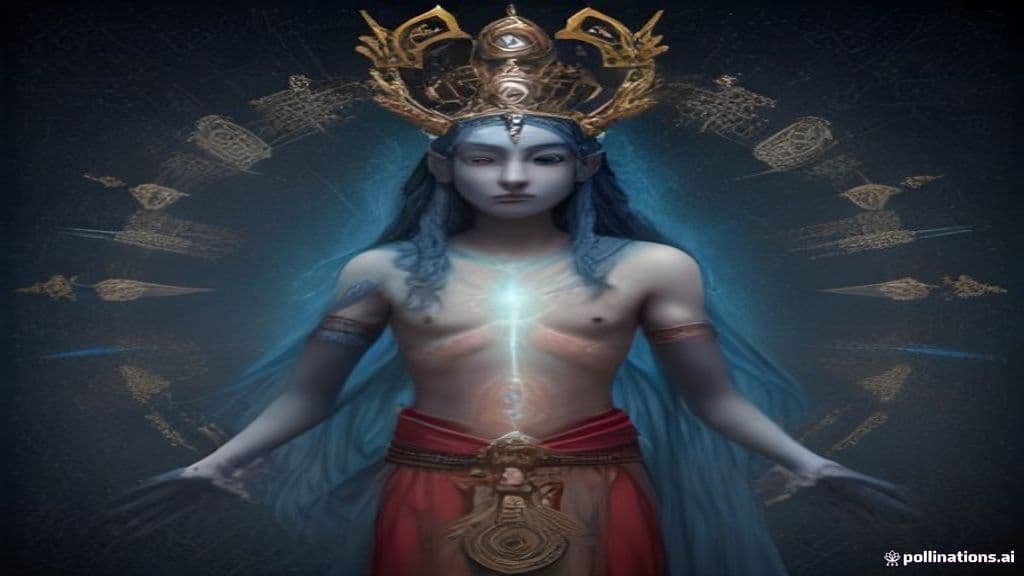
The category 'sky deity' is a cross-cultural structural figure rather than a single origin myth: across many language families and regions sky deities occupy the upper world and function as principal cosmic actors who legitimize rulership and order cosmological polarities (sky/earth; day/night). Comparative scholarship and encyclopedic summaries treat sky deities as recurring across cultures (European, African, Asian, Western Asian) and historically prominent within pantheons — a pattern noted in broad surveys rather than tied to a single creation narrative (see sources listed).
No single unified iconography is given for the category in the provided sources; individual sky deities possess distinct traditions and visual representations in their source cultures. Encyclopedic summaries nonetheless characterize them implicitly as celestial, sovereign, or king/queen‑like figures (for example Nut, Ra, Amaterasu, Dyaus Pita, Tengri are cited as named instances), with some depicted as rulers of specific celestial bodies (sun, moon, stars) or as cosmic personifications of day, night, dawn, or polestar authority.
Summaries attribute a range of high‑order powers to sky deities: creator or co‑creator roles (some sky deities function as creator gods), sovereignty and patriarchal kingship over pantheons (the 'sky‑father' model), and governance or association with celestial phenomena (sun, moon, stars) and atmospheric events (wind, rain, thunder). Some traditions specialize sky deities for dawn, night, clouds, polestar rulership, or longevity, while others list thunder‑linked figures (e.g., culturally distinct thunder gods) among sky‑related deities. These roles are presented across the surveyed cultural lists rather than in procedural myth detail.
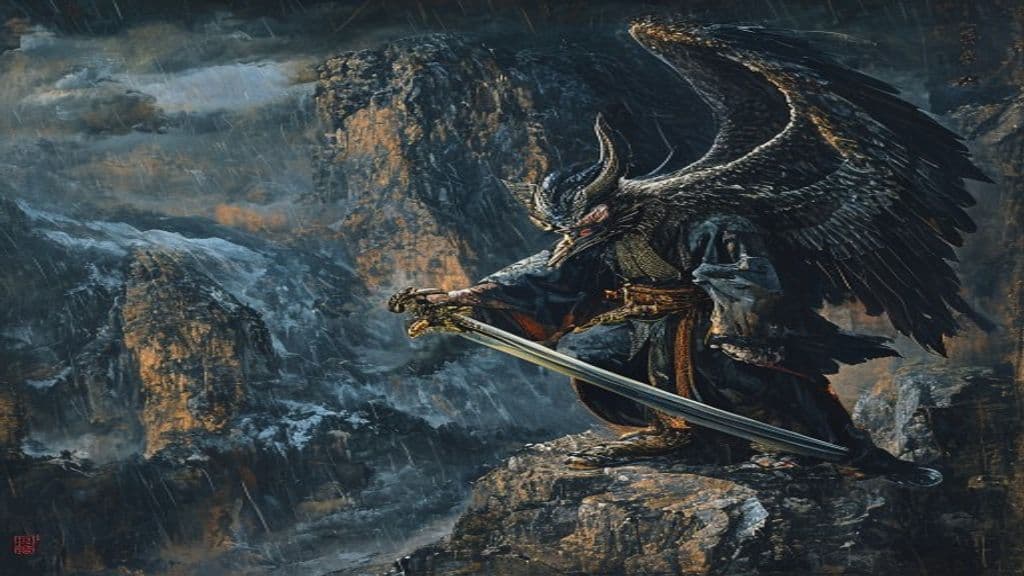
Tengu
Proud, warrior-like mountain spirits of Japan, associated with martial arts, pride, and the wild mountains. Neither fully good nor evil — they test and train warriors and monks, but punish the arrogant.
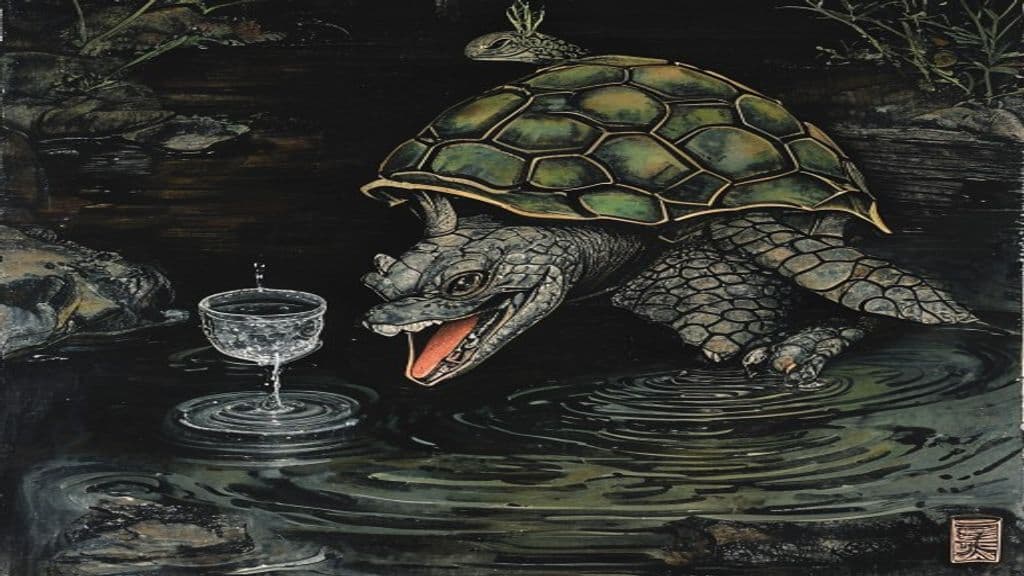
Kappa
A water-dwelling imp of Japanese folklore with a bowl of water on its head. Mischievous but bound by strict codes of politeness; dangerous near rivers.
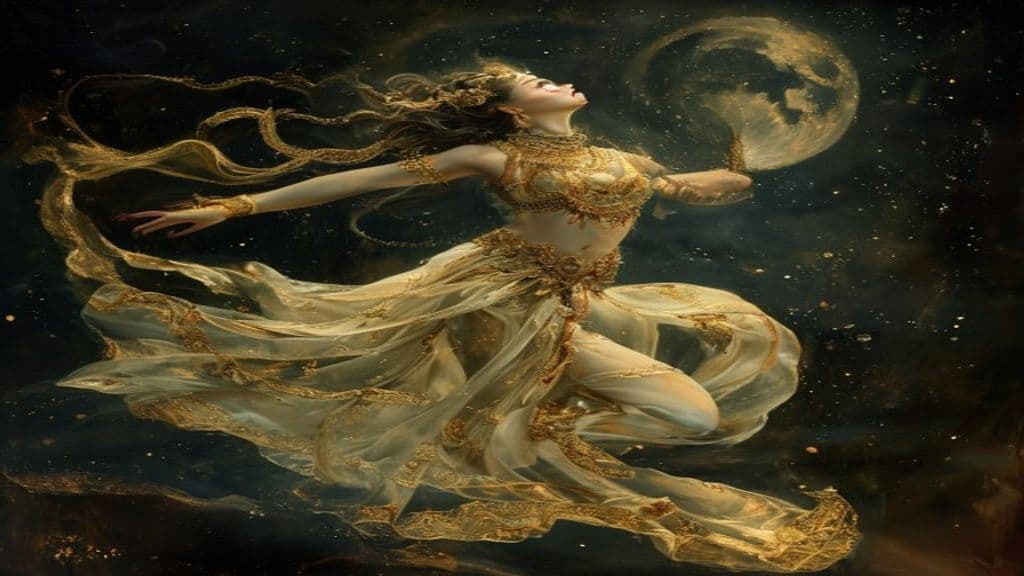
Apsara
Celestial dancers and water nymphs of Hindu cosmology — beautiful semi-divine beings who dance at the court of Indra and, by his command, descend to earth to distract sages from excessive asceticism.
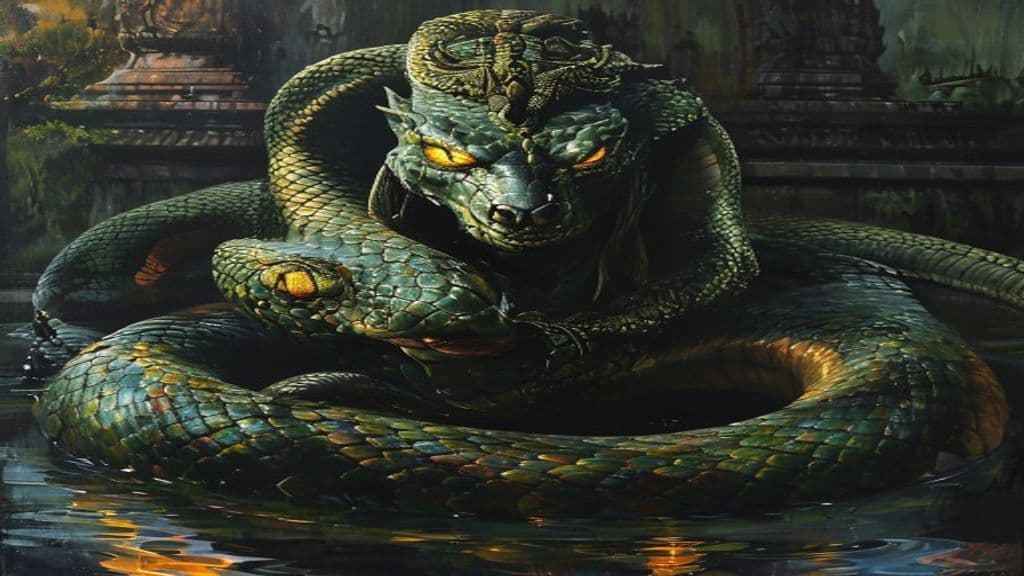
Naga
Divine serpent beings of Hindu, Buddhist, and Jain cosmology — powerful guardians of water, earth, and underground treasures. Revered as deities in South and Southeast Asia.
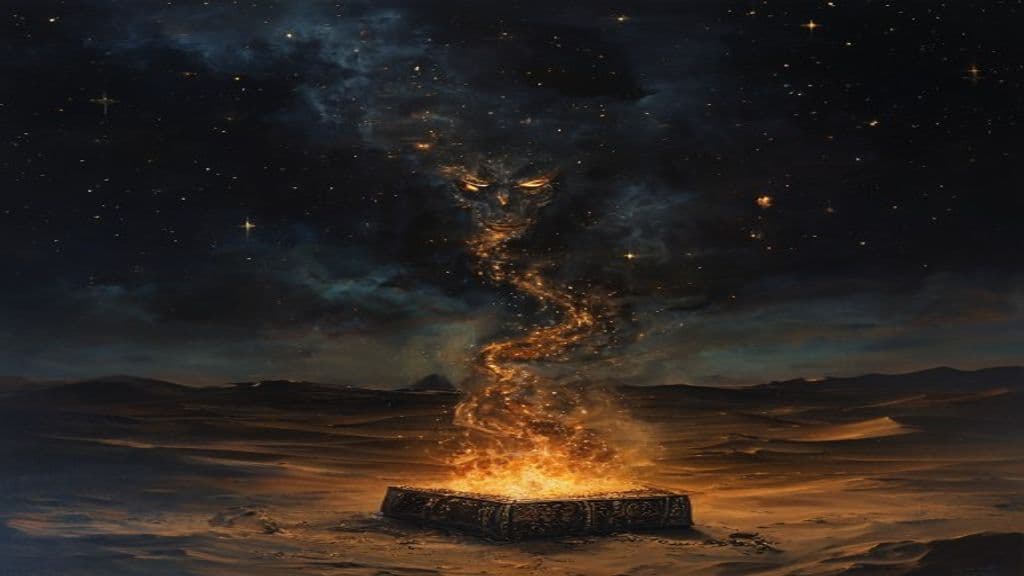
Djinn
The class of supernatural beings created from smokeless fire in Islamic cosmology — a parallel civilization to humanity, capable of belief or unbelief, with their own prophets, society, and judgment before God.
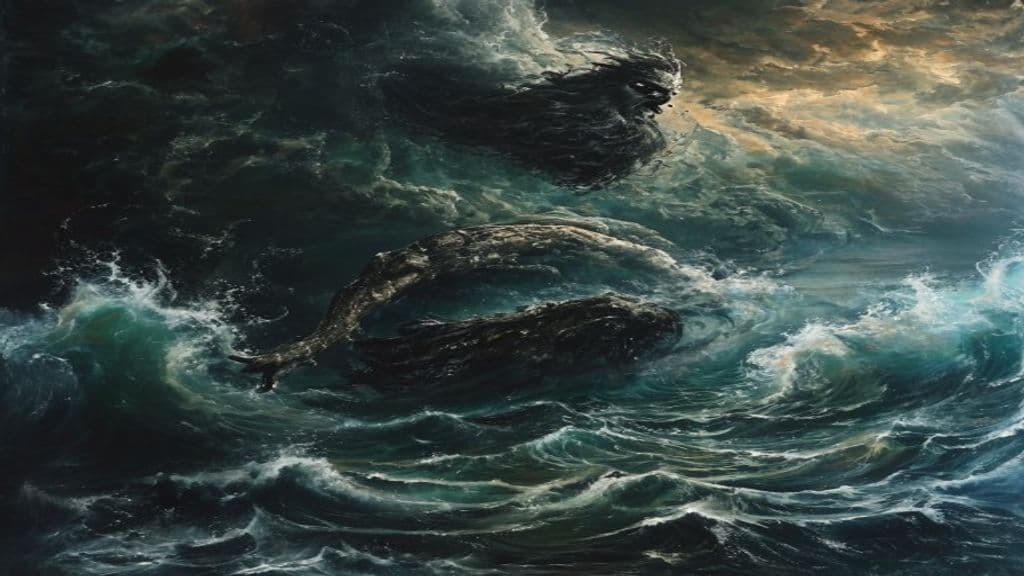
Marid
The most powerful class of jinn in Islamic tradition — beings of the sea, associated with the deep ocean, storms, and the granting of wishes at terrible cost. The classic genie of the Arabian Nights.
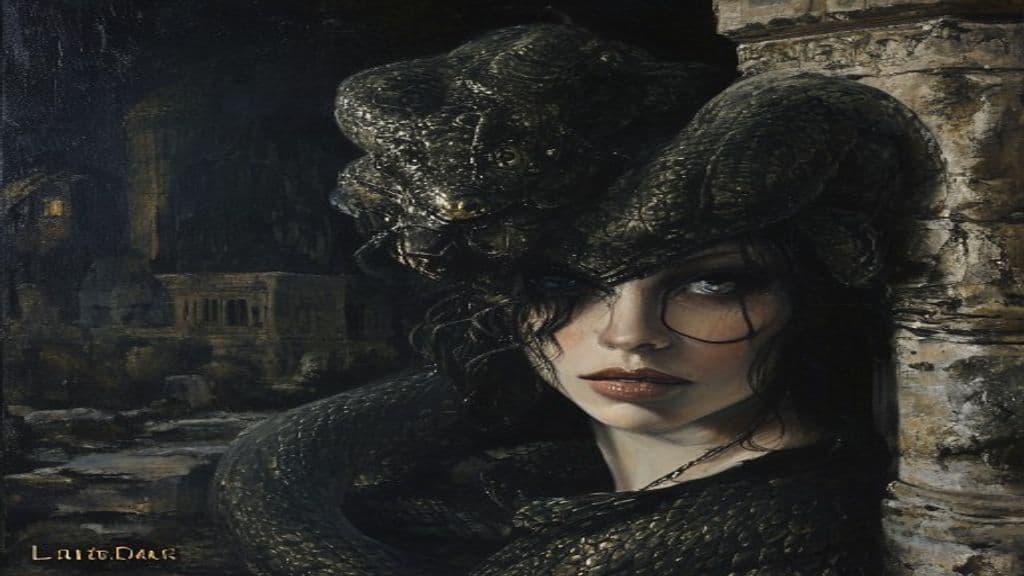
Lamia
A child-devouring demon of Greek mythology — once a queen of Libya and lover of Zeus, driven mad by Hera's destruction of her children and transformed into a monstrous hunter of other women's children.
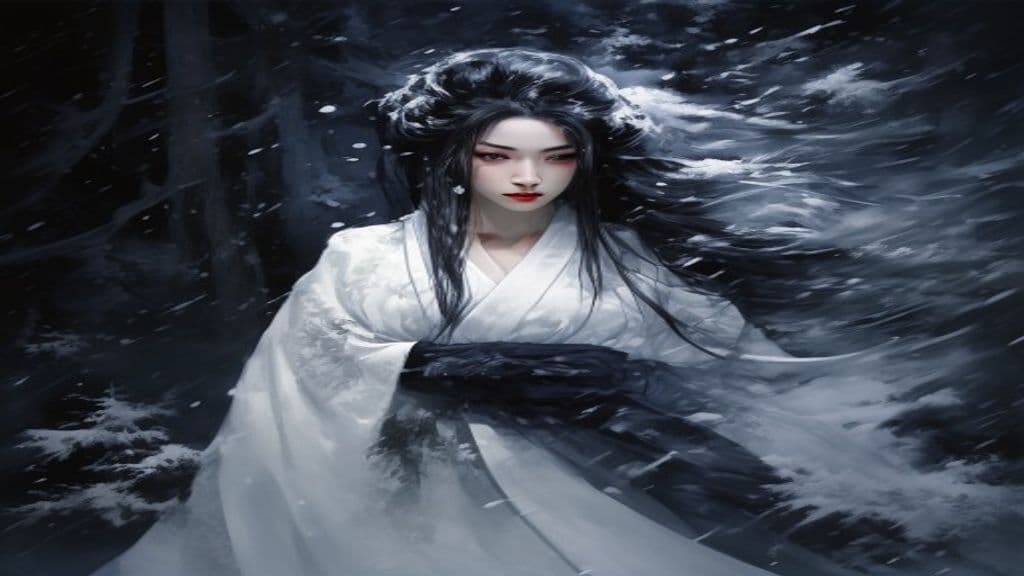
Yuki-onna
The Snow Woman of Japanese folklore — a spirit born of blizzards who appears to travelers lost in snowstorms. Beautiful and lethal, she can show mercy or bring death depending on her mood.
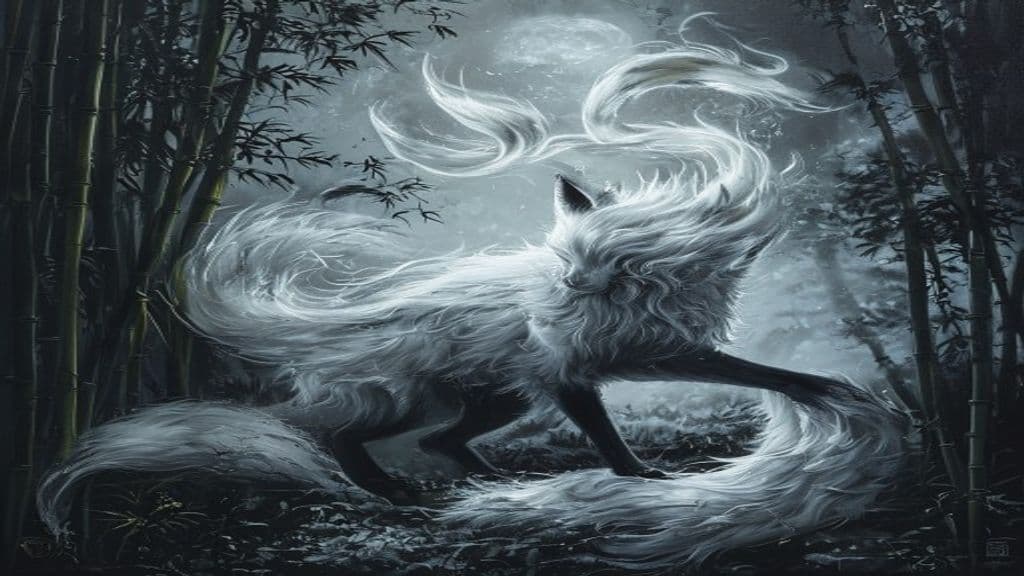
Kitsune
Fox spirits of Japanese mythology — intelligent, long-lived beings who gain additional tails (up to nine) as they age and grow in power. They serve as messengers of the god Inari and as powerful tricksters.
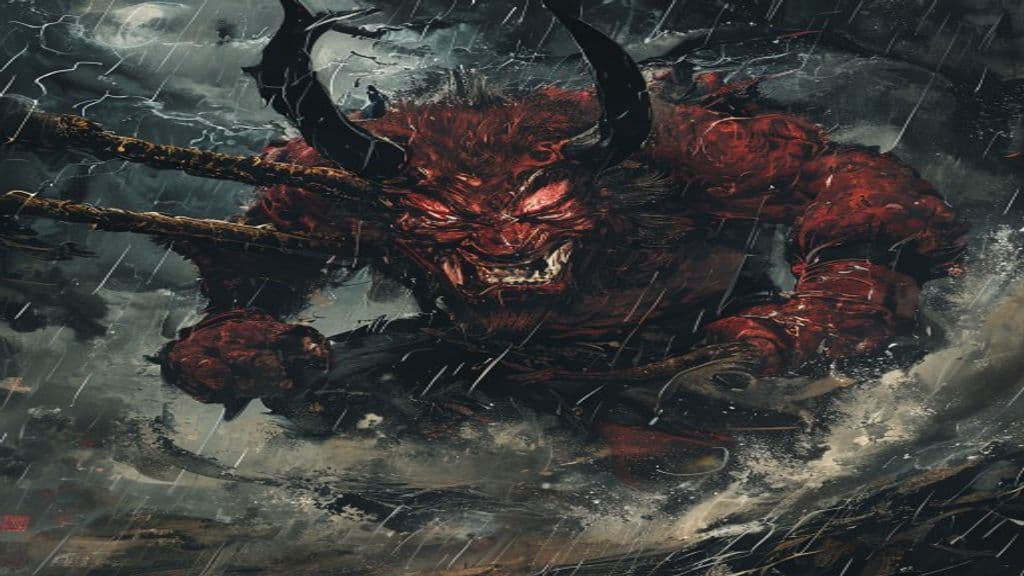
Oni
Powerful supernatural beings of Japanese folklore — associated with misfortune, disease, and the punishment of sinners in hell. Fearsome, often depicted as guardians of the underworld.
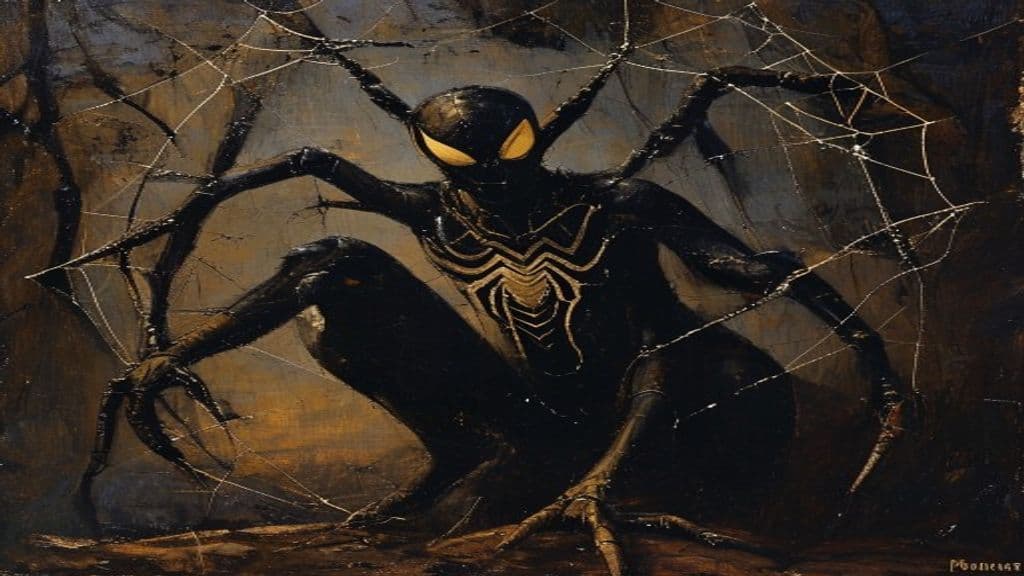
Anansi
The spider trickster god of Akan folklore — cunning, mischievous, and wise. Keeper of stories and teacher of human beings, brought through the slave trade into Caribbean and African-American tradition.
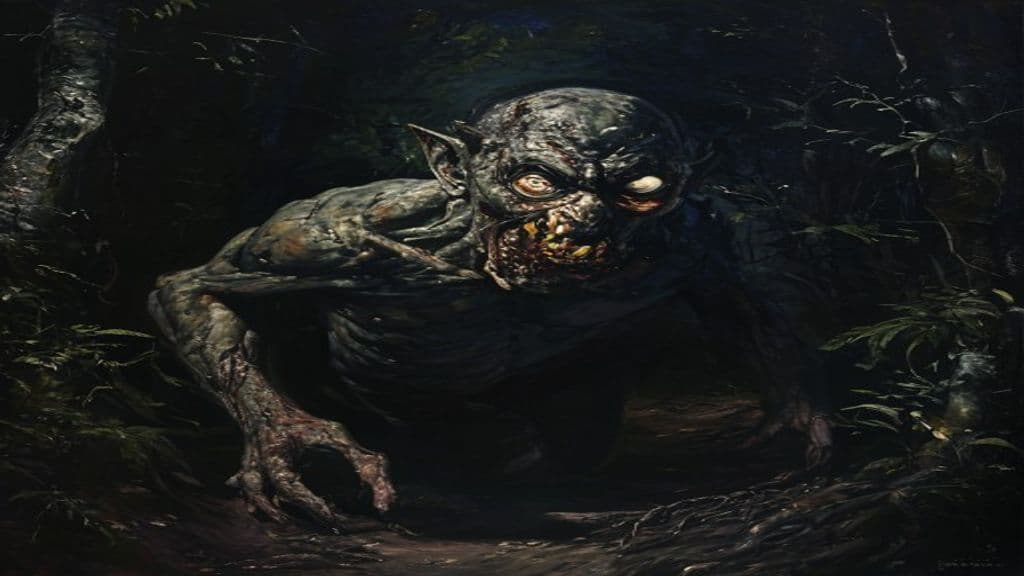
Pishacha
Flesh-eating spirits of Hindu mythology that haunt cremation grounds and are associated with disease, madness, and possession. The lowest class of demon in the Vedic hierarchy.
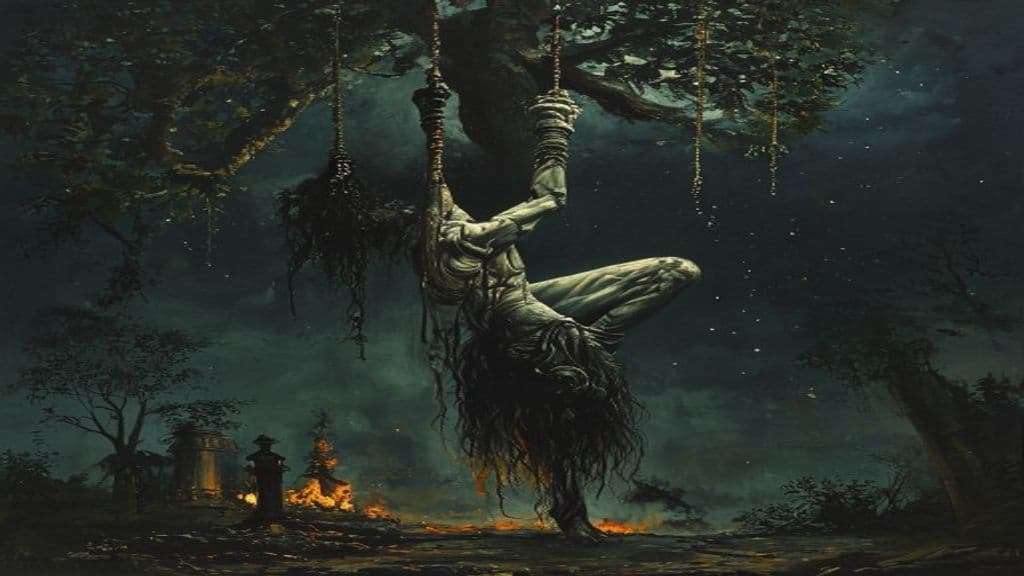
Vetala
A spirit that inhabits and reanimates corpses, possessing supernatural knowledge and the power to prophesy. One of the most feared beings in Shaiva tradition.
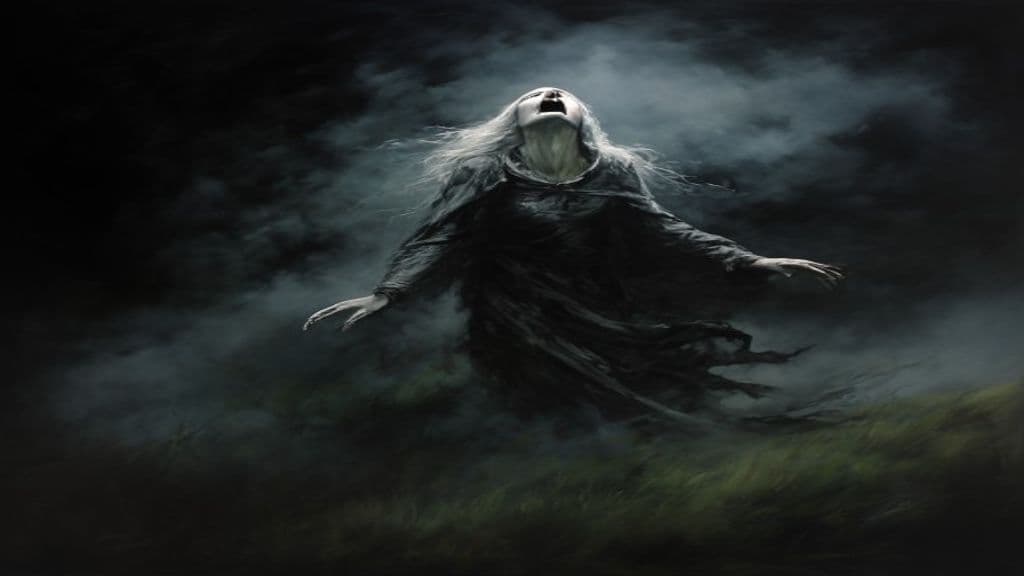
Banshee
A female spirit of Irish and Scottish folklore whose wail heralds an impending death in a family of Gaelic descent. Not a cause of death — a witness to it.
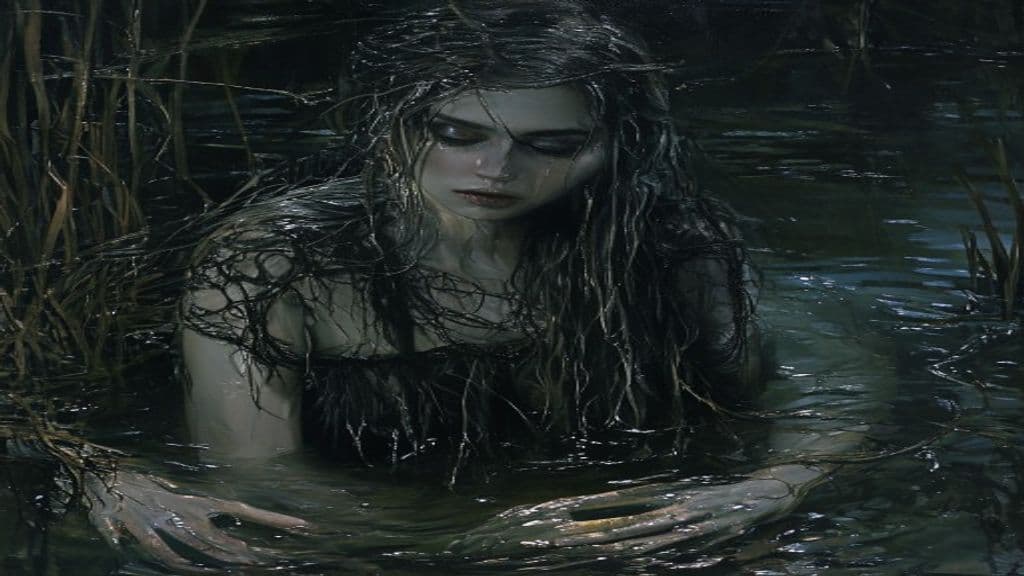
Rusalka
Water spirits in Slavic folklore — the spirits of young women who died by drowning or suicide, bound to rivers and lakes. Beautiful and dangerous, they can bewitch men to their deaths.
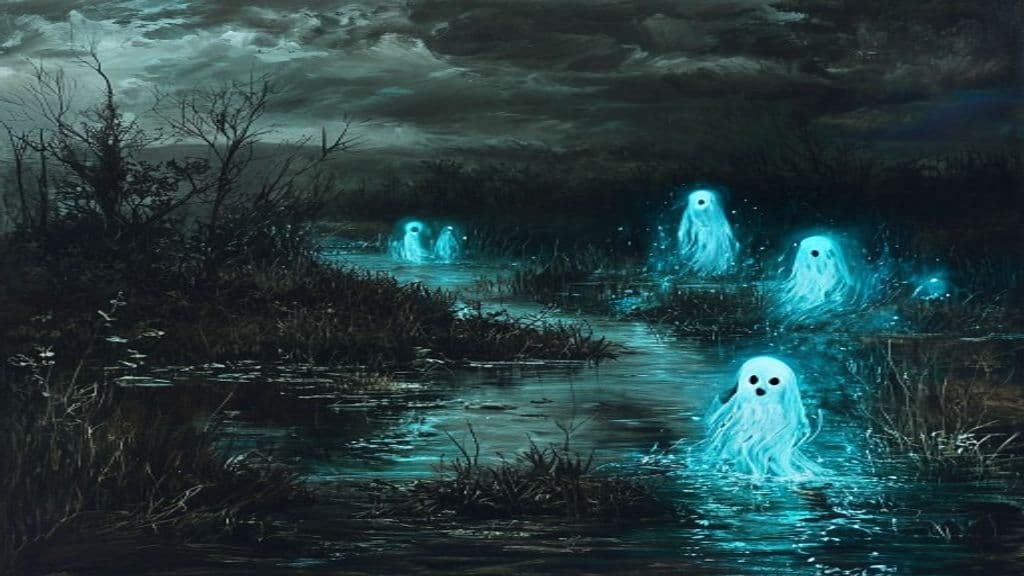
Will-o'-the-Wisp
A wandering light seen over marshy ground at night, leading travellers astray into bogs and fens. Possibly a spirit, possibly the soul of the unbaptised dead, possibly the devil himself.
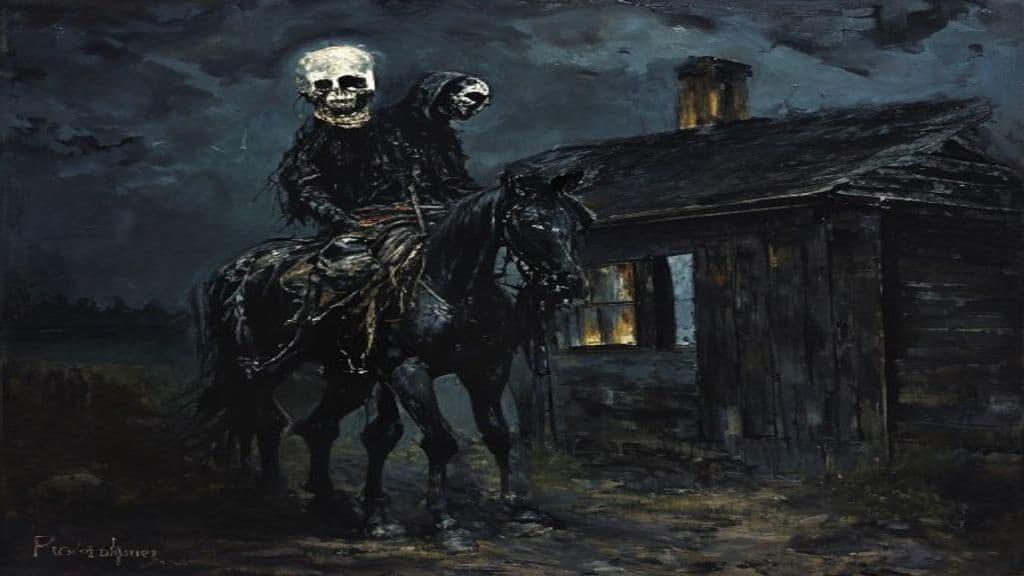
Dullahan
The headless horseman of Irish legend who carries his own rotting head under one arm, stops at the door of those about to die, and cannot be kept out by any lock.
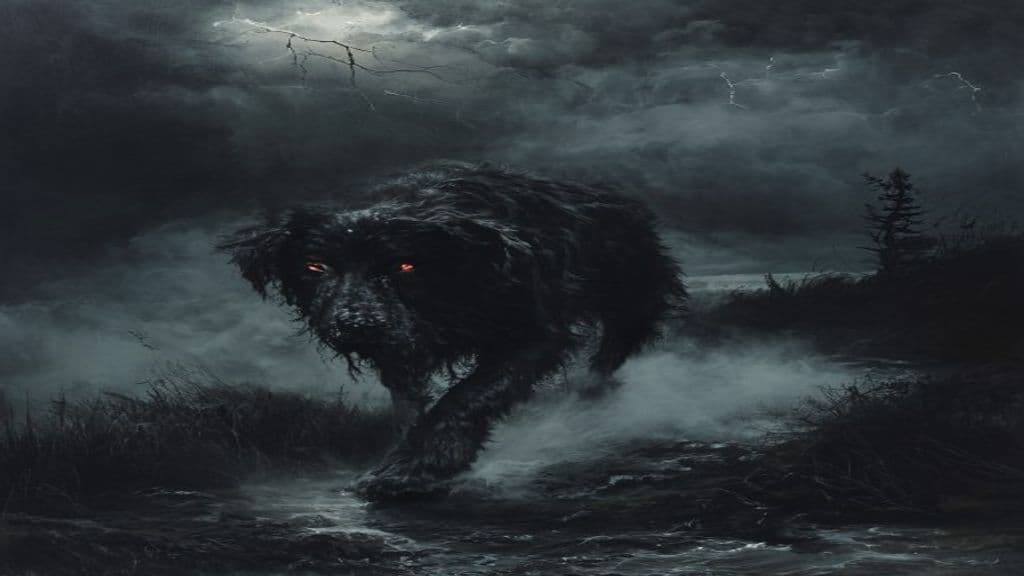
Black Shuck
A spectral black dog of East Anglian legend, with glowing red or green eyes. Its appearance is an omen of death. Its howl has been heard on clifftops during storms for centuries.
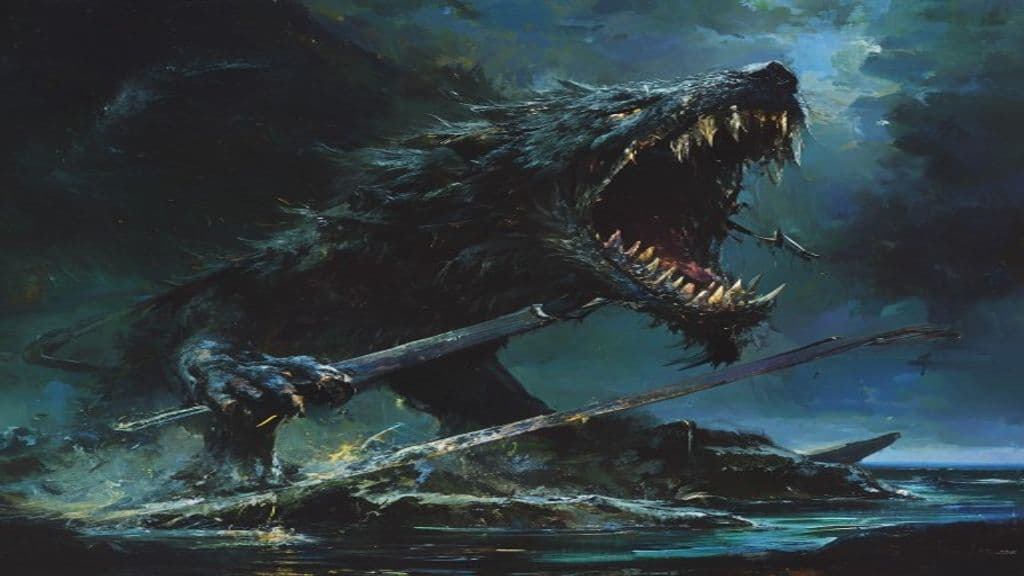
Fenrir
The monstrous wolf son of Loki, bound by the gods with a magical ribbon until Ragnarök — when he will break free and swallow Odin, and the world.
Community Record
- [1]Sky deity — Wikipedia. Wikipedia, 'Sky deity' article (overview and lists of sky deities across regions).wiki
- [2]Sky deity — Wikidata. Wikidata entry for 'sky deity' (structured data label).other
- [3]The Religion of Odin: A Handbook — archive table of contents. Archive listing and table of contents indicating ritual categories such as 'The Priesthood of Odin', 'The Odinic Funeral', and 'The Odinist Calender of Festivals'.other
- [4]The European Sky‑God — Arthur Bernard Cook (archive listing). Archive listing for Cook's comparative monograph on European sky divinities (cited as a scholarly comparative study).other