
According to traditional Jain accounts summarized in the provided sources, Supārśvanātha was born in Varanasi to King Pratistha and Queen Prithvi on 12 Jestha Shukla into the Ikshvaku clan. He is consistently placed in the canonical sequence as the seventh of the twenty-four Tīrthaṅkaras of the present aeon (avasarpini). The sources record that he attained moksha at Shikharji on the sixth day of the dark half of Phālguna. Biographical motifs such as royal parentage, clan affiliation, and attaining liberation at a sacred site follow the standard narrative pattern for Tīrthaṅkaras in Jain tradition.
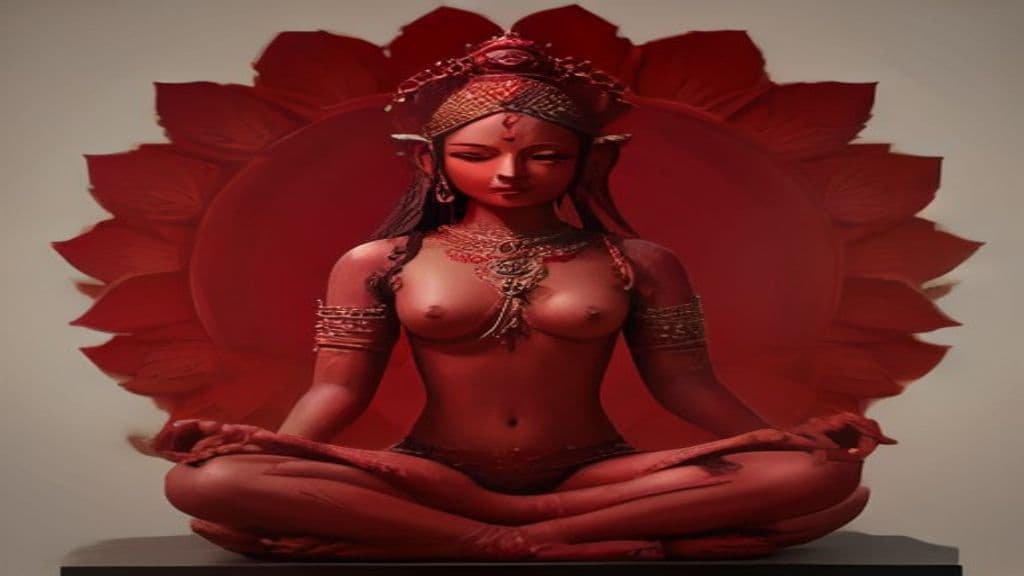
In Jain iconography and museum cataloguing Supārśvanātha is represented as a Jina/Tīrthaṅkara figure within the conventional sculptural typology: often shown in kayotsarga (the standing meditative posture) or as a seated Jina in stone sculpture. Museum entries identify works as 'Digambara Jina Supārśvanātha' (for example a schist figure from Karnataka, c. 900), and he appears among chaturvimsati (twenty-four) Tīrthaṅkara reliefs following established conventions for depicting Tīrthaṅkaras. The provided sources do not supply a specific textual physical description (height, color, unique bodily attributes) or a distinct personal emblem in these excerpts, so descriptions rely on general Jina/Tīrthaṅkara visual conventions recorded in the museum and art-historical material.
The sources describe Supārśvanātha principally as a Tīrthaṅkara and siddha—an enlightened being who 'destructed all of his karma' and attained moksha. His defining role is soteriological: as an exemplar and spiritual ford (tīrtha) across saṃsāra for others to follow. The provided materials do not attribute specific miraculous powers, interventions, hostile behaviours, or particular supernatural abilities beyond this canonical role as an enlightened liberate.
Weaknesses
- otherNo weaknesses documented in provided sources
Wards
- otherNo wards or protective measures against Supārśvanātha are applicable or documented in the provided sources
Abhinandananātha
Abhinandananātha is the fourth Tīrthaṅkara (ford-maker) of the current Jain cosmic age (avasarpini). Traditional accounts place his birth in Ayodhyā to the Ikshvāku (Solar) dynasty, describe his renunciation and attainment of omniscience beneath a priyangu tree, and record his liberation on Mount Śikharjī.
Ajitanātha
Ajitanātha is the second tirthankara of the current cosmic age in Jainism: an enlightened spiritual teacher who renounced worldly life, attained omniscience (kevalajñāna), and achieved liberation (moksha), and who is credited with establishing a large four-part monastic order in the tradition's hagiography.
Akshayavata
In Hindu mythology, Akshayavata is a sacred banyan tree and/or lake that symbolizes eternal life. It is mentioned in both Hindu and Jain traditions and associated with the Puranas. (Note: - The power tier should be "Greater" or at least "Ancient", as it is associated with the Puranas, which are considered ancient texts. - No specific physical description is provided, but that doesn't m)
Ambika (Jainism)
Ambika is the yakṣiṇī (Śāsana Devī, protector-goddess) and tutelary attendant of the 22nd Tīrthaṅkara Neminatha in Jain tradition. Venerated both as an attendant spirit and an independent goddess (kuladevi) she features in devotional, temple and tantric ritual contexts, and is associated with fertility, prosperity and protection.
Anantanātha
Anantanātha is the fourteenth Tīrthaṅkara of the present age (Avasarpini) in Jain tradition, a perfected spiritual teacher who became a siddha (liberated soul) after destroying all karma and whose role is to reveal the dharma and provide a ford (tīrtha) across saṃsāra.
Aranātha
Aranātha is the eighteenth Tīrthaṅkara (ford‑maker) in the Jain tradition of the present half‑cycle (Avasarpini). In the provided sources he is presented as a spiritual exemplar born in the Ikshvaku dynasty at Hastinapur who attains siddhahood (liberation) after completing his life.
Arihant
In Jain doctrine an arihant is a soul (jiva) that has conquered inner passions and destroyed the four inimical (ghātiyā) karmas, thereby attaining kevala jñāna (omniscience) while still embodied; on final shedding of remaining karma an arihant attains siddhahood (moksha).
Chakreshvari
Chakreshvari (also Chakreshwari or Apraticakra) is an attendant goddess (yakshini) in Jain cosmology who serves as the guardian or tutelary deity of the first Tirthankara, Rishabhanatha. She is an object of popular devotion in Jain communities and is counted among the three yakshinis—alongside Ambika and Padmāvatī—that attract the most devotional worship.
Dharmanātha
Dharmanātha is the fifteenth Tirthankara of Jainism's present age (Avasarpini). Sources state he attained siddhahood (liberation by destroying all karma) and is portrayed in tradition as a supreme spiritual teacher who establishes the ford (tīrtha) across saṃsāra.
Gandharva
A class of non-human celestial or semi-celestial beings in Indic religions associated principally with music, song, dance, fertility, and an escort/guardian role for liminal arrivals (such as Soma or beings). In Hinduism they are minor deities and musicians of the devas; in Buddhist cosmology they are a low rank of devas and the term (gandhabba in Pāli/commentary) is also used doctrinally for a sentient intermediate state between death and rebirth.
Garuda
Garuda is a divine, eagle-like being in South Asian traditions best known as the vahana (mount) of the god Vishnu. In Vedic, Purānic and later texts he appears as a powerful, solar-associated bird-personage who is both an individual mythic personality (son of the sage Kaśyapa and Vinatā) and an archetype invoked in temple iconography and theological metaphor.
Guardians of the Directions (Dikpāla / Lokapāla)
A class of deities or divine offices that guard and sacralize spatial directions in South Asian and some Southeast Asian religious cosmologies. Appearing in Hinduism, Jainism and Vajrayāna Buddhism (and in regional systems such as Meitei and Javanese/Balinese traditions), they are represented in temple architecture and invoked as protectors of sacred space and the dharma.
Community Record
- [1]Supārśvanātha - Wikipedia. Wikipedia: Supārśvanātha (summary of birth, parents, clan, moksha, position as seventh Tīrthaṅkara).wiki
- [2]Lord Śrī Supārśvanātha (Jain Legend). HereNow4U: 'Jain Legend : Lord Śrī Supārśvanātha' (context on placement among Tīrthaṅkaras and devotional significance).folk
- [3]Suparshavnatha (Indianetzone). Indianetzone summary: describes Supārśvanātha as the seventh Tīrthaṅkara who became a siddha and destroyed all karma.other
- [4]Jain sculptures and museum entries (Government Museum Chennai; Rietberg Museum references). Government Museum Chennai catalogue entries identifying works as 'Digambara Jina Supārśvanātha' and related chaturvimsati relief conventions; Rietberg Museum referenced in art-historical discussion of Jain visual culture.other
- [5]Pratapaditya Pal: Engaging with Jain Visual Culture. Art-historical commentary situating Tīrthaṅkara imagery and the role of the twenty-four Tīrthaṅkaras in visual culture.academic