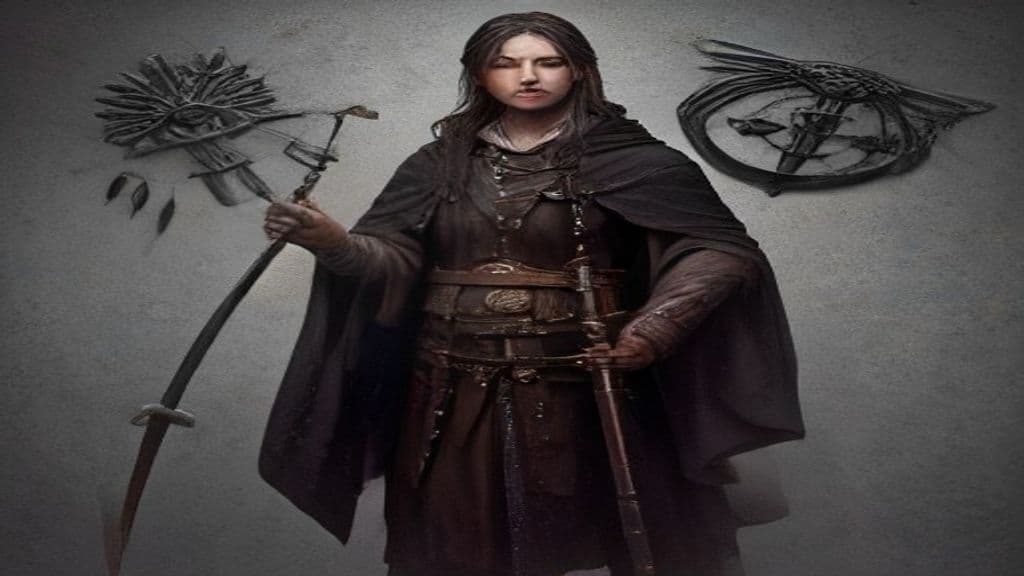
Attested across Germanic-language materials, Wayland is presented as an extraordinary smith and culture-hero whose name derives from Proto-Germanic *Wēlandaz (from *Wilą-ndz, rendered as 'the crafting one' or similar). Traditions vary: in Þiðreks saga he appears as a son of a giant and is said to have been taught by dwarfs (a variant attestation), while poetic Eddic material (Völundarkviða) focuses on his work, captivity by King Niðhad (Niðung), and subsequent revenge. Later Icelandic manuscript practice equates Vǫlundr with the classical craftsman Daedalus (Vǫlundarhús = Domus Daedali), indicating a medieval perception of functional equivalence with other mythic inventors.
Narratives emphasize Wayland's tools and crafted objects more than a consistent bodily portrait. He is associated with smithing equipment and signature creations (notably the sword Mimung), and with flight apparatus—described as either a fjaðrhamr (feather-cloak) or a flygil (pair of wings) used to escape. Völundarkviða records that he was hamstrung while captive (indicating disabled legs); Þiðreks saga describes him using a blood-filled bladder as a prop in an escape ruse. Visual representations appear in material culture (e.g., the Ardre image stone VIII and a copper mount from Uppåkra), but no single uniform physical description is provided in the sources summarized here.
Wayland is depicted as a master smith and artificer: maker of swords, armour, goblets, jewellery, and other fine items (Þiðreks saga credits him with forging Mimung). Some accounts present him as instructed by dwarfs (Þiðreks saga), and later medieval Icelandic manuscripts equate him with Daedalus, tying him to broader motifs of ingenious mechanical invention. In Völundarkviða his smithing skill becomes the means of grisly revenge—he kills his captor's sons and fashions goblets from skulls, jewels from eyes, and a brooch from teeth. He also constructs a winged cloak or wings to fly away, with Þiðreks saga narrating the collection of feathers by his brother Egil and the use of a blood-filled bladder to deceive his captors. These abilities combine exceptional technical knowledge, cunning deception, and engineered flight as narrative traits.
Weaknesses
- conditionhamstringing (mutilation of the legs)
Wards
None recorded.
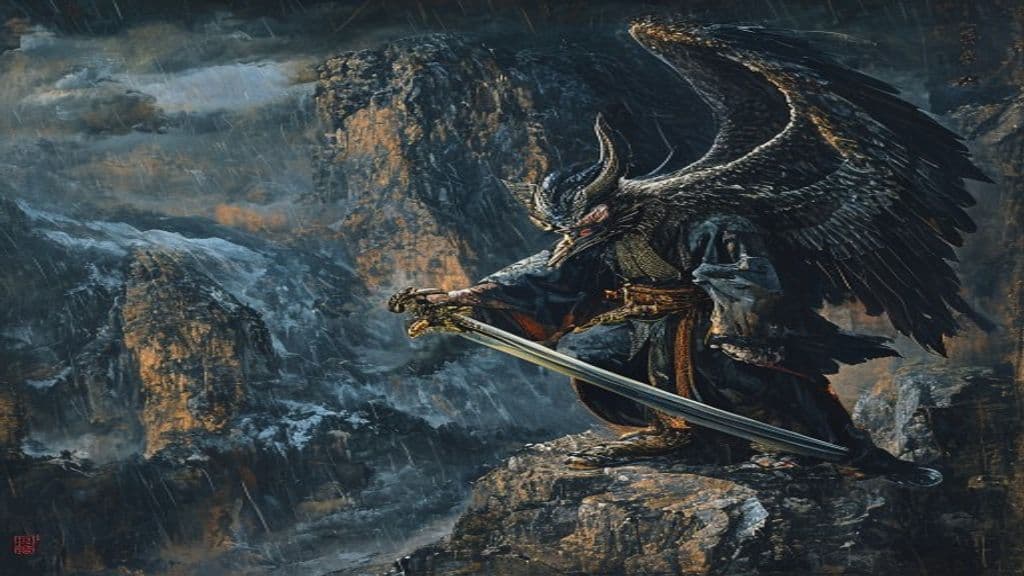
Agnarr Geirröðsson
Agnarr Geirröðsson is a mortal prince attested only in the Poetic Edda poem Grímnismál; he aids Odin (disguised as Grímnir) during Geirröðr's torture and, after Odin reveals himself and King Geirröðr dies, Agnarr succeeds as king.
Anund (Bröt-Anund)
Anund, commonly known by the byname Bröt-Anund ('trail‑blazer' or 'land clearer'), is a semi-legendary Swedish king of the Yngling dynasty attested in early Norse genealogical poetry and saga prose. Sources credit him with avenging his father in Estonia, accumulating wealth, promoting settlement by clearing land and making roads, and dying under ambiguous circumstances (landslide or killing).
Aurvandill
Aurvandill is a figure attested in medieval Germanic onomastics and Norse narrative, most famously remembered in an Old Norse tale where Thor carries him across icy rivers and his frozen toe is cast into the sky as the star called Aurvandils-tá. Comparative linguistic study reconstructs a Common Germanic name associated with dawn or the morning star.
Beaduhild (Böðvildr)
Beaduhild (Old Norse Böðvildr; Old English Beaduhild/Beadohild; also Bodil, Badhild) is a legendary human princess in Germanic heroic tradition whose life is entangled with the smith Wayland (Weland/Vǫlundr). In earlier sources she appears as a tragic victim in the Weland cycle; in later Scandinavian recensions she is recast as Wayland's wife and the mother of a heroic descendant (Viðga).
Billingr
Billingr is a named paternal figure in Old Norse sources, best attested as the father of a maiden whose household prevents Odin from consummating a nocturnal rendezvous (Hávamál stanzas 96–102). Manuscript and kenning evidence leave his taxonomic identity (dwarf or jötunn) ambiguous.
Domalde (Dómaldi)
Domalde (Old Norse Dómaldi/Dómaldr) is a legendary Swedish king of the Yngling dynasty whose reign is associated with prolonged famine. In Old Norse sources his personal ill‑luck (ósgæssa), said to be caused by a curse from his stepmother, is presented as coterminous with the land's fertility; communal cultic escalation culminates in the king's sacrificial killing and the restoration of good harvests.
Dwarf (folklore)
A type of supernatural, human-shaped being in Germanic tradition associated with subterranean places, craft (notably metalwork), and a liminal role between nature and culture. In Norse mythic sources dwarfs function as artisan-makers of powerful objects for gods and occasionally appear in folktales as magical servants bound to objects.
Eadgils (Aðils / Adils)
Eadgils is a semi-legendary 6th-century Swedish king of the Yngling/Skilfing dynasty attested in Old Norse skaldic poetry and sagas and in the Anglo-Saxon epic Beowulf. Sources present him as a dynastic figure whose exile, restoration, and conflicts (notably with Onela/Áli and later associations with Hrólfr Kraki) explain succession and inter-kingdom violence; he is treated as a mortal ruler rather than a supernatural being.
Fjalar and Galar
Fjalar and Galar are two named dwarf brothers in Old Norse myth who murdered the wise being Kvasir and transformed his blood into the mead of poetry; they also killed the jötunn Gilling and his wife, an act that led Suttungr to take possession of the mead. Their actions set in motion the canonical mythic sequence recorded in Skáldskaparmál/Prose Edda linking dwarfs, giants, gods, and the origin of poetic inspiration.
Fulla
Fulla (Old Norse Fulla; Old High German Volla/Folla) is a named goddess (ásynja) in the Germanic tradition, attested as Frigg's trusted attendant and confidante in Old Norse sources and as a named singer in the Old High German Merseburg horse-healing charm.
Fáfnir
In Old Norse heroic legend Fáfnir is a kin-figure who, after killing his father Hreiðmarr over a cursed hoard, withdraws into the wilderness and takes the hamr of a worm/dragon to brood over treasure; he is slain by the hero Sigurð (Sigurd).
Idis (Germanic)
The idis (Old Saxon; pl. idisi) is a term for a divine or supernatural female being in the pre-Christian Germanic linguistic and poetic record. Cognate with Old High German itis and Old English ides, the term carries senses of a dignified or well‑respected woman and appears in poetic, folkloric, and comparative discussions alongside related female figures such as the Norse dísir.
Community Record
- [1]Wayland the Smith. Wikipedia, 'Wayland the Smith' (summary of Völundarkviða, Þiðreks saga, name etymology, manuscript identifications)wiki
- [2]Wikidata: Wayland the Smith. Wikidata entry Q33150other
- [3]Wayland Smith. A dissertation on a tradition of the middle ages. Archive.org dissertation on Wayland tradition (referenced in supplied notes)academic
- [4]On Verticality — The Myth of Wayland the Smith (blog summary). Blog post summarising Wayland motifs (referenced in supplied notes)other