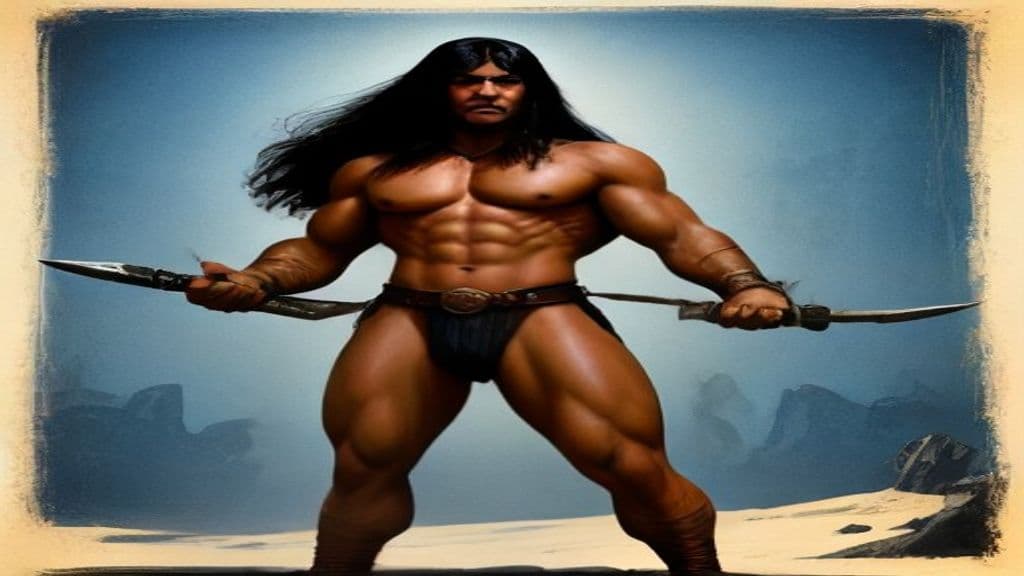
Conan originates in the early 20th-century American pulp milieu as a creation of Robert E. Howard. The character debuted in Weird Tales magazine in 1932 (with antecedent elements appearing in 1931) and was developed in a cycle of stories that Howard wrote during his lifetime (21 stories attributed, 17 published in his life), set in the invented Hyborian Age — a legendary prehistory placed between the fall of Atlantis and the beginning of recorded history. Howard framed Conan as a Cimmerian, a people he described as descendants of Atlanteans and ancestral to later groups; within that mythopoeic genealogy, Conan is presented as a descendant of Howard’s earlier figure Kull of Atlantis. After Howard’s death, the character continued to appear in posthumous publications, pastiches, comics, films, and other media, which expanded and reshaped his popular biography and public image.
Canonical descriptions emphasize a physically imposing human: square-cut black hair, blue eyes, tanned skin, and very large or 'giant' stature. Popular visual conventions developed later—most notably Frank Frazetta’s painted covers and 1970s Marvel Comics imagery—further fixed an iconic image of Conan as hypermuscular and often costumed in a loincloth. The 1982 film adaptation starring Arnold Schwarzenegger popularized a cinematic embodiment of that muscular heroic look, influencing modern perceptions of the character.
Across Howard’s stories and later adaptations, Conan is depicted as possessing exceptional physical strength, combat skill, agility, endurance, and a practical intelligence oriented to survival and leadership. He is a consummate swordsman and adventurer who repeatedly faces human foes, sorcerers, and monstrous threats; narratives also record moments of chivalric behavior, such as rescuing distressed figures and acting for causes beyond immediate self-interest. Sources describe him as an extraordinary mortal exemplar rather than a supernatural being, with his prowess grounded in peak human capacities rather than magical powers.
Weaknesses
- conditionhuman mortality
- conditionsusceptibility to weapons and normal human injuries
- otheroccasional hubris or temperament-driven risks (narrative vulnerability)
Wards
None recorded.
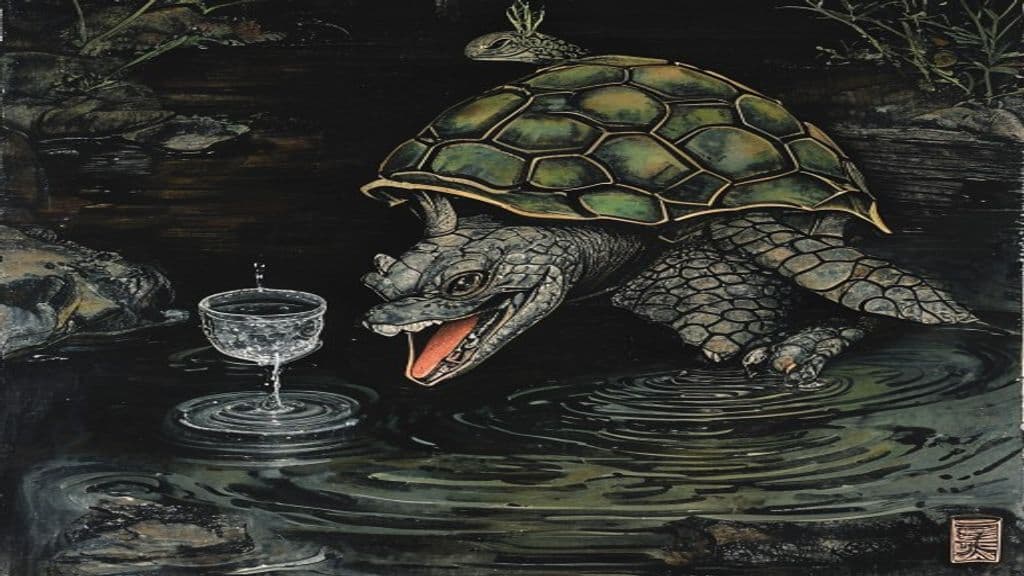
Kappa
A water-dwelling imp of Japanese folklore with a bowl of water on its head. Mischievous but bound by strict codes of politeness; dangerous near rivers.
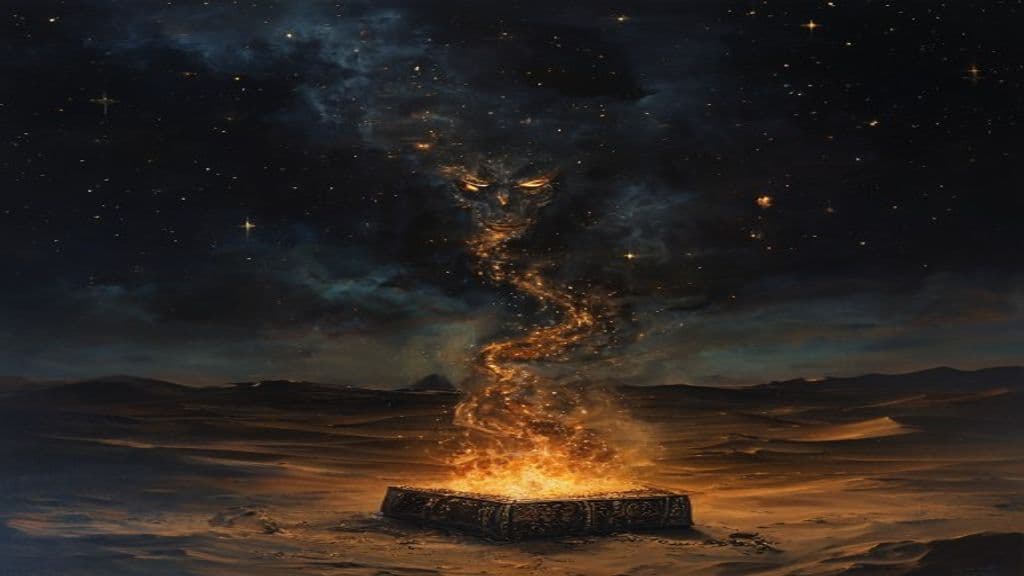
Djinn
The class of supernatural beings created from smokeless fire in Islamic cosmology — a parallel civilization to humanity, capable of belief or unbelief, with their own prophets, society, and judgment before God.
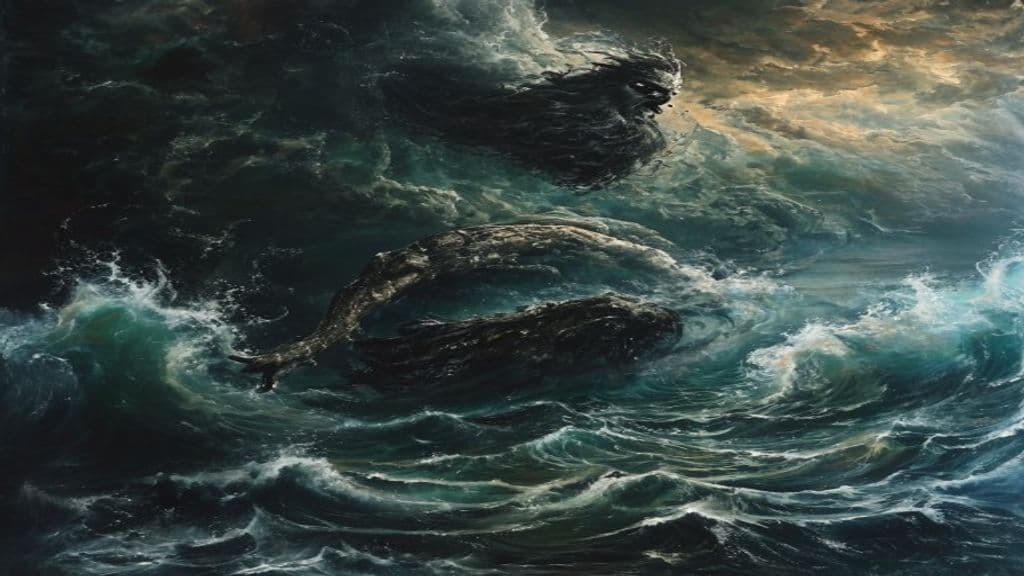
Marid
The most powerful class of jinn in Islamic tradition — beings of the sea, associated with the deep ocean, storms, and the granting of wishes at terrible cost. The classic genie of the Arabian Nights.
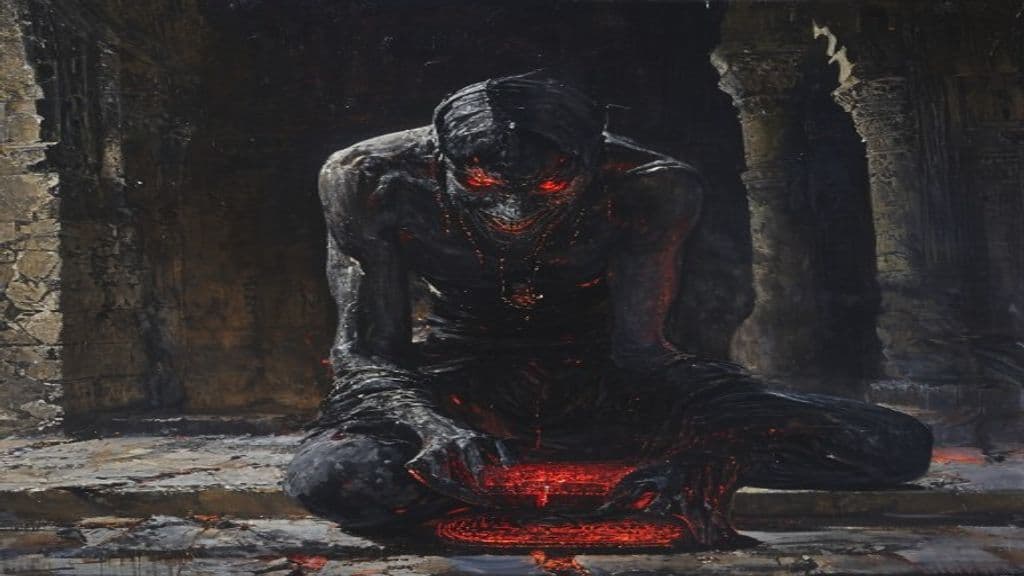
Shaitan
A class of corrupted djinn who follow Iblis and dedicate themselves to leading humans astray — distinct from Iblis himself, the Shayatin are a species of evil djinn who whisper doubts and temptations into the minds of the living.
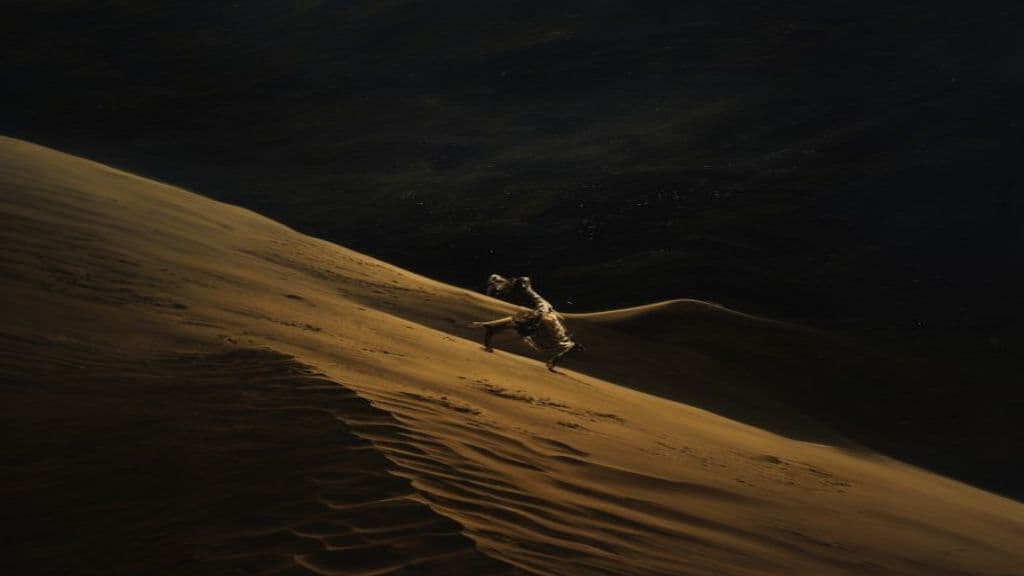
Jann
The weakest class of djinn in Islamic tradition, associated with desert winds and taking the form of snakes or whirlwinds, dwelling in empty wilderness and posing little threat to those who know the proper invocations.
Companions of the Hall
The Companions of the Hall are a fictional adventuring party originating in R. A. Salvatore's Legend of Drizzt novels set in the Forgotten Realms. The core group—Drizzt Do'Urden, Bruenor Battlehammer, Catti-brie, Wulfgar, and Regis—functions as a recurring found-family ensemble associated particularly with Mithral Hall and Icewind Dale.
Company of Seven
The term "Company of Seven" appears in the supplied sources only as an entry title reference on a Wikipedia page listing characters from the Greyhawk Dungeons & Dragons campaign setting. No descriptive lore, appearance, abilities, rituals, or cultural context for a supernatural or folkloric entity by this name are present in the provided materials.
Company of the Ring
A fictional constituted questing body in J. R. R. Tolkien's Middle-earth, formed to escort the Ring-bearer and destroy the One Ring. Composed of nine members drawn from diverse Free Peoples, it functions as a communal, multi-cultural alliance opposed to Sauron's Nine Riders.
Computer Warrior (Eagle comic)
A fictional comic-strip character-type from the British Eagle comic (1985–1994): a human youth who, after access to a special activation code/device, can enter an alternate videogame realm called the Nightmare Zone and undertake game-based trials with real-world stakes. The role functions as a narrative champion/contestant and can be institutionalized within the strip's internal polity (e.g., the Computer Warlord).
Comus (Miltonic / Classical tradition)
Comus is the personification of revelry and nocturnal dalliances in Greek antiquity and a later Renaissance/early modern dramatic tempter in John Milton's 1634 masque. In classical sources he appears as a minor Dionysian spirit associated with drinking-processions (komoi); Milton reimagines him as an embodied licentious figure who uses enchantment and temptation to test chastity.
Conan Meriadoc
Conan Meriadoc is a legendary ancestral founder and early medieval royal leader credited in Welsh and Breton tradition with founding Brittany (Llydaw). Presented in medieval literary and genealogical sources as a historicized king or prince associated with Magnus Maximus/Macsen Wledig, he functions primarily as a dynastic progenitor and a figure in brittonic prophetic expectation rather than as a supernatural spirit.
Concordia
Concordia is the Roman personification and goddess who embodies agreement and harmony, especially within marriage and in broader civic society. The name also appears in later secular toponyms and institutions derived from the same lexical root, but those are distinct from the mythological figure.
Congorilla
Congorilla is a DC Comics superhero identity formed when adventurer William "Congo Bill" Glenmorgan transfers his consciousness into the body of a legendary golden gorilla using a magic ring. Portrayed across mid-20th-century adventure strips and later superhero continuity, Congorilla functions as a protector of the African jungle and its gorillas and as an allied hero within broader DC teams.
Conomor
Conomor is a mid-6th-century Breton/Cornish ruler who in historical sources appears as a violent, ambitious political actor and in later Breton hagiography and folklore becomes a stock villain—an excommunicated count/king accused of murdering rivals, wives and children and opposed by saints such as Samson and Gildas.
Consorts of Ganesha
A set of personified feminine figures—most commonly Buddhi (intellect), Siddhi (attainment/success), Riddhi (prosperity), and the Aṣṭa‑siddhi (eight supernatural attainments)—that appear in Hindu iconography and Purāṇic and tantric texts as attendant shaktis or emanations of the deity Ganesha. They function primarily as symbolic embodiments of faculties, powers, and attainments rather than as ordinary human spouses, and their presence and identity vary by regional, sectarian, and textual context.
Cooperating God and Devil (Slavic creation myth)
In Slavic creation myths, the God and Devil cooperate to create the world, exemplifying a dualistic motif where opposing forces work together for balance. (Note: 1. Power tier: Incorrect, the source material does not specify that the God and Devil have primordial power. 2. Origin story: Needs rewording to reflect that there are multiple versions of Slavic crea)
Cooties
Cooties is a fictitious childhood "disease" or contagion from childlore and playground play. Functioning as a social tag and game mechanic rather than a biological or supernatural being, it marks someone as undesirable or other and is negotiated through rituals such as the playful "cootie shot."
Community Record
- [1]Conan the Barbarian - Wikipedia. Wikipedia contributors, 'Conan the Barbarian,' Wikipedia, The Free Encyclopedia.wiki
- [2]Conan the Barbarian - Wikidata. Wikidata entry for Conan the Barbarianother
- [3]Pain Builds Character: Pitmaster [Official Lyric Video]. Archive.org lyric video; uses 'Conan' metaphorically to signify an 'insane warrior' in song lyrics.other
- [4]Colleteral Damage (Die Geschichte von) - Archive. Archive.org item (metadata) referencing adaptations/usage of cultural materials related to Conan imagery.other
- [5]Astrocade Conan Promotional Sticker - Archive. Archive.org item documenting promotional merchandise tied to the Conan property.other