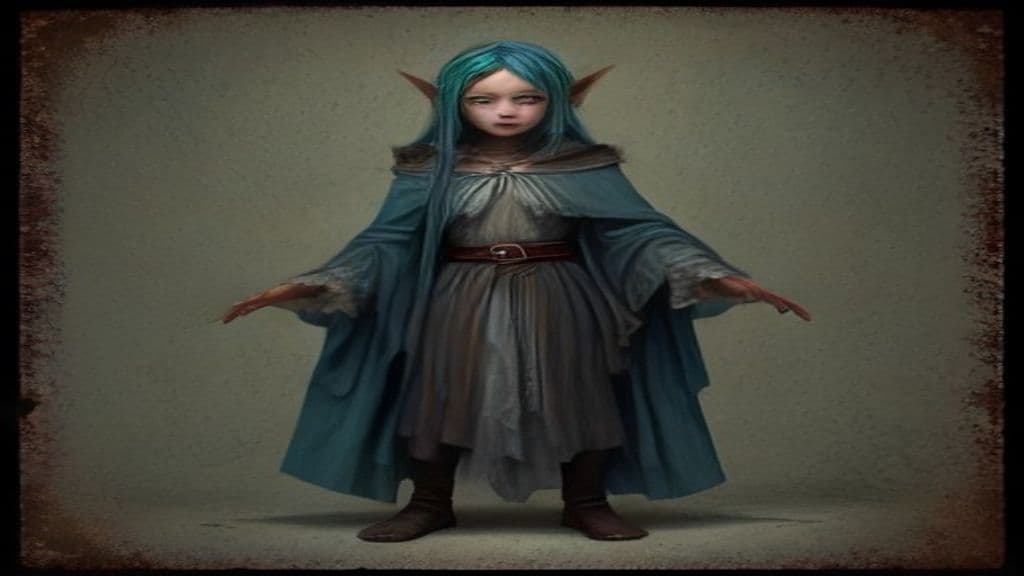
The supplied material does not record a mythic origin, genealogy, or traditional creation story for the Galtxagorri. The available source frames them in a modern civic and touristic context — presented as part of Basque mythic attractions in Zarautz — rather than offering an older narrative of origin. Any fuller origin account would require consultation of additional ethnographic or historical Basque-language sources not included in the provided material.
In the cited source the Galtxagorri are described only by the short label "tiny elves." No further physical details (such as clothing, coloration, facial features, or specific size measurements) are provided in the supplied material. Consequently the only documented attribute from these sources is their small/miniature, elfin character; other physical attributes are not recorded in the provided text.
The tourism material reports behavioral features rather than explicit supernatural powers: the Galtxagorri are said to "hide in the streets of Zarautz" and are used as hidden figures to be located in the main monuments of the town's historic centre as part of a family activity titled "In search of the Galtzagorris." Beyond this concealment/association-with-places behavior, the source does not describe other abilities, interventions, or interactions with humans such as blessing, malice, or magical feats.
Eguzki Amandrea (Sun Mother)
Eguzki Amandrea is the Basque personification of the sun, presented in the cited corpus as a female, familial cosmic figure associated with warmth, growth, and the visible life of the world. Sources frame the sun as an animate, gendered celestial body embedded in a kinship-like cosmology with Earth and the Moon.
Intxixu (Intxisua)
A class of small mischievous beings in Basque folklore described in available sources as 'little creatures that make mischief' that can both help people and cause problems. Mentioned in modern English-language summaries of Basque mythology as part of a variety of such creatures.
Orko (Basque Thunder God)
Deity associated with thunder and the forces of nature in ancient Basque mythology. (Note: * Power tier: Greater (not Ancient), as there's no indication of deity-level powers. * Abilities: Specify exactly what abilities related to weather control are associated with Orko, instead of making )
Galaxaura
Galaxaura is a minor named attendant of Persephone recorded in modern mythographic summaries of Greek myth. She is listed among the companions or maidens present at the abduction of Persephone but has no independent myths, cult, or attributes in the provided sources.
Galehaut
Galehaut is a literary figure of the medieval Arthurian cycle: a sovereign prince and great knight-commander of the Distant Isles (Sorelois/Surluse) who first opposes King Arthur, then surrenders and becomes a close companion of Lancelot. In the Prose Lancelot and related romances he functions as an exemplar of chivalric magnanimity and tragic devotion; some redactions describe him as the son of a 'Fair Giantess' (a half‑giant) while later literature repurposes his name as a mediator of illicit love.
Galla demons
Galla are presented in the supplied sources as members of the broader Mesopotamian conception of non-divine, nonhuman spirits associated with the unseen world and the underworld; the provided materials do not contain a dedicated primary text about Galla, so specific attributes remain uncertain and must be inferred from related Mesopotamian spirit categories (e.g., udug/utukku, Pazuzu).
Galli
The galli are ritual specialists associated with the Phrygian goddess Cybele (Magna Mater) and her consort Attis who, in Hellenistic and Roman contexts, performed ecstatic mourning rites, adopted feminine presentation, and in some accounts underwent castration. They functioned as liminal performers of sacred ecstasy and mediators of the goddess’s power within an officially recognized foreign cult in Rome from the early 3rd century BCE onward.
Gallû (gallu)
In the supplied sources, gallû (gallu) are identified as underworld spirit‑beings of Sumerian and ancient Mesopotamian religion, commonly labeled in English as demons or devils of the Mesopotamian Underworld. The name has been reused in modern fantasy role‑playing material, which adapts the term with additional fictional traits.
Gamayun
Gamayun (Russian: Гамаю́н) is a prophetic, wisdom-bearing bird of Russian folklore, normally depicted as a large bird with a woman's head that "spreads divine messages and prophecies" and "knows everything of all creation, gods, heroes, and man." She is placed in the mythic geography on an island in the east near paradise and is presented as a symbol of wisdom rather than a hostile creature.
Gambo (cryptid)
Gambo is the name applied in modern cryptozoological and popular accounts to a carcass discovered on Bungalow Beach, The Gambia, in 1983; treated in sources as a globster or candidate sea‑serpent and discussed within the 'prehistoric survivor' paradigm of cryptozoology.
Gamigin
Gamigin (also Samigina, Gamygin/Gamygyn) is a Goetic spirit attested in late-medieval to early-modern demonological grimoires (notably The Lesser Key of Solomon and Johann Weyer's Pseudomonarchia Daemonum). Described as a marquis who commands legions, he is reported to teach liberal arts and to compel certain souls (drowned and those in purgatory) into airy bodies to answer questions; in Thomas Rudd's tradition he is opposed by the Shemhamphorasch angel Ieuiah.
Gamma Corps
Fictional Marvel Comics gamma-irradiated supersoldiers assembled as military units. Two distinct iterations appear in Hulk-related storylines: the original Gamma Corps (World War Hulk tie-in) and a later Gamma Corps: Black roster tied to Dark Reign-era plots.
Community Record
- [1]Basque Mythology hidden in Zarautz | Basque Country Tourism. "The Galtxagorris, tiny elves Basque mythology, hide in the streets of Zarautz." "Zarautz Tourism propose you the experience 'In search of the Galtzagorris' for the family find them in the main monuments of the historic center of Zarautz."other