
Sources present the kalaviṅka as a cosmological and symbolic being within Mahāyāna Buddhist textual and visual culture rather than as a figure with a specific creation myth or genealogical origin in the cited materials. It is described in Buddhist contexts as dwelling in the Western Pure Land and as an exemplar of perfect, Dharma-proclaiming sound. The provided sources do not record a birth narrative or origin account for the kalaviṅka beyond symbolic notes such as its singing while still unhatched.
Canonical descriptions depict a human head combined with a bird's torso and a long flowing tail; Dunhuang and Chinese mural art show human-headed, bird-bodied figures often dancing and playing music. Japanese representations vary from more fully humanlike renderings (e.g., some keman figures) to human-headed avian forms (e.g., Chūson-ji openwork). Burmese (karaweik) imagery typically represents the creature as a bird without a human head, indicating regional variation in iconography. Tangut/Western Xia art also attests the motif.
The kalaviṅka's primary attributed ability is vocal and performative: it is reputed to sing exquisitely and to 'preach the Dharma with its fine voice,' and is said to sing even while unhatched in its eggshell. Its voice functions in Buddhist literature and art as a descriptor or parallel to the Buddha's perfect or wondrous speech. Sources describe associations with dancing and music in mural and court contexts. The provided materials do not ascribe hostile, combative, or dangerous powers to the kalaviṅka.
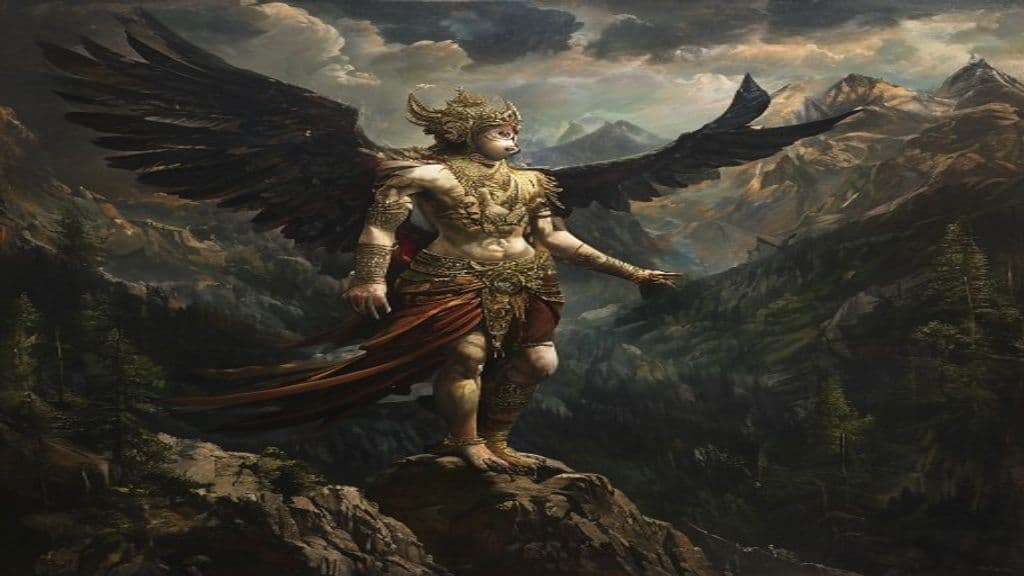
Kinnara
A benevolent, part-human and part-bird entity from Tibetan tradition associated with music and protection. (Note: - Power tier: Primordial (due to its association with Hindu and Buddhist mythology) - Appearance: The exact description isn't provided, but it's mentioned that they are part human and part bird; more )
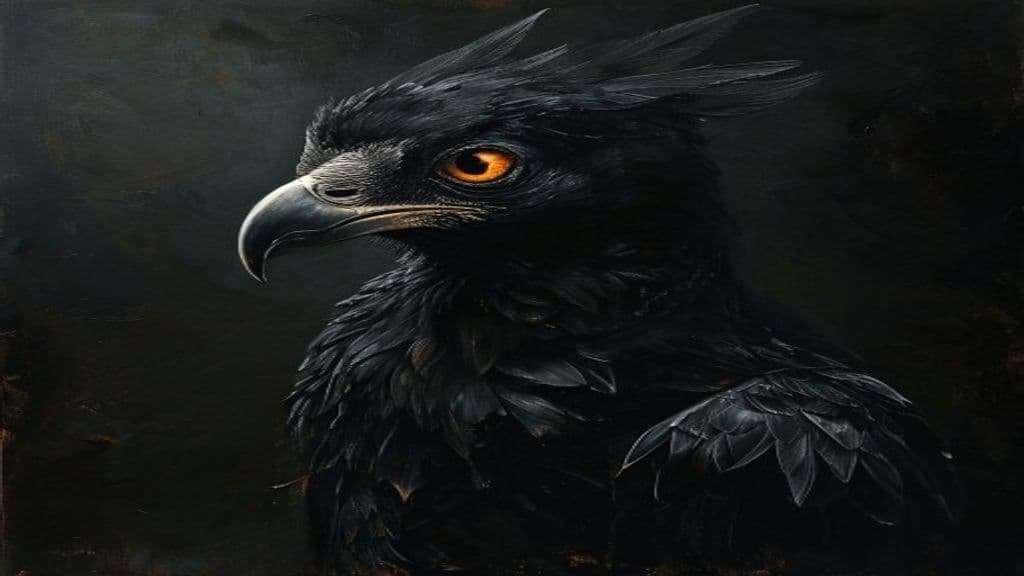
Inmyeonjo
A mythological creature in Korean tradition with human and bird characteristics. (Note: - Power tier: Lower than Primordial (should be Lesser or Greater) since no deity-level abilities are described. - Origin story: Remove statement since it's true that no specific origin story is mentio)
Akuma
Akuma (悪魔/あくま) in Japanese sources is an evil spirit, devil, or demon associated with misfortune and mental disturbance. The term appears in Buddhist texts and Heian-period literature and was later used to translate the Christian figure of Satan, as well as the Buddhist Mara.
Chang'e
Chang'e (嫦娥), originally attested as Heng'e and linked to the older name Chang Xi, is the female lunar immortal of Chinese myth who resides in the Moon Palace (廣寒宮). Best known from the elixir-of-immortality tale in which she ascends to the Moon and is accompanied there by the Jade Rabbit, she functions across religious and literary contexts as a lunar goddess/immortal and a poetic symbol of solitude and longing.
Chinese guardian lions (shī, 石獅)
Stone or metal sculptural guardian lions (Chinese: shī, often 石獅 shíshī "stone lion") placed in male–female pairs at thresholds to protect buildings and occupants. Originating in Chinese Buddhist and imperial symbolism, they function as apotropaic architectural emblems believed to ward off harmful spiritual influences and hostile humans when correctly placed.
Datsue-ba
A supernatural old-woman ogress figure in Japanese Buddhist underworld imagery who sits by the Sanzu River and strips the deceased of their garments (or, in some accounts, their skin) as part of post-mortem judgement. She functions as a liminal, procedural agent within Ten Kings / Six Realms iconography rather than as a creator or cosmic force.
Diting
Diting (Chinese: 谛听; pinyin: Dìtīng) is a divine mythical creature in Chinese Buddhist hagiography traditionally described as the steed and attendant guardian of the bodhisattva Kṣitigarbha (Dizang). Described as a composite beast with extraordinary hearing and discernment, Diting is associated in legend with guarding hell and distinguishing truth from falsehood in support of Kṣitigarbha's salvific activities.
Five Wisdom Kings
A class of wrathful, mantric protector-deities in East Asian Mahāyāna (notably Japanese) Buddhism, identified with the Sanskrit Vidyārāja and Japanese Myō-ō and described in sources as guardians of the cosmic Buddha Dainichi (Vairocana) and of esoteric teachings.
Gohō dōji
A guardian attendant spirit in Japanese Buddhist folklore depicted as a youthful protector devoted to defending the Dharma and assisting followers of Buddhist teaching. Attested in medieval narrative collections and illustrated emaki, the figure appears as a cultic attendant associated with dharmapāla-type protection.
Huangmei Dawang
A formidable supernatural being in the Buddhist tradition associated with immense power and strength. (Note: - Summary: Inaccurate. Huangmei Dawang is a major antagonist, not associated with "immense power and strength". - Power tier: Possibly incorrect. Although it has significant spiritual authority and ca)
Hungry ghost (E gui)
Listed in a compiled catalogue of supernatural beings from Chinese folk culture and contemporary literature, 'hungry ghost (E gui)' appears as an itemized class of supernatural being in the provided sources. The supplied materials contain the name but do not give further descriptive or ritual detail.
Japanese dragon
A class of large serpentine beings in Japanese myth that function variously as water deities, regional kami, Buddhist nāga/dragon kings, and shapeshifting supernatural creatures associated with seas, rivers, rain and related powers.
Karura
A Japanese Buddhist divine creature with a human torso and avian head, derived from the Sanskrit garuḍa. Portrayed as an enormous, fire-breathing predator of serpents and incorporated into Buddhist guardian retinues and ritual-iconographic contexts in Japan.
Mazu
Mazu (媽祖) is a deified female protector of seafarers originating in Fujianese popular religion as the historical/legendary Lin Moniang. Venerated across Chinese folk religion, Taoist and Buddhist registers, and in coastal and diasporic Chinese communities (notably Taiwan), she functions as a tutelary sea goddess whose cult includes temples, imperial honorific titles, and large popular pilgrimages.
Community Record
- [1]Kalaviṅka — Wikipedia. Wikipedia, 'Kalaviṅka' article (as provided in research notes)wiki
- [2]Kalaviṅka — Wikidata Q6373869. Wikidata entry summarizing the kalaviṅka as a fantastical creature with a human head and a bird's torsowiki
- [3]Inmyeonjo — Wikipedia. Wikipedia, 'Inmyeonjo' article (used for comparative note on human-faced bird motifs)wiki
- [4]Kalavinka Press / Kalavinka publications (examples). Kalavinka Press website and related publication listings (provided as modern usages of the name)other
- [5]Kalavinka (archive references). Archive holdings referencing 'Kalavinka' publications (provided in research notes)other