
The name נַעֲמָה (Naʿămā, "pleasant") appears in the Hebrew Bible as the name of several mortal women (for example, a daughter of Lamech in Genesis and a wife of Solomon in later enumerations). In later interpretive strands—most prominently in Zoharic and related mystical material—the personal name is reinterpreted or redeployed as an otherworldly feminine figure. These later texts and summaries link that mystical Naamah to the roster of female figures allied with or wives of Samael and to narrative motifs in which unions between angelic or fallen males (e.g., Azael/Azazel in some accounts) and Naamah produce classes of spirits (shedim/sedim). The supplied sources present this as a chain of literary and interpretive transformations rather than a single historical lineage.
The supplied summaries do not provide a consistent physical description for the mystical Naamah. Sources identify her by role and genealogy (often conflated with the sister of Tubal‑Cain in some midrashic or later retellings) and emphasize erotic/nocturnal associations in Zoharic contexts rather than fixed iconography. Because primary Zoharic passages and fuller midrashic texts were not included in the source set, no canonical or consistent visual attributes (e.g., form, garments, monstrous features) can be documented from the provided materials.
Within the provided materials Naamah's primary attestations in mystical literature emphasize her status as a consort in angelic/demonic genealogies—named among wives of Samael in Zoharic summary and described in some traditions as having sexual unions with figures such as Azael that lead to the birth of other spirit classes (sedim/shedim). The sources do not ascribe to her a detailed catalogue of magical powers, possession techniques, or specific harmful acts; instead they record her role in erotic/nocturnal temptation motifs and as a progenitress or archetypal feminine presence within the unseen order in Kabbalistic imagination. The narrative claim that she "spawned" or "participated in begetting" sedim/shedim appears in some archival and secondary summaries but is not presented as universally attested across all texts.
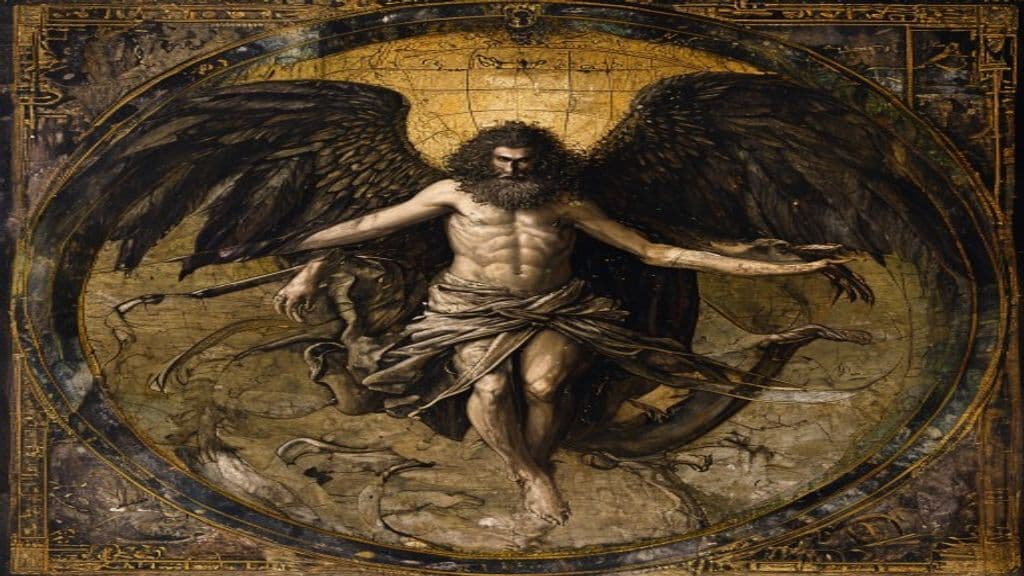
Samael
An angelic figure in Jewish textual traditions whose roles include accuser/adapter (Satanic function), tempter, destroyer/angel of death, and, in later mystical texts, leader of demonic or qlippothic forces. Samael is presented variously across Second Temple literature, midrashim, and Kabbalah; his destructive functions are often framed as serving divine purposes rather than as an independent absolute evil.
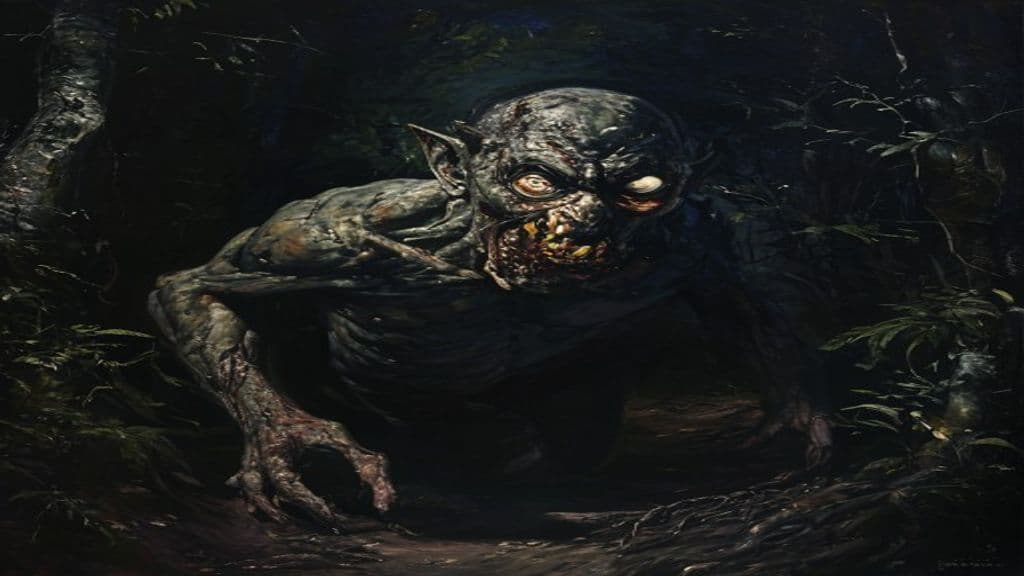
Pishacha
Flesh-eating spirits of Hindu mythology that haunt cremation grounds and are associated with disease, madness, and possession. The lowest class of demon in the Vedic hierarchy.
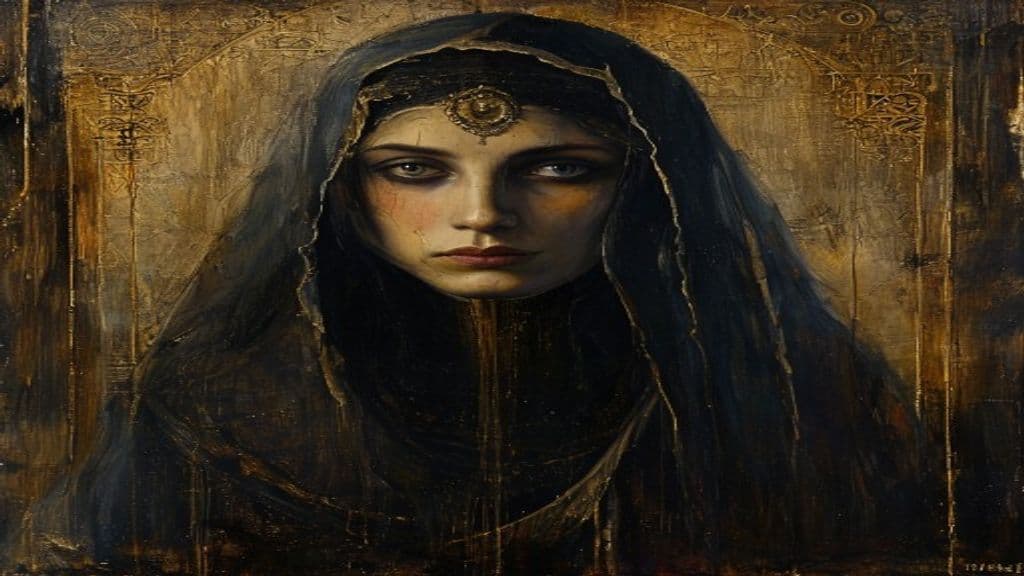
Shedim
In Jewish tradition, Shedim are spirits associated with foreign deities and idolatrous worship, embodying a theological context where monotheistic devotion is threatened by other divine entities. (Note: 1. Factual claim "Primordial" power tier should be adjusted to "Ancient", as Shedim are described as tied to foreign deities and do not appear to possess cosmic-level powers. 2. Remove reference to "m)
Sandalphon
Sandalphon is a highly elevated angelic figure in later Jewish and Christian mystical literature (rabbinic, midrashic, and Kabbalistic), often ranked among the chief angels. He functions as an intermediary who gathers human prayers and transmits them to God, is associated with heavenly song, and is placed in Kabbalah as representing the sephirah Malkuth and as chief of the Seventh Heaven.
Mṛtyu
Personification of death in Hindu tradition, often associated with Mara and Yama. (Note: - Power tier: Primordial may be an overestimation; although Mṛtyu is associated with deities like Mara and Yama, its specific role as personification of death implies a more local or regional power le)
Mẫu Thượng Ngàn
Ruler of the Forest Palace among the spirits of the Four Palaces in Vietnamese indigenous religion. (Note: - Power tier should be Greater (powerful regional), not Primordial (cosmic). - Appearance is missing from the source material. - Abilities could be more specific and detailed based on her role as rule)
Mụ bà (Mười hai Bà mụ)
A collective of twelve female tutelary figures in Vietnamese folk religion who act as midwives and household guardians of newborns, responsible for teaching infants early life skills and auspicious traits. They are ritually acknowledged in some regions at a special ceremony when a baby is one month old.
Na Tuk Kong (Datuk/Datuk Gong)
Na Tuk Kong, commonly called Datuk or Datuk Gong, are place-bound guardian spirits venerated in parts of the Malay Peninsula and nearby areas. Practised mainly among overseas Chinese communities in Malaysia and Singapore, the cult blends Malay animistic/keramat practices with Chinese folk-religious forms and honours individual local guardian presences tied to particular features of landscape or neighbourhood.
Naaga
Naaga is not attested in the provided sources as a folkloric or supernatural being; the name appears only as a modern proper noun used for a 2003 Telugu film, an organizational acronym (NAAGA) in a media segment, a film-certificate entry, and as a music track title.
Naale Baa
Naale Baa (Kannada: ನಾಳೆ ಬಾ, Nāḷe Bā, lit. 'Come Tomorrow') is a vernacular Karnataka urban and rural legend about a night-roaming malevolent spirit or witch that approaches houses, often calling at doors in the voices of kin to lure occupants outside. The principal popular preventive measure is to write the phrase "Naale Baa" on doors and walls so the being will allegedly read it and defer its visit.
Nabataean Religion
Ancient Arabian polytheistic tradition with aniconic worship practices, centered around multiple local gods and deities. (Note: 1. Power tier should be "Ancient" as the sources describe multiple local deities and deities from other cultures (Baalshamin, Isis, Tyche, Dionysus), indicating deity-level powers. 2. Add sensory cues)
Naberius
Naberius is a marquis-ranked spirit in the Western grimoral/Goetic tradition (Lesser Key of Solomon) described as commanding legions and teaching arts—especially rhetoric—and associated with restoring or (in one source) removing honors. He appears in canine and corvine forms and is catalogued among early modern demonological lists.
Nabu
Nabu is the Mesopotamian deity of writing, scribes, wisdom, and the rational arts; a divine scribe and announcer who records destinies, serves as an oracle, and is identified with the planet Mercury in Babylonian astrological tradition.
Nacht-Alb
A German-language folkloric night-being invoked in older parlance to explain sudden nocturnal terror in children; described in archival material as a fabled visitor that frightens sleeping children and is associated with what modern medicine calls pavor nocturnus.
Nachzehrer
A German revenant who gnaws its own shroud in the grave while draining the life-force of surviving family members, causing them to waste away one by one.
Community Record
- [1]Naamah (demon) — Wikipedia summary. Wikipedia contributors, 'Naamah (demon)', Wikipedia, The Free Encyclopediawiki
- [2]Naamah (wife of Solomon) — Wikipedia summary. Wikipedia contributors, 'Naamah (wife of Solomon)', Wikipedia, The Free Encyclopediawiki
- [3]Naamah — Wikipedia disambiguation summary. Wikipedia contributors, 'Naamah', Wikipedia, The Free Encyclopediawiki
- [4]Shidim (excerpt referencing Azael and Naamah). FABIO KEINER, 'Shidim' (archive excerpt noting 'Azael slept with Naamah and spawned Assyrian guard spirits known as sedim')other
- [5]Naamah and Nimrod : a defense of the faith of our fathers (archive entry). Archive entry (listed among provided materials)other