
The Unclean Force is a collective term for malevolent entities that exist outside the realm of the ordinary world, associated with evil or negative forces.
There is no specific physical description of the Unclean Force in the source material. The entities associated with it vary in appearance, but their malevolence towards humans is a common trait.
The Unclean Forces are characterized by their malevolence and ability to interact negatively with humans, often through malevolent manifestations or attacks.
Weaknesses
- substanceHoly water
- symbolSacred symbols
- objectBlessed objects
Wards
- areaAvoiding certain areas or times
- ritualUnknown

Domovoy
A Slavic household spirit bound to a particular kin/household, the Domovoy is an immanent domestic guardian and ancestral presence who protects the family's wellbeing, monitors moral conduct, and participates in domestic life; it is placated by regular offerings and specific household rites.
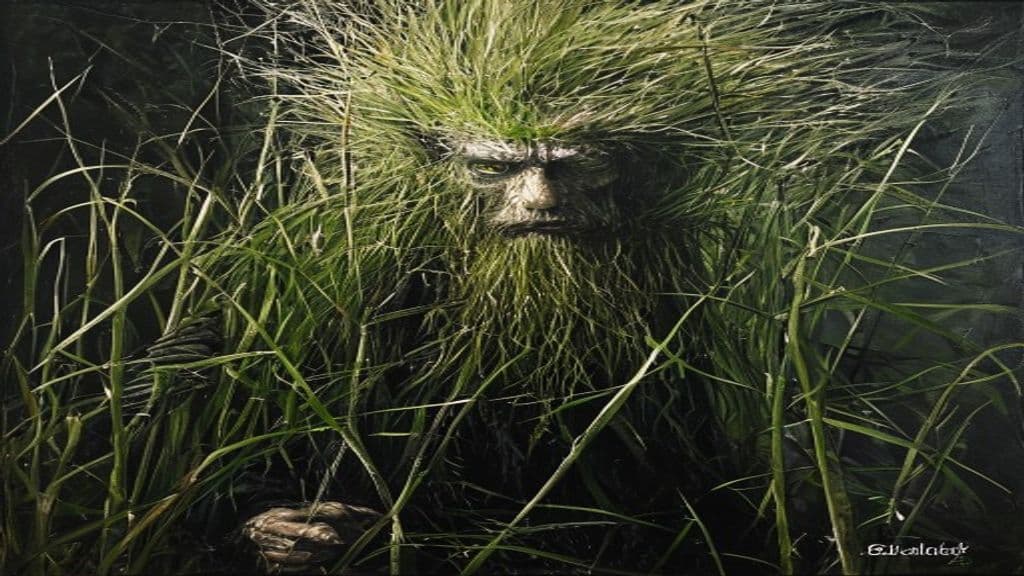
Polevik
A Slavic field spirit associated with cultivated fields and agricultural labour. Traditional accounts depict Polevik as a field-dwelling being encountered by peasants and travellers (especially at noon or sunset) that can mislead, punish, or occasionally be negotiated with by offerings.
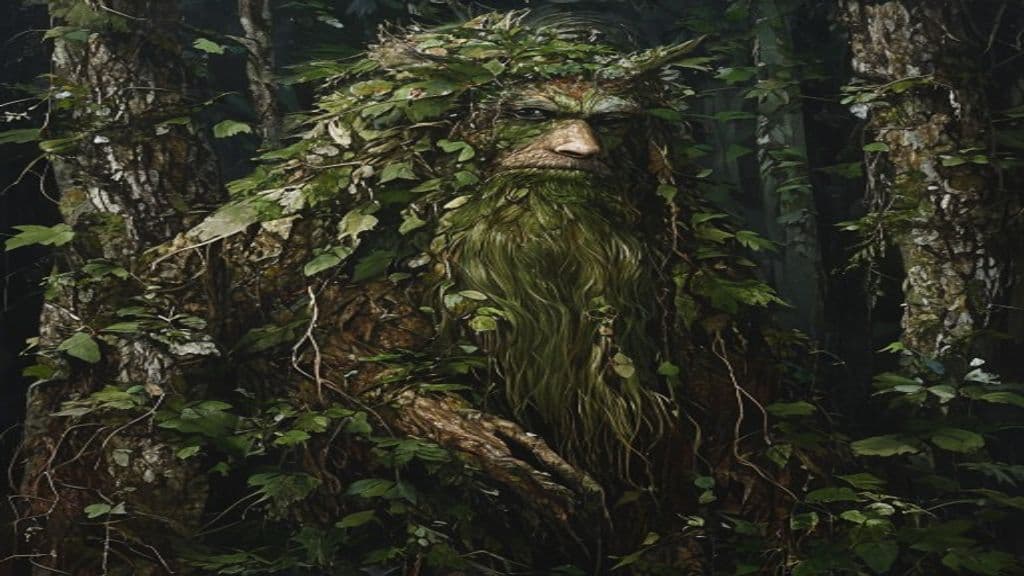
Leshy
A tutelary forest being in Slavic folklore; an embodied, territorial power of the woods that can protect, mislead, or punish humans depending on their behaviour toward the forest. Highly variable in form and described across many regional variants and names.
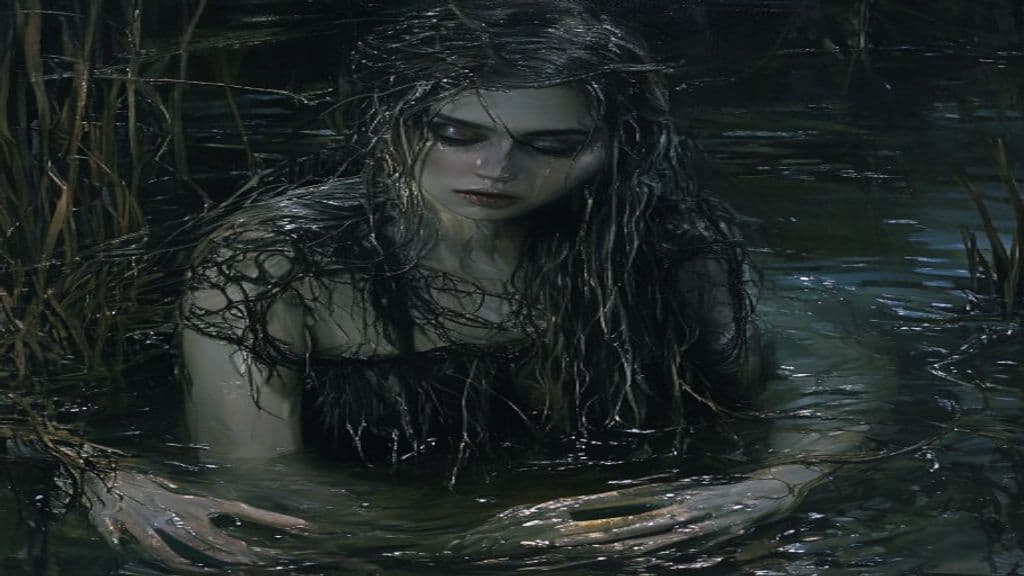
Rusalka
Water spirits in Slavic folklore — the spirits of young women who died by drowning or suicide, bound to rivers and lakes. Beautiful and dangerous, they can bewitch men to their deaths.
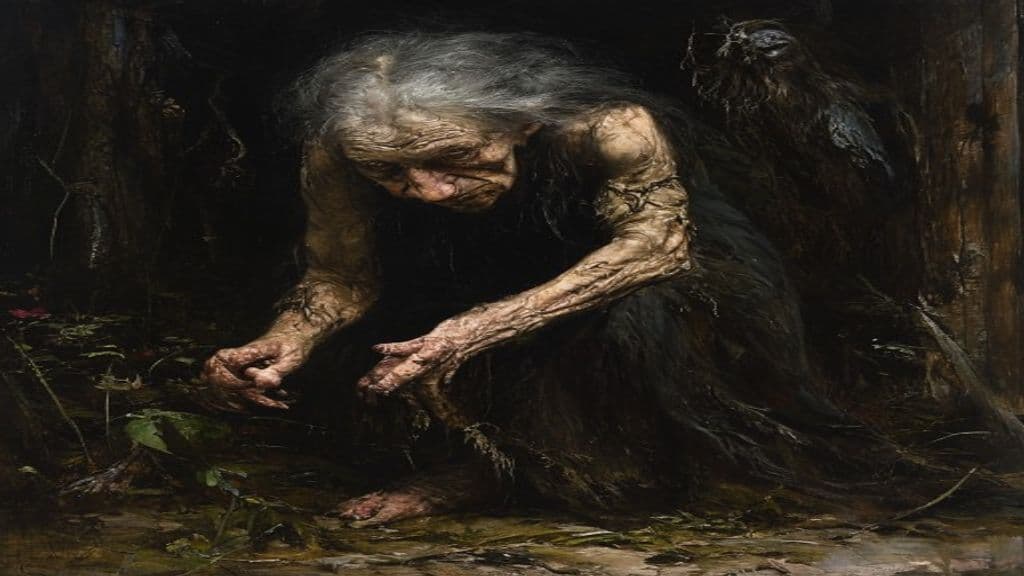
Kikimora
A female house spirit in Slavic folklore that functions as a domestic agent: helpful in well-kept homes and disruptive or dangerous where household morals or order fail. Variants include a domestic (house) kikimora paired with the domovoy and a swamp (bolotnaya) kikimora associated with marshland spirits.
Božić (Slavic mythology)
A symbolic figure associated with the themes of New Year, spring, and youth in Slavic paganism. (Note: 1. Power tier: Incorrectly classified as Lesser Spirit; based on its association with renewal and spring, it should be at least Ancient. 2. Origin story: The source material does not mention an origin)
Slavic Water Spirits
Female tutelary beings associated with bodies of water in Slavic paganism, often dual-natured as benevolent or malevolent. (Note: - Power tier is unclear based on the source material; no indication that they are limited to a "Lesser" power tier. - Appearance is not described in the source material, so this section should be remo)
Sledovik
A sacred stone in Slavic and Finnic pagan practices, imbued with spiritual significance. (Note: - Power tier should be Primordial (due to their widespread presence and spiritual significance in Slavic and Finnic cultures). - Abilities description is incomplete and inaccurate (the text only menti)
Zbruch Idol (Sviatovid)
A limestone sculpture idol representing a pre-Christian Slavic belief system. (Note: - Power tier: Lowered to Ancient (deity-level), as it's a representation of a deity/concept rather than an actual cosmic being. - Abilities: Removed, as stated in the source material. - Sensory cues: )
Zhrets (Slavic Tradition)
A zhrets is a priest in the Slavic religion, responsible for mediating between humans and gods. (Note: 1. Power tier should be Primordial, as zhrets are described as possessing cosmological knowledge and playing a significant role in resisting Christianity, indicating a level of power that aligns with )
Umay
Umay is a maternal fertility and child-care divine figure in Turkic myth and Tengrism, conceived as a celestial mother who guards unborn souls, protects infants and mothers, confers community prosperity, and is associated with the sun and the color yellow.
Umi Zatō
Umi Zatō (海座頭) is a yōkai — a supernatural figure — attested primarily as an illustrated entry in Toriyama Sekien's Gazu Hyakki Yagyō (1776) and in related Hyakki Yagyō emakimono such as the Matsui Library's Hyakki Yagyō Emaki. Beyond its pictorial attestations, the supplied sources give no narrative, powers, or ritual lore for this figure.
Umibōzu
Umibōzu is a yōkai from Japanese folklore depicted as a giant, dark, human-shaped sea apparition encountered by sailors and coastal communities. Sources classify it within paranormal phenomena/yōkai traditions but the provided materials offer limited detail on its deeds, origins, or countermeasures.
Umā (Parvati)
Umā, better known in the provided source as an epithet of the Hindu goddess Parvati (also called Gauri), is presented as a principal goddess associated with power, energy, nourishment, harmony, love, beauty, devotion, and motherhood and forms a triad (Tridevi) with Lakshmi and Sarasvati.
Undead
A category of beings that were once dead or are corpses yet continue to behave as if alive; a broad catch-all used in myth, legend, and fiction for both reanimated bodies and incorporeal continuations of persons.
Undine (Ondine)
An elemental water spirit from Paracelsian occult cosmology later developed into a literary water-nymph archetype. Undines are humanoid, almost always presented as female, inhabit watery places, lack an immortal human soul by default, and—according to Paracelsus and later literature—may acquire a human soul through marriage with a human.
Unk Cekula
Unk Cekula is a serpentoid supernatural creature in Lakota mythology identified as responsible for many unexplained disappearances and deaths; a male counterpart is named Unk Tehi. Sources classify the figure as a mythological serpent within Lakota narrative material and note a possible relation to broader North American 'horned serpent' traditions.
Community Record
- [1]Unclean Force Research Notesresearch notes