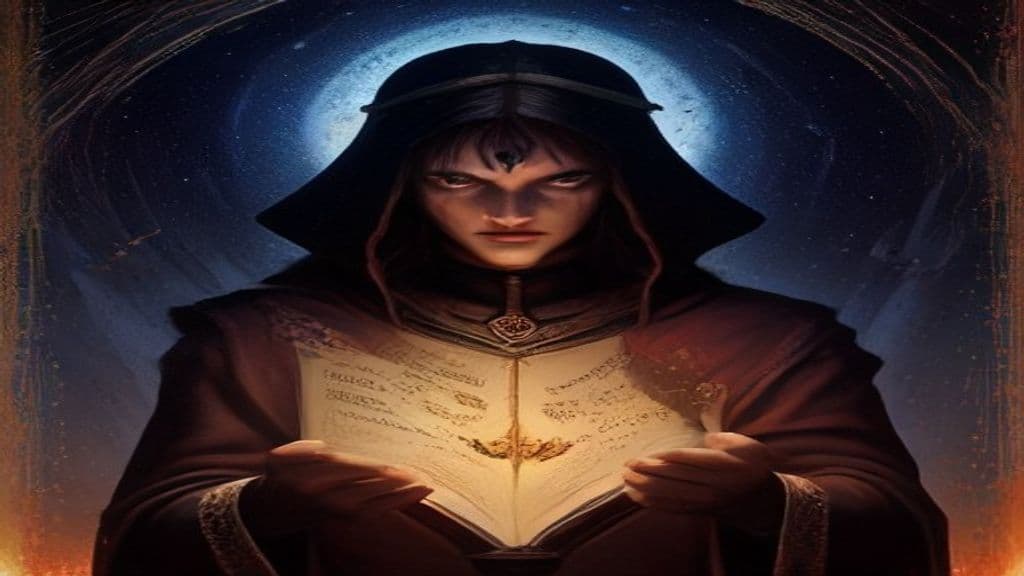
In the materials summarized here, the name Astaroth ultimately derives from the ancient Near Eastern goddess Astarte (and related forms such as Ishtar/Ashtoreth). Christian demonological sources and medieval hagiographic narratives reinterpret and demonize that earlier divine name: the Bible preserves Ashtoreth/Ashtaroth forms, and later Christian writers and demonological catalogues recast that nomenclature as the name of a hostile spirit or high-ranking infernal officer. This literature treats Astaroth as theologically significant evidence of idolatry rather than presenting a single linear 'transformation' event; instead, Christian polemic and cataloguing practices reframed formerly venerated names within an antagonistic spiritual hierarchy.
Descriptions differ by period and genre. A medieval sermon attributed to Ælfric (c. 10th–11th c., quoted in the summaries) portrays Astaroth as an "immense Ethiop, with sharp visage and ample beard" (interpreted by a cited translator as a "black-faced devil"). Later occult and artistic conventions (noted in modern thelemic/occult summaries) commonly depict Astaroth as a male humanoid figure with draconic or bat-like wings and partly bestial attributes; such imagery appears in occult illustration and modern popular-culture art. The sources present these portrayals as variant traditions rather than a single authoritative iconography.
In medieval legendary narratives (for example the Passion of Bartholomew and its retellings in the Golden Legend and Ælfric's sermon), Astaroth appears in the motif of a deceptive healing-deity: inflicting illness on worshippers and then promising cures conditional on offerings or adoration. Demonological catalogues and occult sources additionally present Astaroth as a high-ranking infernal officer who commands attendants and holds a place of authority among hostile spirits (described as a "Great Duke" or "Grand Duke"). Some medieval moral diagrams associate Astaroth with particular vices (for example sloth in Ulrich von Lilienfeld's chart). Occult material links Astaroth with adversarial esoteric categories such as the qlippoth in certain traditions.
Weaknesses
- conditionrenunciation of idol worship / refusal of offerings (as recorded in hagiographic narratives)
- ritualmissionary/clerical denunciation and saintly intervention (as in Saint Bartholomew narratives)
Wards
- ritualauthoritative Christian proclamation and removal of idols (hagiographic model)
- conditionavoidance of idolatrous worship and maintenance of orthodox Christian practice (preventive theological strategy in polemical sources)
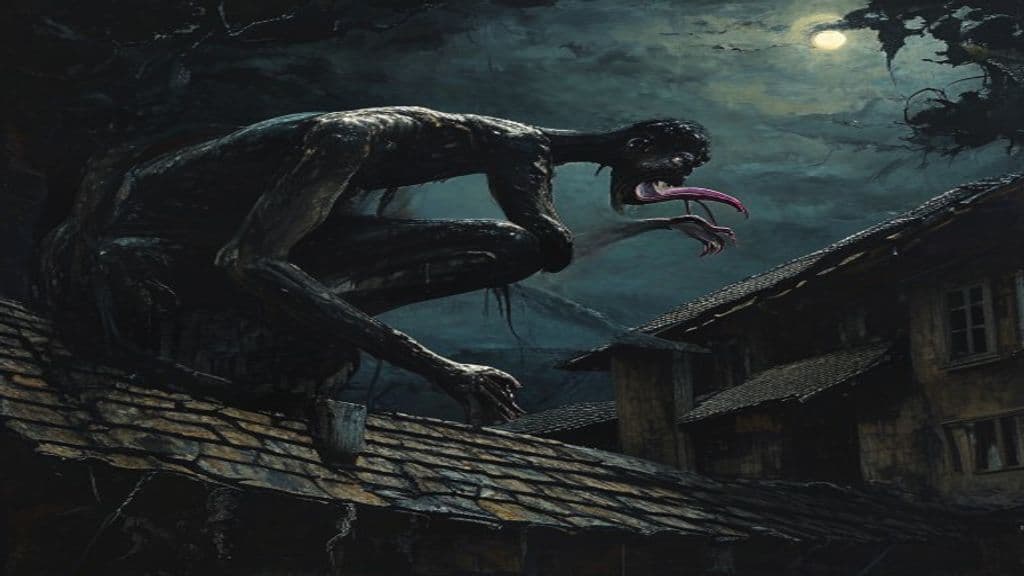
Aswang
The most feared supernatural being in Philippine folklore — a shape-shifting monster that appears human by day but transforms at night to prey on pregnant women and children.
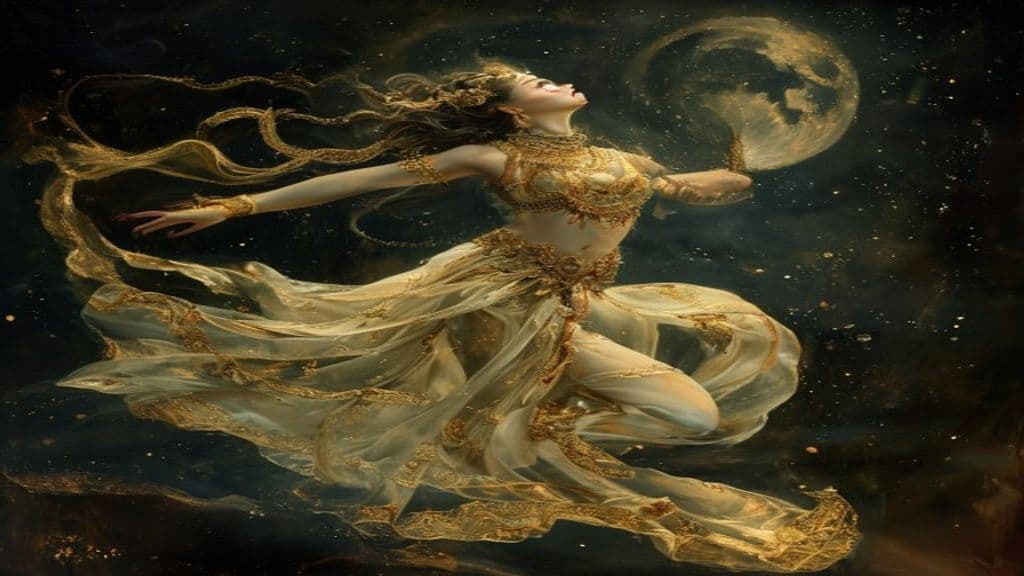
Apsara
Celestial dancers and water nymphs of Hindu cosmology — beautiful semi-divine beings who dance at the court of Indra and, by his command, descend to earth to distract sages from excessive asceticism.
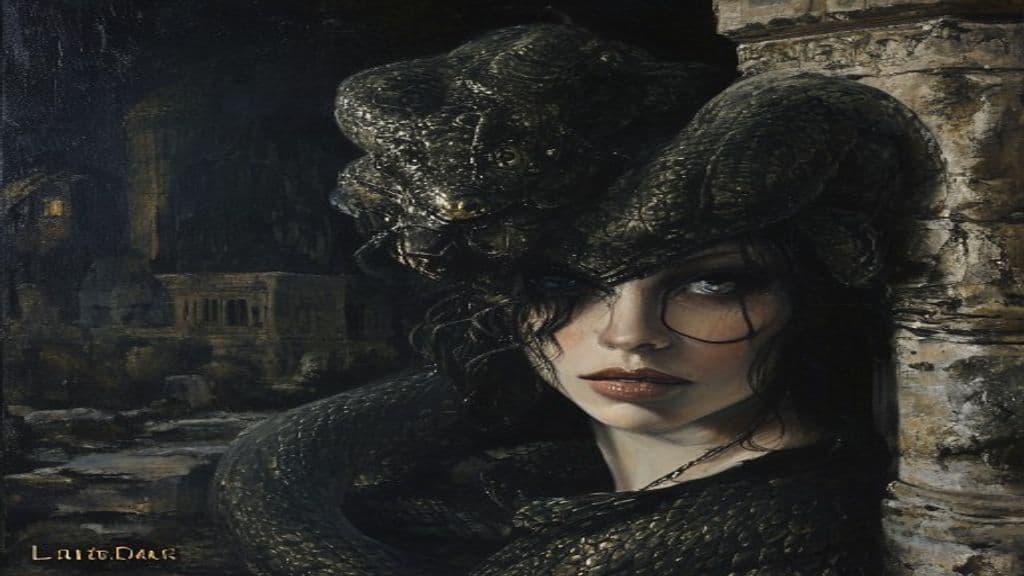
Lamia
A child-devouring demon of Greek mythology — once a queen of Libya and lover of Zeus, driven mad by Hera's destruction of her children and transformed into a monstrous hunter of other women's children.
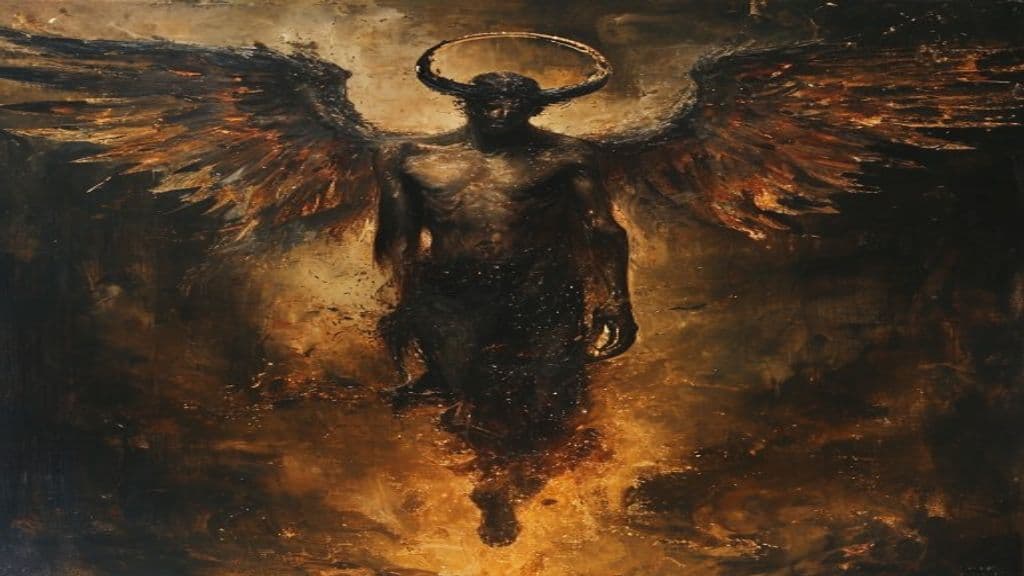
Iblis
The primordial deceiver in Islamic theology; a jinn who refused God's command to bow before Adam and was expelled from heaven. The source of all temptation and whispered suggestion.
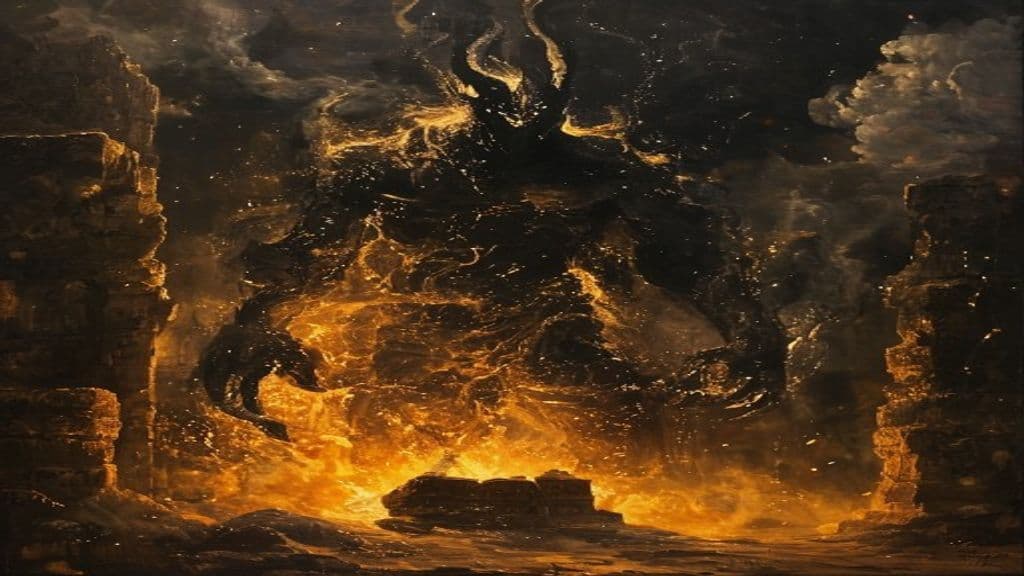
Ifrit
One of the most powerful classes of jinn in Islamic and pre-Islamic Arab tradition — a fire-born being of immense strength and cunning, capable of great works of engineering and terrible violence.
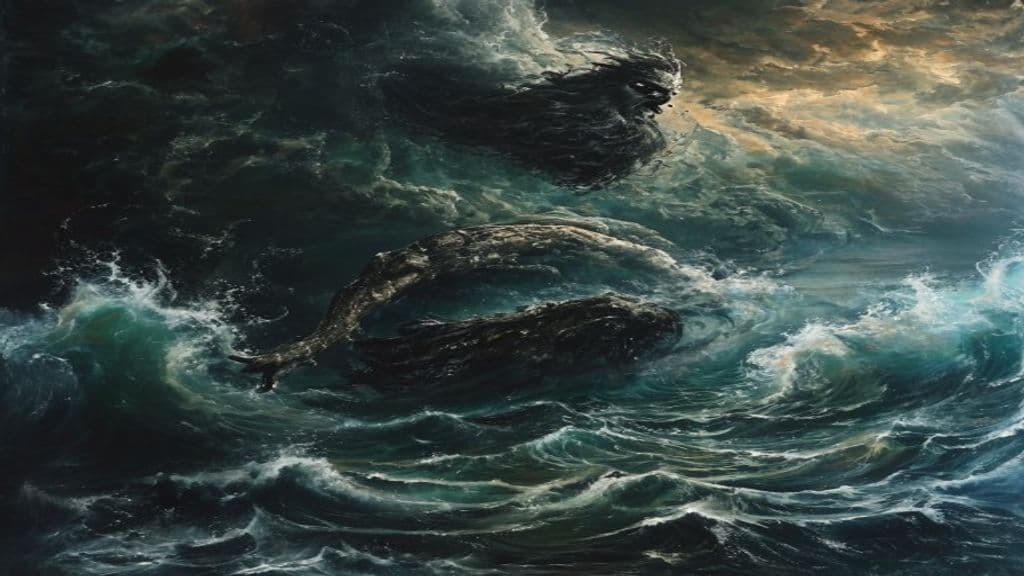
Marid
The most powerful class of jinn in Islamic tradition — beings of the sea, associated with the deep ocean, storms, and the granting of wishes at terrible cost. The classic genie of the Arabian Nights.
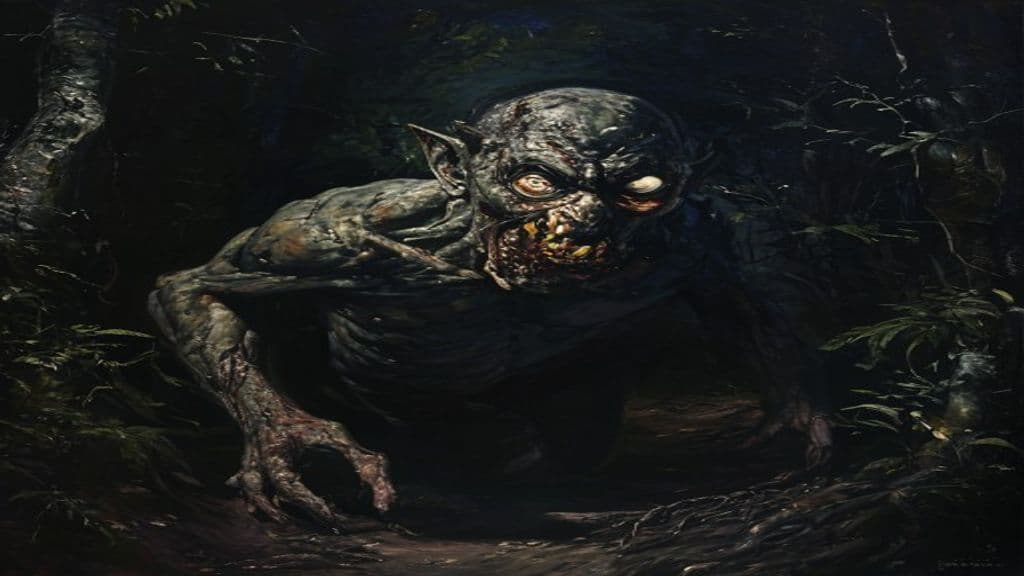
Pishacha
Flesh-eating spirits of Hindu mythology that haunt cremation grounds and are associated with disease, madness, and possession. The lowest class of demon in the Vedic hierarchy.

Rakshasa (Himalayan variants)
A Himalayan reception of the pan-Indian rakshasa motif: hostile or disruptive non‑human beings known from Sanskrit epic and Puranic literature, here noted where Himalayan sources and discussions intersect with the broader epic tradition. The supplied sources do not document distinct, well‑attested Himalayan folklore variants; the entry therefore presents primarily the epic/legendary profile as transmitted into Himalayan contexts in general references.

Preta (Hungry Ghost)
A post-mortem supernatural being associated with extreme, unremitting hunger and thirst. In Hindu usage the Sanskrit term can mean a deceased person, while Buddhist traditions develop the category into a distinct realm of hungry spirits whose condition illustrates karmic consequences for demeritorious action.
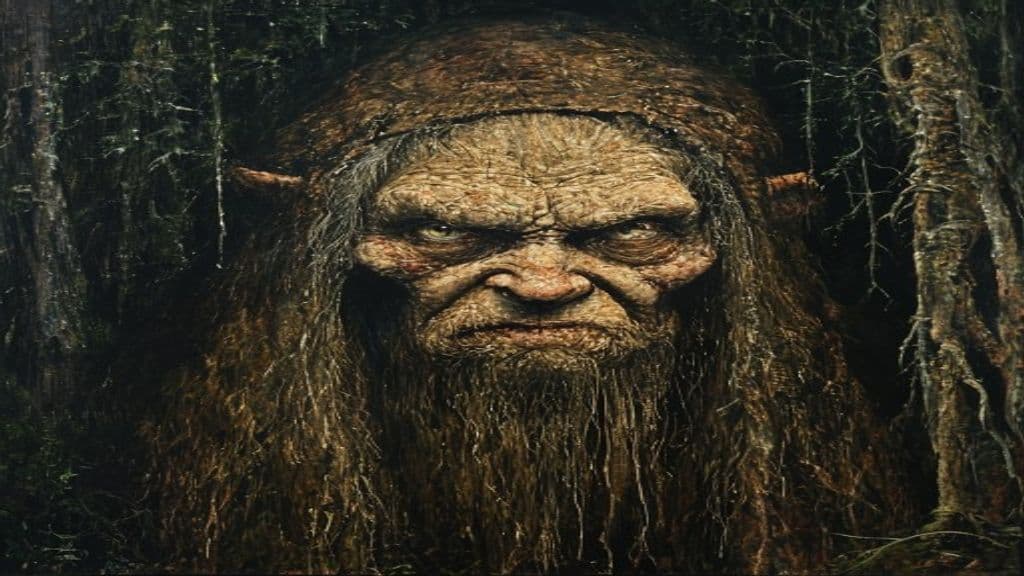
Baba Yaga
Baba Yaga is an ambivalent female figure of East Slavic folktale tradition, depicted variously as a fearsome, child-eating crone or as a helpful, maternal donor. She is associated with the deep forest, a hut described as standing on chicken legs, and the motific accoutrements of a mortar and pestle.
Bogeyman
A folkloric, non‑canonical monster figure invoked across cultures as a disciplinary device to frighten children into compliant behaviour; presented in sources as a flexible category rather than a single, systematized being and often used figuratively as a personification of terror.
Dantalion
Dantalion is a named spirit appearing in grimoire-derived occult tradition (the Ars Goetia corpus), described in modern occult encyclopedias as a high-ranking Duke who commands legions and is reputed to teach arts and sciences and to know and influence human thoughts.
Draghignazzo
Draghignazzo is a modern fictional proper name applied across multiple entertainment media to distinct antagonistic figures: a named Malebranche-style demon in Dante-derived adaptations and games, a quasi-deity entry in a tabletop RPG bestiary, and a bio-organic weapon (B.O.W.) monster in the Resident Evil franchise. There is no attested historical folkloric origin for the name in the supplied sources; all attestations are modern fictional usages.
Fairies
Fairies are a category of anthropomorphic spirit-beings from European folklore, described as possessing magical or preternatural qualities and appearing across a range of traditional stories and modern cultural expressions. The motif spans cautionary folk beliefs (often concerning protection from their spite) and contemporary festival, musical, and literary uses.
Kung Jin
Kung Jin is a modern fictional character from the Mortal Kombat video game franchise (debuting in Mortal Kombat X, 2015). He is presented as a Shaolin-trained archer and relative of Kung Lao who joins a new generation of Earthrealm defenders; he is a human narrative character created by NetherRealm Studios, not a traditional spirit or folkloric entity.
Assaracus
Assaracus is a mytho-historical king of Dardania in ancient Greek genealogical tradition, presented as a mortal ancestor within the royal house that connects to the foundation and lineage of Troy (Ilium). He is primarily attested as a dynastic progenitor—son of Tros, brother of Ilus, and father of Capys—and is not described in the supplied sources as a supernatural being.
Assessors of Maat
A collective of forty-two minor divine figures in ancient Egyptian funerary religion who act as judicial assessors in the post-mortem tribunal of Osiris. They are each associated with one of the 'Negative Confessions' in Chapter 125 of the Book of the Dead and serve to determine the deceased's conformity to Maat (truth, justice, and cosmic order).
Astacia
Astacia is attested in a brief encyclopedic note as a nymph in Greek mythology after whom, according to that note and a referenced Pauly‑Wissowa entry, Dionysus named a city. Attestation in the supplied materials is extremely limited: a one-line Wikipedia entry and a bibliographic pointer to Paulys Realencyclopädie der classischen Altertumswissenschaft (RE).
Astarion Ancunín
Astarion Ancunín is a fictional player-controllable character from Larian Studios' Baldur's Gate 3 (2023). Presented as a High Elf rogue who was infected by an Illithid tadpole and revealed to be a vampire spawn, he functions in-game as a companion/protagonist with a personal quest concerning his former master, Cazador Szarr.
Astarte
Astarte (Ancient Northwest Semitic ʿAṯtart; Hellenized Ἀστάρτη) is a major Bronze–Iron Age Levantine goddess worshipped in Canaanite and Phoenician contexts and widely syncretized across the ancient Mediterranean. Sources portray her with martial, erotic, and civic associations and attest organized cultic worship (temples, shrines, coin iconography) rather than folkloric anti‑spirit traditions.
Astennu
Astennu is attested in the provided materials in two distinct contexts: (1) as a modern stage name used by Australian musician Jamie Stinson, explicitly described as "derived from a creature in Egyptian mythology," and (2) in a single secondary online summary (mythlok.com) as a lesser-known Egyptian mythic figure associated with Thoth and depicted as a baboon. Primary ancient attestations, etymology, and ritual data are not present in the supplied sources.
Asteria
Asteria is a Greek mythic goddess, daughter of the Titans Phoebe and Coeus, associated with stars and with the island later identified as Delos. In myth she flees Zeus, transforms into a quail and then into an island that shelters Leto and hosts the birth of Apollo and Artemis; she is also named as mother of Hecate in Hesiodic tradition.
Community Record
- [1]Astaroth - Wikipedia. Wikipedia: Astaroth (summary of demonological tradition, etymology, medieval accounts and later occult imagery).wiki
- [2]Wikidata: Astaroth. Wikidata entry for Astaroth (identifier and linked data on demonological attributions).wiki
- [3]Thelemapedia: Astaroth. Thelemapedia (occult/modern esoteric summary noting later artistic depictions, seals, and attendant spirits).other
- [4]Archive: Pixelated Audio Episode 61 - Astaroth. Popular-culture reference collected in the provided materials (demonstrating modern media usage of the name).other
- [5]Archive: Games and cultural mentions listed in research notes. Examples of modern popular-culture uses of the name Astaroth drawn from the provided research-note links.other