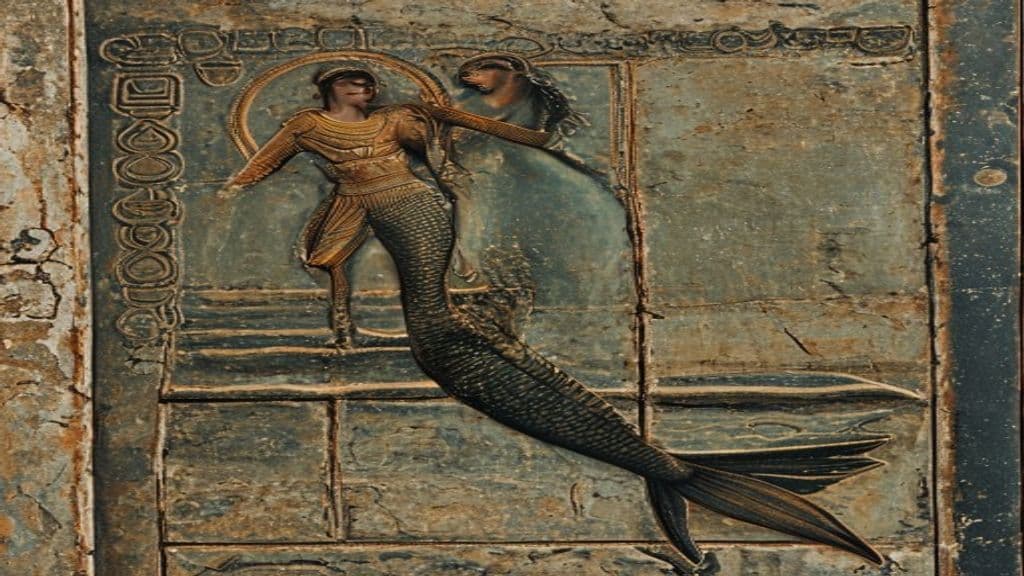
Classical writers preserve a transformation narrative in which Derceto/Atargatis is said to have drowned herself and been transformed into a fish; this motif (reported via Ctesias and summarized in later authors) became one explanation for fish-bodied images associated with her cult. Philological and comparative evidence in the Aramaic forms of her name (attested as ʿAttarʿattā and variants) has been analyzed by scholars as containing elements linked to older Semitic goddess names (elements related to ʿAṯtar/ʿAštart and to forms related to ʿAnat), indicating continuity and transformation from earlier Levantine divine mothers and fertility figures, though the provided sources present this as an interpretive analysis rather than an uncontested categorical fact.
Sources record variant local depictions. Classical accounts (via Diodorus/Ctesias and Lucian as summarized) describe a mermaid‑like form with "a face of a woman, and otherwise the entire body of a fish" in some shrines, while at Hierapolis Lucian describes an entirely anthropomorphic cult image: a seated woman flanked by two lions, holding a scepter and a spindle, wearing rays and a tower (mural crown), a girdle, and with the head set with a gemstone called lychnis which glowed by night. Archaeological and numismatic evidence shows predominantly anthropomorphic images in the LIMC corpus and Hellenistic coin types, though some Hellenistic coins and classical reports associate fish imagery with the goddess.
Classical sources and modern summaries emphasize her roles in fertility, protection of the city and people (baalat), and as an ancestral/foundational figure for royal houses and social/religious life. Classical authors also describe her (in their accounts) as a patron or supposed inventor of useful appliances. The association of doves and fish as sacred animals links her function to love and sexual/familial fertility (doves) and aquatic fecundity and life (fish). The drowning/transformation motif in classical mythic accounts explains the ichthyomorphic aspect seen in some local cultic representations.
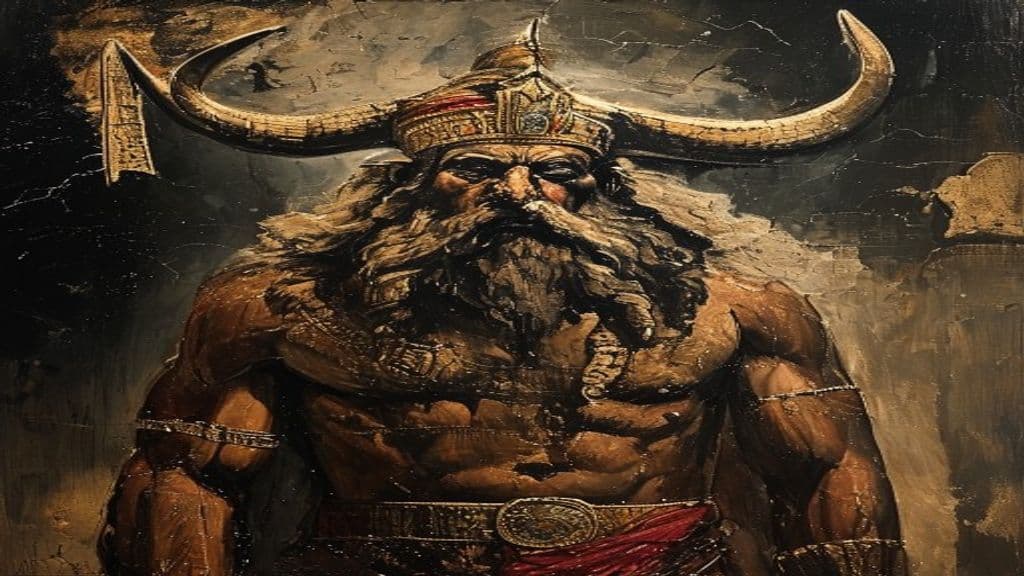
Hadad (Haddu / Adad / Iškur)
Hadad is the ancient Near Eastern storm and rain deity attested across Levantine and Mesopotamian traditions (Ugaritic Haddu, Akkadian Adad, Sumerian Iškur). He is a high-ranking weather-lord associated with rain, thunder, fertility of fields, and a dual capacity to nourish crops and to unleash destructive storms; he plays central roles in temple cult, royal ideology, and mythic battles (notably the Ugaritic Baal Cycle).
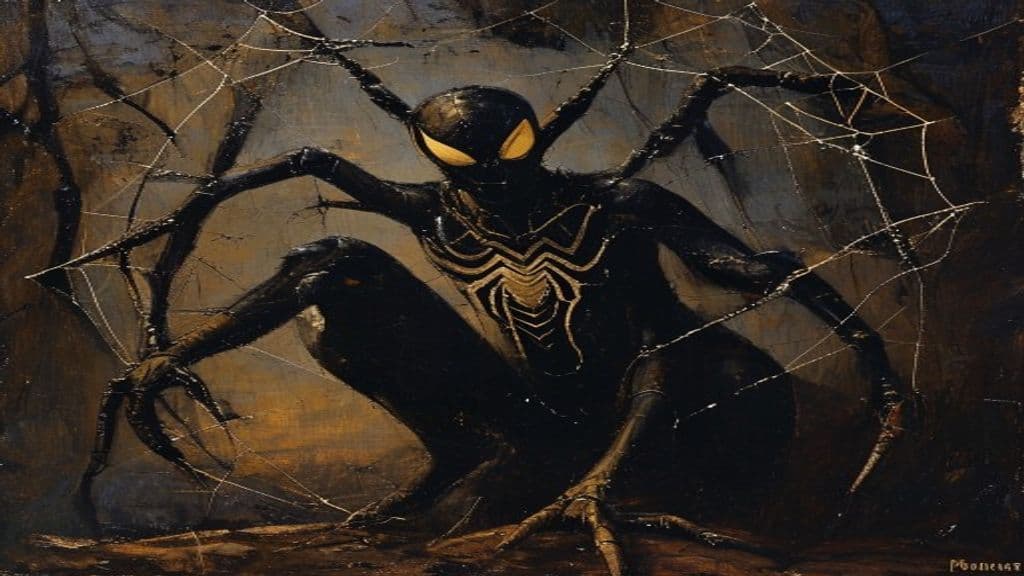
Anansi
The spider trickster god of Akan folklore — cunning, mischievous, and wise. Keeper of stories and teacher of human beings, brought through the slave trade into Caribbean and African-American tradition.
Aswang
The most feared supernatural being in Philippine folklore — a shape-shifting monster that appears human by day but transforms at night to prey on pregnant women and children.
Atabey
Atabey is a principal Taíno ancestral mother-spirit (a zemi) associated with fresh water, fertility, and prime matter; she appears in early ethnohistorical transmissions with multiple names and manifestations ranging from nurturing mother to violent storm-mother.
Atago Gongen
Atago Gongen (愛宕権現) is a syncretic mountain guardian venerated around Mount Atago as a local gongen (manifestation) of the bodhisattva Jizō and as a protective kami. Traditionally worshipped by Shugendō practitioners, townspeople, and samurai, the cult emphasizes protection from fire, theft, and disaster and developed through honji-suijaku fusion of Buddhist and Shinto ideas.
Ataksak
Ataksak is a sky deity in Inuit tradition described as the ruler of the sky and a personification of celestial light that brings joy and happiness to people. The figure is depicted as a bright, glowing sphere often shown with rays or strings of light attached; some sources refer to Ataksak using masculine pronouns while other accounts call the figure a goddess.
Atalanta
Atalanta is a mortal heroine of ancient Greek myth, famed as a swift-footed huntress and archer who lives at the margins between wilderness and polis. Her story—exposure and fosterage by a she-bear, prominence in the Calydonian boar hunt, a marriage-footrace won by Hippomenes with Aphrodite's golden apples, and a later metamorphosis into a lion—appears in multiple regional variants and literary traditions.
Atanua
Atanua is the Marquesan (Polynesian) goddess of the dawn who, in local cosmogony, is the consort of Atea and mother of the first man; she is also credited in the surviving summary accounts with creating the seas as the result of a miscarriage.
Atari Force
Atari Force is a fictional multinational exploration team created as a media tie‑in between Atari, Inc. and DC Comics in the early 1980s. Presented across pack‑in minicomics, a 1983 graphic novel tie‑in, and a 1984–1985 ongoing series, the property functions as a branded ensemble science‑fiction adventure rather than a folkloric supernatural being.
Ataroth
Ataroth is a toponym attested in Iron Age Levantine sources (Hebrew Bible and the Mesha Stele). The name labels several distinct towns east and west of the Jordan and functions in those texts as a marker of tribal allotment, territorial boundary, settlement, and cultic-political action.
Ate
Ate (Ancient Greek: Ἄτη, Átē) is the personified force of delusion, reckless folly, and ruin in ancient Greek poetic and mythic tradition. She functions both as an abstract condition—an aition for misguided action—and as an active agent who can blind the minds of gods and men and be sent, notably by Zeus, as a form of retribution.
Atea
Atea is a primordial creator-associated being in multiple Polynesian traditions (Marquesas, Tuamotu, and Māori) closely associated with light and the ordering of the cosmos. Variants depict Atea as a self-originating giver of light, a progenitor who fathers gods and humans, or as the cosmic universe that is sex-differentiated into Heaven and Earth in one reported account.
Atef Crown
Egyptian feathered white crown associated with Osiris, symbolizing his status and power. (Note: * Power tier should be Ancient, not Greater, since it's associated with a deity. * Abilities statement is accurate based on source material, but can be rephrased for clarity: "As an inanimate object, )
Aten
Aten (Ancient Egyptian jtn, reconstructed *[ˈjaːtin]) is the visible solar disc in ancient Egyptian religion that, during the Amarna period under Akhenaten, was elevated to the central focus of state cult (Atenism). Represented as a life-giving solar orb whose rays reach the world, Aten functions as creator and sustainer in Amarna inscriptions while lacking the extensive genealogical mythology of other Egyptian gods.
Community Record
- [1]Atargatis. Wikipedia: 'Atargatis' article summarizing classical accounts, etymology, iconography, and Syriac reportwiki
- [2]Wikidata entry Q221735 (Atargatis). Wikidata short description and linked identifiers for Atargatisother
- [3]Lucian, De Dea Syria (Περὶ τῆς Συρίης Θεοῦ). Lucian's account as archived (Peri tes Syries Theou) describing the Hierapolis image and local cultic identificationliterary
- [4]Mémoire sur la Déesse Vénus (Larcher, 1776) (archive). Historical comparative material referenced in the provided notes (archival edition as supplied)other